Old Beijing Yogurt: Porcelain Jars, Milk Skin, and How to Drink It
A practical guide to old Beijing yogurt: porcelain jars, gentle tang, milk-skin variations, returnable containers, and how to enjoy it in a snack stop.

A practical guide to Beijing milk-skin yogurt: its richer dairy texture, what to look for at the counter, and how it differs from traditional porcelain-jar yogurt.
Milk-skin yogurt, usually labeled naipizi suannai, is a richer branch of Beijing's local dairy-snack culture. The name refers to the creamy milk skin associated with the product, but it is best understood as a specific counter item rather than a universal description for every chilled yogurt in the city. Its thicker, more indulgent feel makes it a useful choice when a standard drinkable jar yogurt sounds too light.
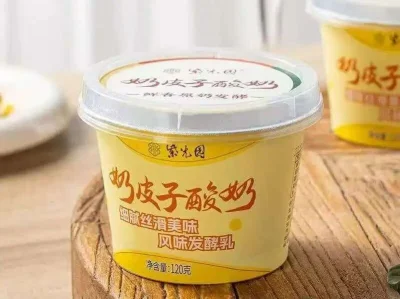
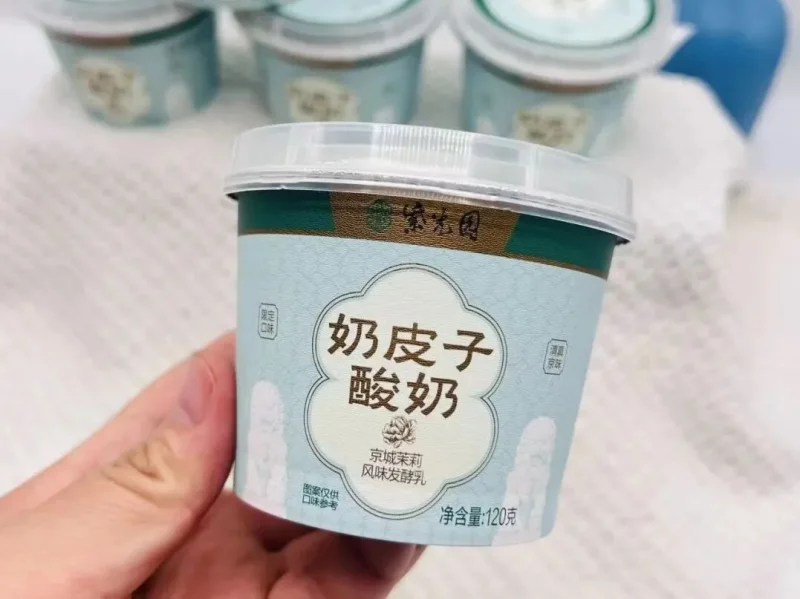
On a Beijing menu, milk-skin yogurt signals a yogurt product designed around a richer dairy layer and a fuller mouthfeel. Beijing municipal-government coverage lists Ziguangyuan's milk-skin yogurt among the signature foods of a time-honored Beijing brand, confirming that it is a real local product category rather than a marketing translation. The exact recipe, sweetness, and visible top layer can still differ by brand and packaging, so the label is a starting point, not a guarantee of one identical texture everywhere.
That distinction matters. A paper-lidded jar can look traditional while containing a fairly smooth yogurt drink; a sealed cup labeled milk-skin yogurt may taste denser, sweeter, or more spoonable. Choose by the product name and your appetite, not by the container alone.
The appeal is contrast. The top dairy layer can feel richer than the yogurt below, while the chilled base remains mildly tangy. Some versions are smooth enough for a straw; others are better stirred gently and eaten with a spoon. Do not expect a dessert with a fixed recipe or a dramatic, separate sheet on every cup. What is consistent is the intention: a more substantial dairy snack than a plain, thin yogurt drink.
For a first order, take a small chilled cup, taste the top before mixing, then decide whether the sweetness works for you. This is more useful than assuming all milk-skin yogurt is either very sour or very sweet. A seller's own recipe and the product's storage temperature change the experience.
Milk-skin yogurt and old Beijing porcelain-jar yogurt belong to the same broad local dairy conversation, but they solve different snack cravings. A traditional jar is often chosen for its cool, light sweet-and-tangy refreshment and its recognizable serving ritual. Milk-skin yogurt is the richer option: more like a small dairy treat to linger over than a quick palate reset.
There is no need to treat one as more authentic than the other. The practical choice is simple: order jar yogurt when you want something lighter after a savory snack; order milk-skin yogurt when you want a creamier texture and are happy for it to feel closer to dessert.
Milk-skin yogurt makes the most sense as a cooling pause between stronger flavors. After cumin-seasoned skewers, a fragrant fried snack, or a robust breakfast combination such as douzhi and jiaoquan, its chilled dairy richness can soften the palate without adding more spice. It also works beside a light pastry, but pairing it with several sweet snacks at once can make a small stop feel heavy.
It is not a required breakfast item. Beijing breakfast has its own savory and grain-based traditions, while milk-skin yogurt is better chosen for its texture and temperature. This is a good example of why a food guide should separate local associations from rigid rules: the city has recognizable habits, but a visitor can order the cup whenever it suits the meal.
Beijing's well-known dishes are often savory, smoky, and warming. A chilled dairy cup gives the food landscape another register: mild, creamy, and counter-sized. Official city coverage now places milk-skin yogurt alongside time-honored Beijing foods, while Beijing Tourism continues to describe yogurt as part of the city's snack vocabulary. Trying it deliberately, rather than treating it as a generic dessert, makes the difference easier to taste.
Comments (0)