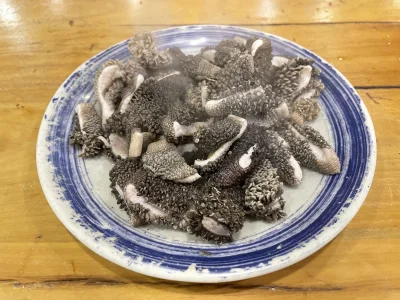
Baodu vs Hotpot Tripe: Why Beijing Quick-Fried Tripe Tastes Different
A practical comparison of Beijing baodu and hotpot tripe, explaining cooking time, texture, sauce,…
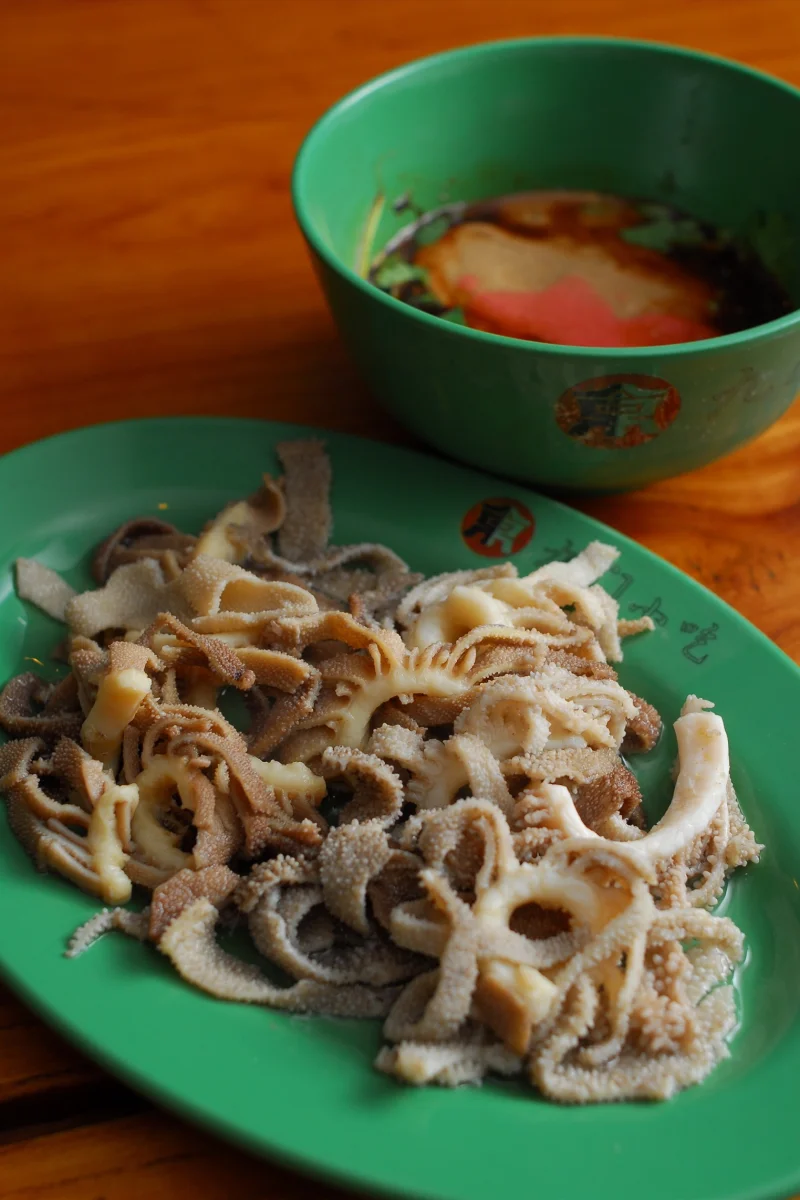
A Beijing baodu topic hub covering quick-fried tripe, sesame paste dipping sauce, stomach cuts, crisp texture, Muslim snack-shop roots, and how to order this old Beijing specialty.
Baodu is Beijing’s quick-fried tripe specialty, prized for crisp-tender texture and sesame paste dipping sauce. This topic collects guides on what baodu is, how to order it, how the cuts differ, and how it fits into old Beijing snack culture.
Use these guides to compare baodu with other Beijing offal dishes, understand the dipping sauce, and avoid the common mistake of treating it like a slow-braised stew. Baodu is about timing, texture, freshness, and sauce balance.
Baodu should be understood as a texture dish. The tripe is cooked quickly so it stays crisp-tender, then dipped rather than soaked in sesame sauce. Overcooking makes it chewy, while too much sauce can hide the clean, lightly cooked flavour that the method is meant to preserve.
Order a small plate first if you are unfamiliar with tripe. Ask which cuts are available, share the plate, and use the sauce lightly. Baodu differs sharply from the slow-braised richness of luzhu and the thick bowl of chaogan; the connected guides explain those distinctions before a visitor tries to compare them.
A practical comparison of Beijing baodu and hotpot tripe, explaining cooking time, texture, sauce,…

A cultural guide to Beijing baodu, explaining its old Beijing snack-shop roots, Hui vendor history,…
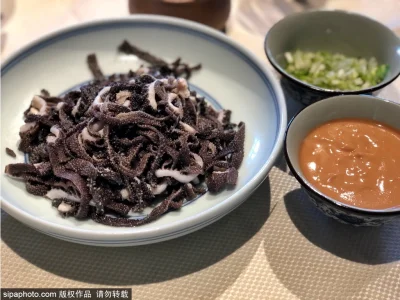
A practical ordering guide for Beijing baodu shops, covering mixed plates, beef vs lamb choices, wh…
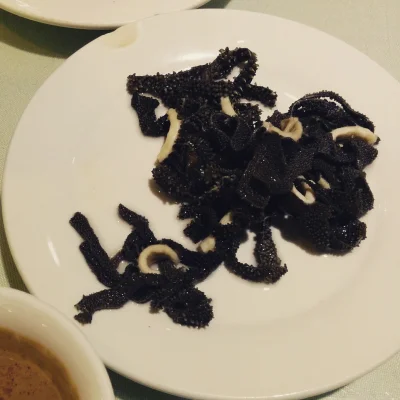
A practical Beijing baodu cuts guide explaining beef omasum, lamb sandan, duren, baiye, mushroom-li…
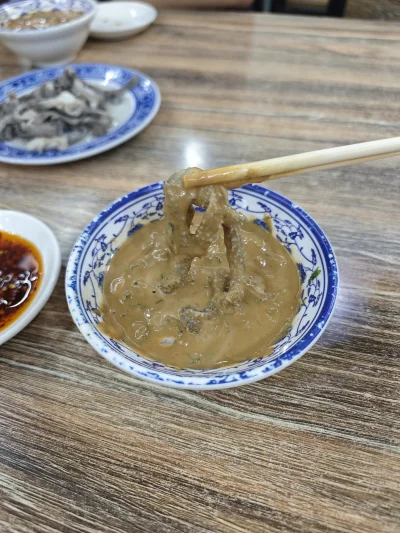
A focused guide to Beijing baodu dipping sauce, explaining sesame paste, fermented tofu, chive flow…
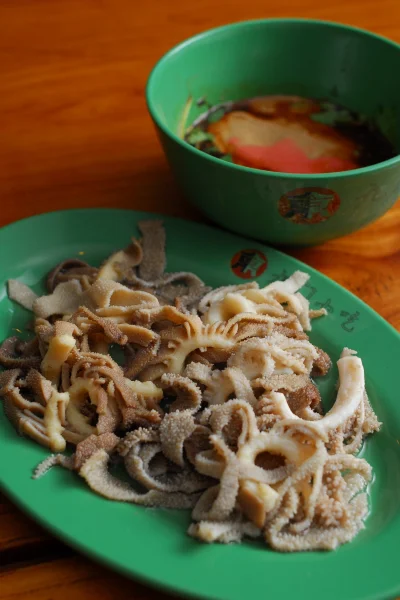
A practical guide to Beijing baodu, the quick-fried tripe snack served with sesame paste sauce, cil…