Zhajiang Noodles in Beijing: Sauce, Toppings, and How to Eat Them
A complete guide to Beijing Zhajiang Noodles, explaining fried soybean paste sauce, chewy wheat noo…
A complete Beijing Zhajiang Noodles hub covering fried soybean paste sauce, chewy wheat noodles, fresh toppings, home-style preparation, regional comparisons, and the dish’s role in daily life.
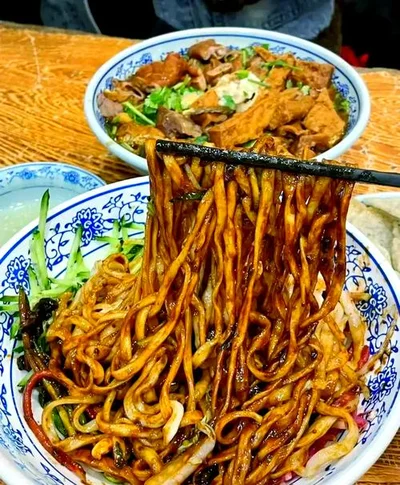
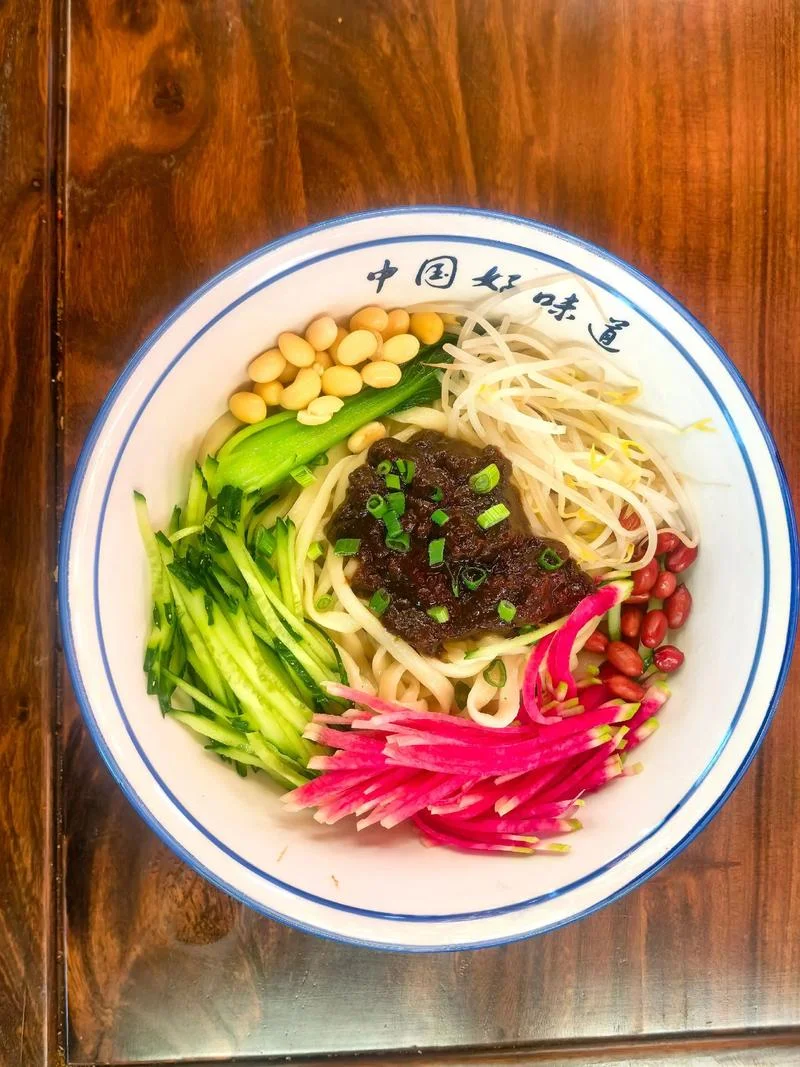
Zhajiang Noodles are one of Beijing's defining comfort foods. The dish depends on a bold fried soybean paste sauce, chewy wheat noodles, and enough fresh toppings to keep the bowl balanced.
This topic collects guides to the sauce, toppings, home-style cooking, regional comparisons, and the dish's role in daily life. It is useful for travelers who want to understand everyday Beijing food beyond famous banquet dishes.
Start with the main Zhajiang Noodles guide for the full bowl. Then read the sauce guide to understand yellow soybean paste and sweet bean sauce, the toppings guide to understand seasonal vegetables, and the home-style guide if you want to cook the dish yourself.
The core idea is balance: strong fermented sauce, sturdy noodles, and crisp vegetables. Once you understand that structure, Beijing zhajiangmian becomes much easier to order, cook, and compare with other regional noodle dishes.
The sauce should be savoury and cooked through rather than merely spooned over the noodles. The noodles need enough firmness to carry the sauce, while the raw or lightly prepared vegetables bring crunch and freshness. Shops and homes vary in their topping selection, so the balance of the bowl matters more than finding one fixed list.
For visitors, zhajiangmian is especially useful as a counterpoint to restaurant dishes such as Peking Duck. It is an everyday bowl: direct, filling, and built from pantry ingredients and seasonal produce. Read the related articles in sequence to separate Beijing practice from the many regional dishes that are also called zhajiangmian.
A complete guide to Beijing Zhajiang Noodles, explaining fried soybean paste sauce, chewy wheat noo…
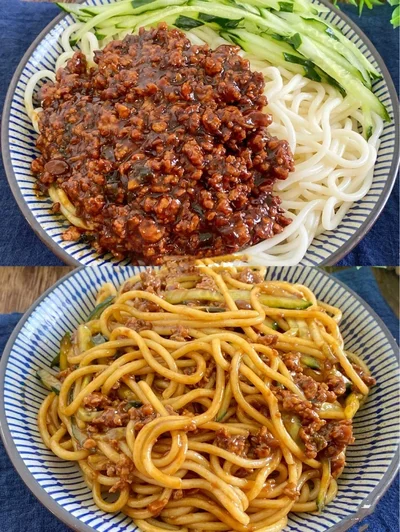
A practical guide to mixing Beijing zhajiang noodles, covering sauce amount, vegetable toppings, no…
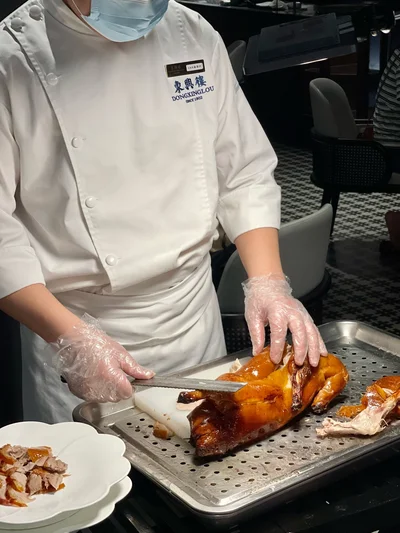
A practical guide to Beijing’s most famous foods, including Peking Duck, Zhajiang Noodles, instant-…
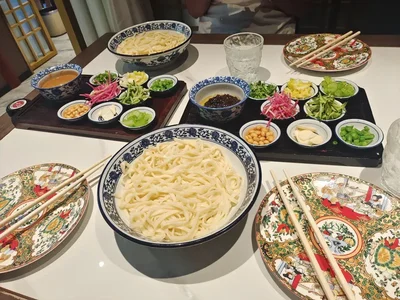
An explanation of Zhajiang Noodles in Beijing daily life, from family-style mixing and northern whe…
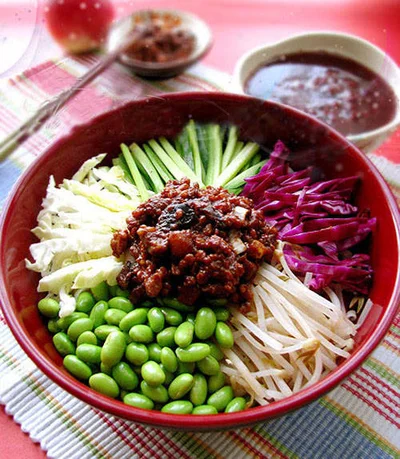
A comparison of Beijing Zhajiang Noodles with Tianjin, other northern versions, and Korean jajangmy…
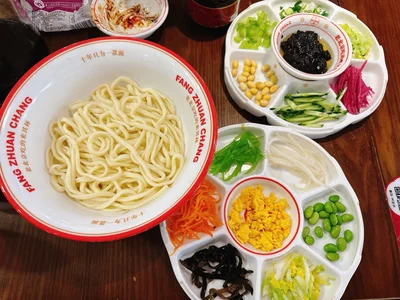
A guide to Beijing Zhajiang Noodle toppings, explaining cucumber, radish, bean sprouts, soybeans, c…
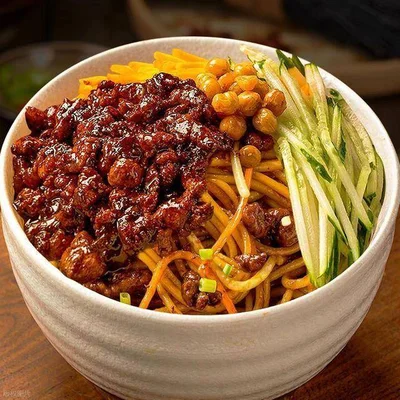
A close guide to Beijing zhajiang sauce, explaining yellow soybean paste, sweet bean sauce, pork fa…
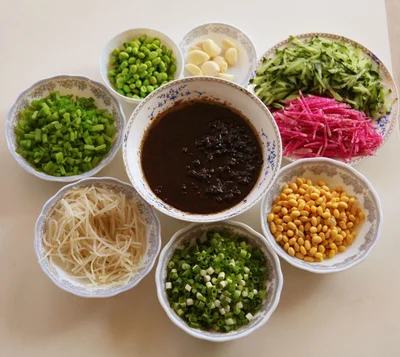
A home-style guide to Beijing Zhajiang Noodles, covering slow-fried soybean paste sauce, pork, nood…