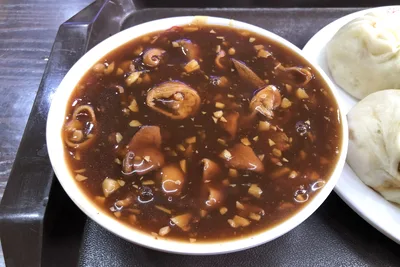
Where to Try Chaogan in Beijing: Time-Honored Snack Shops, Breakfast Timing, and Ordering Tips
A practical guide to finding chaogan in Beijing, explaining time-honored snack shops, breakfast tim…
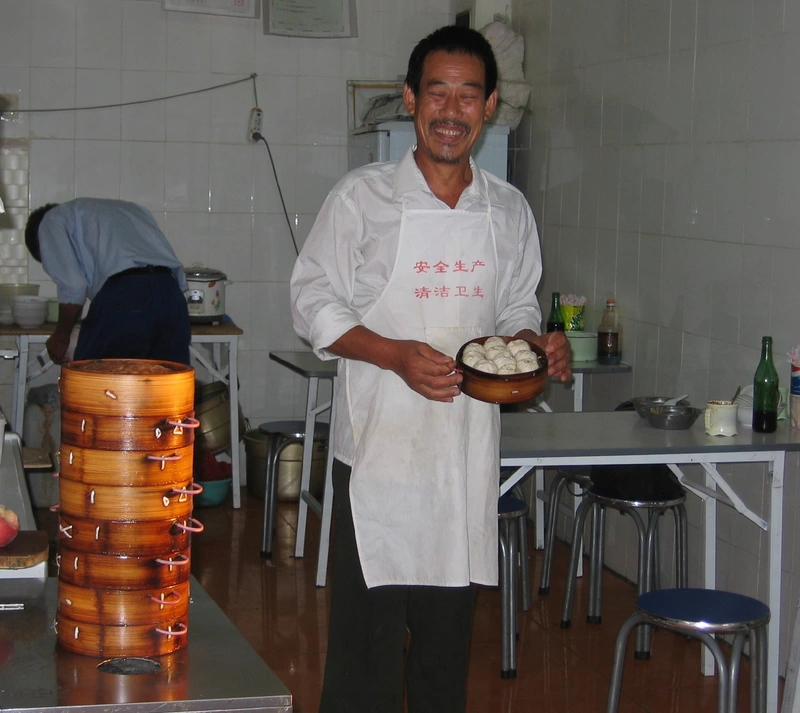
Guides to Beijing baozi, the steamed buns eaten for breakfast or a quick meal, with practical notes on fillings, freshness, ordering, and breakfast-shop habits.
Baozi are steamed filled buns, and in Beijing they are part of everyday breakfast-shop life. They are easy to recognize, easy to share, and often more practical than a sit-down meal. But a good baozi is not just soft dough: the wrapper, filling, steam, and freshness all matter.
This topic collects Beijing baozi guides for visitors who want to order with confidence. It covers common fillings, breakfast-shop habits, freshness signs, and how baozi pair with other morning foods such as soy milk, tofu pudding, millet porridge, tea eggs, and chaogan.
Meat fillings often include pork, beef, or lamb, sometimes with cabbage, scallion, or other vegetables. Vegetarian options may include chive and egg, cabbage, mushroom, or mixed vegetables. A breakfast shop may sell several kinds at once, so ordering by filling is more useful than simply asking for “baozi.”
Use the main baozi guide for ordering basics, then read the filling guide to understand pork, beef, vegetable, and breakfast-shop choices. For a stronger local pairing, read the chaogan-and-baozi guide to see how steamed buns balance garlic-heavy breakfast stew.
Baozi belong to the practical side of Beijing Breakfast. They are filling, affordable, portable, and easy to buy in multiples. That makes them useful for visitors, families, office workers, and anyone who wants a quick meal without learning a complicated ordering system first.
A practical guide to finding chaogan in Beijing, explaining time-honored snack shops, breakfast tim…
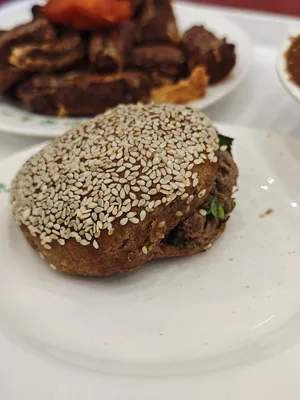
A practical comparison of three Beijing breakfast staples: baked shaobing, griddled jianbing, and s…
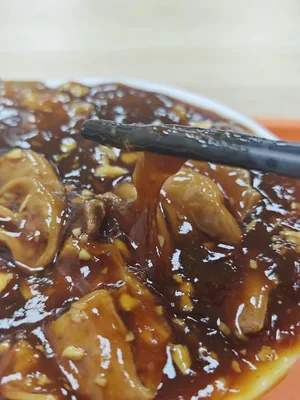
A focused guide to one of Beijing breakfast culture’s most satisfying pairings: thick garlic chaoga…

A practical comparison of Beijing men ding rou bing, baozi, and xianbing, explaining cooking method…
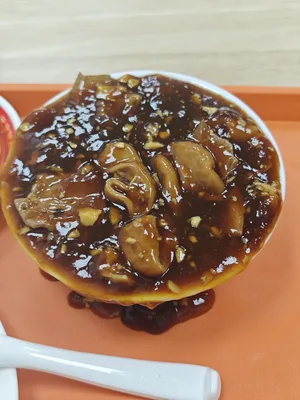
A practical guide to ordering chaogan in Beijing breakfast shops, explaining what to ask for, how t…
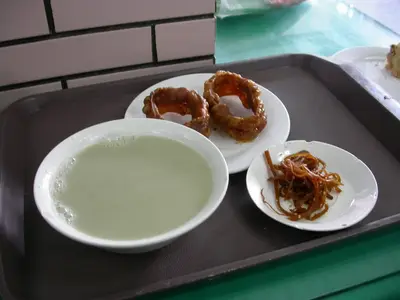
A practical comparison of chaogan and douzhi, explaining taste, texture, pairings, first-timer advi…
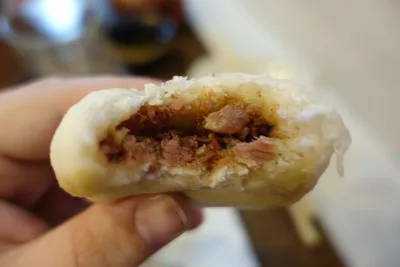
A practical guide to common Beijing baozi fillings, including pork and cabbage, beef, lamb, chive a…
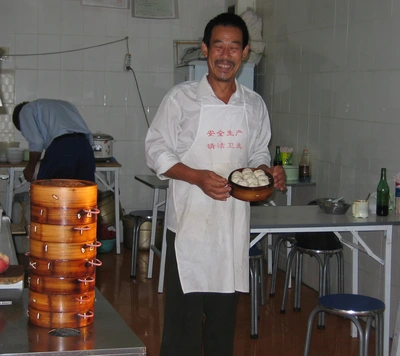
A practical guide to Beijing baozi, covering steamed bun fillings, breakfast-shop routines, how to…