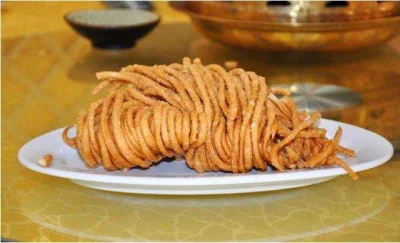
Miancha vs. Youcha in Beijing: Two Sesame Grain Bowls, Compared
Compare Beijing miancha and youcha: millet and sesame paste versus roasted flour, how each bowl tas…
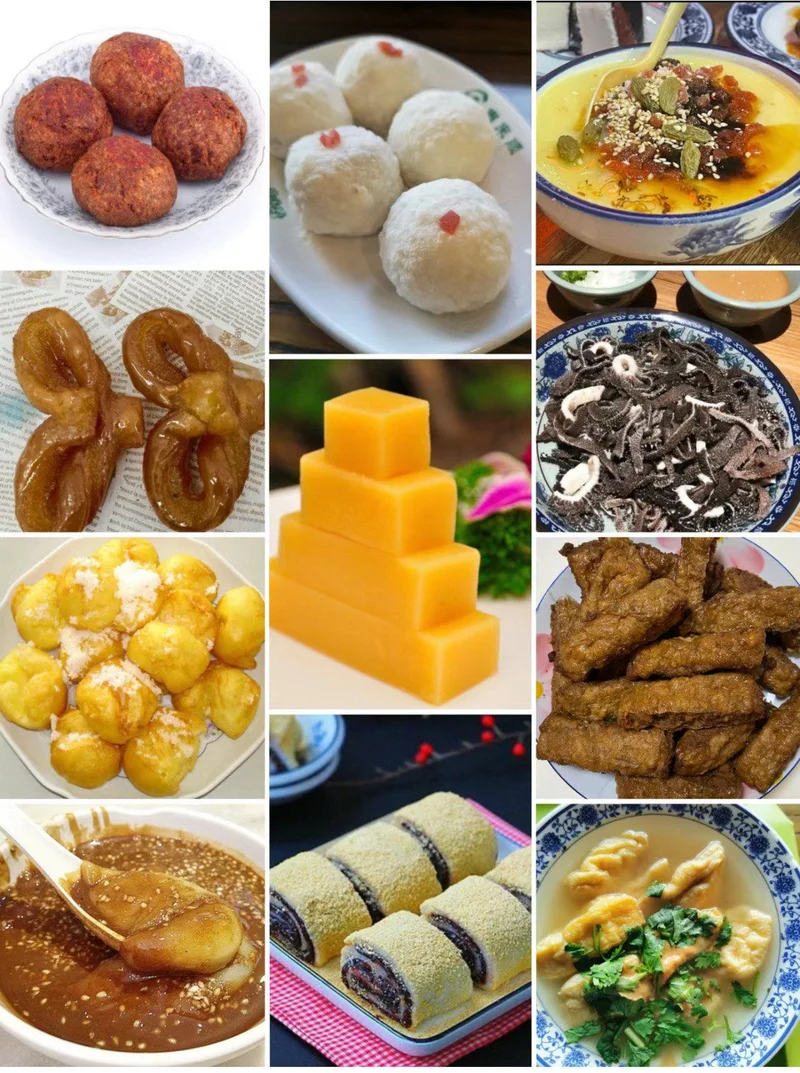
A practical Beijing must-eat hub for first-time visitors, connecting Peking Duck, Zhajiang Noodles, copper-pot hotpot, lamb spine hotpot, sesame sauce, snacks, and everyday local food culture.
This topic is for travelers who want a practical first Beijing food list. It brings together dishes that explain the city's food identity: Peking Duck for a classic restaurant meal, Zhajiang Noodles for everyday local flavor, and hotpot for cold-weather comfort.
The goal is not to chase every viral snack. Focus first on dishes that show Beijing's core patterns: wheat staples, fermented sauces, lamb, sesame paste, scallions, garlic, seasonal vegetables, and shared table meals.
If your time is limited, build a simple route: one roast duck dinner, one noodle lunch, one hotpot meal, and a few snacks or cold dishes around sightseeing stops. This gives more variety than booking several heavy restaurant meals in a row.
Use the connected guides to choose carefully. The Peking Duck articles help you compare restaurants and eating methods; the noodle guides explain sauce and toppings; the hotpot guides explain sesame sauce, lamb, and winter dining habits.
Think in meal types instead of trying to tick off a long checklist. Roast duck works best as a planned dinner, noodles make a good daytime meal, and a snack-shop breakfast is easiest before a morning of sightseeing. Hotpot is filling enough to reserve for a cold evening or a group meal.
Leave room between the heavier dishes. A practical day might pair a simple breakfast with noodles at lunch and duck at dinner, then save hotpot, luzhu, or lamb spine for another day. This approach makes it easier to notice the contrast between crisp wheat foods, savoury sauces, clear broths, and richer braises.
Compare Beijing miancha and youcha: millet and sesame paste versus roasted flour, how each bowl tas…
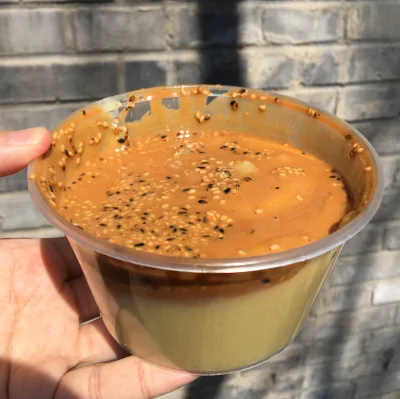
A practical guide to Beijing miancha: its millet-and-sesame structure, the traditional bowl-sipping…
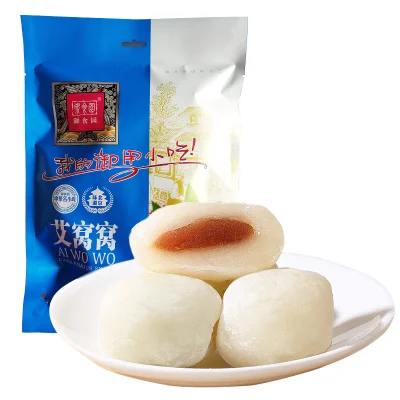
A practical guide to ordering aiwowo in Beijing: what to look for at a snack counter, when a packag…
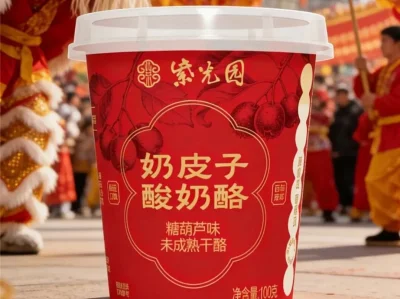
A practical guide to Beijing milk-skin yogurt: its richer dairy texture, what to look for at the co…
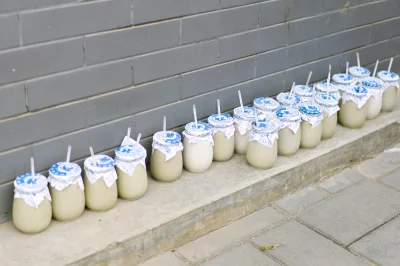
A practical guide to old Beijing yogurt: porcelain jars, gentle tang, milk-skin variations, returna…
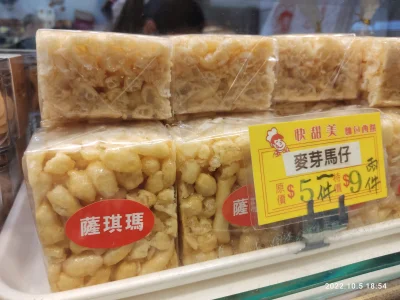
A culture-focused guide to Beijing saqima: its Manchu pastry roots, place in traditional bobo shops…
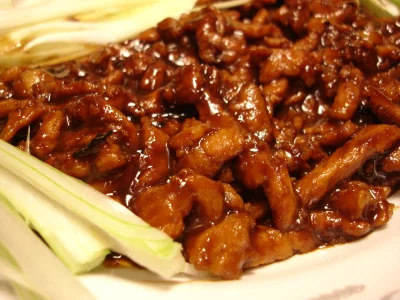
A focused guide to Jing Jiang Rou Si: how sweet bean sauce should coat the pork, why tofu skin and…
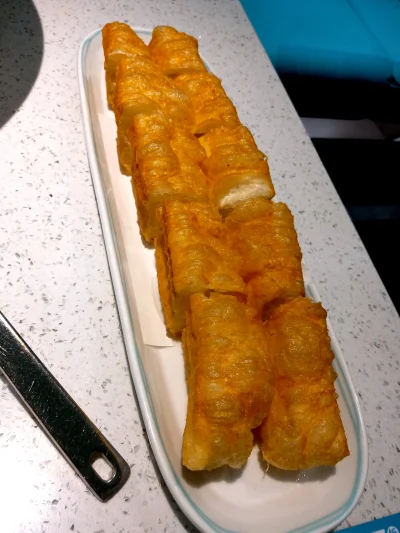
A process-focused guide to youtiao: why two dough strips are pressed together, how frying creates i…
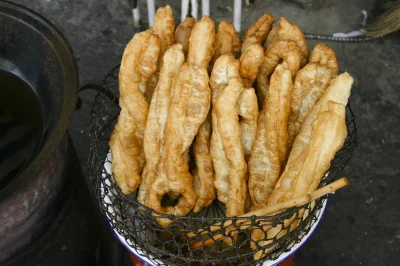
A practical guide to youtiao in Beijing: fresh fried dough texture, soy milk and breakfast-bowl pai…
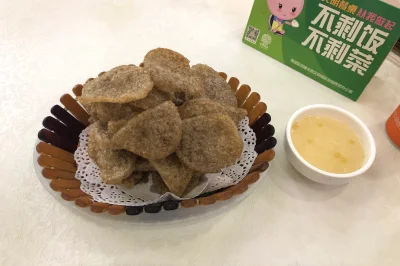
A practical guide to fried guanchang in Beijing: starch slices, crisp pan-fried edges, garlic water…
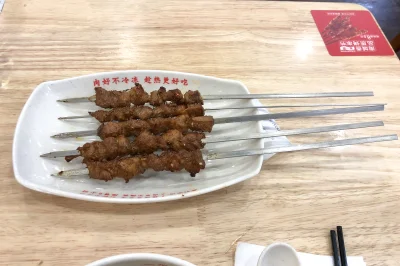
A practical guide to Beijing chuanr seasoning: how cumin, chili, salt, lamb fat, and grill heat sha…
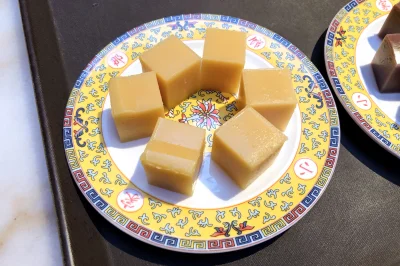
A practical comparison of Beijing wandouhuang and yundoujuan, covering yellow pea cake, white kidne…