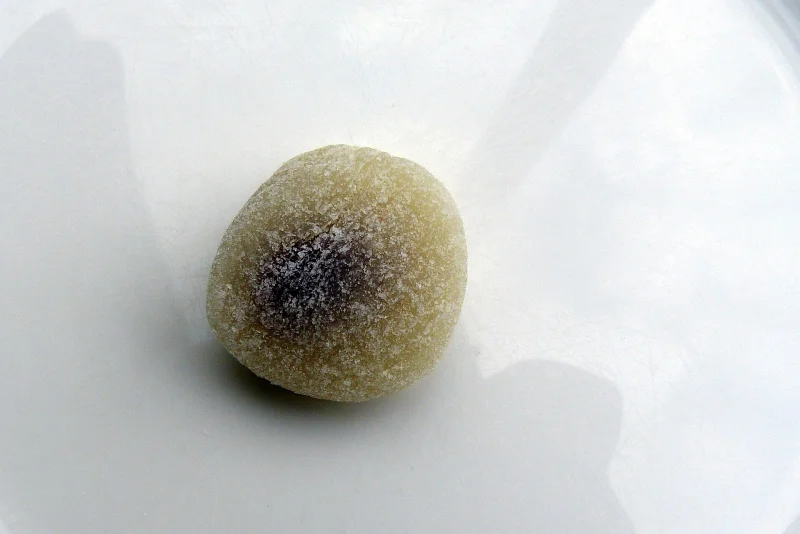
Aiwowo, also written as ai wo wo, is one of Beijing’s quietest pleasures: a cool, pale glutinous-rice snack with a soft, slightly springy exterior and a sweet filling tucked inside. It is not a dumpling, not a bun, and not quite a dessert in the restaurant sense. Think of it as a small, gently sweet pause between richer Beijing snacks.
Dish Photos
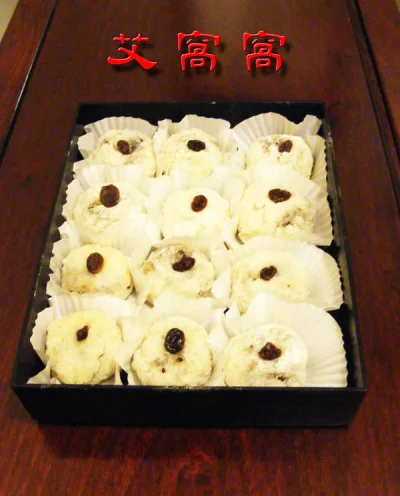
What Aiwowo is
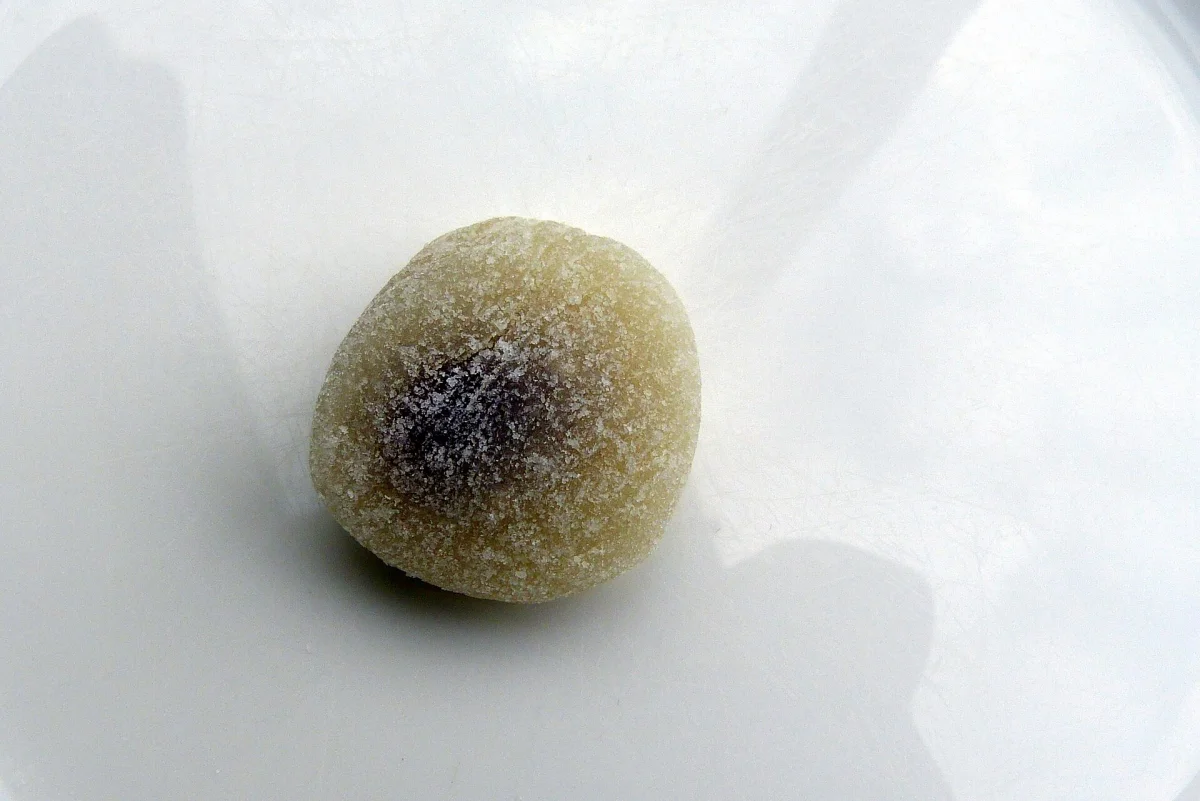
Beijing Tourism describes Aiwowo as a halal-style snack made with glutinous rice: white, round, soft, and sweet. The historic description behind the snack is useful because it explains the shape as well as the filling: rice is formed around a sweet centre rather than simply served as a flat cake. Today, shop recipes vary, so the most reliable rule is to read the counter label rather than assume every white ball has the same filling.
The exterior should feel soft and cohesive, with enough chew to hold the filling but without the elastic bounce of Japanese mochi. Aiwowo is generally served cool or at room temperature, which makes its mild sweetness feel especially different from hot, fried Beijing snacks.
Fillings and texture: what changes from shop to shop
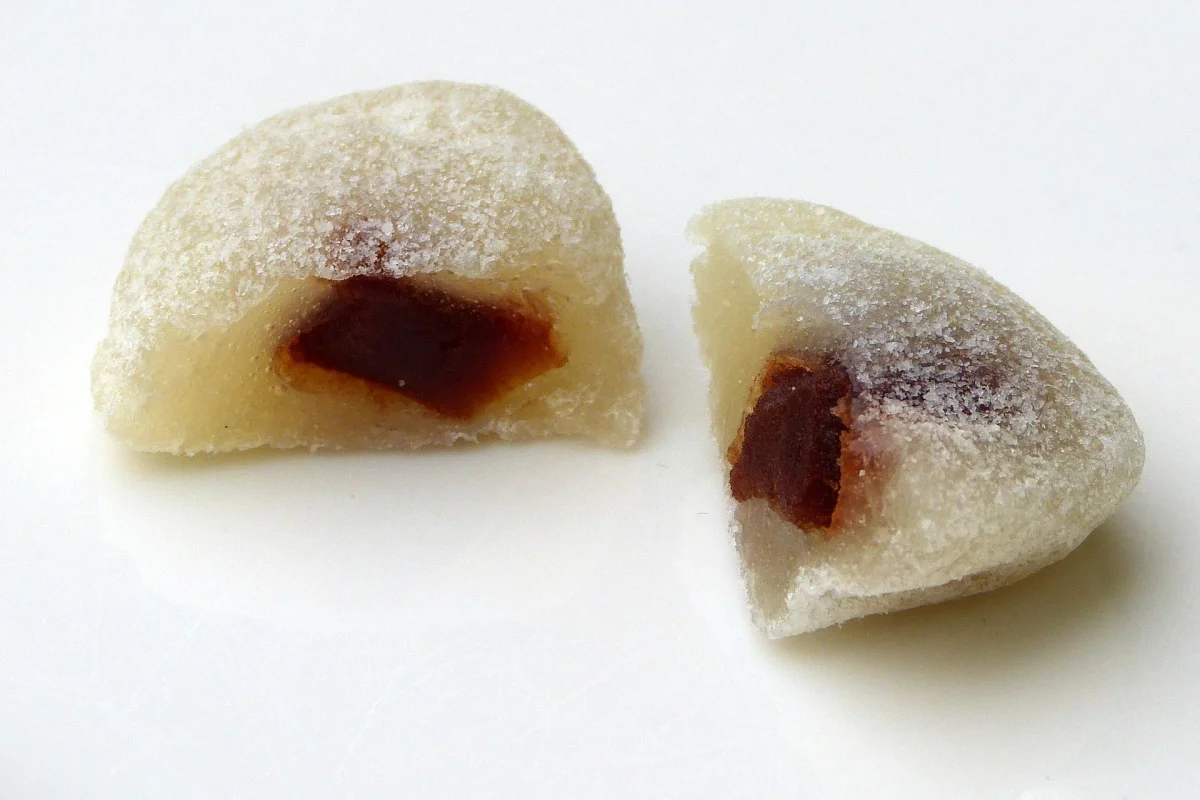
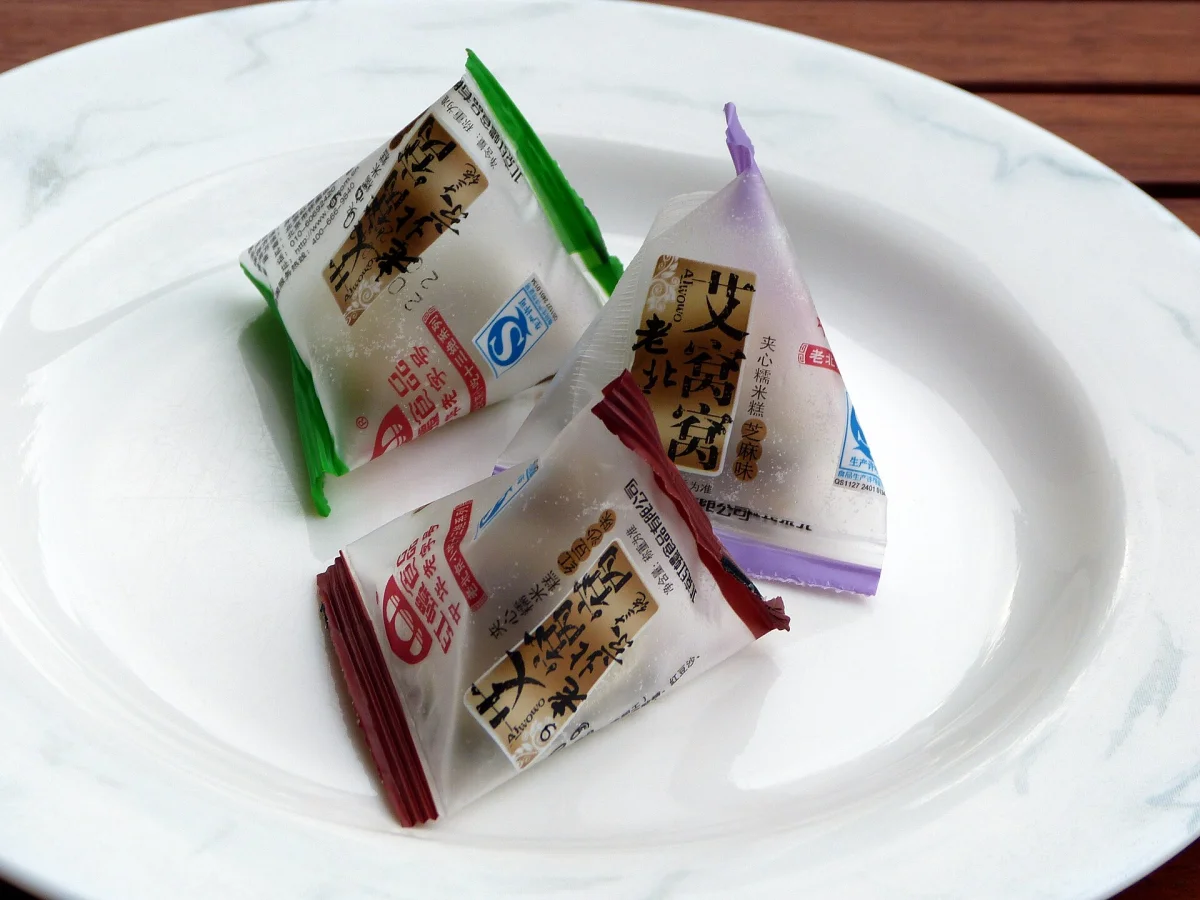
Sesame is central to the traditional description, while modern counters may offer fruit, bean, nut, or mixed sweet fillings. The photographs in this guide show a dark red filling, but that is a particular variation rather than a universal recipe. A good first order is one plain-looking piece and one labelled filling, so the rice wrapper and the centre can be tasted separately.
Look for a clean, pale exterior and a filling that stays contained when the snack is cut. Powder on the outside is normal in some versions; it should not disguise a dry or cracked rice layer. Because this is a soft snack, it is best eaten on the day of purchase rather than treated as a long-keeping souvenir.
Why it is a seasonal Beijing snack
Traditionally, Aiwowo appeared around the Lunar New Year and remained available through late summer or early autumn. Beijing Tourism notes that it is now sold year-round, but the older season still helps explain its character: it is cool, soft, and light enough for warmer months, yet associated with the city’s traditional sweet-snack counters.
That seasonal rhythm also separates it from tanghulu, whose appeal is a crisp sugar shell and tart fruit. Aiwowo is quieter and softer, so it works better after a savory snack or alongside tea than as a crunchy street-food treat.
Aiwowo and lvdagun are not the same snack
They are often grouped together because both are sweet Beijing favourites, but they are easy to tell apart. Aiwowo is usually white and smooth, with the glutinous-rice exterior on display. Lvdagun is rolled in yellow soybean flour, giving it a dusty golden surface and a very different aroma. If a counter has both, choose Aiwowo for a clean rice texture and lvdagun for roasted soybean fragrance.
How to order Aiwowo in Beijing
- Buy a small selection: one or two pieces are enough to understand the texture before adding other sweets.
- Ask about the filling: recipes and labels vary more than the exterior suggests.
- Pair it thoughtfully: it is better after a savory snack, or with plain tea, than alongside several rich sweet items at once.
- Use it as part of a snack counter visit: established Beijing snack shops often sell it beside other traditional items; the broader Beijing food culture guide gives useful context for that style of ordering.
Where it fits in Beijing food culture
Aiwowo is a useful reminder that Beijing food is not only roast duck, noodles, and hearty breakfast bowls. Beijing tourism coverage groups it with traditional snack-shop staples, and accounts of local food culture place it among the city’s historic sweet offerings. Its halal snack heritage and restrained sweetness make it a good counterpoint to stronger flavours such as quick-fried tripe or savory noodle dishes.
References
- Beijing Tourism: Aiwowo
- Beijing Tourism: Time-Honored Beijing Snack Shops
- Guangming Daily: Notes on Beijing Snacks
Photo credits
- Aiwowo Hongluo, Wikimedia Commons, CC BY-SA 3.0.
- Aiwowo Hongluo Cutted, Wikimedia Commons, CC BY-SA 3.0.
- Aiwowo Hongluo Package, Wikimedia Commons, CC BY-SA 3.0.
- Aiwowo 01, Wikimedia Commons, CC BY-SA 3.0.
Comments (0)