This guide explains what to add and when. For the main hotpot styles, compare instant-boiled mutton with lamb spine hotpot. For the dipping bowl, use the Beijing hotpot dipping sauce guide.
The Rule: Meat First, Then Side Dishes
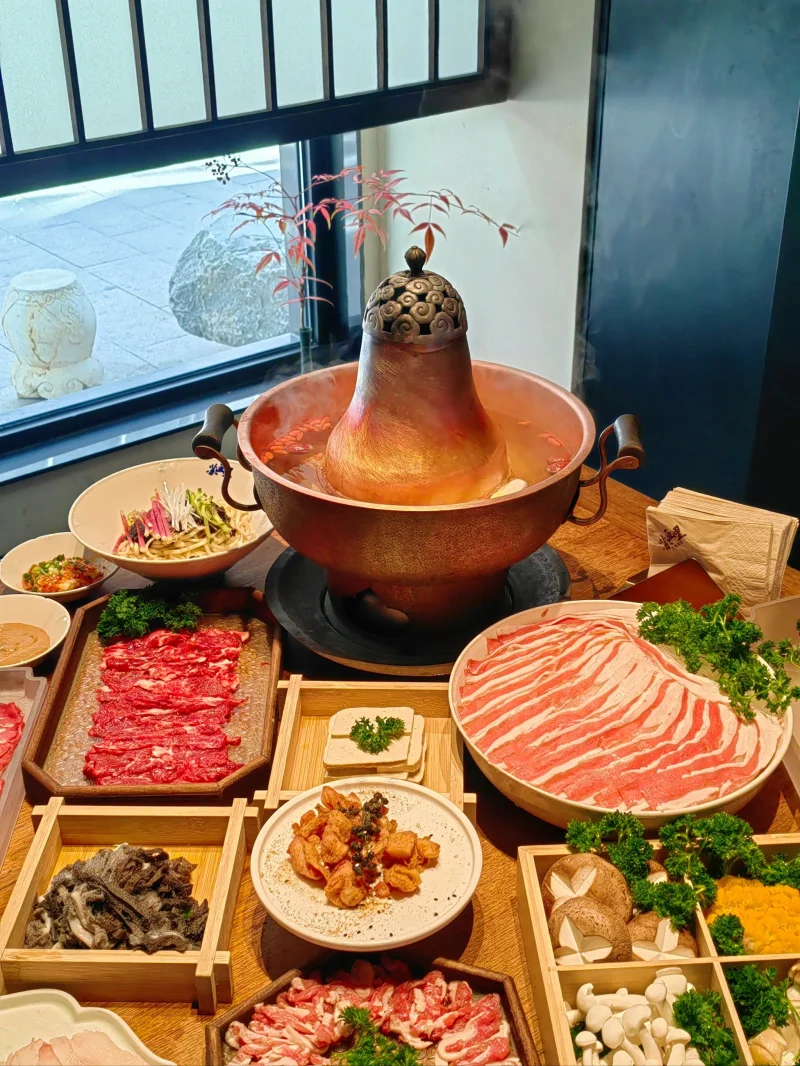
In Beijing-style lamb hotpot, especially clear-broth shuan yangrou, side dishes should not take over the pot too early. Thin lamb slices cook quickly and taste cleanest when the broth is still clear. If you add potatoes, tofu, mushrooms, cabbage, and noodles at the start, the broth becomes crowded before the main ingredient has a chance to shine.
A better sequence is simple: cook some lamb first, eat it with sesame sauce, then add lighter vegetables, then tofu and mushrooms, and save starches or noodles for later. This keeps the meal from turning muddy.
Tofu: The Most Useful Side Dish
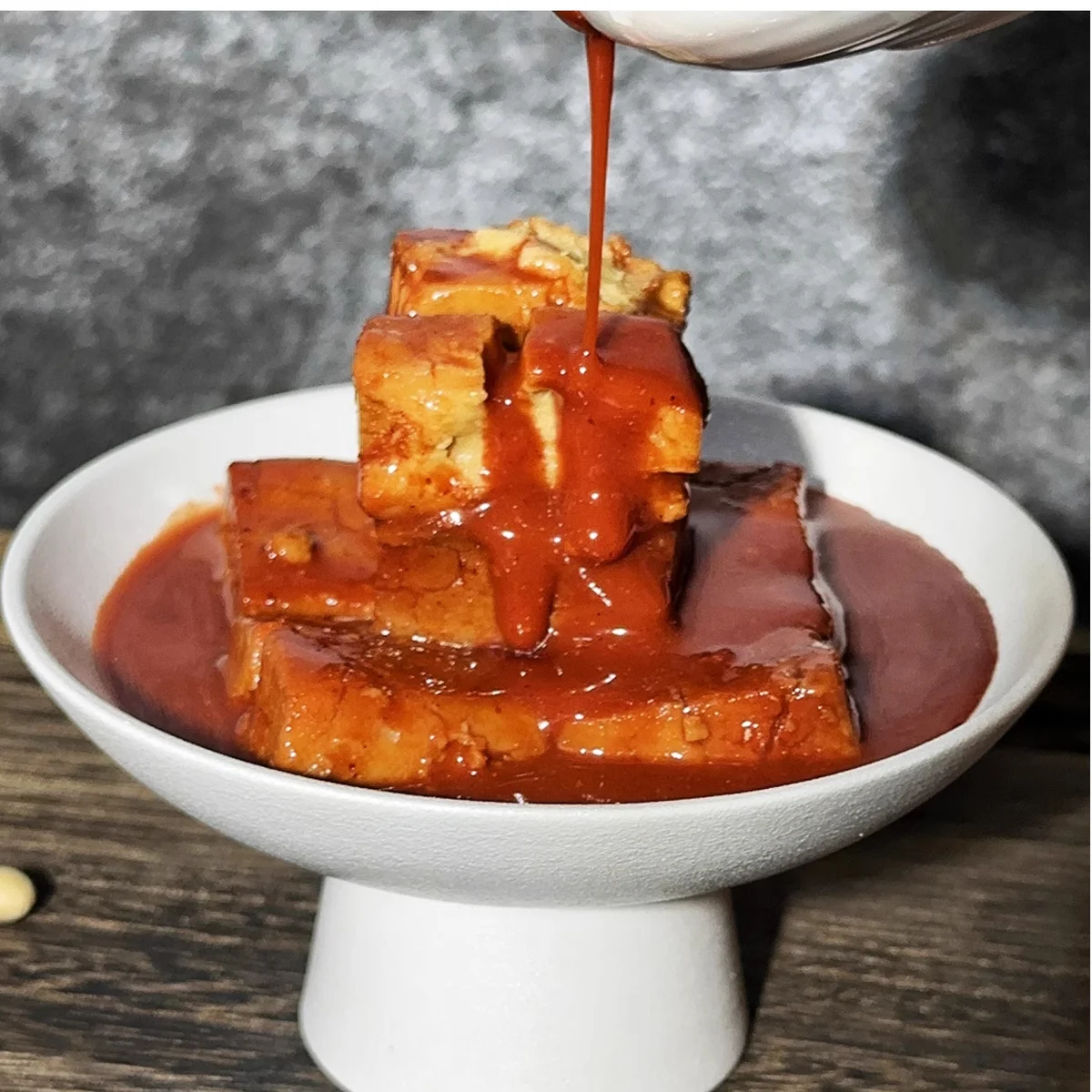
Tofu is one of the safest hotpot additions because it absorbs flavor without overwhelming the broth. Soft tofu gives a gentle texture, while firm tofu holds together better in a busy pot. Frozen tofu is especially useful because its sponge-like texture soaks up broth and sauce.
In clear-broth hotpot, tofu should be added after the first round of lamb. In lamb spine hotpot, tofu can go in a little earlier because the broth is already richer. Let it warm through, but do not stir aggressively or it will break apart.
Leafy Greens: Add Late
Leafy greens bring freshness, but they collapse quickly. Add them late, after the meat and sturdier vegetables. If greens sit too long, they darken, release water, and make the broth taste flat.
For Beijing hotpot, greens are best used as a reset between richer bites. Dip cooked greens lightly into sesame sauce rather than burying them under too much condiment. Their job is to clean up the meal, not compete with the lamb.
Cabbage and Chinese Cabbage
Cabbage is more durable than leafy greens and works well in both copper-pot mutton and lamb spine hotpot. It adds sweetness as it cooks and helps soften a stronger broth. Chinese cabbage is especially practical because the thicker white stems can simmer while the leafy parts cook faster.
Add cabbage in the middle of the meal. It needs time to soften, but adding it too early can make the pot watery. In spicy lamb spine broth, cabbage can be one of the best vegetables because it absorbs oil and spice without becoming heavy.
Mushrooms: Flavor Boosters
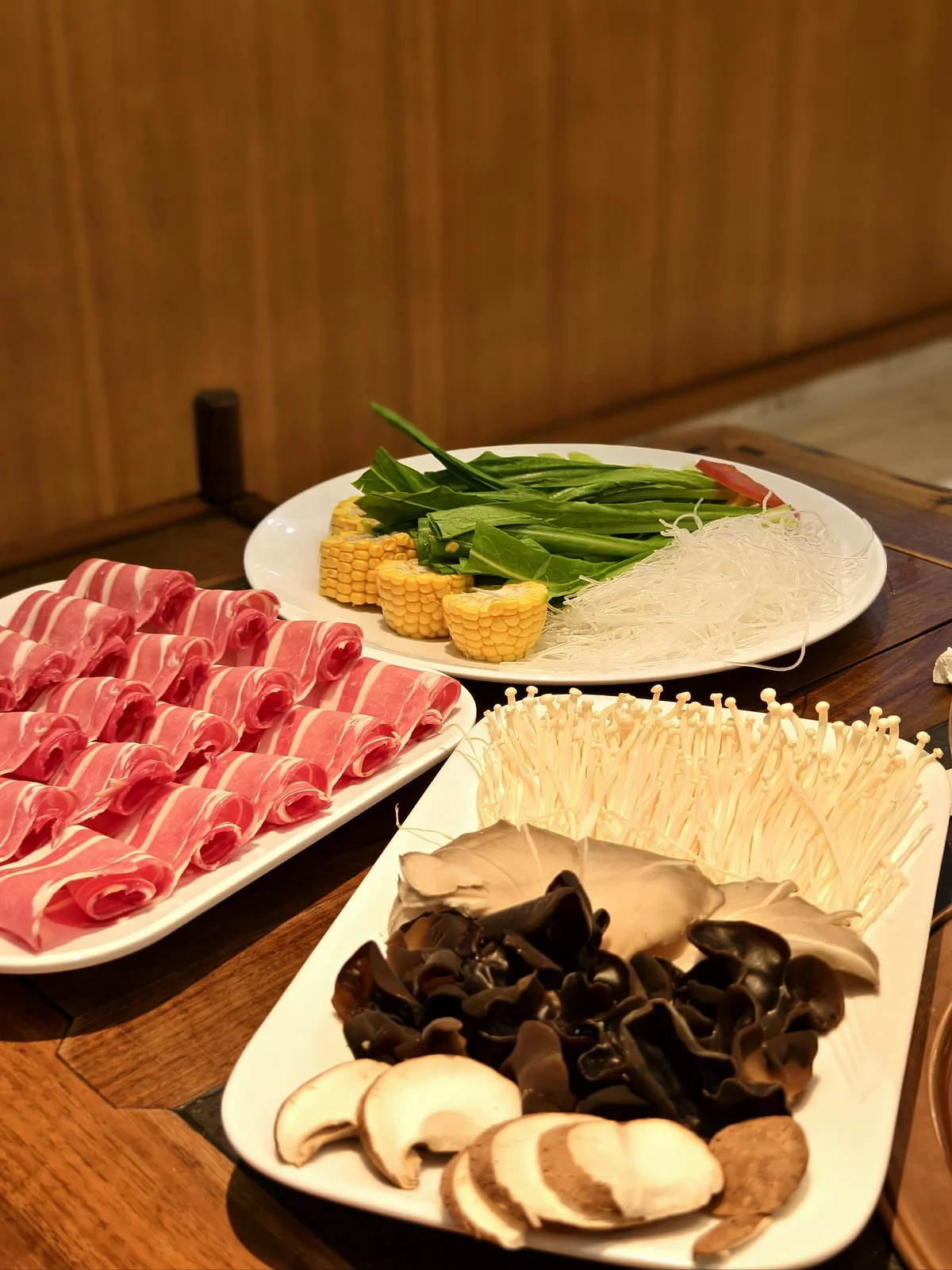
Mushrooms add aroma and umami. Enoki cooks quickly and should be watched closely; wood ear adds crunch; shiitake or other thicker mushrooms need more time. In a clear broth, mushrooms can deepen the pot, but too many at once can shift the flavor away from lamb.
Use mushrooms as a second-stage addition. After the first lamb round, add a modest portion and let the broth pick up their fragrance. If the table orders many mushroom types, add them gradually rather than all at once.
Potatoes and Root Vegetables
Potatoes, sweet potatoes, and similar root vegetables are filling and comforting, but they also thicken the feeling of the meal. In a lamb spine hotpot, potato can work well because the broth is already stew-like. In clear copper-pot mutton, use it carefully.
Slice thickness matters. Thin slices cook faster and stay cleaner; thick chunks may need a long simmer and can break down into the broth. Add them after the main lamb round, not at the beginning.
Wide Noodles, Vermicelli, and the End of the Pot
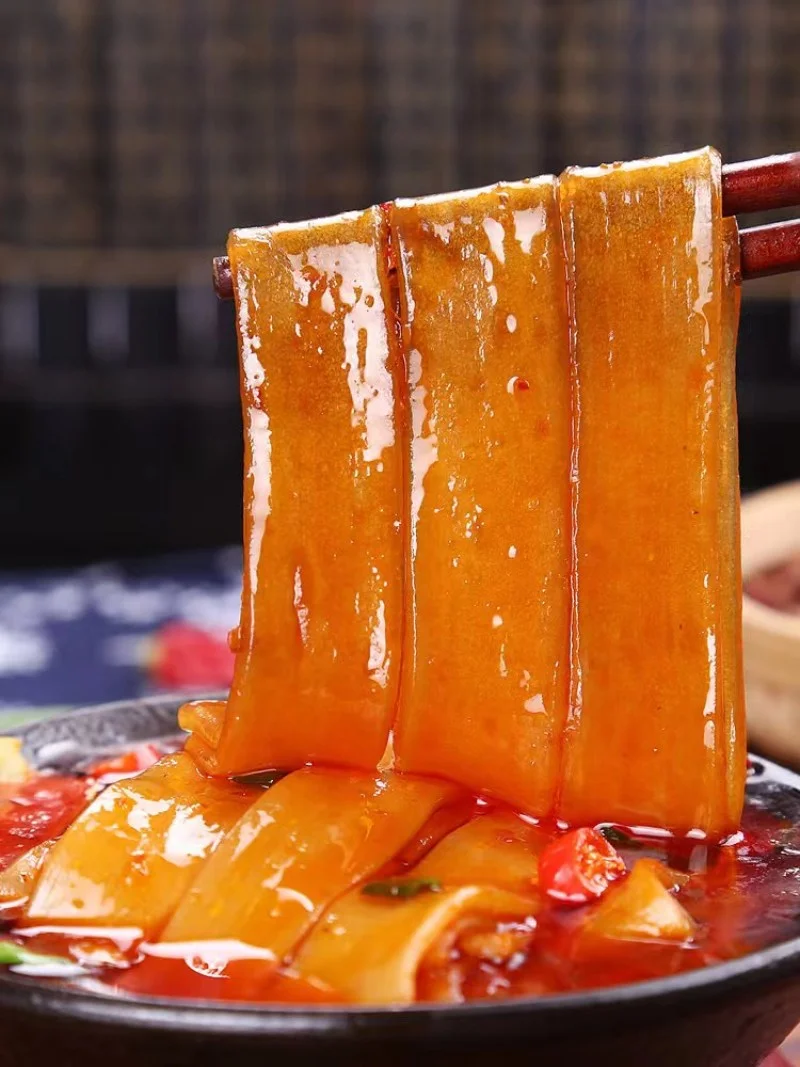
Noodles are usually best near the end. Wide kuanfen, vermicelli, or other starches absorb broth, sauce, and fat. That is satisfying, but it also changes the pot quickly. If noodles go in too early, they can cloud the broth and make later ingredients taste starchy.
In lamb spine hotpot, noodles are often one of the best final additions because they collect the concentrated broth left after the bones, tofu, cabbage, and mushrooms have done their work. In clear shuan yangrou, keep the noodle portion modest if you still want the lamb flavor to stay clean.
Cold Dishes Still Matter
Not every side belongs inside the pot. Cold dishes such as smashed cucumber, cold jelly noodles, or small pickles can make the meal more balanced. They cool the palate, cut lamb fat, and give the table something to eat while the pot returns to a boil.
For lamb spine hotpot, cold starters are especially useful because the main dish is rich and hands-on. A crisp cold dish makes the meal feel less heavy.
How Side Dishes Work With Sesame Sauce
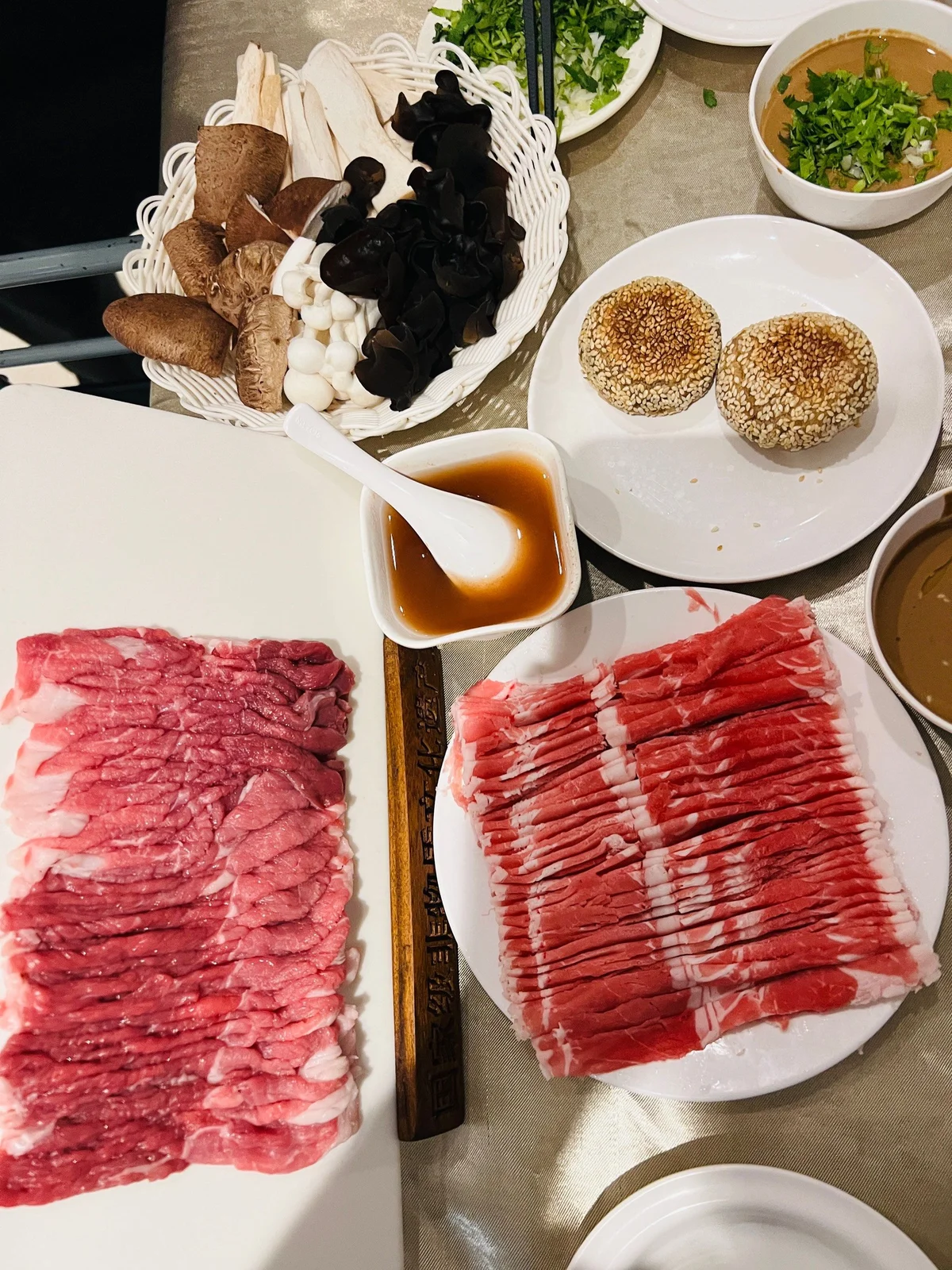
Beijing hotpot sauce is usually built around sesame paste, often with fermented tofu, leek flower sauce, scallion, cilantro, garlic, chili oil, or vinegar. That sauce is excellent with lamb, tofu, mushrooms, and noodles. It can be too heavy for delicate greens if you use too much.
Adjust the dip by ingredient. Lamb can handle a full sesame sauce. Greens may need only a light touch. Tofu benefits from a thicker dip because its flavor is mild. Noodles can become heavy quickly, so mix them with sauce in small bites rather than coating the whole portion.
What Locals Often Add
A balanced Beijing hotpot order often includes lamb first, then tofu or frozen tofu, cabbage, mushrooms, one leafy green, and a starch for the end. In lamb spine hotpot, diners may add potatoes, wide noodles, tofu, and vegetables after eating some bone-in lamb. In clear copper-pot mutton, the side dishes are usually more restrained.
The point is not to order every possible item. The point is to keep the pot useful. Each addition should either refresh the meal, absorb broth, add texture, or help finish the final stage.
Common Mistakes
The first mistake is adding everything at once. This cools the pot, slows the meal, and blurs the flavor. The second is adding noodles too early. The third is treating vegetables as decoration rather than timing-sensitive ingredients.
Another common mistake is using the same amount of sesame sauce for every bite. Beijing hotpot becomes more interesting when the dipping bowl changes with the ingredient. Lamb, tofu, greens, and noodles do not need the same sauce load.
Bottom Line
Beijing hotpot side dishes are not filler. They shape the pace of the meal. Eat lamb while the broth is clean, add tofu and mushrooms when the pot is ready for depth, use greens for freshness, and save noodles for the end. That sequence keeps the hotpot focused, balanced, and closer to how the meal is meant to work.
Comments (0)