Youtiao in Beijing: Breakfast Pairings, Freshness, and How to Order
A practical guide to youtiao in Beijing: fresh fried dough texture, soy milk and breakfast-bowl pairings, ordering cues, and how it differs from jiaoquan.
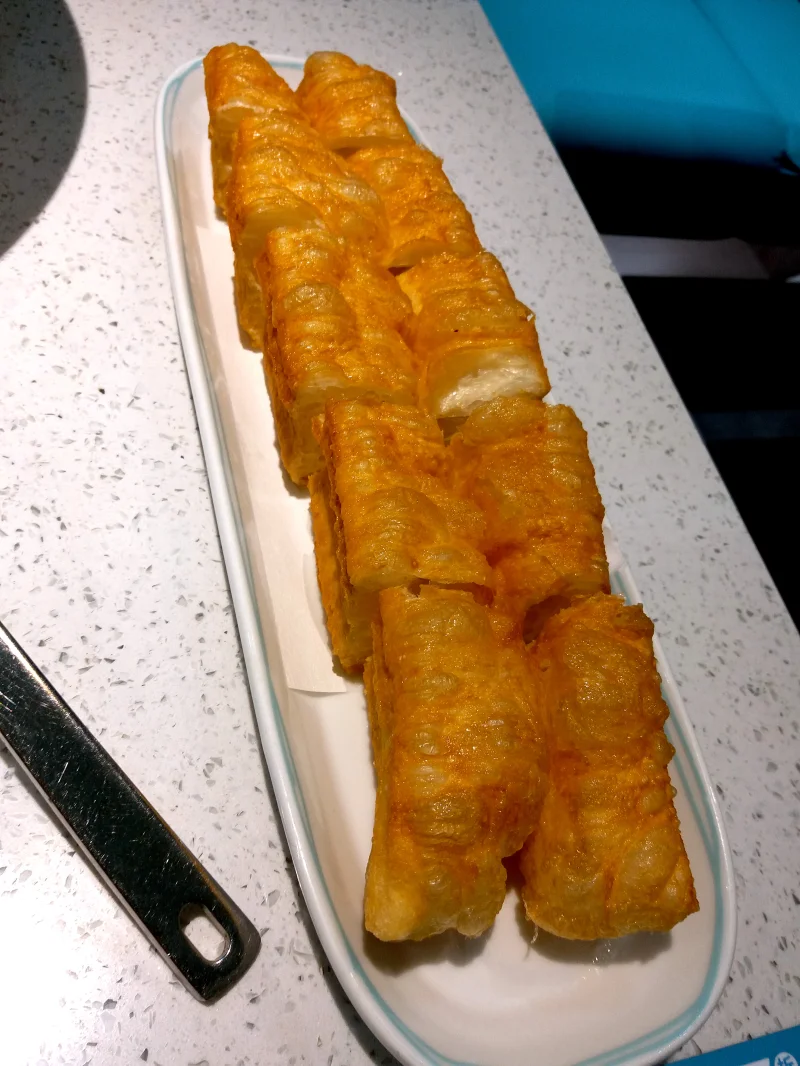
A process-focused guide to youtiao: why two dough strips are pressed together, how frying creates its hollow texture, and what fresh batches change at breakfast.
Youtiao is often described simply as a fried dough stick, but its familiar shape is part of the point. A good stick is usually made from two lengths of dough pressed together down the centre before frying. In the hot oil, the joined strips expand, the middle opens, and the outside turns golden. That is why a fresh youtiao can be crisp at the surface yet light and layered when torn apart.
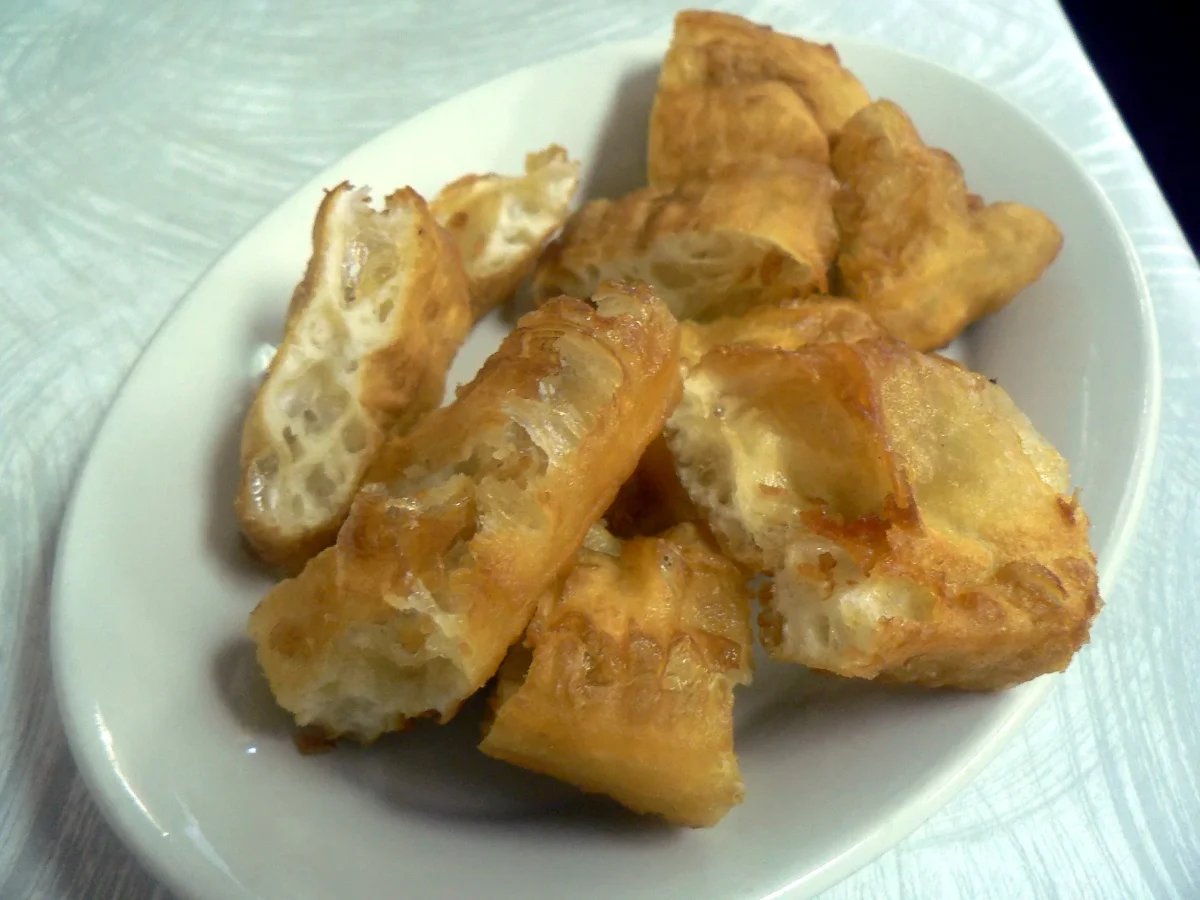
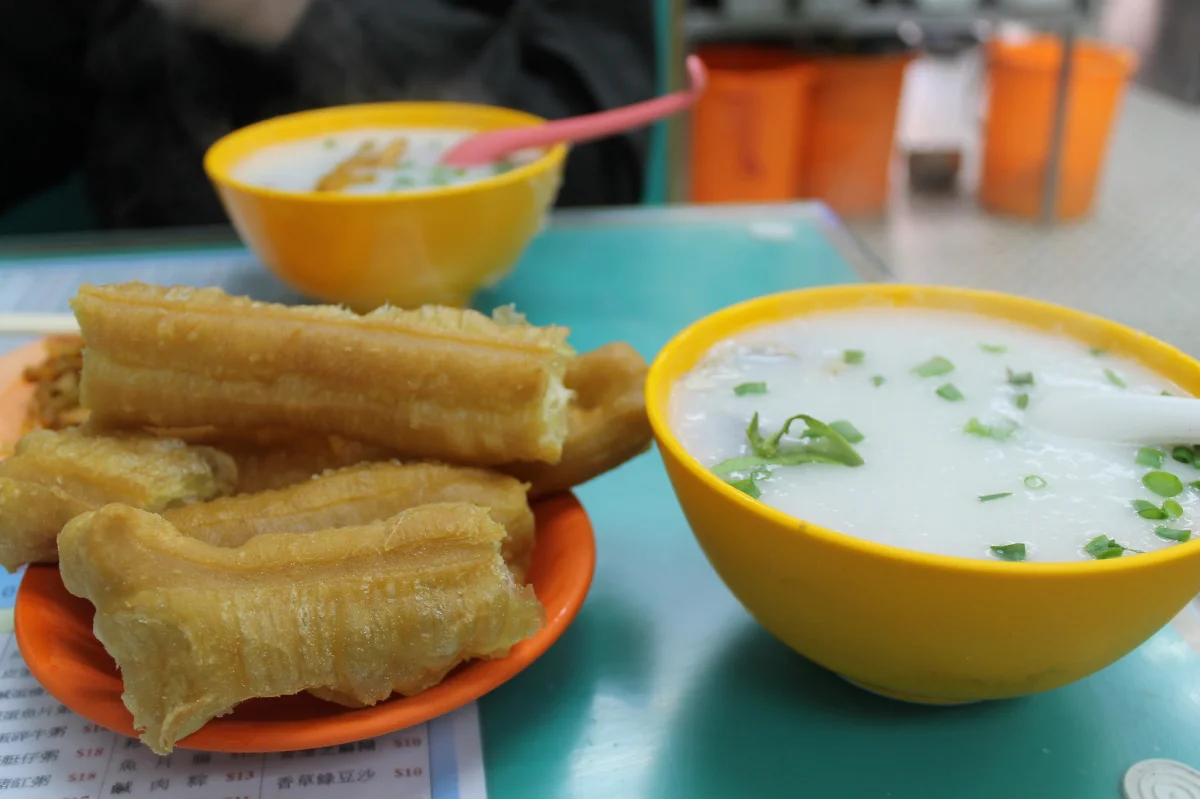
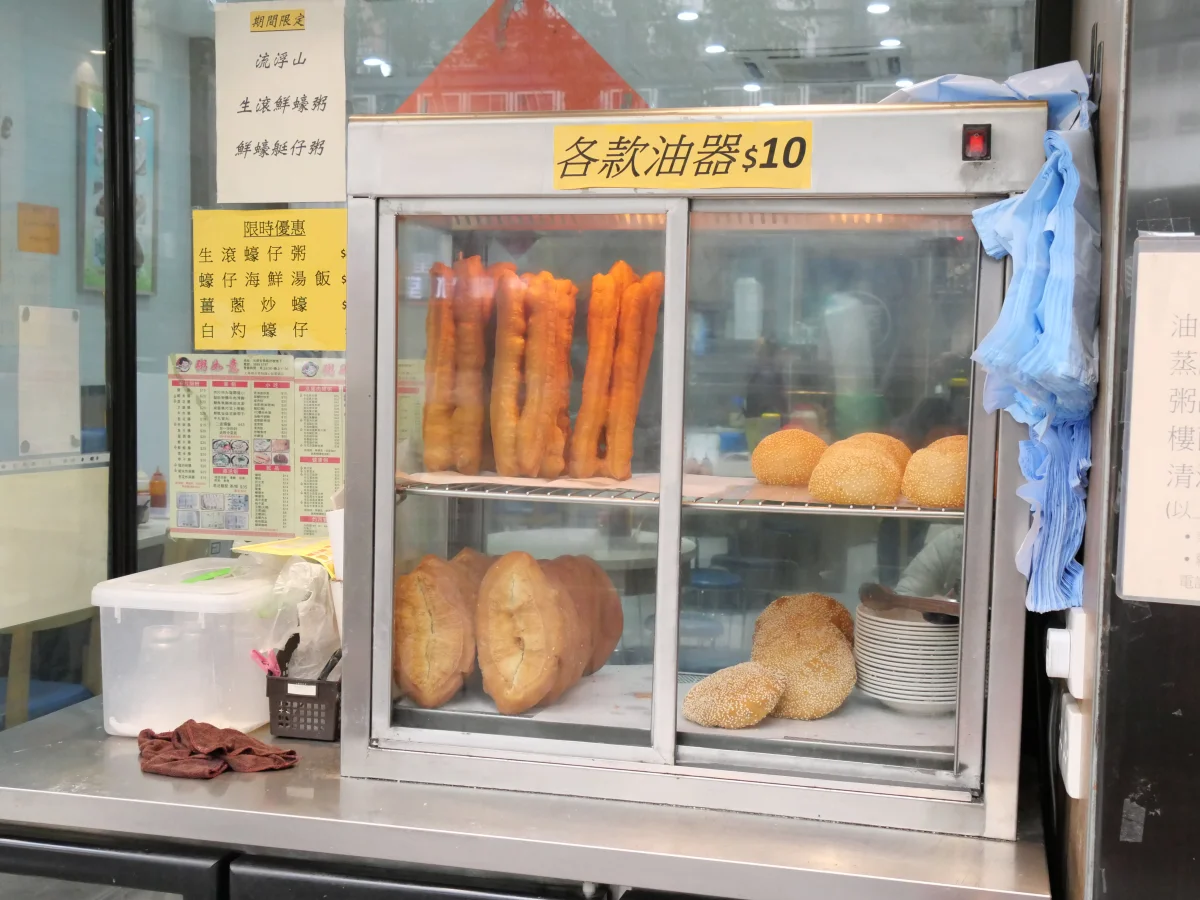
This guide focuses on the construction and frying logic behind the food, rather than repeating a restaurant list. In Beijing, youtiao is commonly part of a quick morning meal. Understanding how the dough is joined and fried makes it easier to recognize why a fresh batch feels so different from one that has sat for a while.
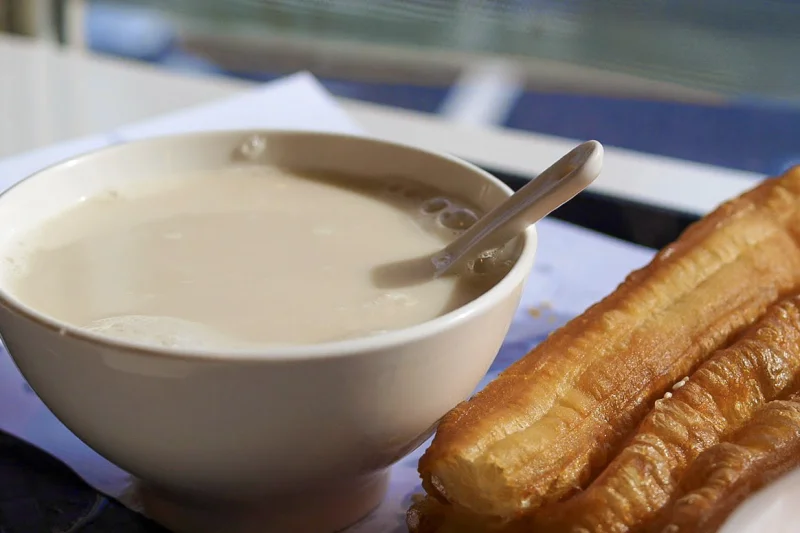
The most recognizable youtiao has a seam running along its length. It comes from placing two dough strips together and pressing them in the middle before they enter the oil. As the dough cooks, steam and expansion push the joined pieces outward while the centre remains attached. The result is a long stick with two rounded sides that can be separated by hand.
Recipes and proportions differ from shop to shop, so there is no single mandatory size or exact level of salt. What matters for the eating experience is the contrast created by the form: a browned outer layer, a softer interior, and a natural line for tearing off a piece. Beijing Tourism also describes youtiao as a breakfast food normally eaten with soy milk or congee, which explains why its shape is designed to be shared, dipped, or torn rather than sliced with a knife.
Frying does more than brown the outside. When a prepared strip enters sufficiently hot oil, moisture in the dough turns to steam and expands its structure. The exterior sets first, while the inside develops pockets and a soft chew. This is why a newly fried youtiao should feel lighter than it looks. A dense centre, a greasy surface, or a hard shell can signal that the batch has cooled, absorbed too much oil, or simply has a different shop style.
There is no need to judge every stick by identical colour. The more useful question is whether the colour is even and whether the outside still has a dry-looking, delicate crust. A batch that is held for a long time loses the contrast that makes youtiao distinctive: the surface softens while the interior becomes less airy.
Freshness is not only about temperature. It is about structure. The first few minutes after frying are when the outside is most crisp and the centre is still buoyant. That is also why busy breakfast counters can be appealing: frequent small batches are more likely to reach the customer close to the frying time. It is a practical clue, not a guarantee of quality.
The process helps explain the pairing. Soy milk, congee, and savory tofu pudding are soft and warm; youtiao contributes a crisp, torn texture that can be eaten dry or dipped a piece at a time. The earlier Beijing youtiao breakfast guide covers those pairings and ordering cues in detail. Here, the key idea is simpler: the same hollow, joined shape that develops in the oil is what lets the stick work beside a bowl without becoming a heavy side dish.
It is also useful not to confuse youtiao with the thin, brittle fried ring known as jiaoquan. Jiaoquan is valued for a dry snap; youtiao is thicker, softer inside, and built to tear or dip. For the side-by-side distinction, see Jiaoquan vs. Youtiao. Both belong to a Beijing breakfast conversation, but they are made to deliver different textures.
If you are ordering in Chinese, yi gen youtiao means one youtiao. If a counter is actively frying, you gang zha hao de ma? asks whether there is a freshly fried one. Use it as a polite preference, not an expectation that a new batch must be made for a single order. The most natural approach is to add youtiao to a meal that is already being served hot, then eat it while the crust still has contrast.
Food context: Beijing Tourism: Youtiao; Beijing Tourism: community breakfast stalls.
Photos: Chinese fried bread, CC BY-SA 2.0; Connie Ma, CC BY-SA 2.0; Peachyeung316, CC BY-SA 4.0; Fumikas Sagisavas, CC0; Pauloleong2002, CC BY-SA 4.0; KQuhen, CC BY-SA 4.0.
Comments (0)