Beijing Jiaoquan Guide: The Crispy Fried Ring Paired With Douzhi
A practical guide to Beijing jiaoquan, the crispy fried ring paired with douzhi, covering texture, taste, ordering tips, snack-shop culture, and how it differs from youtiao.
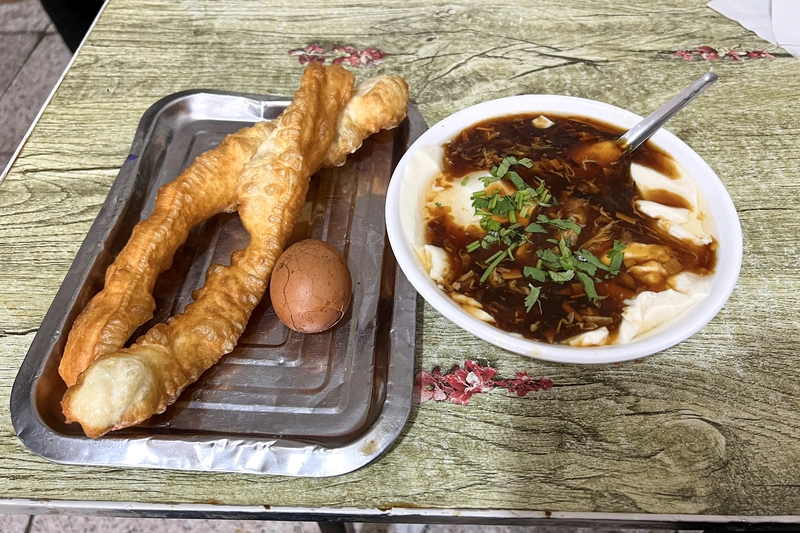
A practical comparison of Beijing jiaoquan and youtiao, explaining shape, texture, taste, breakfast pairings, how each is eaten, and why jiaoquan belongs so closely with douzhi.
Jiaoquan and youtiao are both fried wheat snacks, both appear at breakfast, and both can be eaten with bowls of hot or warm local food. That is why visitors often group them together. In Beijing, however, they do different jobs at the table.
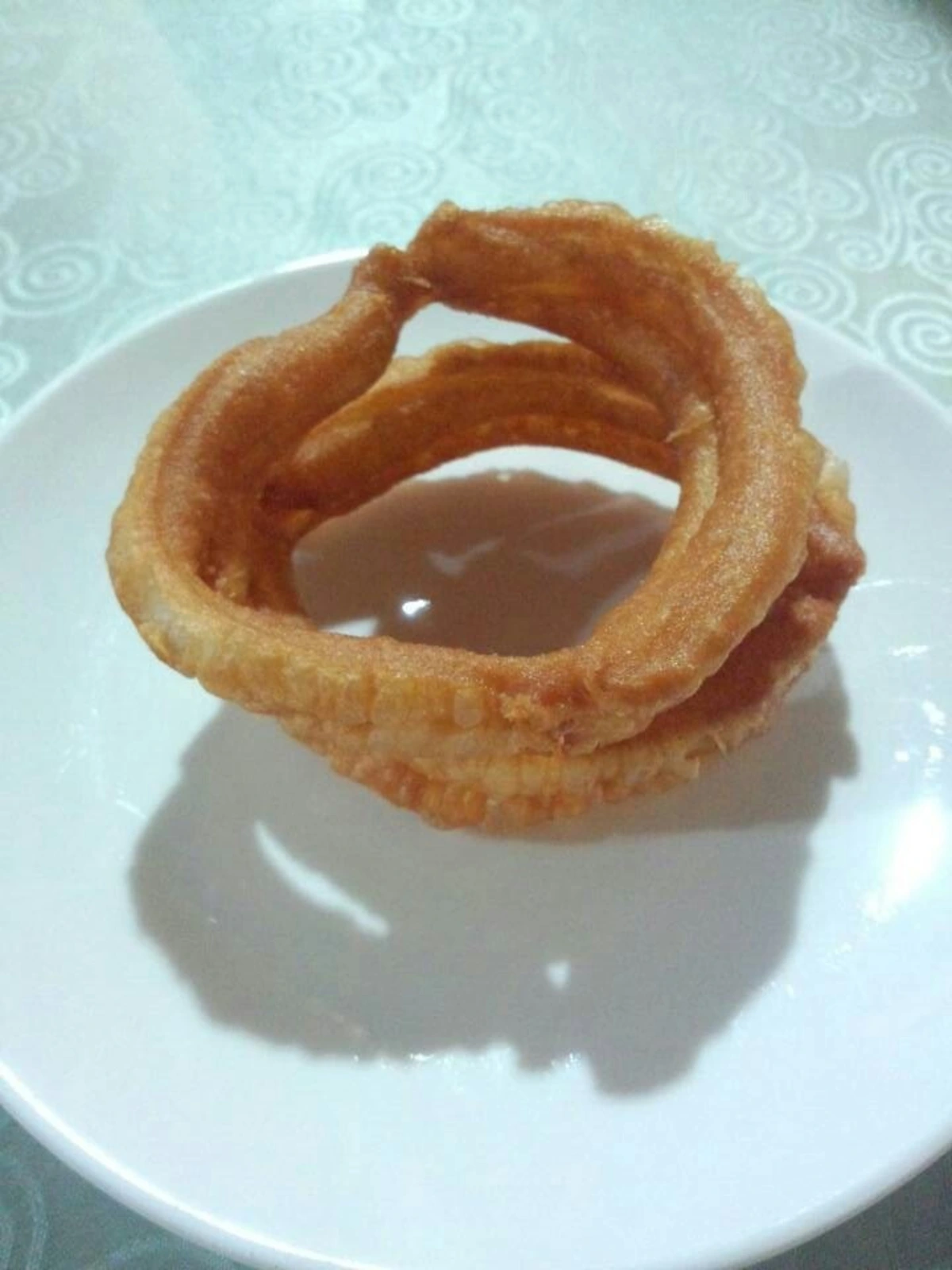
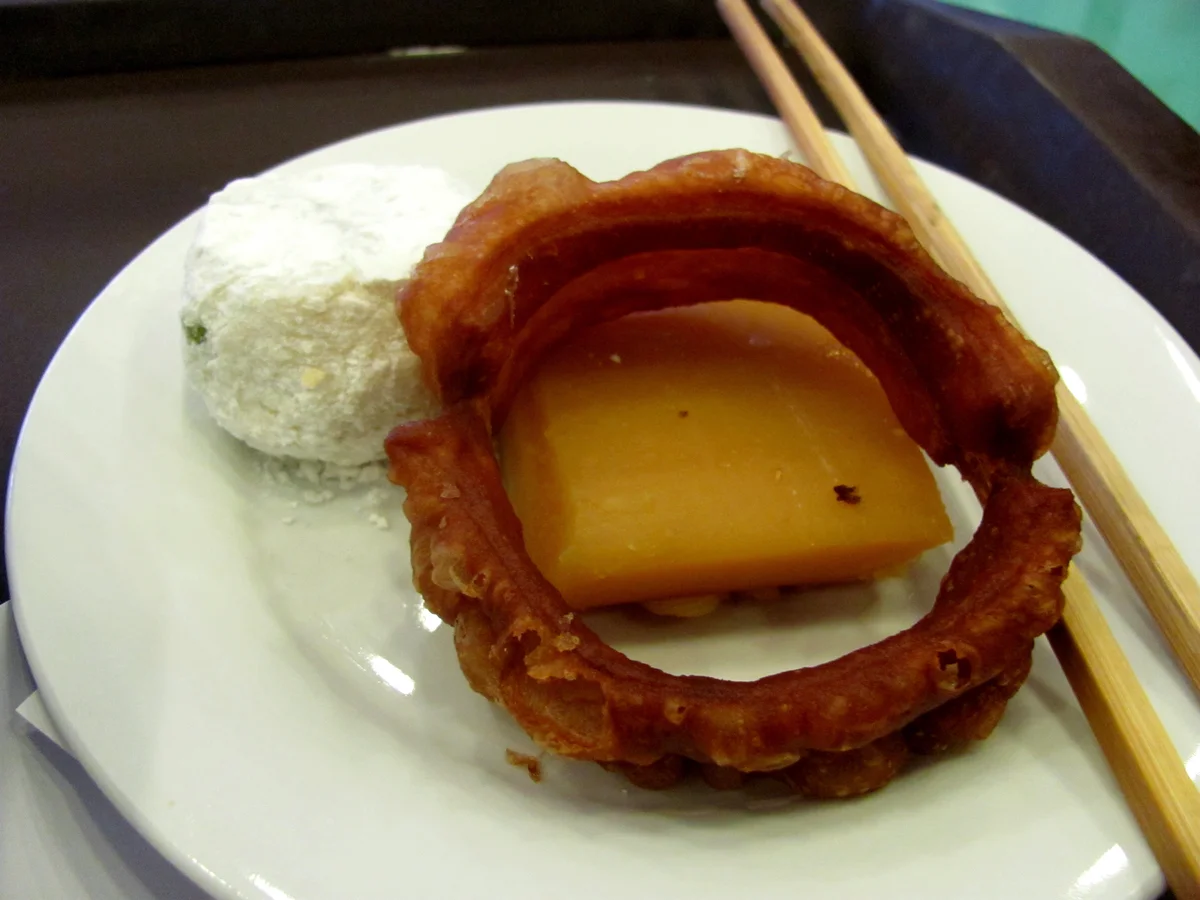
Jiaoquan is the thin, crisp fried ring most strongly associated with douzhi. Youtiao is the longer fried dough stick eaten across China, commonly with soy milk, tofu pudding, congee, or other breakfast bowls. They share the fryer, but they do not share the same texture, shape, or cultural role.
The easiest way to tell them apart is shape. Jiaoquan is a small ring, almost like a thin fried bracelet. Youtiao is a long paired strip of fried dough. The shape affects everything: how crisp it becomes, how it breaks, how it absorbs liquid, and how people eat it.
If you are building a Beijing breakfast route, jiaoquan belongs with old Beijing snacks. Youtiao belongs to a wider Chinese breakfast vocabulary.
Jiaoquan is about crispness. A good one should break cleanly and feel light rather than bready. It can soften quickly once exposed to steam, so it is best eaten fresh. This crispness is why jiaoquan works so well beside douzhi: the drink is sour and fermented, while the fried ring gives dry crunch and a little oil.
Youtiao has more body. It is usually puffed and hollow in places, with a golden outside and a softer, slightly stretchy interior. It can be torn into pieces and dipped into soy milk or tofu pudding. It is less fragile than jiaoquan and more filling as a standalone breakfast item.
Neither jiaoquan nor youtiao is supposed to be heavily seasoned. Their value comes from texture and pairing. Jiaoquan tastes lightly wheaty and fried, with a clean crispness that cuts through the sourness of douzhi. Youtiao tastes warmer and breadier, and it can carry sweet or savory breakfast liquids.
This is also why jiaoquan can feel strange if you eat it alone. It is enjoyable on its own when very fresh, but its classic role is supporting douzhi. Youtiao is easier to eat by itself because it is bigger, softer, and more substantial.
The old Beijing pairing of douzhi, jiaoquan, and pickled vegetables is built on contrast. Douzhi is sour, fermented, and slightly grainy. Pickles add salt and sharpness. Jiaoquan adds crunch and fried aroma. Take away the jiaoquan, and the drink can feel more severe. Take away the douzhi, and the jiaoquan loses part of its traditional context.
For first-time visitors, this pairing is the safest way to understand jiaoquan. Order it with douzhi, take small bites, and use the pickles to reset your palate. If douzhi is too challenging, you can still appreciate the ring's texture, but you will miss why old Beijing snack shops treat the two as a pair.
Youtiao is not specifically Beijing in the same way jiaoquan is tied to old Beijing snack culture. You will see it at breakfast stalls, convenience breakfast counters, and neighborhood shops. It often appears beside soy milk, doufunao, congee, or sesame flatbreads.
In Beijing, youtiao is useful because it is familiar and filling. It is a good fallback if you want something easier than douzhi, or if you need breakfast quickly before sightseeing. But if your goal is to understand older Beijing flavor, jiaoquan is the more local clue.
At an old Beijing snack shop, jiaoquan is usually listed near douzhi or other traditional snacks. It may be served as one ring or several rings depending on the shop. Ask for it fresh if possible; a stale jiaoquan loses most of its point.
Youtiao is often ordered by piece. It may be sold whole, cut, or served alongside a bowl. If it is going into soy milk or tofu pudding, tearing it into pieces is normal. If you eat it by hand, eat it while hot so the outside still has contrast.
If you want the easier breakfast, start with youtiao. It is familiar, warm, and not difficult to like. If you want the more Beijing-specific experience, try jiaoquan with douzhi. It is less universally pleasing, but it teaches more about old Beijing snack-shop habits.
The best plan is not to choose only one. Try youtiao on a normal breakfast morning, then try jiaoquan in an old snack shop with douzhi. That makes the difference obvious: youtiao is everyday fried dough; jiaoquan is part of a very specific Beijing pairing.
The first confusion is assuming jiaoquan is simply a round youtiao. It is not. The ring shape and thinner structure make it crisper and less bready. The second confusion is assuming both should be dipped the same way. Youtiao is often dipped; jiaoquan is more often eaten alongside douzhi rather than soaked until soft.
The third confusion is judging jiaoquan without its pairing. A plain fried ring can seem minor. With douzhi and pickles, it becomes part of a balanced snack set: sour, salty, crisp, and oily in small amounts.
For the jiaoquan overview, read the Beijing Jiaoquan Guide. For the drink that defines the pairing, read Douzhi in Beijing. If you are planning a full morning meal, use the Beijing Breakfast Guide to place both snacks in context.
Comments (0)