Aiwowo vs Lvdagun: How Beijing's Two Sweet Rice Snacks Differ
A practical comparison of Aiwowo and Lvdagun, two soft Beijing sweet snacks: rice base, soybean-flour coating, fillings, texture, visual clues, and how to choose at a snack counte…
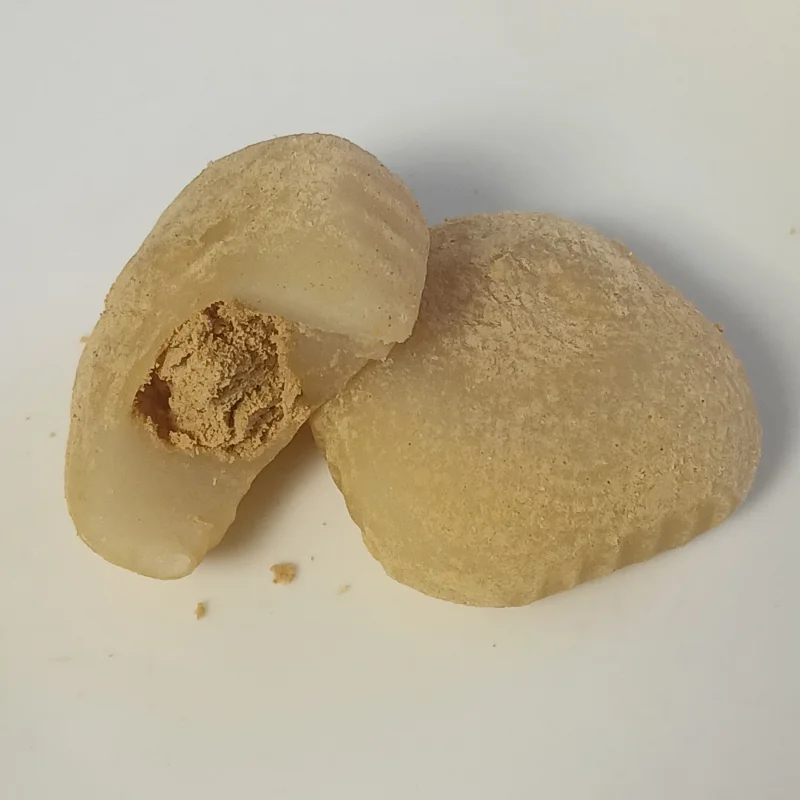
A practical guide to choosing Beijing Lvdagun (donkey roll): the soybean-flour coating, soft rice layer, red-bean filling, freshness checks, and how to order a small tasting porti…
Lvdagun (驴打滚), also called doumian gao or soybean-flour cake, is one of Beijing's most recognisable sweet snacks. Its appeal is not a dramatic first bite but the balance of three quiet elements: a soft, sticky grain layer, a sweet bean filling, and the dry roasted fragrance of soybean flour. A good piece feels tender and lightly elastic, with enough powder on the outside to smell nutty without becoming dusty.
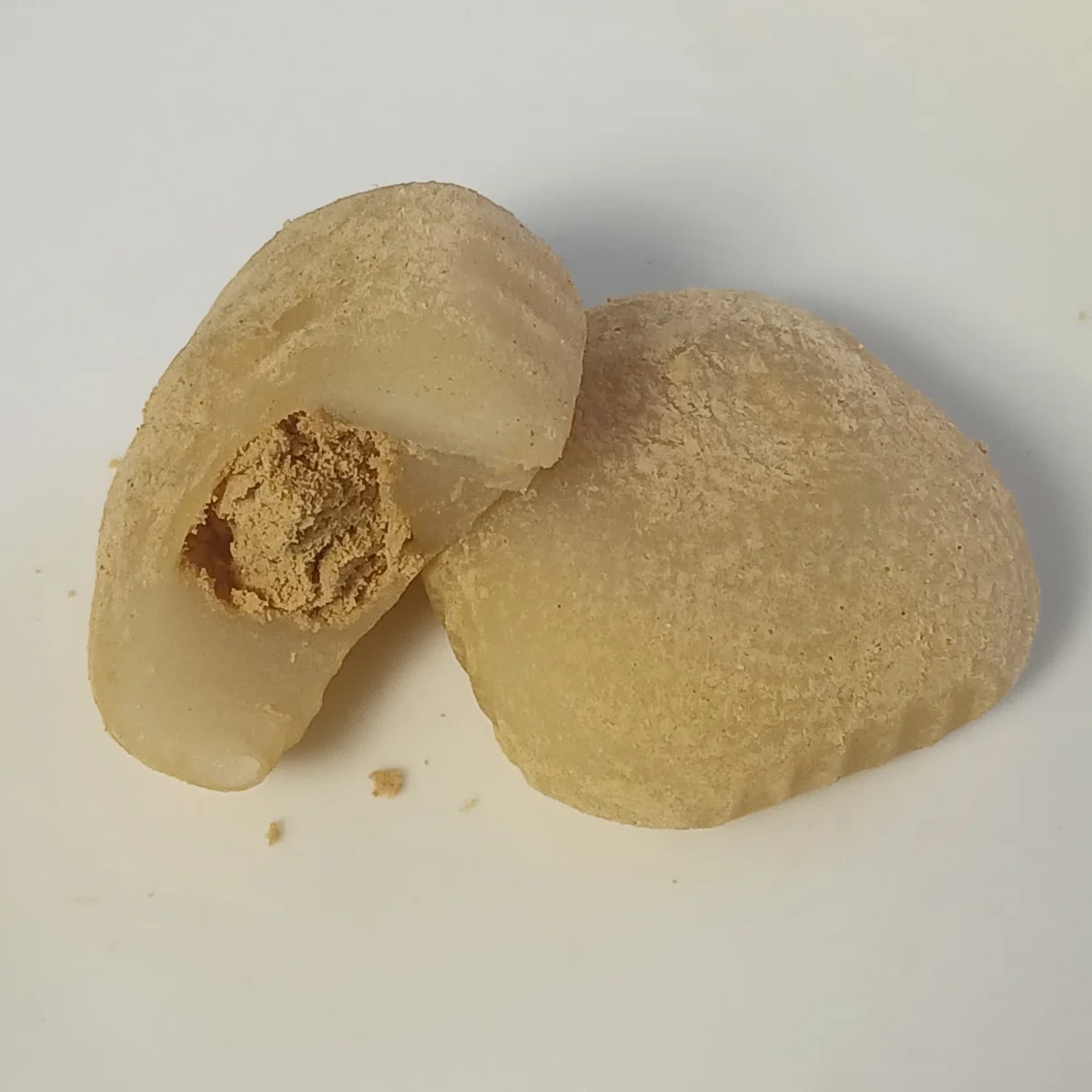
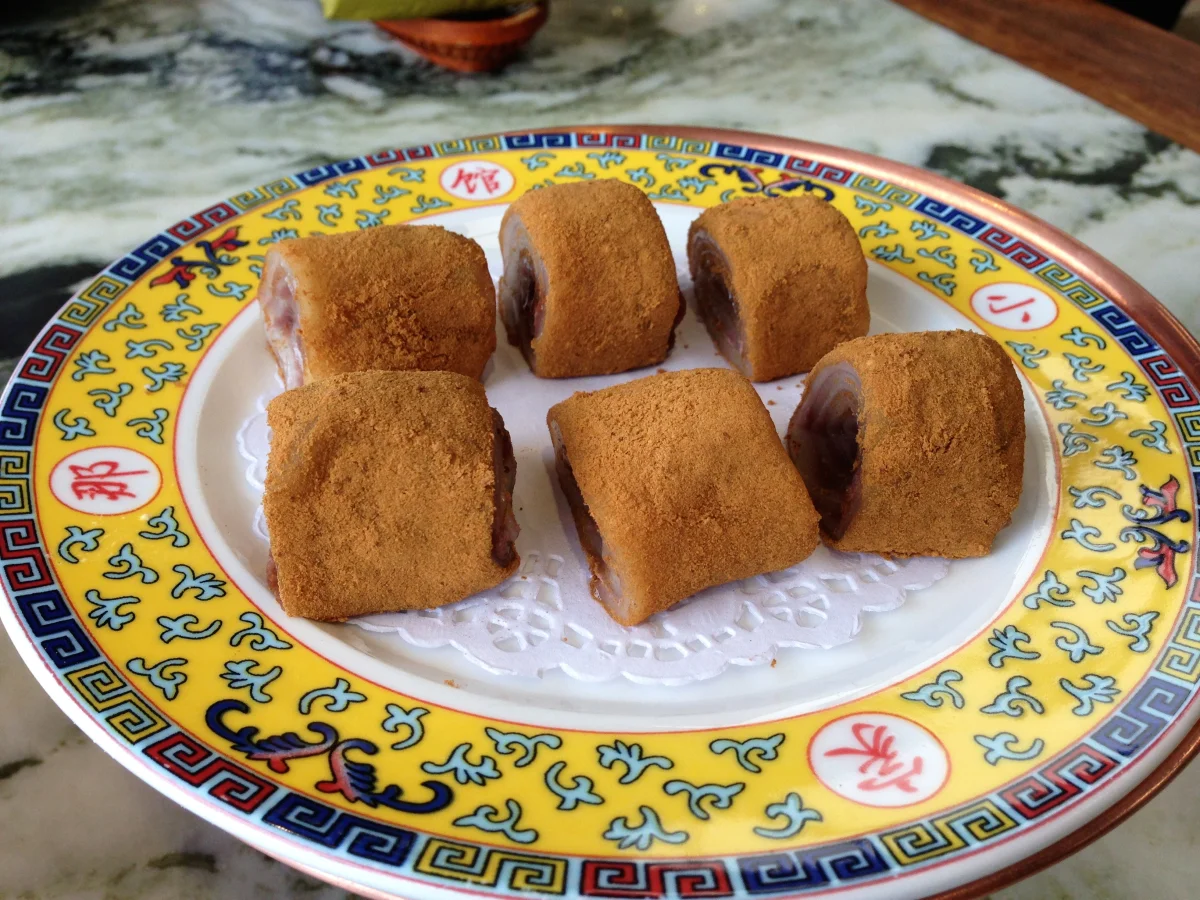
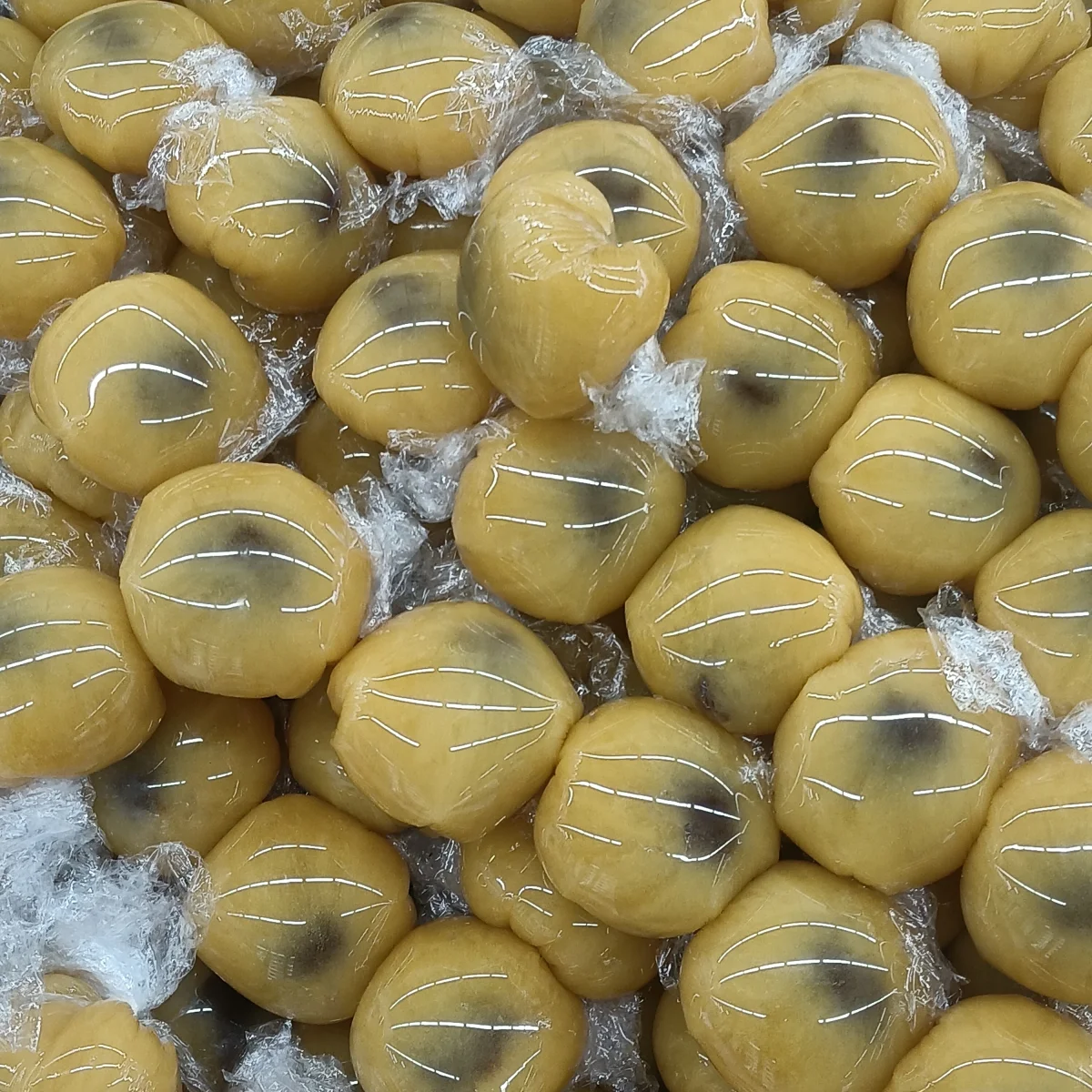
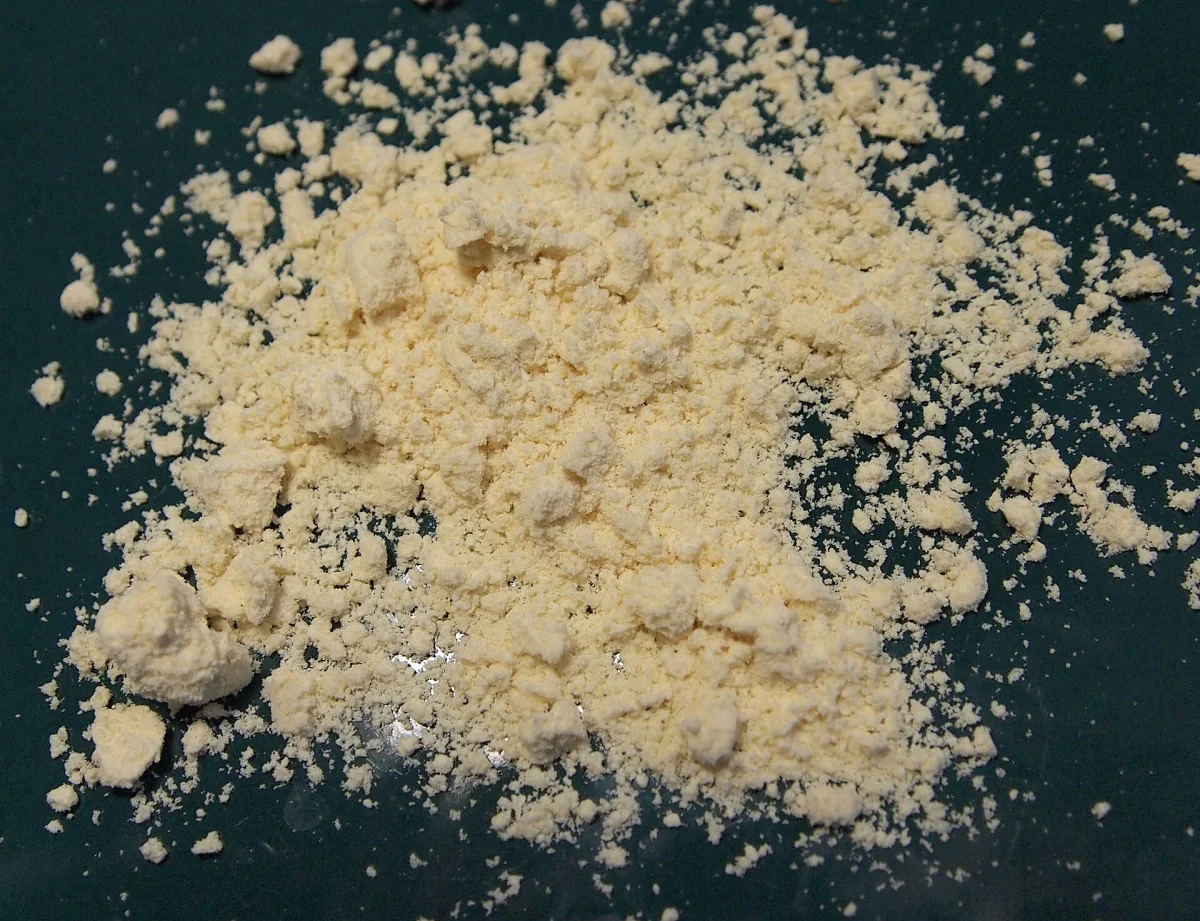
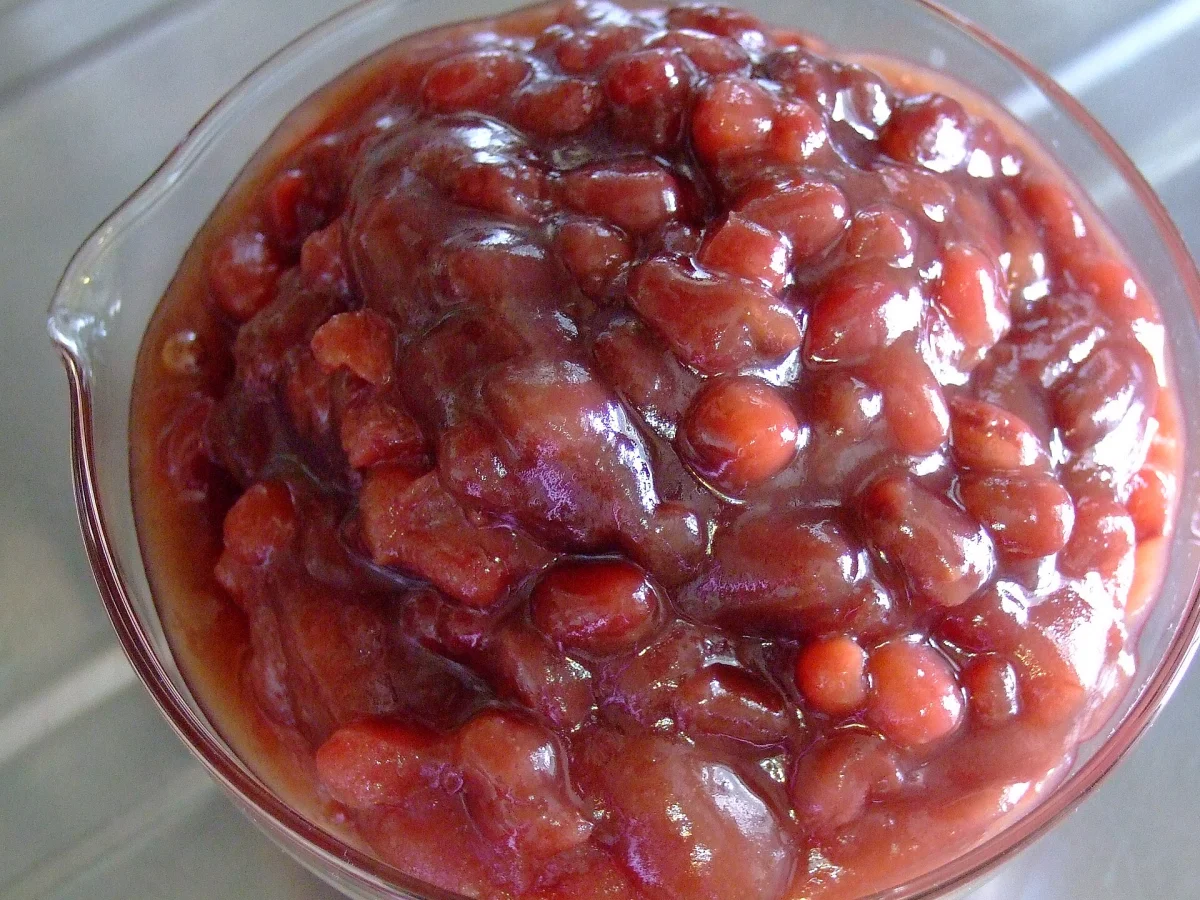
Beijing Tourism describes the older form as steamed yellow-millet dough rolled in roasted soybean flour and filled with red bean paste or brown sugar. Many current snack counters use glutinous-rice flour instead, but the visual and textural logic remains the same: a pale, soft sheet is spread with filling, rolled, cut, and coated in ground roasted soybeans. That final coating is the reason for the name. It resembles the cloud of yellow dust imagined when an animal rolls on dry ground.
The traditional name matters because it prevents a common mix-up: Lvdagun is not simply any rice cake dusted with flour. The rolled structure, a clearly defined filling, and the fragrance of roasted soybean flour are the useful clues. It also differs from Aiwowo, which is usually shaped as a white filled ball rather than a cut roll.
The coating should smell toasted and bean-like before the sugar is noticeable. It should look loose and matte, not wet, grey, or pressed into a paste. A very thick coating can make a piece feel dry, while too little leaves the rice layer slick and makes the snack harder to handle. The best version leaves a light yellow dust on the fingers but still lets the soft roll show through.
Colour alone is not a freshness test. Some shops make a paler rice-based version; others use yellow millet or contemporary flavoured doughs. Judge the exterior by aroma and dryness rather than expecting every counter to display exactly the same shade.
Traditional Lvdagun is associated with yellow millet, roasted soybean flour, and bean or brown-sugar filling. Modern counters may use glutinous-rice dough and offer pumpkin, taro, or other coloured versions. These can be enjoyable variations, but they are best understood as variations. For a first tasting, choose a plain soybean-coated piece so the original flavour structure is easy to recognise.
This is also why it is worth ordering separately from the Aiwowo and Lvdagun comparison. Both snacks are soft, sweet, and often grouped at the same counter, yet Lvdagun should read as a rolled, soybean-coated snack while Aiwowo is usually rounder and whiter.
Lvdagun is rich enough to share. Ask for two or three small pieces if you are building a mixed snack plate, especially alongside savory Beijing breakfast foods. It is best eaten close to purchase, when the rice layer is still soft and the soybean flour still smells freshly roasted. Plain hot tea is a natural pairing because it clears the sweetness without adding another strong flavour.
For takeaway, keep the pieces cool and protected from crushing. They are not designed to be carried around all day in a warm bag. If a counter offers a sealed box, use the date and storage instructions as practical guidance, but do not expect a packaged version to have the same soft texture as a recently cut piece.
Lvdagun is a compact lesson in Beijing snack craft: grain dough, bean filling, a final dry coating, and a texture that has to be eaten at the right moment. It is not a dessert that needs elaborate plating. Its character comes from the contrast between powdery roasted soybeans, a gentle chew, and the darker sweet centre. Once you recognise that pattern, choosing it from a crowded snack counter becomes much easier.
Comments (0)