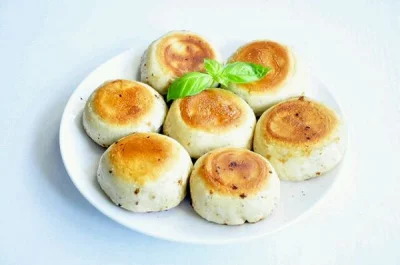
Men ding rou bing is easy to describe as a Beijing meat pie, but the filling is what makes it memorable. The wrapper is only successful when it can hold a hot, savory center without becoming thick or doughy. A good pie has browned wheat flavor outside and a juicy, well-seasoned meat filling inside, with enough onion or scallion to keep the richness clear rather than heavy.
This is not a home recipe. It is a guide to understanding the filling you see in a Beijing snack shop: which meat is being used, why the pie is shaped high rather than flat, how the juice stays inside, and what a balanced first bite should tell you.
The classic starting point: beef and scallion
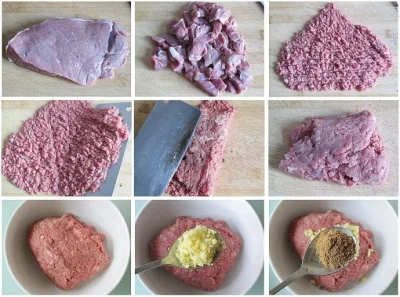
Beijing Tourism describes the traditional filling as beef and scallion, prepared with sesame oil, onion, fresh ginger, and pepper-like aromatics before the dough is shaped around it. The useful point for a diner is not to memorize a universal formula: each shop seasons its own filling. It is to recognize the intended balance of beef, allium aroma, fat, and dough.
Beef is the clearest first order because it is the version most often associated with the dish. The filling should smell savory and warm, not aggressively spiced. Onion or scallion should lift the meat rather than turn the pie into a sharp onion snack.
Where lamb fits in
Some established Beijing snack shops offer lamb and scallion alongside beef and scallion. That is a choice of flavor, not a different dish. Lamb brings a stronger aroma and can feel richer, while beef usually gives a cleaner, more familiar baseline for first-time diners.
If a shop has both, try beef first when you want to understand the classic profile. Choose lamb when you already enjoy the distinctive flavor of northern Chinese lamb dishes. Neither filling should be dry, crumbly, or overwhelmed by chili oil.
Why the filling stays juicy
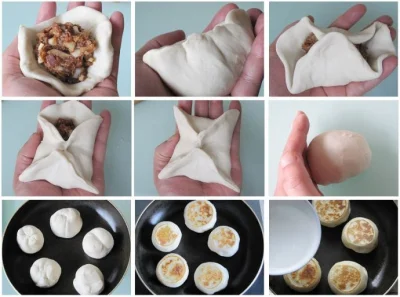
The pie is tall and compact for a reason. Unlike a broad, flat xianbing-style pancake, men ding rou bing has room for a substantial center while the sealed dough helps retain heat and moisture. The goal is not a soup dumpling effect. The filling should be moist enough to release savory juices after the first careful bite, while still holding together as meat.
That balance depends on proportion. Too little fat produces a dry center. Too much fat can leave oil on the plate even when the meat itself tastes dull. A strong pie feels juicy because the meat and seasoning are integrated, not because liquid is leaking everywhere.
Onion, scallion, ginger, and sesame oil
These supporting ingredients do different jobs. Scallion or onion gives freshness and sweetness against the meat. Ginger keeps the aroma lively. Sesame oil is usually a background note, adding fragrance rather than making the filling taste oily. Pepper and other seasonings should support the meat without turning every version into the same spice blend.
This is why the filling is best judged before adding sauce. Take one bite plain or with only a little vinegar. Chili oil can be enjoyable, but it can hide whether the meat, dough, and alliums are in balance.
The dough is part of the filling experience
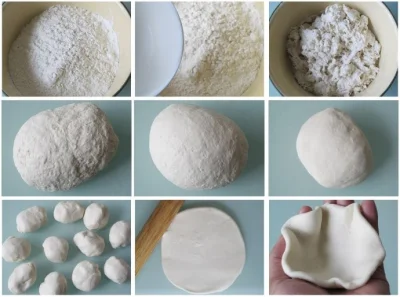
Calling the wrapper “thin” does not mean it should be fragile. It needs enough structure to keep the hot center in place, then enough tenderness to yield after the first bite. A thick, bread-like wrapper makes the pie feel heavy. A weak wrapper tears too early and loses the juices that give the dish its character.
The dough also explains why a fresh pie matters. As it sits, steam softens the browned surfaces and the fat in the filling begins to firm. The same ingredients can taste far less balanced after a long wait.
How to read the cross-section
After a small edge bite, look for a filling that is packed but not compressed into a dry ball. You should see finely worked meat with visible allium aroma and a wrapper that remains attached around the center. The best version releases steam first, then juice, rather than flooding the plate immediately.
If the filling tastes dry while oil is visible, the pie is not well balanced. If the wrapper is pale or soggy, it may have been held too long. If the filling is hot, savory, lightly aromatic, and enclosed by a browned but tender crust, the pie is doing exactly what it should.
How to order for this specific experience
Order when the pies are moving quickly from griddle to plate. Start with one or two pieces if you are also having soup or porridge, and eat them soon after they arrive. A small dish of vinegar is usually enough to reset the palate between bites.
For the broader Beijing context, continue with how to order men ding rou bing, then compare its structure with baozi and shaobing. Those foods share wheat and filling traditions, but they do not deliver the same browned crust and enclosed meat juice.
References
Photo source:Douguo recipe image sequence.
Comments (0)