Men ding rou bing, baozi, and xianbing can look confusingly similar to first-time visitors because all three are wheat-based snacks with fillings. The differences are easier to understand once you focus on cooking method, shape, and texture. Men ding rou bing is a thick griddled meat pie, baozi is a steamed bun, and xianbing is usually a flatter pan-fried stuffed pancake.
This comparison is useful when you are standing in front of a Beijing snack-shop menu and trying to decide what to order. The names are not interchangeable, and the best choice depends on whether you want soft steam, browned crust, hot meat juice, or a lighter filled pancake.
The quickest difference
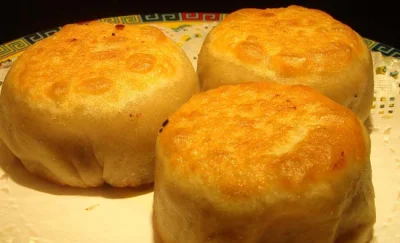
Men ding rou bing is shaped like a short cylinder. Beijing tourism descriptions connect the shape with the round metal studs on old city gates, which is why the English translation is often “door-nail meat pie.” A classic version uses beef and scallion, and the pie is cooked on a griddle until both sides are browned.
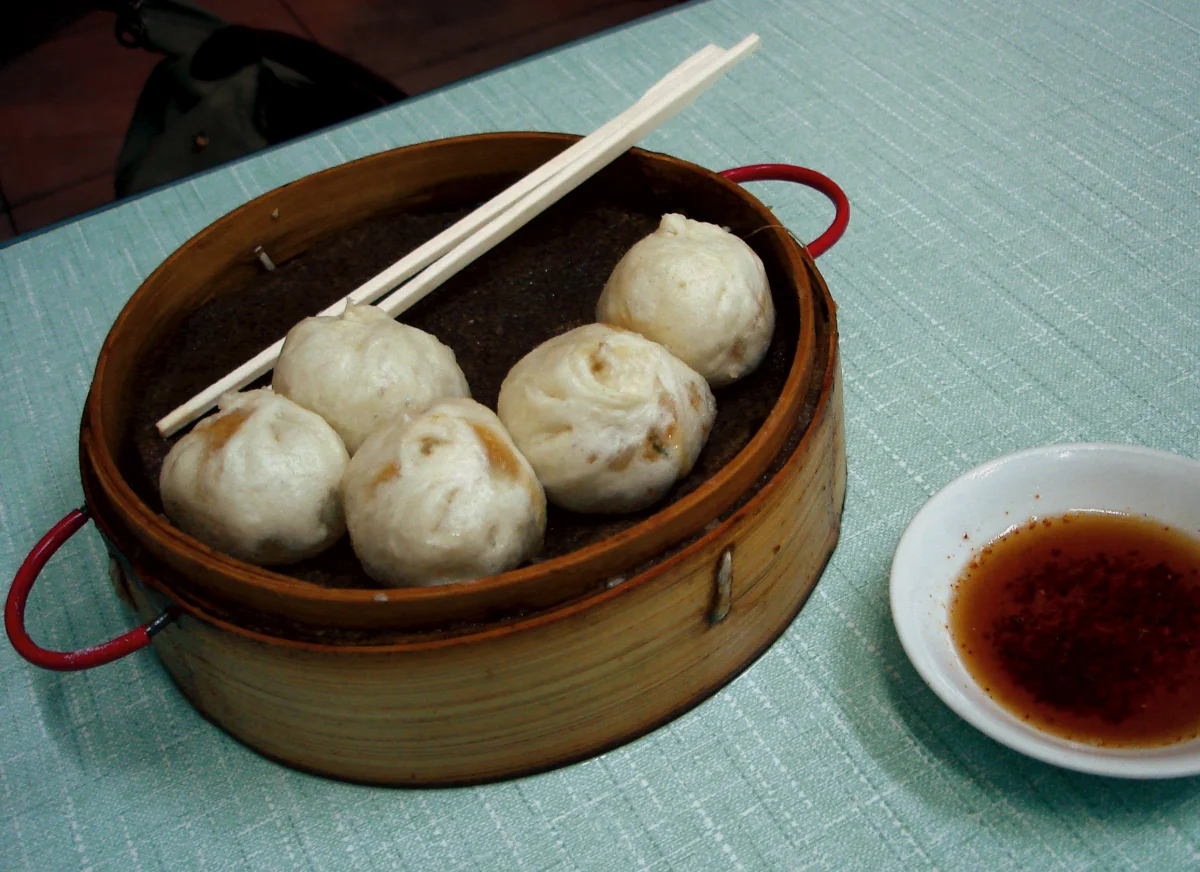
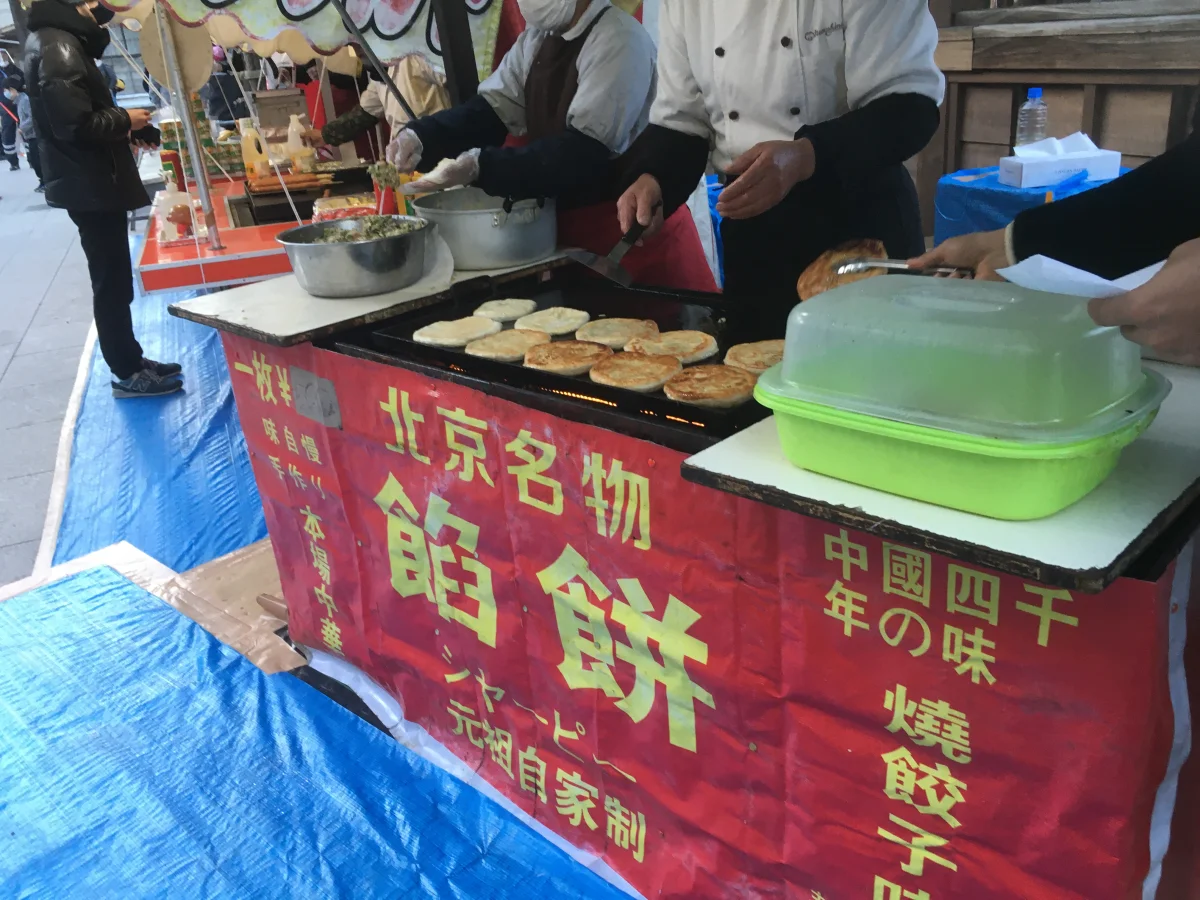
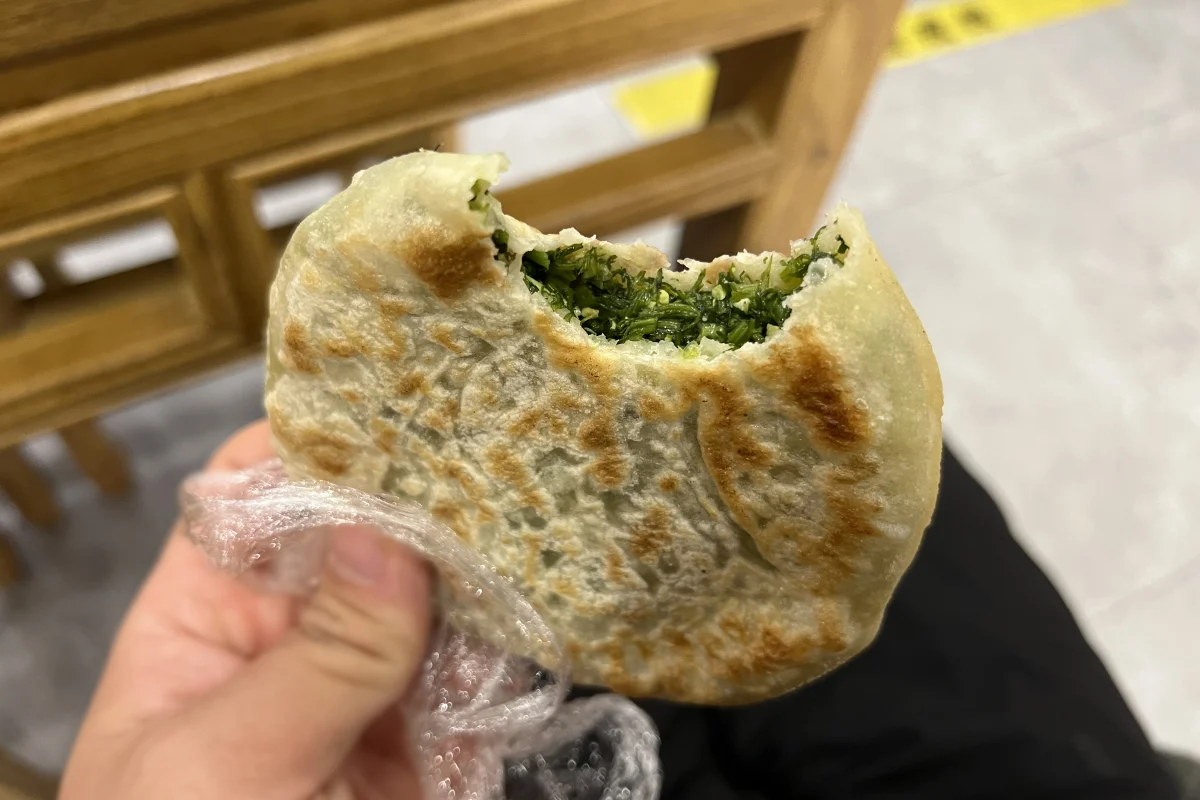
Baozi is steamed. Its wrapper should be soft, fluffy, and bread-like. Xianbing is pan-fried or griddled like men ding rou bing, but it is usually flatter and broader. It can contain meat or vegetables, and its texture is often closer to a stuffed pancake than a thick meat pie.
Shape and wrapper
The shape tells you a lot before you take a bite. Men ding rou bing should have height. It is not a thin pancake and should not collapse into a flat disc. The wrapper is substantial enough to hold a juicy filling, but a good one is not doughy or heavy.
Baozi has a gathered top or a smooth steamed surface, depending on the shop. Because steam cooks it from the outside inward, the wrapper stays pale and soft. Xianbing normally has more surface area touching the pan, so it shows a broader browned face and thinner body.
Cooking method and flavor
Steam gives baozi its softness. Griddle heat gives men ding rou bing its browned wheat aroma and firmer bite. Xianbing also gets browned in a pan, but because it is flatter, the crust-to-filling balance feels different. It can be crisp at the edges without the same thick, juicy center that defines a strong men ding rou bing.
If you want something gentle for breakfast, baozi is the easiest choice. If you want a richer snack with hot meat juice and vinegar on the side, choose men ding rou bing. If you want a pan-fried wheat snack but not such a heavy meat pie, xianbing can be a middle path.
Filling style
Traditional Beijing descriptions often associate men ding rou bing with beef and scallion. Lamb versions also appear in some shops, especially in halal or old Beijing snack contexts. The filling should be savory and juicy, not dry or crumbly.
Baozi fillings are more varied: pork and cabbage, beef, lamb, chive and egg, vegetarian mixtures, and sweet fillings all exist. Xianbing can be even broader because it is a general stuffed pancake form, not one single Beijing specialty. That is why the name xianbing tells you a shape and cooking style, while the filling still needs to be checked.
Eating experience
Men ding rou bing is the most likely of the three to burn your mouth if you bite too quickly. A fresh one traps steam and meat juice inside. Bite near the edge first, let the steam escape, and then add a little vinegar if you want to cut the richness.
Baozi is easier to eat by hand, although a soup-filled version can also be hot inside. Xianbing is often simpler to share or eat on the move, but that depends on size and filling. In Beijing, men ding rou bing feels more like a focused snack-shop dish than a casual walking breakfast.
When to order each one
Order baozi in the morning when you want a quick, filling, inexpensive breakfast. Order men ding rou bing when you want a richer old Beijing snack, especially if the shop is cooking them fresh. Order xianbing when you want a flatter griddled wheat snack or when the filling variety looks more interesting than the classic beef pie.
For visitors building a Beijing food route, these foods work well in sequence. Try baozi for breakfast, xianbing or shaobing as a lighter wheat snack, and men ding rou bing when you are ready for a hotter, juicier, more concentrated bite.
How to judge freshness
A fresh men ding rou bing should be hot, rounded, and evenly browned. The crust should have structure, and the filling should stay moist. Baozi should feel warm and springy, not dry around the edges. Xianbing should not be limp or cold; the surface should still show the benefit of pan heat.
Freshness matters most for men ding rou bing because the whole dish depends on contrast: browned wrapper outside, hot meat inside. Once it sits too long, the crust softens and the meat fat firms, making the pie feel heavier than it should.
Which one should a first-timer choose?
If you only have room for one, choose men ding rou bing when the shop has steady turnover and the pies are coming off the griddle. It is more distinctive as a Beijing snack than a generic baozi and more specific than a general xianbing.
If you are eating with a group, order all three styles across the day rather than at one table. That gives you a clearer sense of how Beijing wheat snacks change with steam, pan heat, thickness, and filling.
References and image sources
This guide is original editorial content. The links below were used for factual checking and image attribution.
Comments (0)