Chaogan is easier to understand when you eat it in the right setting. It is not a delicate tasting-menu dish, and it is not meant to be judged like a Western soup. In Beijing, chaogan belongs to practical breakfast counters, old snack shops, and local places where a thick bowl of garlic-rich liver-and-intestine stew is paired with something simple and filling.
This guide focuses on where to try chaogan and how to read the shop environment before ordering. If you need the basic dish introduction first, start with our Chaogan in Beijing guide. If you already know what it is but feel unsure where it makes sense to eat it, this page is the next step.
Look for old Beijing snack shops, not polished dining rooms
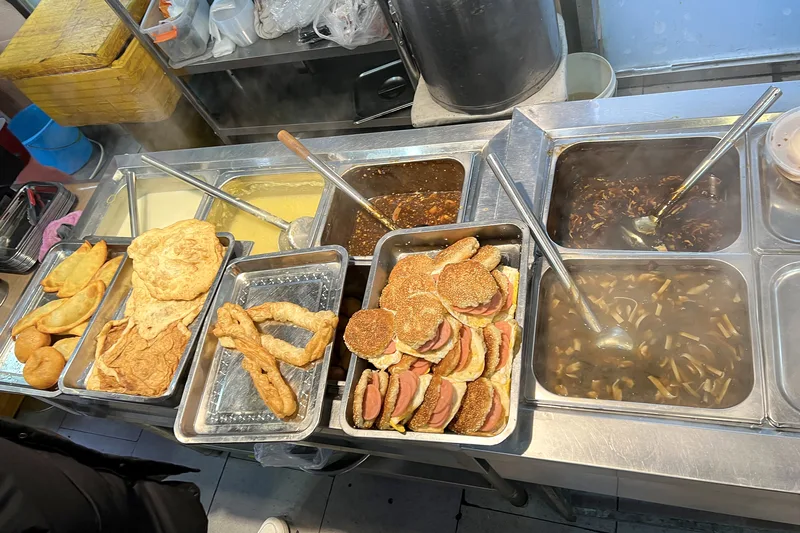
The best chaogan experience is usually found in old-style snack shops, breakfast counters, and time-honored Beijing food businesses rather than in formal restaurants. These places are built for quick turnover: bowls are served fast, steamed buns move constantly, and customers usually know exactly what they want before they reach the counter.
That speed can feel intimidating to a first-time visitor, but it is also a sign that the dish belongs there. Chaogan depends on hot gravy, steady service, and a kitchen that makes the same breakfast items every day. A quiet, overly polished dining room may be easier to photograph, but it is not always the most natural place to understand the dish.
Time-honored brands and famous snack shops
Beijing has several famous names associated with old-style snacks and breakfast culture. Tian Xing Ju is often discussed in official tourism materials as a time-honored brand connected with chaogan, and the dish’s making skills have been linked with local intangible cultural heritage in Dongcheng District. This does not mean every visitor must go to one specific address, but it shows that chaogan is treated as part of Beijing’s food heritage, not just a casual bowl of stew.
Yaoji Chaogan is another name many visitors recognize, especially because it sits in a well-known old-city food area and is frequently mentioned in discussions of Gulou and Beijing snack culture. The point is not to chase celebrity attention. The useful lesson is that chaogan is best understood around neighborhoods where Beijing snack shops, breakfast habits, and everyday local traffic overlap.
Best time to go
Morning is the natural time for chaogan. Go too late and you may still find it, but the breakfast rhythm is different. Early customers are often ordering familiar combinations, shop staff are working at full pace, and the food has the freshness and temperature that make the bowl more satisfying.
If you are new to the dish, avoid the absolute busiest moment unless you are comfortable ordering quickly. A slightly later breakfast window can be easier: the shop is still active, but you have more time to look at what other customers are eating, choose a pairing, and ask for a smaller order if available.
What kind of shop is a good sign?
A good chaogan shop does not need fancy decor. Look for a counter where bowls are being served steadily, baozi steamers are active, and customers are eating rather than lingering. A visible breakfast flow matters more than a large menu. If most people are ordering chaogan with steamed buns or fried bread, you are probably in the right type of place.
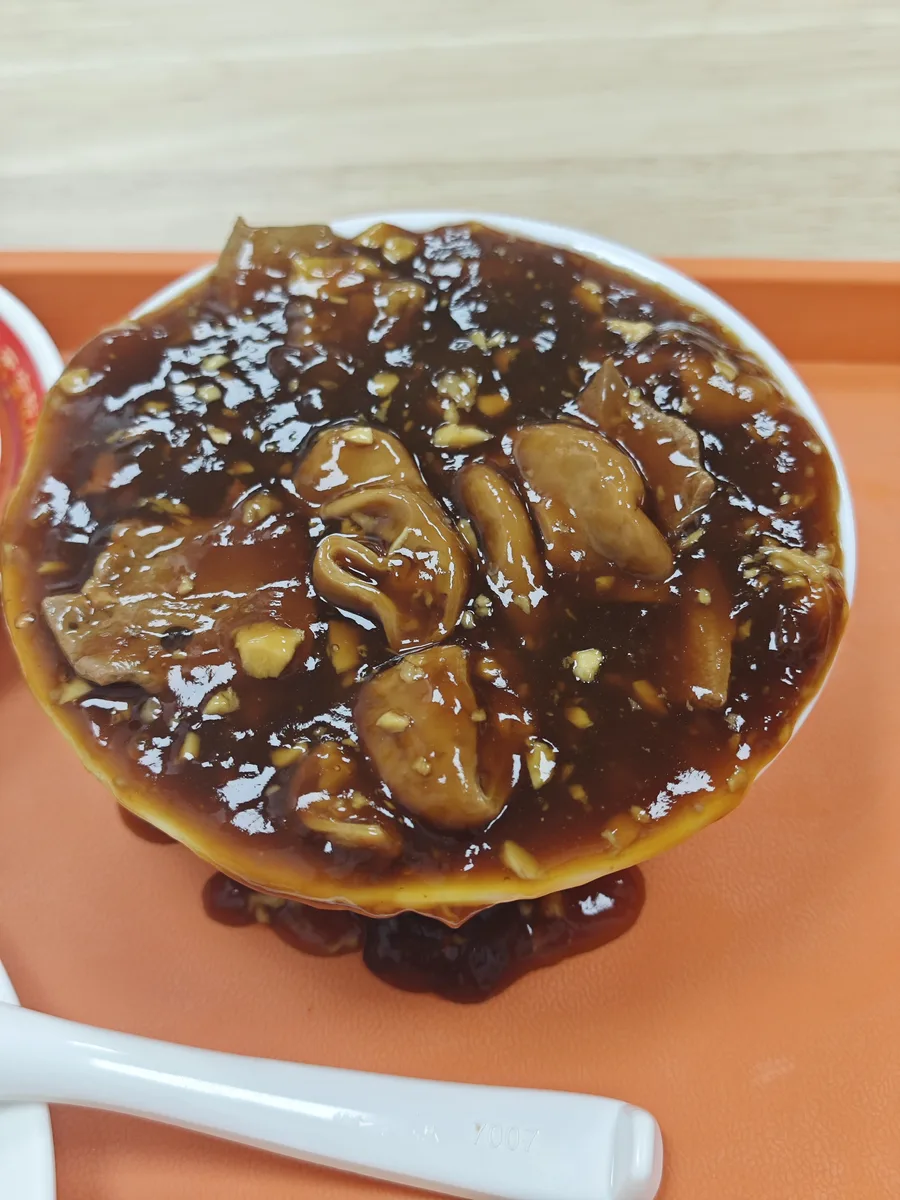
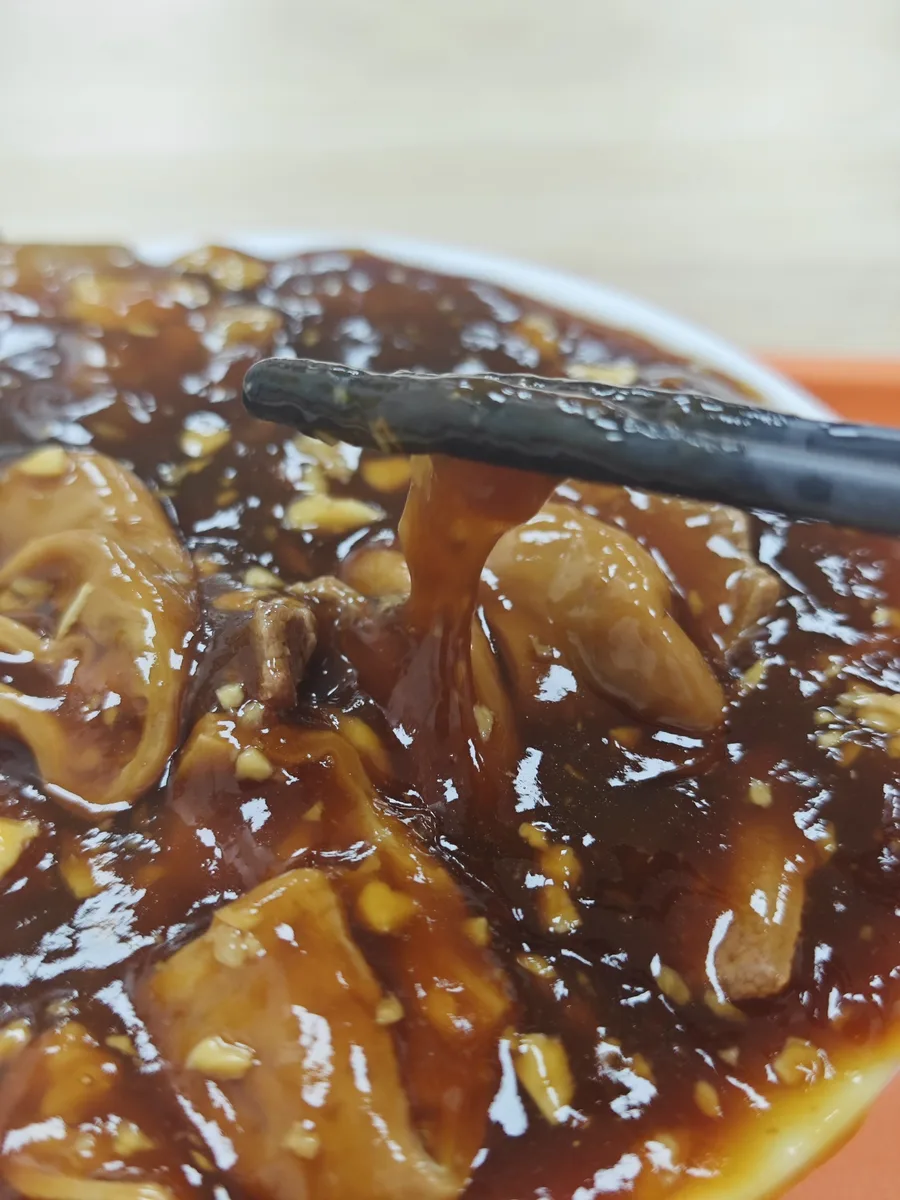
Also pay attention to the gravy. Chaogan should be thick and glossy, not watery, but it should still be spoonable. The garlic aroma should be present without making the bowl taste raw or harsh. If the shop has a long local queue and the bowls turn over quickly, the texture is more likely to be consistent.
Order it with baozi if you want the safest first meal
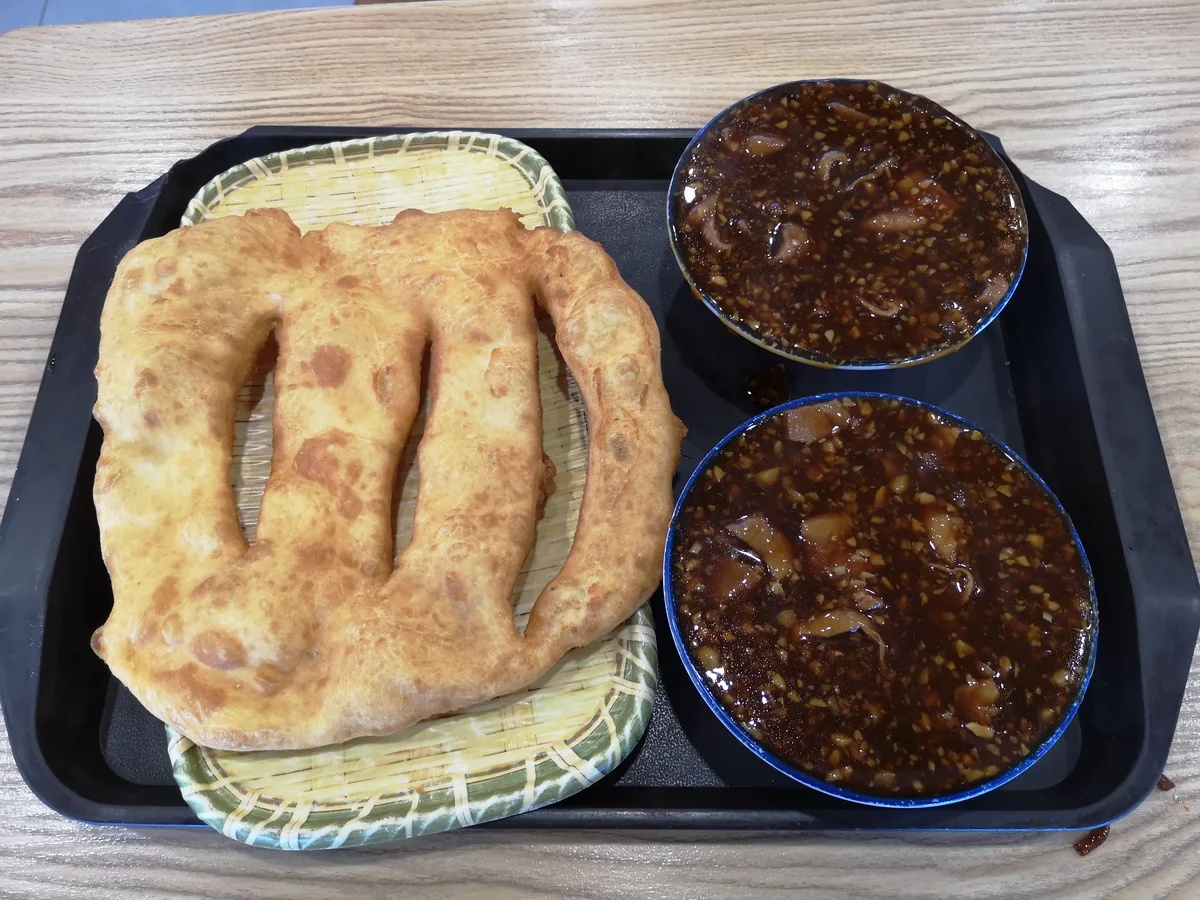
For first-timers, the easiest order is chaogan with baozi. The bun softens the intensity of the garlic gravy, gives you something mild between bites, and turns the bowl into a complete breakfast. This is why our separate guide to chaogan and baozi treats the pairing as more than a side note.
If you prefer crisp texture, you can pair chaogan with fried bread or a simple baked item, but baozi is usually less risky. A steamed bun is neutral, filling, and easy to eat with the bowl. It also helps if you are still adjusting to the liver and intestine texture.
How to order without slowing the line
Decide before you reach the counter: one bowl of chaogan, one or two buns, and possibly a drink if the shop serves one you want. In a busy breakfast shop, the staff may expect a direct order rather than a long discussion. Pointing at the bowl or saying the dish name clearly is usually enough.
If you are sensitive to strong garlic or offal flavor, do not order a large spread on your first visit. Start with one bowl to share or one small bowl if available. You can always add another bun, but it is harder to enjoy the meal if you over-order before knowing whether the flavor works for you.
What to expect from the taste
Chaogan is thick, savory, garlicky, and slightly earthy. The liver and intestine are part of the dish’s identity, so it will not taste like a neutral breakfast soup. The gravy should cling to the spoon and coat the bun when dipped. Some people love it immediately; others need the baozi pairing before they understand why locals find it satisfying.
Do not judge it only by the first spoonful. Try a bite with baozi, then another spoonful after the garlic and starch have balanced each other. Many old Beijing breakfast foods work this way: the individual item can seem strong, but the combination makes sense.
How chaogan fits into a wider breakfast route
If you are planning a Beijing breakfast walk, chaogan should be one of the heavier stops. Place it after a lighter item such as shaobing or before a simple drink, not after several rich snacks. It is filling, and the garlic flavor can dominate your palate for a while.
For a focused morning route, choose one chaogan shop, one bread or bun pairing, and one comparison item such as douzhi or jianbing on another day. Our Chaogan vs Douzhi guide explains why both are old Beijing breakfast foods but challenge visitors in very different ways.
First-timer checklist
Go in the morning. Choose a shop with visible breakfast turnover. Order one bowl with baozi. Eat while the gravy is hot. Do not expect a delicate flavor. Use the bun to balance the garlic and offal. If you like it, then explore famous old snack shops and neighborhood breakfast counters more widely.
Once you understand the setting, chaogan becomes less mysterious. It is a local breakfast built around speed, heat, texture, and habit. The right shop does not just serve the dish; it explains why the dish has survived as part of Beijing’s everyday food culture.
References
For official background on Beijing breakfast culture and time-honored chaogan shops, see Visit Beijing: Beijing’s Breakfast Culture, Visit Beijing: A Bite of Authentic Beijing Cuisine, and Beijing Municipal Government: Time-honored brands and old-city food.
Comments (0)