Chaogan is one of the Beijing breakfasts that visitors often notice only after they have already sat down in a snack shop. It arrives as a small, glossy bowl with pork liver, pork intestine, thick brown gravy, and a strong garlic aroma. The name can be confusing, the texture can be unfamiliar, and the ordering pace at breakfast counters can feel fast.
This guide focuses on how to order chaogan in a real Beijing breakfast setting: what to ask for, what to pair it with, how to eat the bowl, and what mistakes to avoid. For the full dish background, start with Chaogan in Beijing.
What You Are Ordering
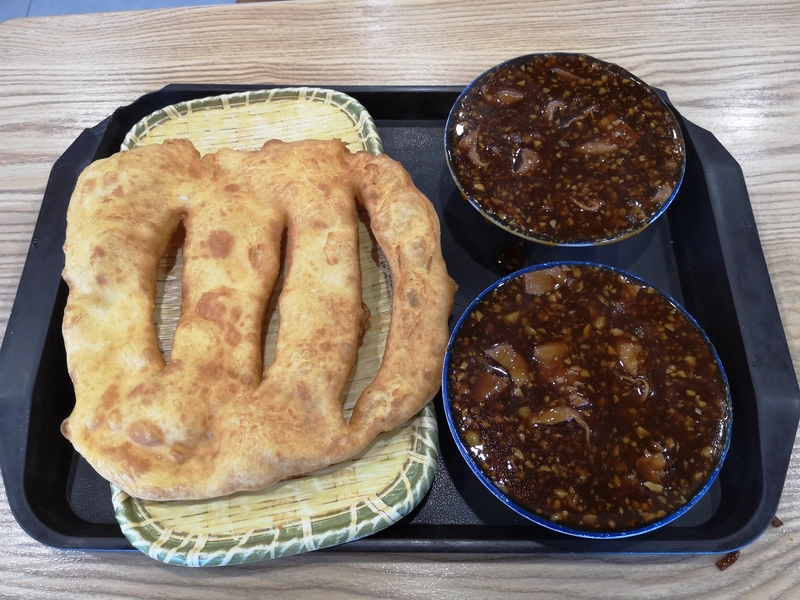
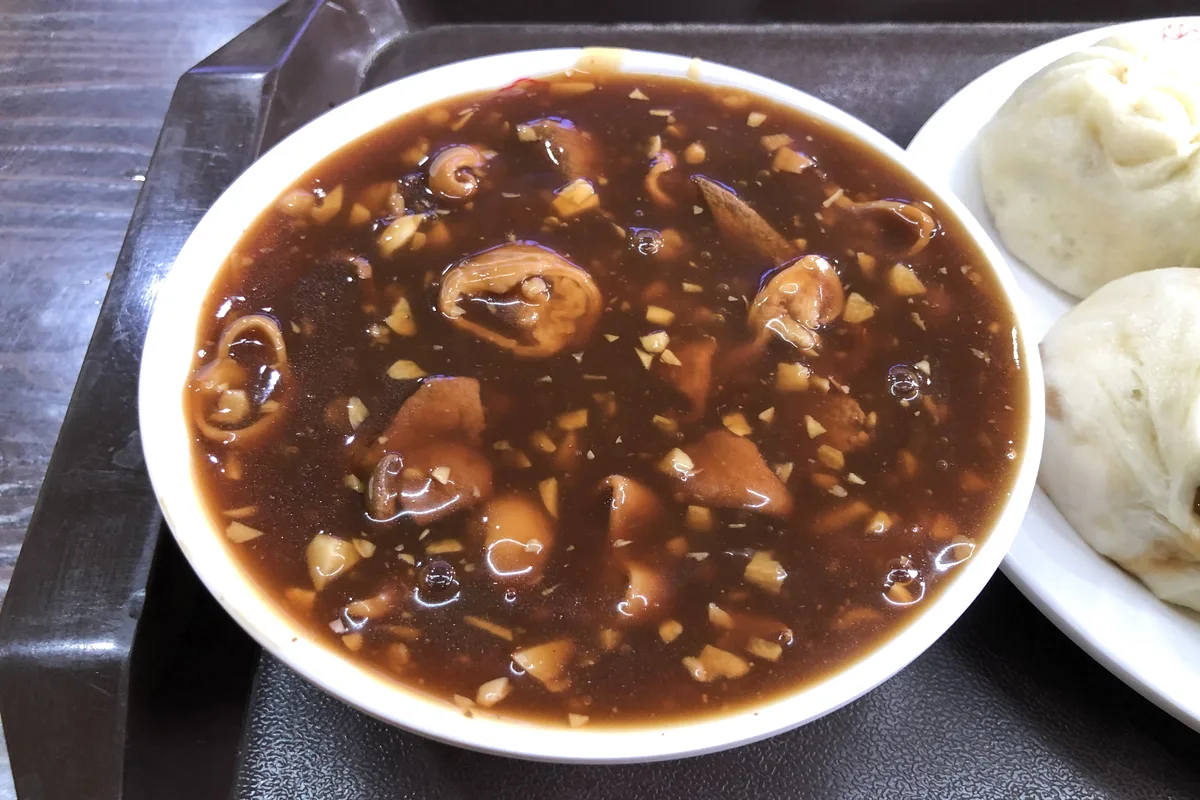
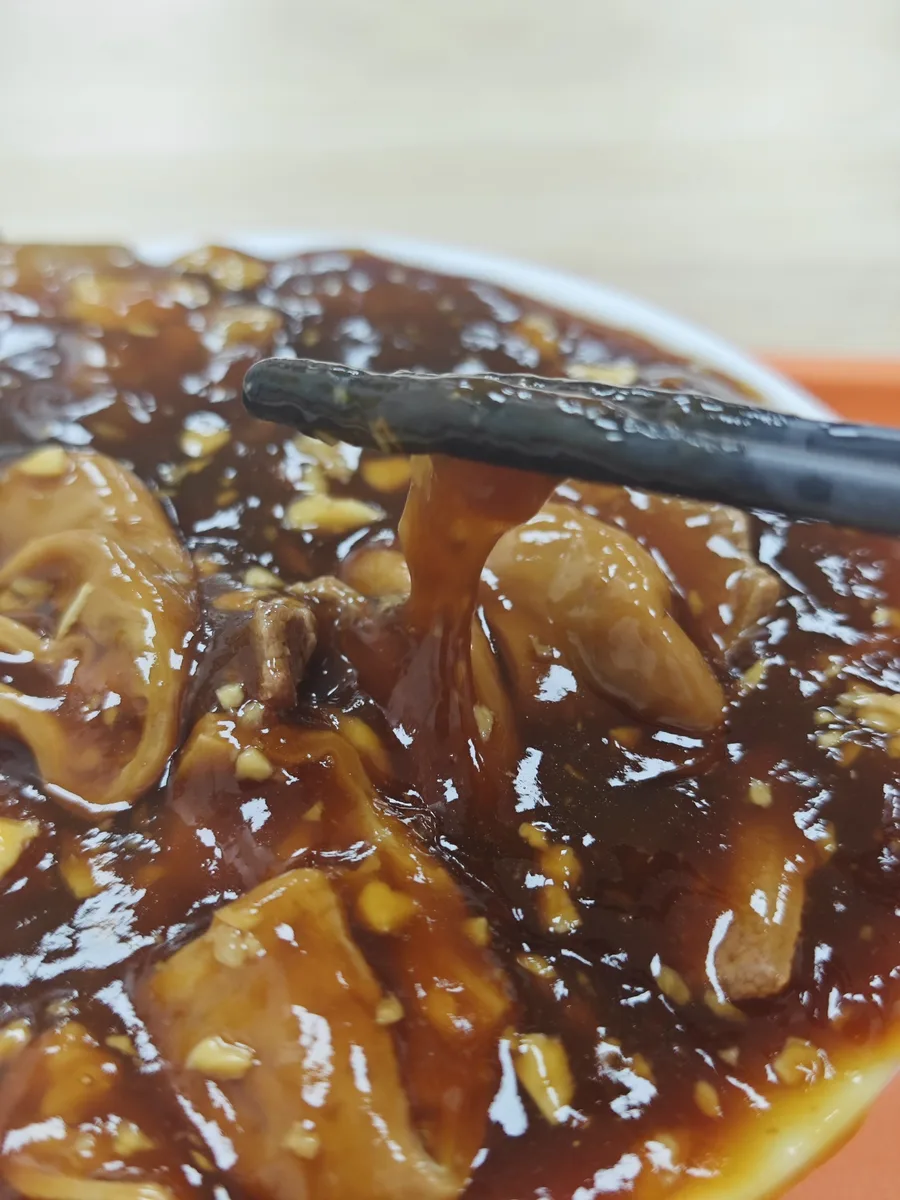
Chaogan is not a dry stir-fry, even though the name is often translated as “stir-fried liver.” In a Beijing breakfast shop, it is a thick stew-like bowl made with pork liver, pork intestine, garlic, and a starch-thickened broth. The surface is glossy, the flavor is savory and garlicky, and the texture is soft, slippery, and slightly chewy.
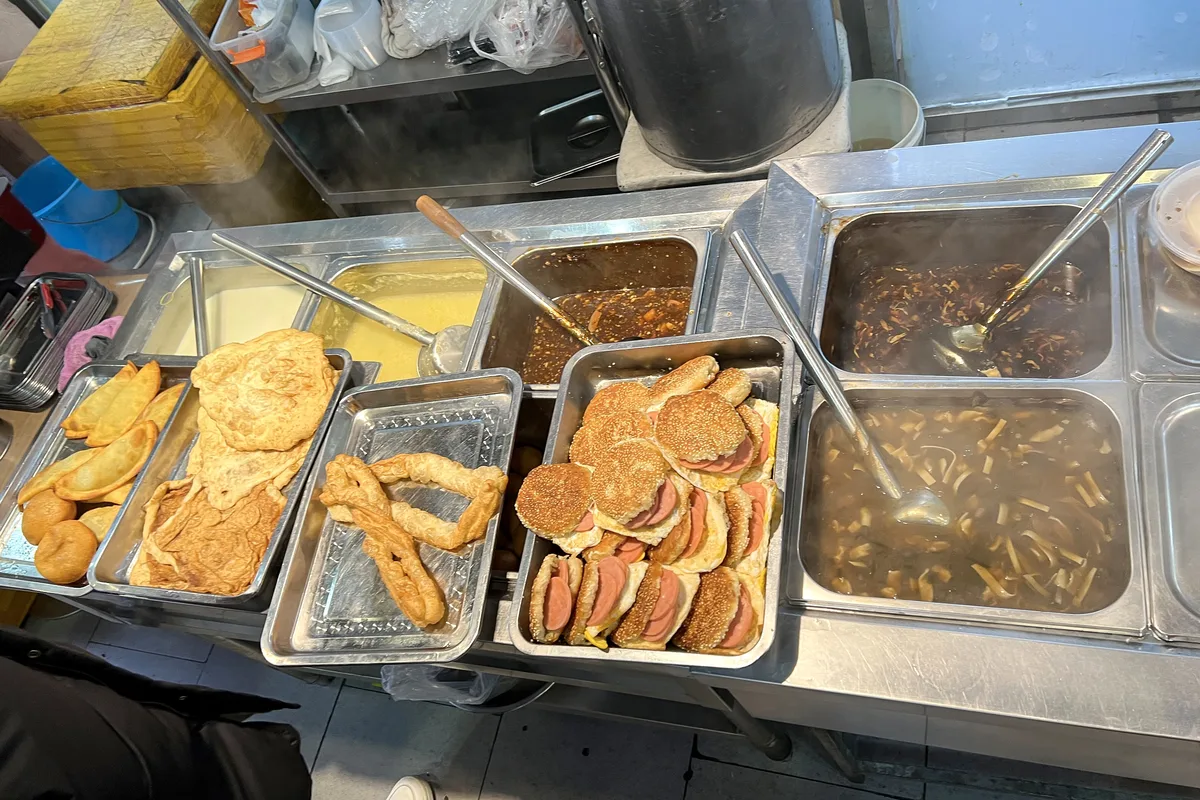
The dish is usually eaten in the morning or around breakfast-lunch hours. It belongs to the same everyday food world as baozi, shaobing, youtiao, soy milk, tofu pudding, and douzhi, but it is stronger than most of those options.
The Easiest First Order
If you are trying chaogan for the first time, keep the order simple: one bowl of chaogan and one or two baozi. The baozi makes the meal easier to balance because the steamed bun is warm, soft, and plain enough to offset the garlic-heavy gravy.
You do not need to order many side dishes at first. Chaogan is rich for its size. A small bowl plus buns is enough to understand the dish without overwhelming the table.
What to Say or Point To
At many breakfast shops, the simplest method is to point to the bowl and say “chaogan.” If the shop has a menu board, look for “炒肝.” If you are ordering several things, say or show the quantity clearly: one bowl of chaogan, one basket or portion of baozi, and any drink you want.
Breakfast shops can move quickly, so short orders work better than long explanations. If you are not sure about size or portion, watch what other customers receive and point to the same type of bowl.
Why Baozi Is the Natural Pairing
Chaogan and baozi work because they solve each other’s problems. Chaogan is thick, garlicky, and intense. Baozi is soft, warm, and steady. A bite of bun gives your mouth a break from the gravy, while the chaogan makes the plain wheat and filling taste more satisfying.
The pairing is common enough that it deserves its own guide: Chaogan and Baozi. If you are unsure what filling to choose, pork or beef baozi makes the meal hearty, while vegetable baozi keeps it lighter.
Other Pairings That Work
Baozi is the easiest pairing, but not the only one. Fried wheat items and plain breads can also work. Youtiao or youbing can give the meal crispness and oil, while shaobing adds sesame aroma and toasted wheat flavor.
Be careful about pairing chaogan with too many heavy items. A bowl of chaogan plus several fried foods can feel greasy quickly. If you want variety, share a few breakfast staples with another person instead of ordering everything for yourself.
How to Eat the Bowl
Chaogan is usually eaten with a spoon or by lifting the bowl carefully, depending on the shop and your comfort level. The gravy is thick, so small spoonfuls work well. Take a little liver or intestine with the broth, then follow with baozi or bread.
Do not wait too long. The texture is best while hot. As the bowl cools, the gravy can feel heavier and the garlic can become sharper.
What First-Timers Notice
The garlic is often the first thing people notice. It is not a light garnish. It is part of the dish’s identity. The second surprise is texture: soft liver, chewy intestine, and glossy gravy together can feel different from Western breakfast expectations.
If you already like offal, garlic, and savory breakfasts, chaogan may be easier than expected. If you dislike offal texture, start with a small shared bowl instead of ordering it as your only breakfast.
Chaogan vs Douzhi for a First Beijing Breakfast
Chaogan and douzhi are both old Beijing breakfast flavors, but they challenge visitors in different ways. Chaogan is meaty and garlicky. Douzhi is sour and fermented. Chaogan looks more intense, but douzhi can be more surprising in taste.
For a full comparison, read Chaogan vs Douzhi. If you are only choosing one for a first morning, chaogan with baozi is usually easier to understand than douzhi without context.
Common Mistakes
- Expecting a dry stir-fry: chaogan is a thick bowl, not a wok-fried plate.
- Ordering it alone: it is easier with baozi or another wheat staple.
- Ignoring garlic: the garlic flavor is central, so avoid it if you dislike strong garlic in the morning.
- Waiting until it cools: the gravy is best hot.
- Over-ordering fried sides: one or two pairings are enough for a first try.
Where It Fits in Beijing Breakfast Culture
Chaogan shows the savory, practical side of Beijing breakfast. Not every morning food is sweet, light, or cafe-like. Some are hot, thick, garlicky, and built for people who want something filling before the day starts.
That is why chaogan belongs in the broader Beijing Breakfast guide, not only in a list of unusual foods. It is a working breakfast dish, a local snack-shop routine, and a useful window into old Beijing flavor.
Best Next Reads
Continue with Chaogan in Beijing, then read why locals pair chaogan with baozi. For a wider morning route, use the Beijing Breakfast Guide.
References and Further Reading
This guide is original editorial content. The links below were used for factual cross-checking, old Beijing food context, breakfast terminology, and local dining culture; they are not copied source text.
Comments (0)