Saqima Ingredients and Allergens: Wheat, Egg, Milk, Sesame, Nuts, and Label Questions
Read Beijing saqima ingredients accurately, including wheat, egg, milk, sesame, and nuts, with practical label and counter questions for allergy-aware ordering.
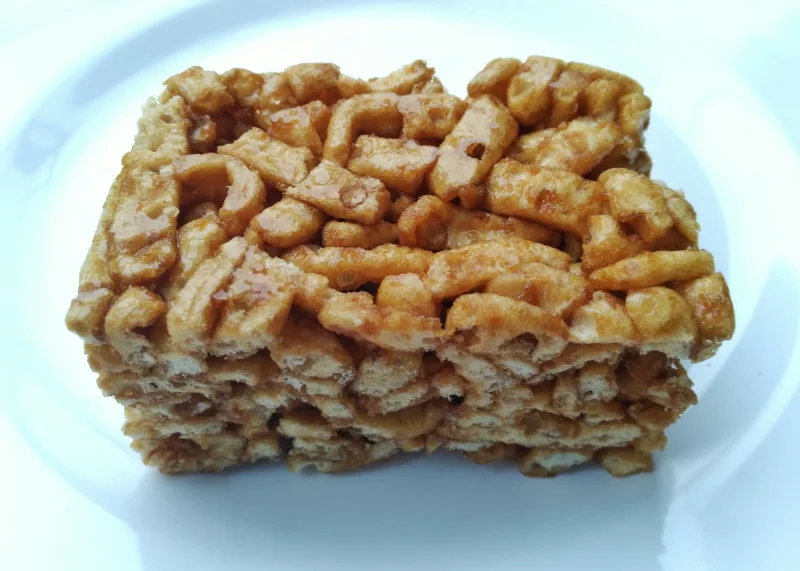
A practical guide to Beijing-style saqima: what the fried wheat-strand pastry should taste and feel like, how fresh counter pieces differ from packaged bars, and how to order it.
Saqima is one of the easier Beijing sweets to carry away, but it is easy to misread. It is not a rice cake and not a biscuit: a good piece is made from fine fried wheat strands that are gathered with syrup, then cut into a light block. The first bite should break gently and then soften, rather than feel wet, rock-hard, or uniformly doughy.
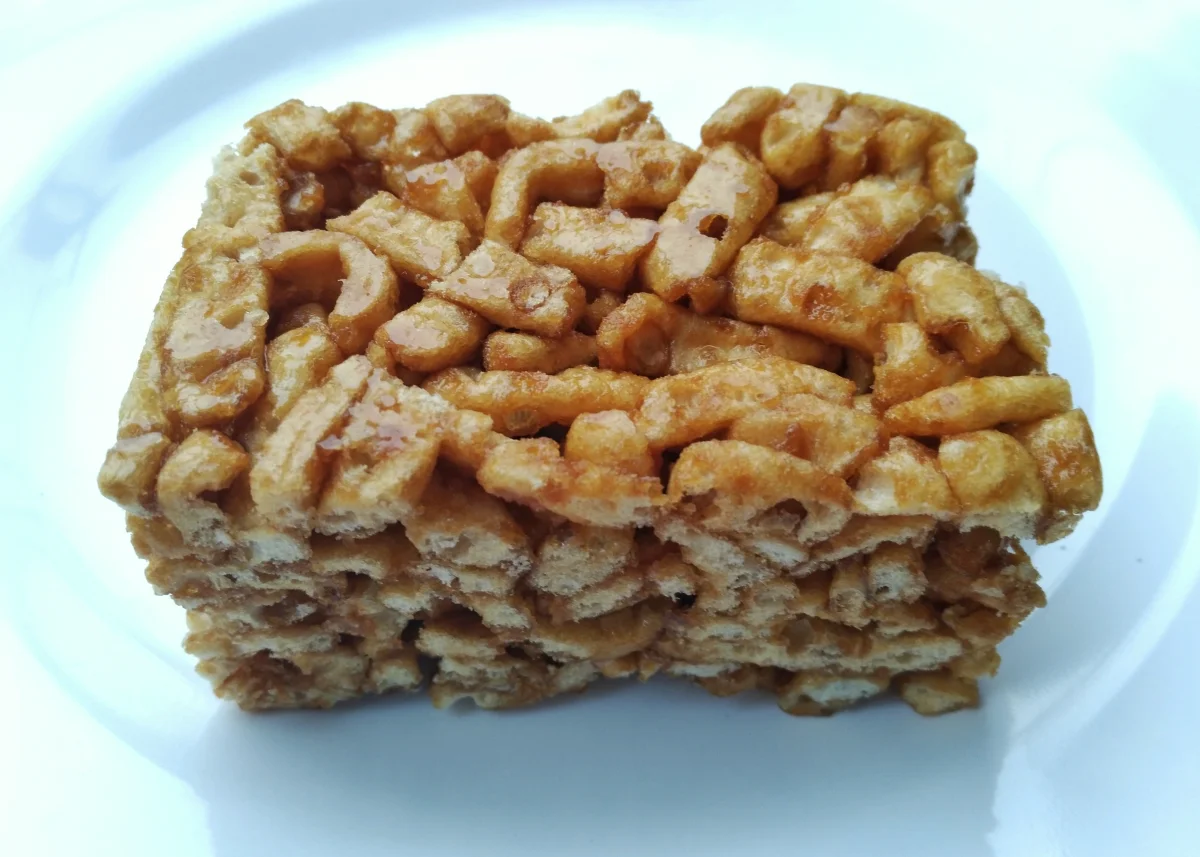
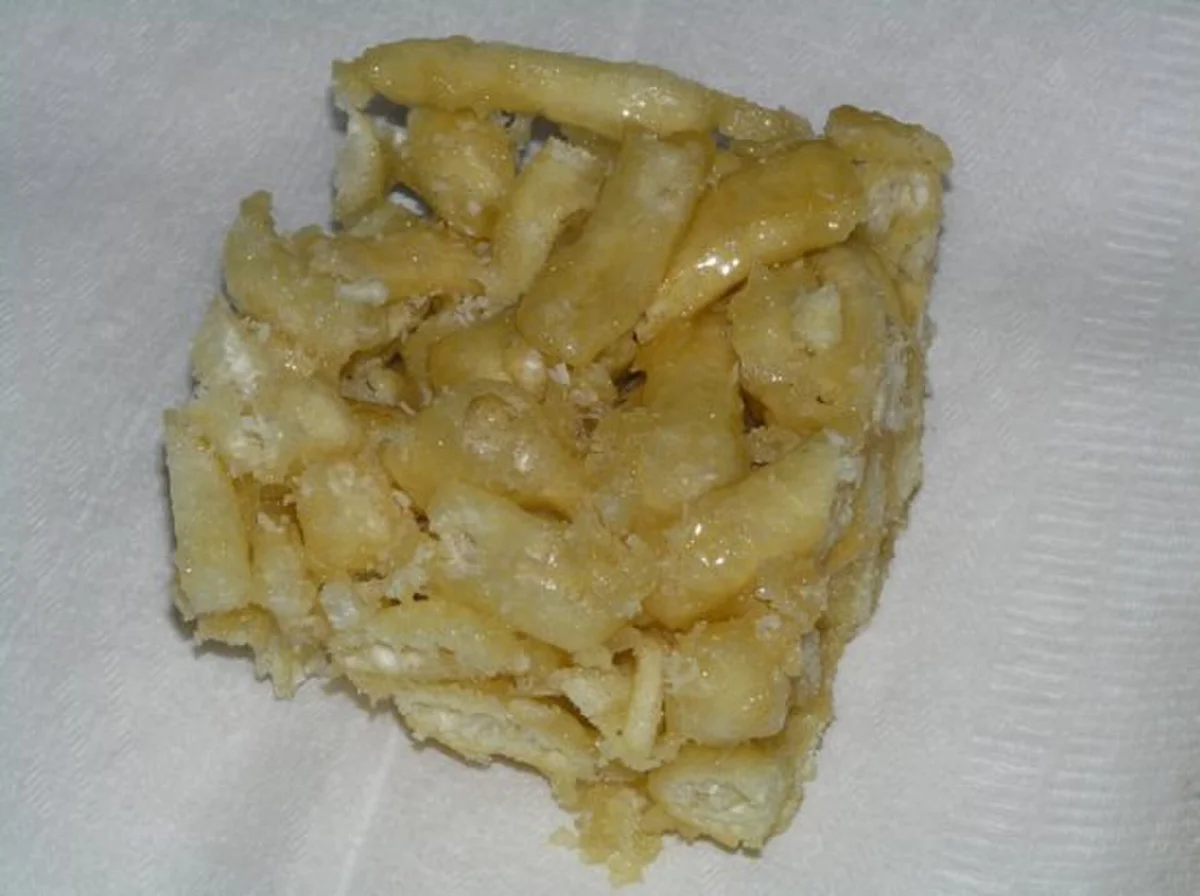
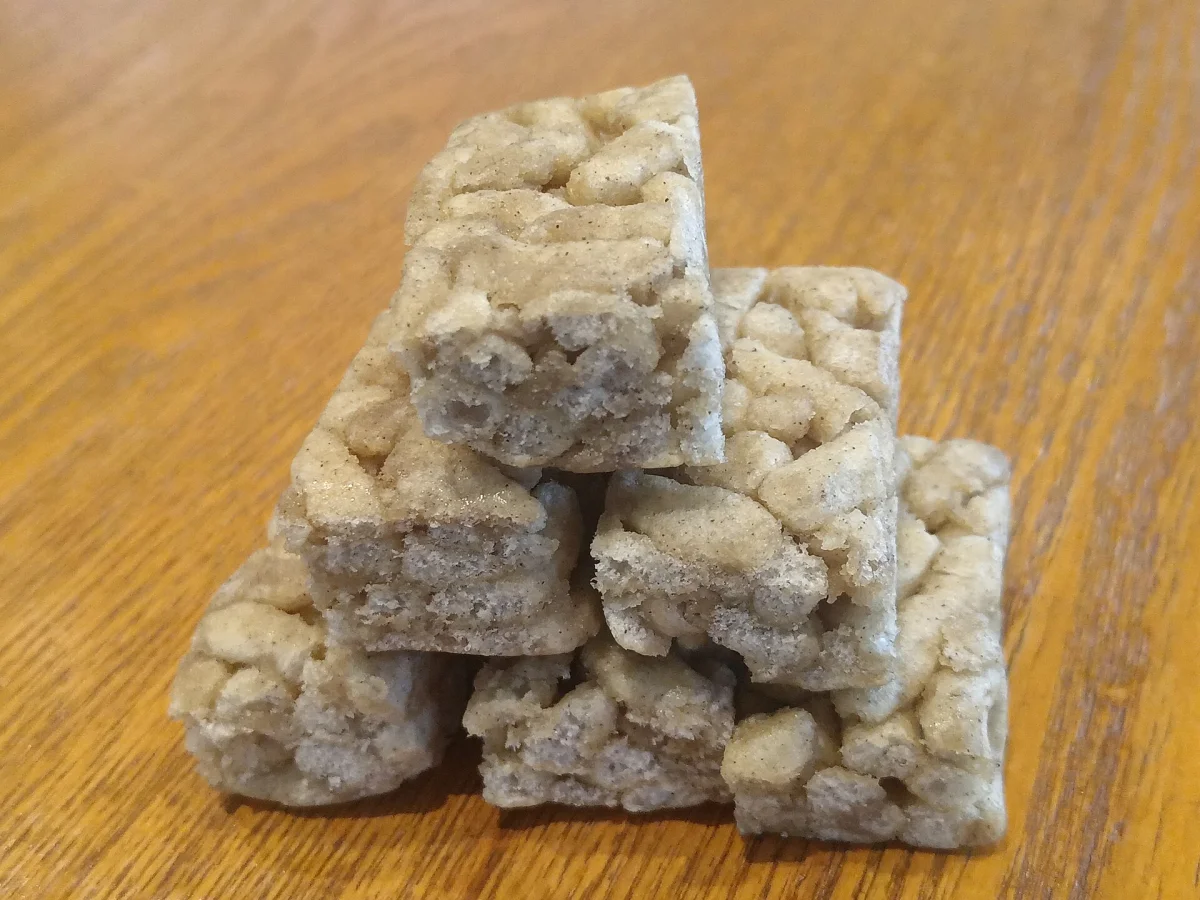
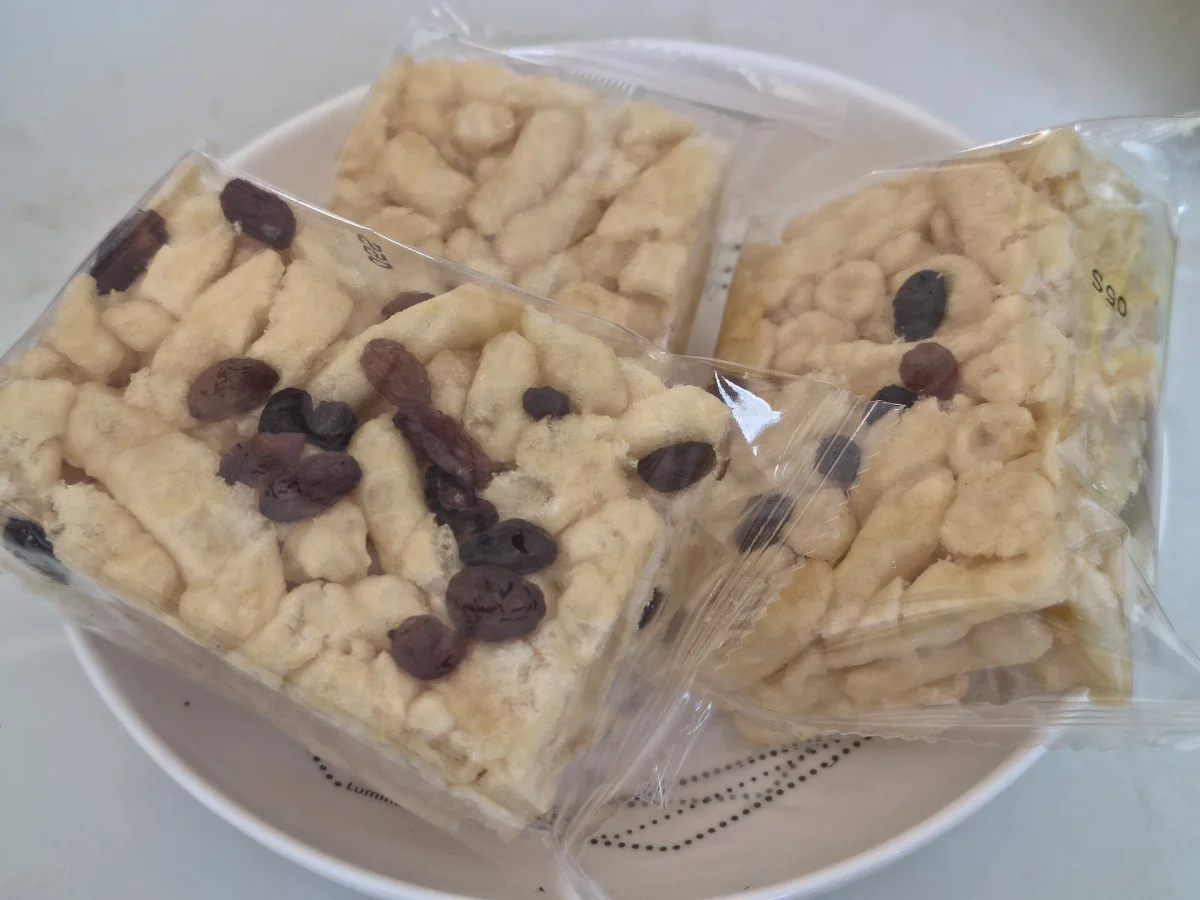
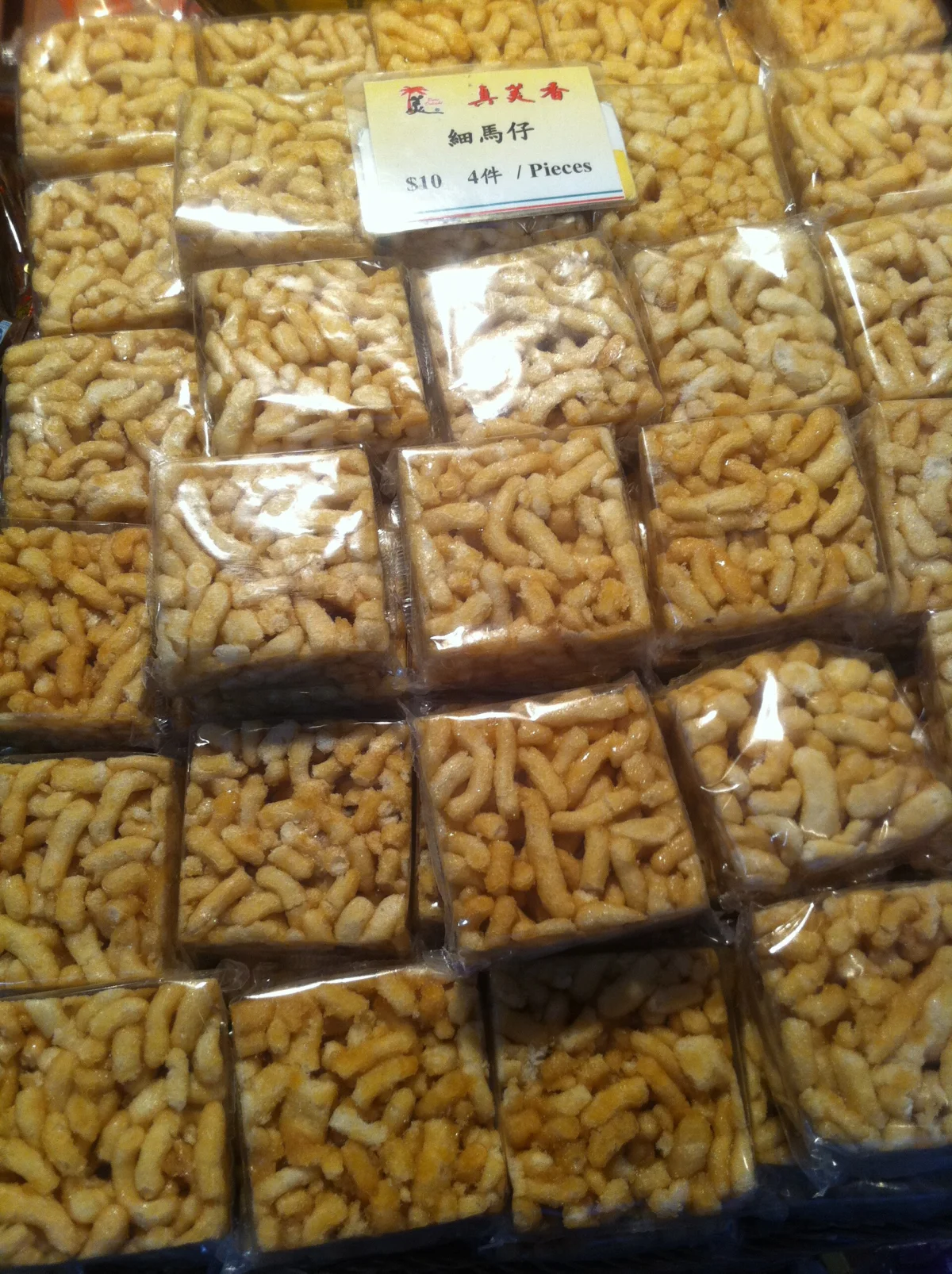
The official Beijing Tourism description calls saqima a Beijing four-season pastry and notes the older spellings sha qima, sha qima, and sai li ma. Its essential construction is simple: thin fried strands are bound with sugar syrup. That construction explains the contrast that matters more than any single brand name: a delicate surface, open strands inside, and enough syrup to hold the square together without turning it into a sticky candy.
Many Beijing versions lean toward a pale golden color and a soft, airy chew. Osmanthus and honey are commonly associated with the local style, but the aroma should support the fried-wheat flavor rather than hide it. Sesame, raisins, nuts, or dried fruit can appear in modern and packaged versions; they are variations, not a requirement for identifying the snack.
At a counter, saqima is best treated as a pastry: buy a modest amount, keep it protected from humidity, and eat it while the strands still feel light. Packaged bars are useful for travel and gifts, but their texture varies more. Individual wrapping, raisins, or a reduced-sugar label tell you about a product style, not whether it represents the classic Beijing formula.
For a first tasting, choose an unbroken piece with clean-cut sides and a dry-looking surface. If the package is visibly compressed, oily, or has many loose crumbs at the bottom, expect less of the airy texture that makes saqima appealing.
Saqima works better as a small sweet finish than as a full breakfast. Have it with plain hot tea, or share one or two pieces after savory snacks. Its fried-wheat and syrup profile is very different from Aiwowo, which is soft and glutinous with a hidden filling, and from Lvdagun, which is rolled and coated in soybean flour. Those are useful comparisons when a snack counter groups several traditional sweets together.
When ordering in a traditional snack shop or pastry counter, ask for saqima (萨其马) and start with the plain version if it is available. Then decide whether you prefer added nuts, fruit, or a less-sweet packaged bar. The snack is satisfying in small portions, so one piece alongside tea is usually a better first order than a large box.
Saqima is not defined by a restaurant-style plating ritual. Its value is in a specific pastry technique and texture: fried strands, syrup binding, and a soft but structured bite. That makes it a useful counterpoint to Beijing's rice-based and bean-filled sweets, and a practical choice when you want a traditional item that travels more easily than a fresh steamed snack.
Comments (0)