How to Order Chuanr in Beijing: Menu Words, Skewer Sizes, and First-Round Choices
Read a Beijing barbecue menu with confidence: meat names, offal and tendon terms, serving units, skewer sizes, and practical first-round questions.
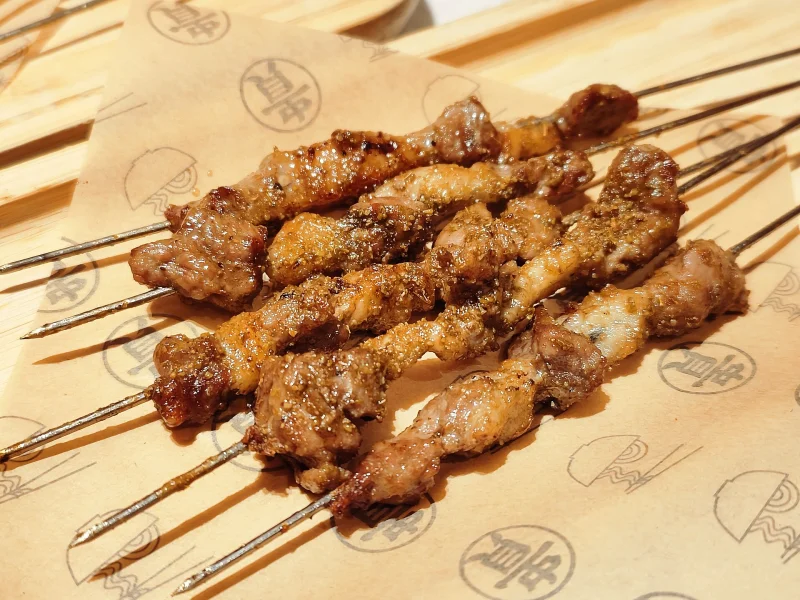
A practical guide to Beijing chuanr: grilled lamb skewers, cumin and chili seasoning, fat-to-lean balance, freshness cues, and how to order a barbecue meal in sensible rounds.
In Beijing, chuanr (串儿) means small grilled skewers, most often lamb, brought to the table hot from the grill. The best version is not about a complicated sauce: it is a balance of browned edges, juicy meat, a little rendered fat, cumin, chili, and enough salt to make the lamb taste clearer rather than heavier. It works as a quick snack, but it also belongs to the unhurried rhythm of a barbecue meal shared over several small orders.
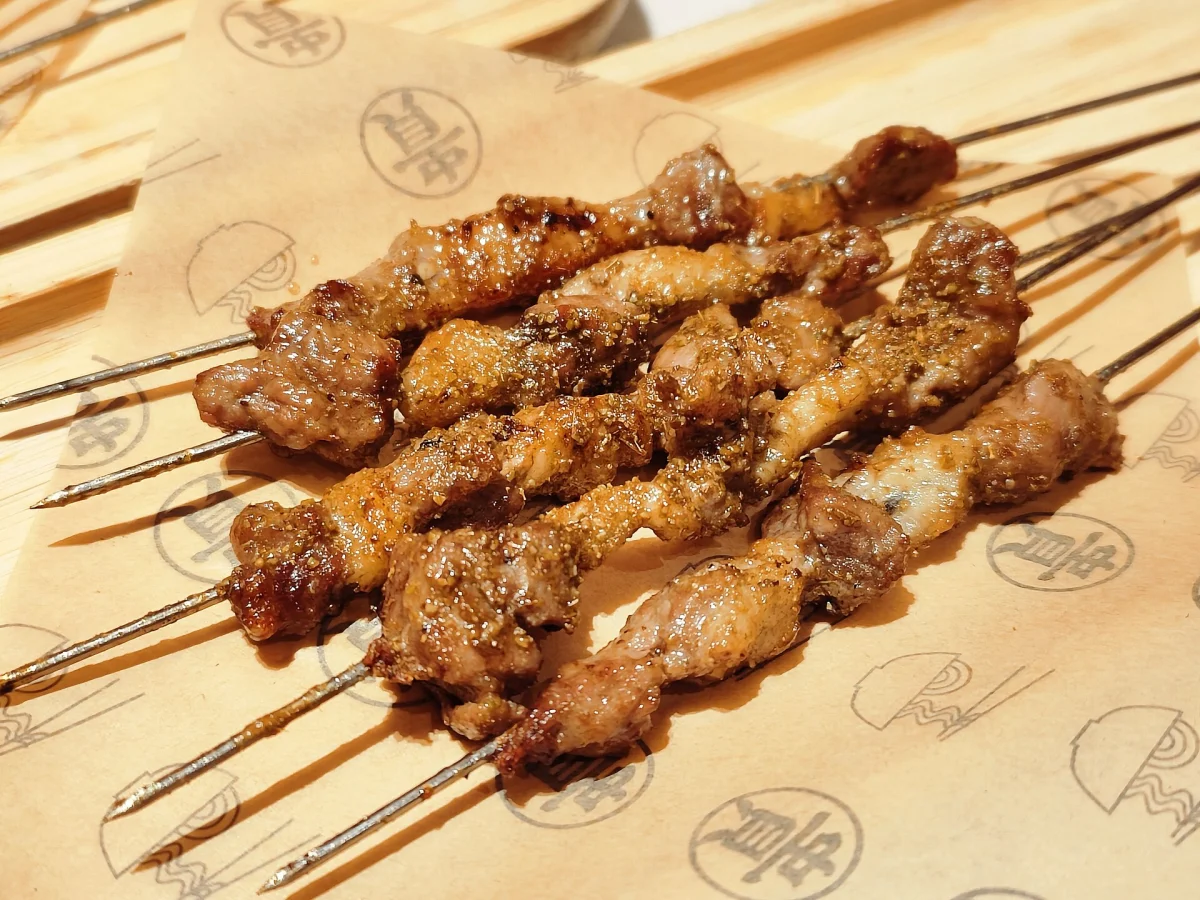
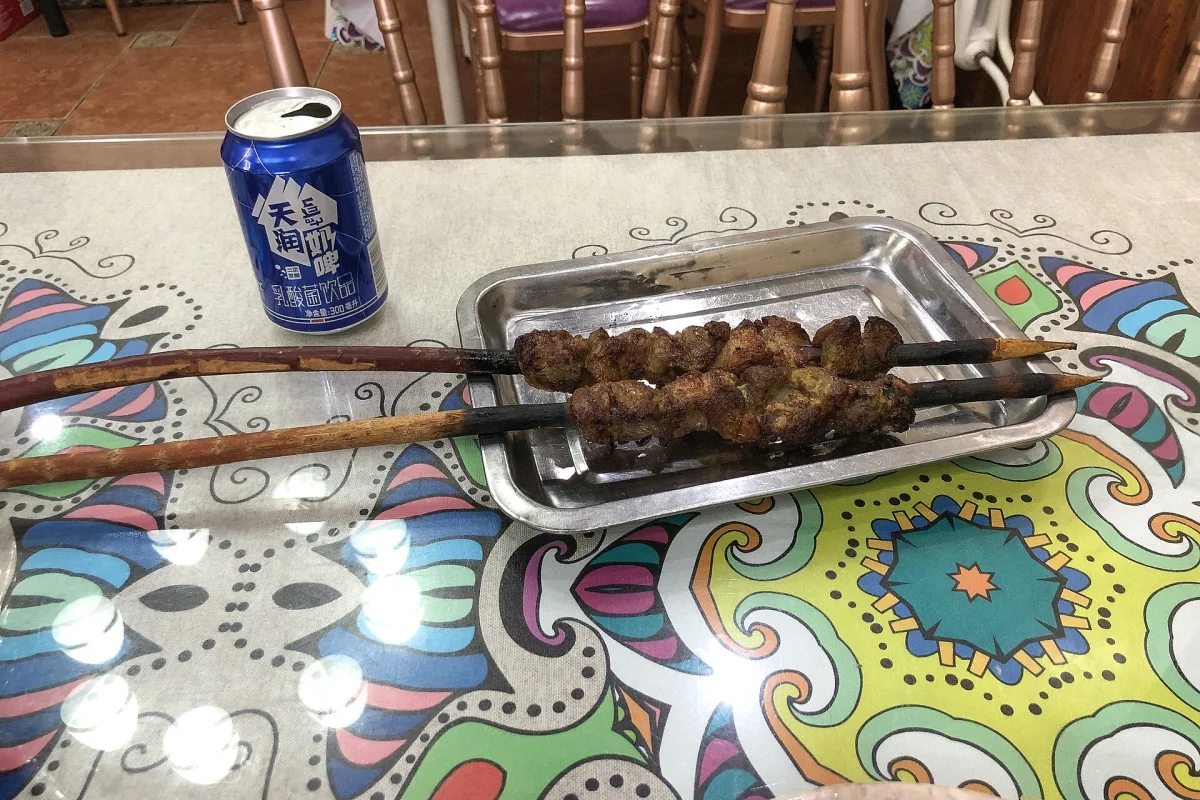
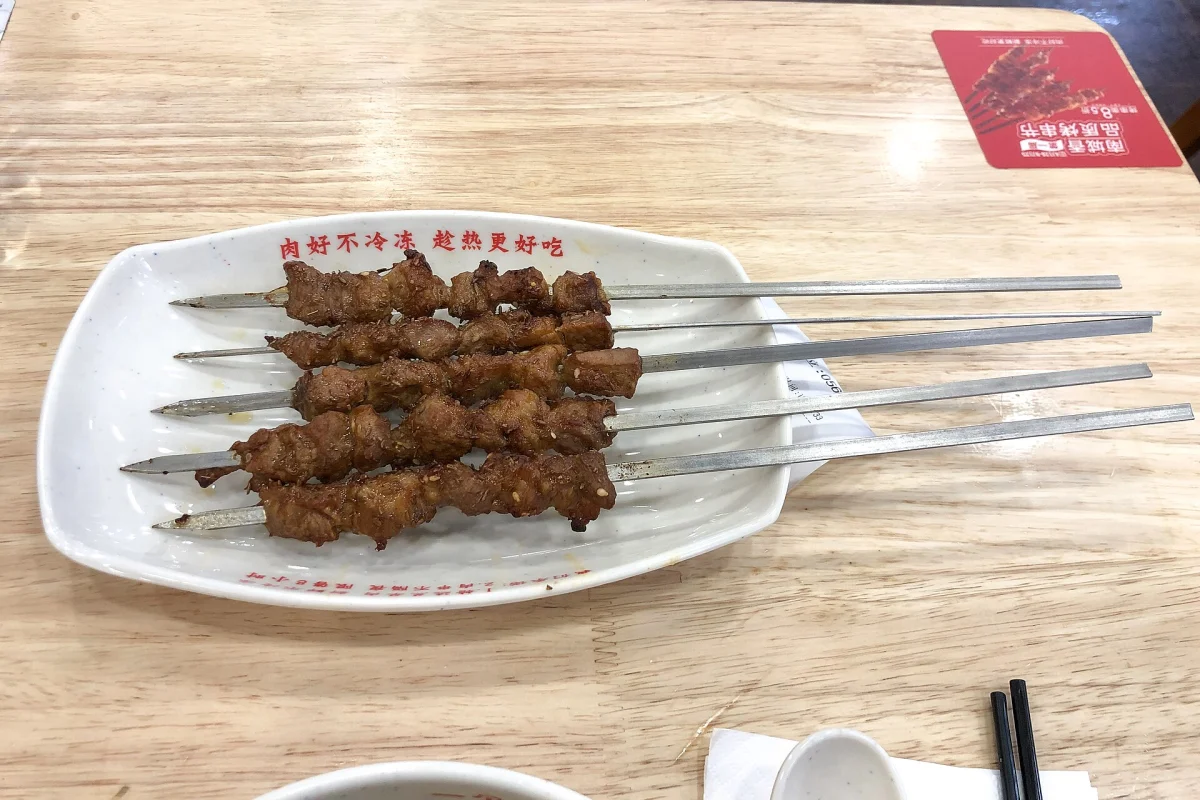
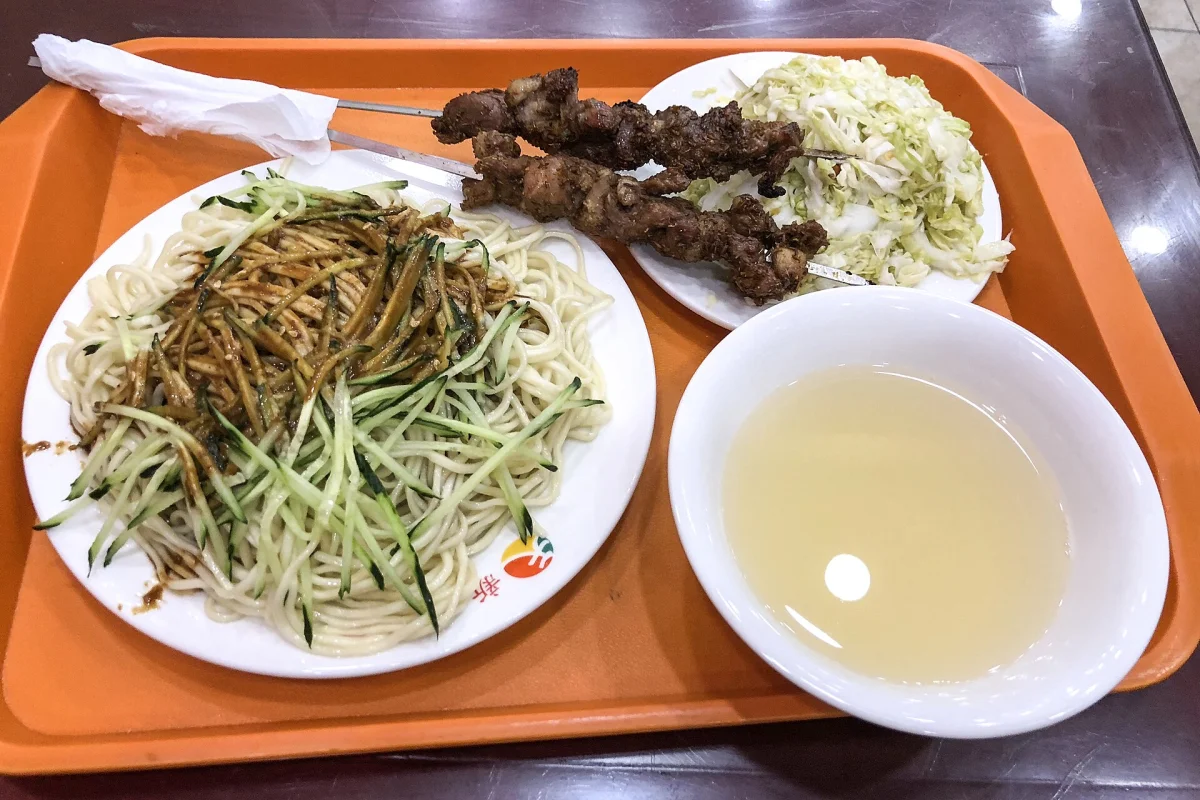
Chuanr is defined by the skewer and the grill, not by one fixed recipe. Lamb is the classic starting point, cut into small pieces so the exterior can colour quickly before the centre dries out. Different shops use charcoal, gas, or electric grills, and the seasoning level varies, so it is more useful to learn what to ask for than to expect every plate to taste identical.
Beijing barbecue menus can be broad, with vegetables, breads, cold dishes, and other grilled items alongside lamb. Start by treating the lamb skewers as the centre of the order. A small first round lets you judge the meat, the fat ratio, and the spice before adding more.
Good chuanr needs a little fat. Lean cubes alone can become firm before they pick up enough grill flavour, while a small amount of fat bastes the skewer and carries the aroma of cumin. The aim is a browned, fragrant exterior with meat that is still moist, not a uniformly crisp or heavily sauced kebab.
Cumin is the most recognizable aroma, often joined by dried chili and salt. If you are unsure about heat, ask for light chili on the first order and add more later. This is especially useful when the group also wants to taste the lamb itself, rather than covering every skewer with one aggressive seasoning mix.
For two people, begin with a modest shared plate of lamb skewers, then decide whether to repeat the order. This approach is more useful than treating a skewer count as a rule, because size, fat content, and the rest of the menu vary widely. Add one vegetable or cold side and a simple starch only after you know how substantial the lamb is.
If you are building a broader snack meal, a crisp wheat food such as shaobing can give the table a different texture. For a richer, griddled alternative with a filled centre, see the Men Ding Rou Bing topic. These are useful comparisons, not substitutes: chuanr is about the grill, while those foods are defined by bread and dough.
Small skewer shops and barbecue restaurants make sense after an evening walk because the food is cooked in short rounds and shared casually. Official Beijing tourism material documents both older electric-skewer shops and modern barbecue menus where lamb skewers are central to the meal. That setting is part of the appeal: listen for the grill, order a little at a time, and let the hottest plate arrive before deciding on the next one.
Comments (0)