Doufunao Toppings and Pairings Guide: How to Order Beijing Savory Tofu Pudding
A practical guide to Beijing doufunao toppings, savory gravy, chili oil, cilantro, and breakfast pairings such as youtiao, jiaoquan, shaobing, baozi, and tea eggs.
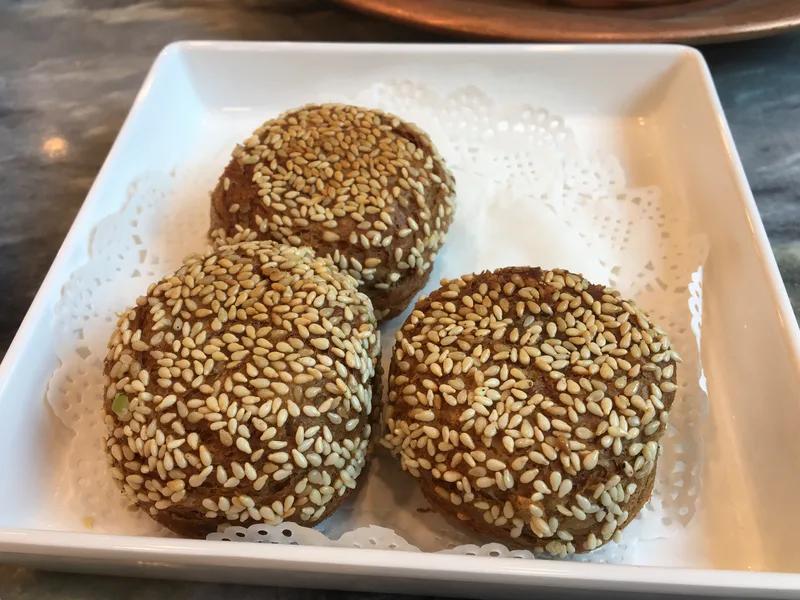
A practical guide to Beijing shaobing, covering sesame flatbread styles, breakfast pairings, stuffed versions, freshness signs, and how to order it in local morning shops.
Shaobing is easy to underestimate because it looks simple: a small round or oval wheat flatbread, often covered with sesame seeds and served from a breakfast counter. In Beijing, that simplicity is the point. A good shaobing gives you toasted sesame aroma, a warm wheat flavor, and enough structure to sit beside soup, soy milk, eggs, meat, or other breakfast foods without turning the meal heavy.
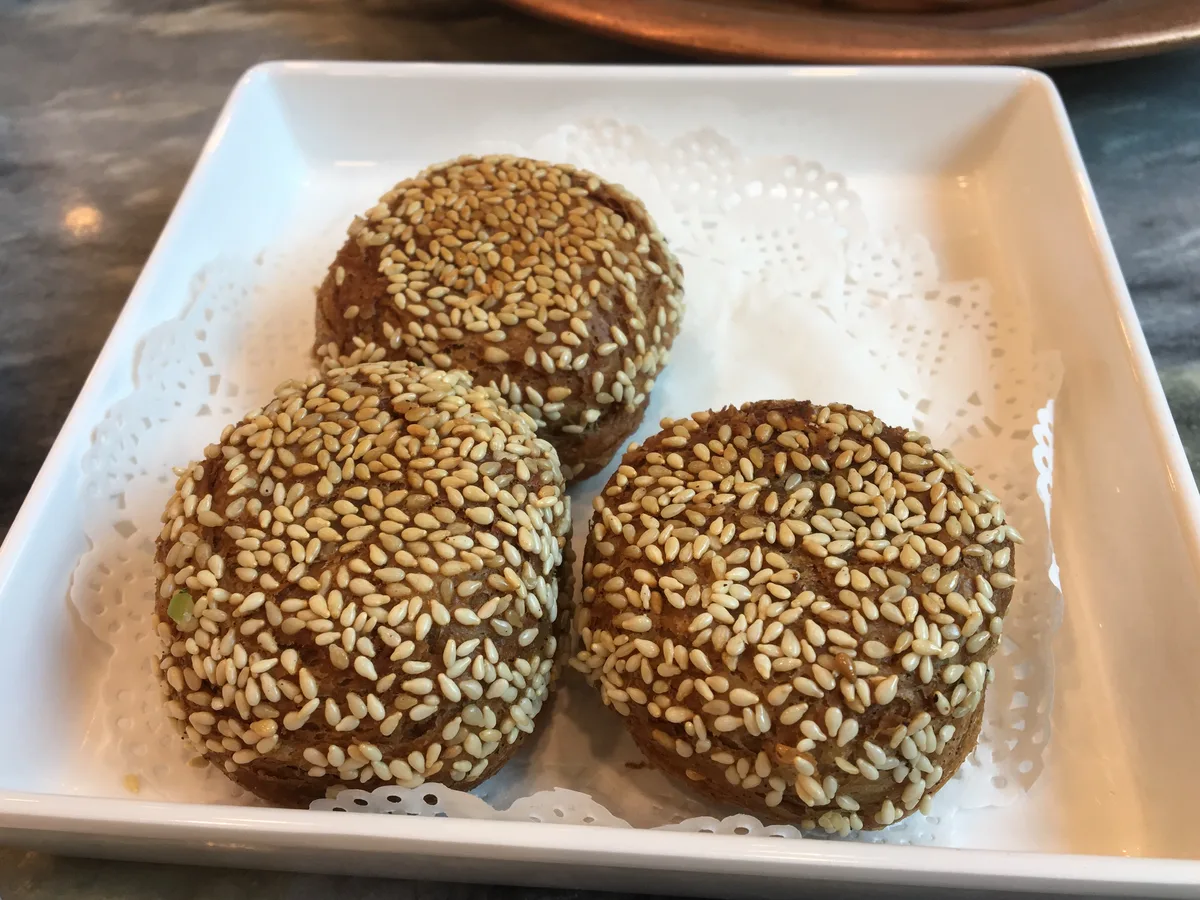
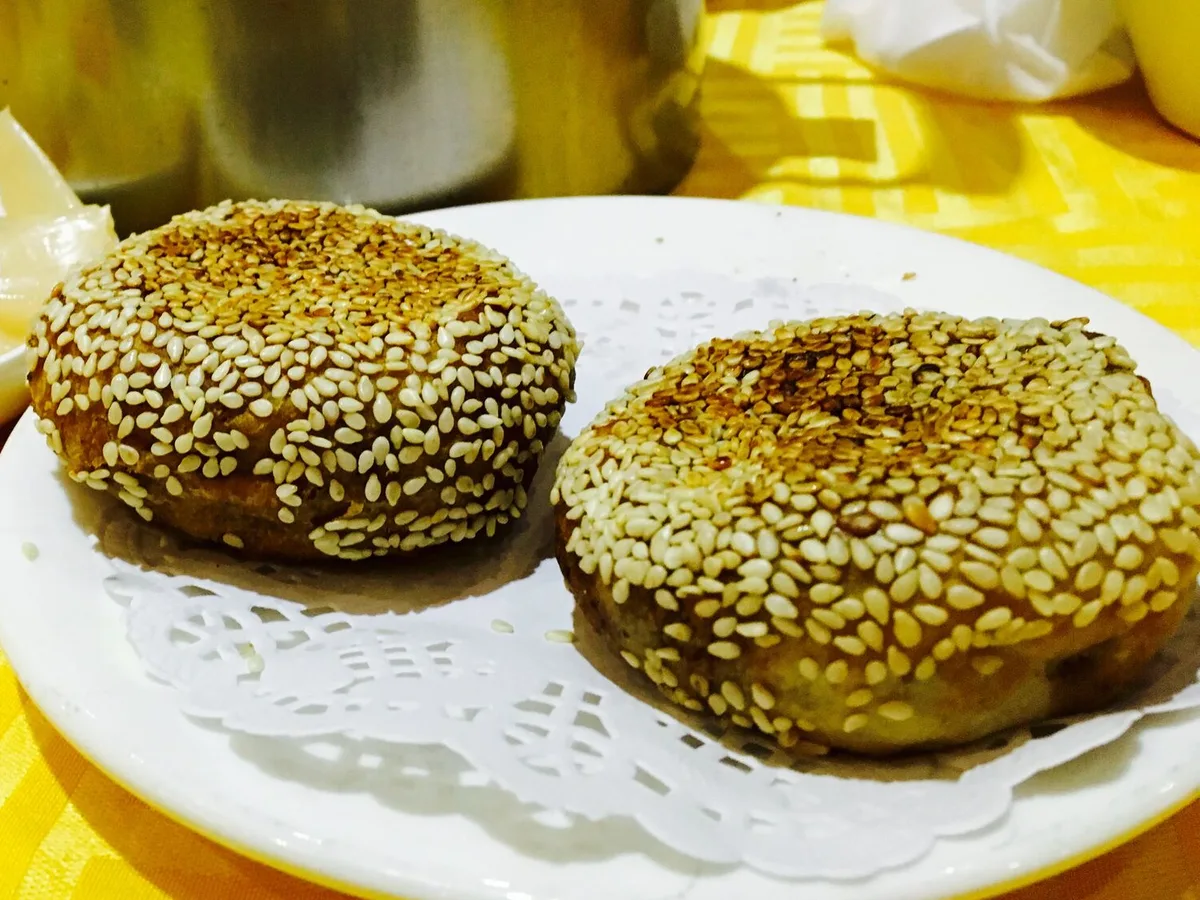
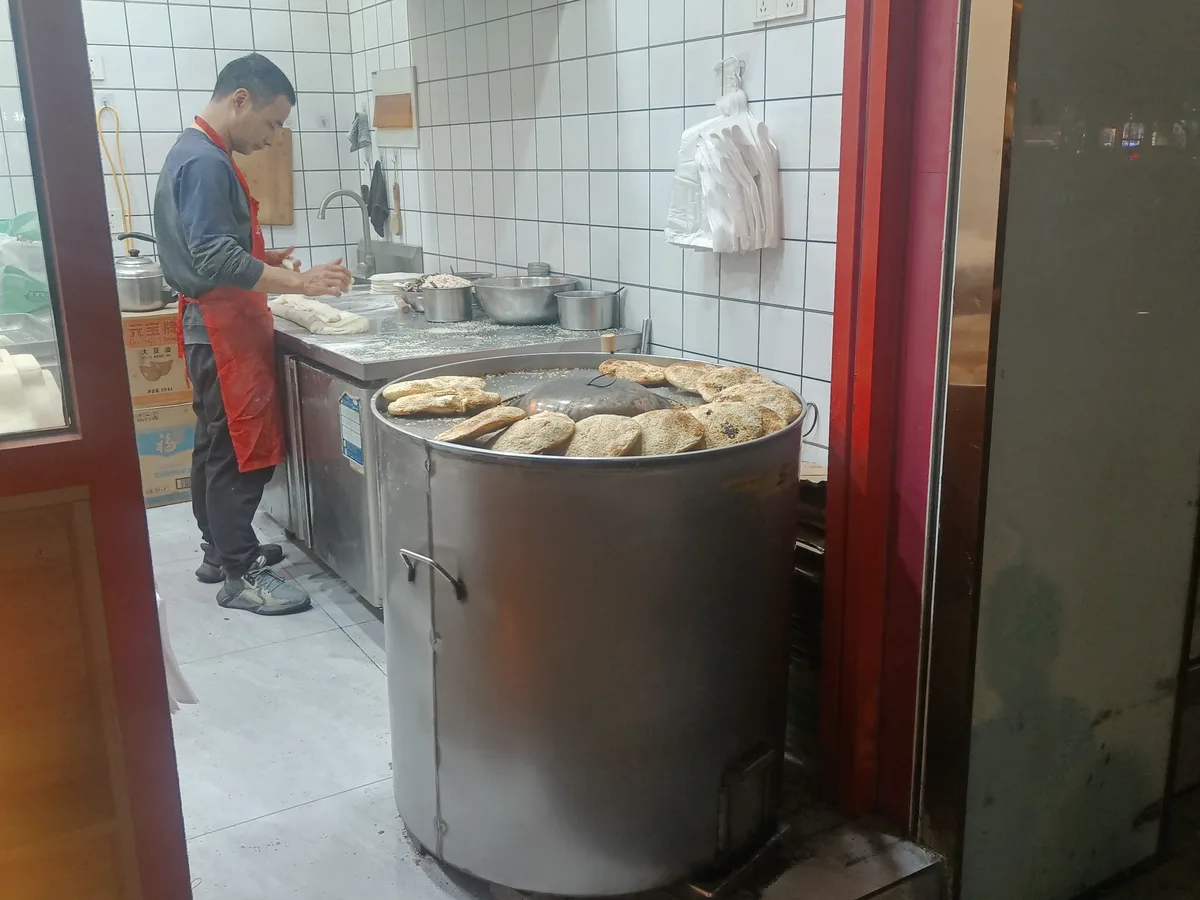
For visitors, shaobing is useful because it fills the gap between famous Beijing breakfasts such as jianbing and everyday steamed buns such as baozi. It is less dramatic than a crepe cooked to order and less juicy than a bun, but it explains how Beijing breakfast shops build a fast meal around heat, starch, and small savory pairings.
Shaobing is a Chinese baked or griddled flatbread made from wheat dough. The Beijing breakfast version is commonly sesame-topped, with a browned outside and a layered or slightly flaky interior. Some pieces are plain and meant to be paired with another item. Others are split and filled with beef, egg, luncheon meat, vegetables, or sauce.
The word can describe several related breads, so do not expect every shaobing in Beijing to look identical. A sesame-covered round from a snack shop, a larger flatbread from a bakery window, and a stuffed breakfast sandwich may all be called shaobing in different contexts. The key is the wheat bread base and the toasted, savory breakfast role.
Shaobing is rarely the whole story by itself. Locals often use it as the dry, fragrant part of a meal: one shaobing with soy milk, tofu pudding, millet porridge, a tea egg, or a bowl of soup. In a more traditional breakfast-shop setting, it can sit beside douzhi, jiaoquan, or other small items that balance sour, salty, fried, and toasted flavors.
This is why shaobing is worth treating as a guide topic rather than just a side bread. It helps explain the structure of Beijing breakfast: one staple, one drink or bowl, and sometimes one protein or pickle. The meal is quick, but the combinations are deliberate.
Plain sesame shaobing should smell nutty and toasted. The sesame should look browned, not pale and raw, and the surface should not be greasy. The inside can be soft, layered, or slightly chewy depending on the shop. A very dry piece is usually a sign that it has been sitting too long.
Stuffed shaobing is more filling. Beef shaobing, egg shaobing, and sausage-and-egg versions are common enough around breakfast counters, though exact fillings change by shop. These versions are closer to a sandwich and are easier for travelers who want one item they can carry.
If you want a light breakfast, pair one sesame shaobing with hot soy milk or tofu pudding. If you want something fuller, add a tea egg or a meat filling. If the bread is very dry and crisp, choose a bowl or drink with it; if it is stuffed and oily, keep the drink simple.
Shaobing also works well as a counterpoint to stronger foods. It can soften the sharpness of pickles, absorb soup, and make garlic-heavy dishes easier to eat. That makes it a natural partner for Beijing breakfast bowls, especially for people who find fermented or offal-based foods intense on their own.
Freshness matters more than fame. A good shop should have warm shaobing moving from the oven, griddle, or covered tray. The surface should still have fragrance, and the bread should not feel limp from trapped steam. If the shop reheats pieces, the result can still be acceptable, but freshly baked or freshly toasted is better.
Look at turnover. A simple breakfast window with steady local traffic is usually a better bet than a quiet counter with many breads already stacked. If you see the staff opening the oven or moving new pieces to the front, that is a good sign.
Jianbing is cooked as a crepe, usually with egg, sauce, herbs, and a crisp insert. Baozi are steamed buns with filling enclosed inside. Shaobing sits between them: bread-like, toasted, and flexible. It can be eaten plain, used as a side, or turned into a filled breakfast sandwich.
That difference matters when planning a Beijing food morning. Jianbing is best eaten immediately. Baozi are soft and filling. Shaobing can be slower, drier, and more fragrant, especially when paired with a drink or soup. Trying all three gives a better picture of everyday Beijing food than focusing only on one famous item.
Ask what is hot now rather than asking what is famous. If you do not speak Chinese, pointing works well because shaobing is displayed openly. Start with one plain sesame piece if you are tasting broadly, or choose a stuffed version if you want breakfast in one item.
Do not over-order. A small shaobing looks light, but wheat bread plus soy milk, eggs, or soup becomes filling quickly. If you are also trying douzhi, jiaoquan, baozi, or noodles that morning, one piece is enough.
Shaobing is not the loudest Beijing breakfast food, but it is one of the most practical. Choose a shop with hot turnover, match the bread to the rest of your meal, and treat it as part of the breakfast system rather than as a stand-alone pastry.
Image Credits: Shaobing photos from Wikimedia Commons file pages: Shaobing, Sesame Shaobing, and Bakery in the street, Shaobing are being sold.
Comments (0)