Guotie Dipping Sauce: Vinegar, Garlic, and Chili Without Losing the Crunch
Choose a guotie dip that suits your plate: recognize vinegar labels, compare fresh garlic with Laba garlic, adjust chili, and keep the browned base crisp.
Compare pan-fried, boiled, and steamed dumplings by texture and menu wording, with practical questions for choosing cooking styles and portions in Beijing.
Two plates can have the same pork filling and still give you very different dumpling meals. One has a browned, crisp base; another has a slippery wrapper fresh from boiling water; a third arrives in a steamer. When a Beijing menu lists guotie, shuijiao, and zhengjiao, start with how you want the wrapper to feel, then choose the filling.
This comparison is about the cooking method, not another catalogue of fillings or sauces. For the basics of a potsticker order, use our Beijing guotie guide. Here, the useful question is whether you want a pan-fried, boiled, or steamed dumpling, and how to recognize that choice on a menu.
The Beijing tourism authority's dumpling entry uses these three broad cooking categories. They are useful menu distinctions, not three exclusive filling recipes. A pork-and-vegetable filling can appear in more than one category; conversely, one restaurant may only offer a particular filling in one cooking style.
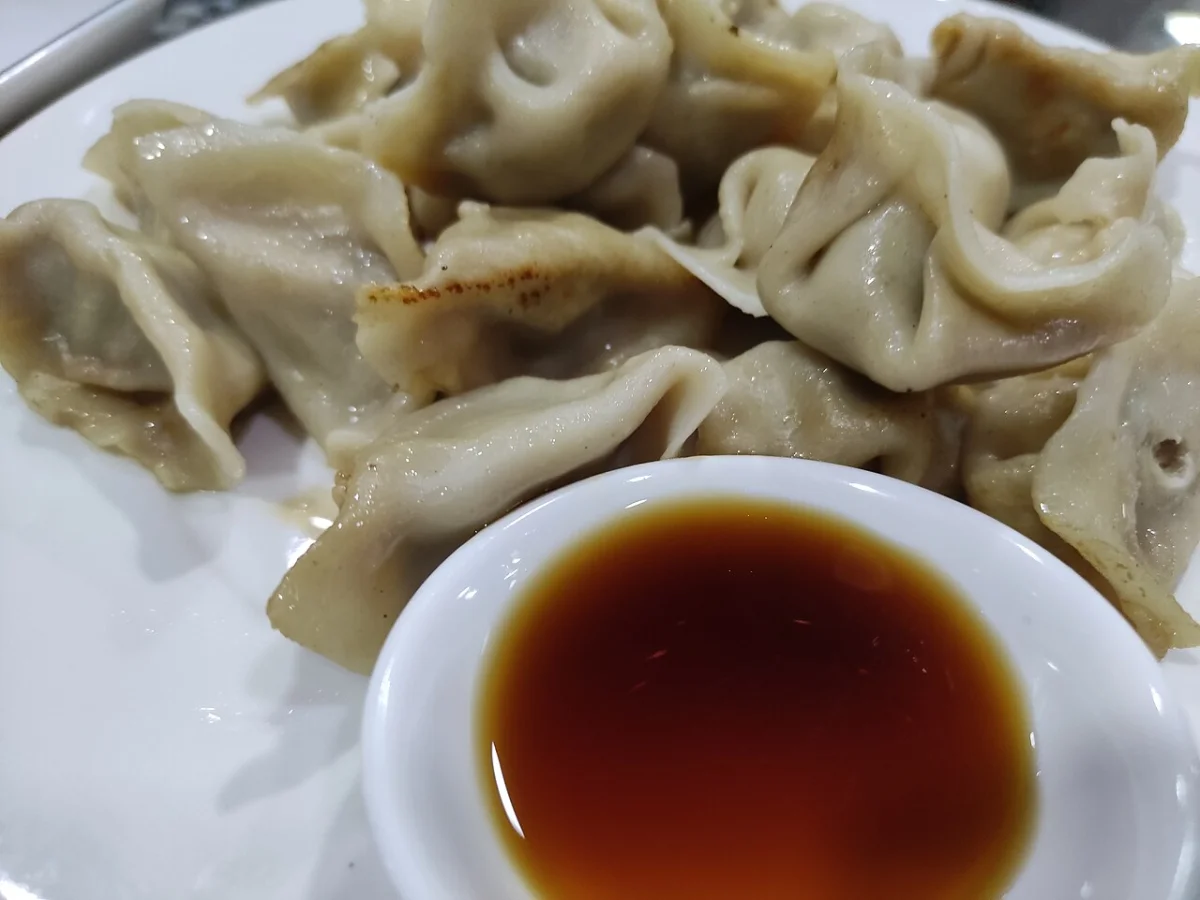
Guotie are about the difference between the browned contact surface and the softer dough above it. That is why a photograph showing only the pleated top can be misleading. A pale upper wrapper does not mean a dumpling has not been pan-fried, and an elongated shape is not the only possible form.
Choose guotie when you specifically want that toasted surface. Eat a freshly served portion while the texture is still distinct, rather than letting it sit in a puddle of sauce. The separate guotie dipping-sauce guide covers vinegar, garlic, and chili without repeating those combinations here.
The wrapper is cooked directly in water. In the bowl or on the plate, the absence of a browned base changes the experience: you are comparing the dough's tenderness or chew with the filling, rather than a crust with a soft top. Thickness, dough, and cooking all affect the result, so “boiled” does not promise one exact degree of softness.
Do not reject a plate of drained dumplings because you expected the word “water” to mean a soup dish. If soup is important to your order, ask whether broth is included, available separately, or part of a different menu item.
Steamed dumplings keep their identity as dumplings; steaming alone does not turn them into baozi. A steamer is a cooking vessel, not a complete description of the dough. Wrapper thickness and texture can differ between shops, and a dumpling's pleats do not tell you its ingredients.
If you are expecting a fluffy, bread-like steamed bun, check the menu for baozi instead. Our baozi collection explains that separate category. If you are comparing dumplings, ask specifically for 蒸饺 rather than pointing to an empty bamboo basket and assuming everything served in it is the same food.
煎饺, jianjiao, means pan-fried dumplings. You may see the English word “potstickers” used for both jianjiao and guotie. The terms overlap in practical restaurant use, while individual cooks and regional traditions may distinguish their shapes or preparation sequences more narrowly.
For ordering, avoid two shortcuts: “guotie must always have open ends,” and “jianjiao must always be boiled leftovers.” Neither is a dependable rule for an unfamiliar menu. If the distinction matters to you, ask how that shop prepares the dish. Do not turn an English translation or a photograph of one example into a rule for all Beijing restaurants.
Use the texture you most want as the starting point:
Check the serving unit before ordering a second plate. A portion, a steamer, and a number of pieces are not interchangeable measurements. Ask how many dumplings come in that particular order; do not assume a basket contains the same amount as a plate pictured elsewhere.
If an English menu says only “dumplings,” these questions are more useful than trying to infer the method from the price or the illustration. A menu photograph can show a different serving arrangement from the one you receive.
“Steamed” and “boiled” do not mean vegetarian. Nor can you determine the filling, cooking fat, allergens, or overall nutritional composition from the method alone. A vegetable name may describe just one component of a mixed filling.
If you have a dietary requirement, ask about the filling and preparation separately. For a strict allergy, that includes shared equipment and condiments, not just the visible wrapper. This guide compares eating styles; it does not rank an unspecified restaurant portion as healthier than another.
You do not necessarily need three different specialist restaurants to try the comparison. In its January 2026 dumpling-shop overview, Visit Beijing described Jingu Yuan as offering potstickers as well as boiled dumplings, and Xinxingyuan as offering steamed and boiled dumplings. These are examples of menu variety reported at that time, not a guarantee of today's availability at every branch.
Check the current branch menu before making a special trip. This article does not repeat old opening hours or prices, and the photographs accompanying this article are not evidence of a recent visit by our team. Browse the guotie topic to connect the comparison with the ordering and sauce guides, or the Beijing breakfast collection when building a wider meal.
Shuijiao describes boiling as the cooking method. A serving can be drained onto a plate; ask separately if you want dumplings in soup.
Yes: the browned dough and the contrast between base and upper wrapper change the overall bite. A fair comparison uses the same filling rather than comparing two entirely different recipes.
No. Similar folded shapes appear across cooking methods. Read the menu term or ask the staff.
Background checked against Visit Beijing's dumpling cooking categories, its guotie description, and the January 2026 Beijing dumpling-shop overview. The comparison and ordering suggestions are editorial guidance, not a firsthand restaurant review or a universal recipe specification.
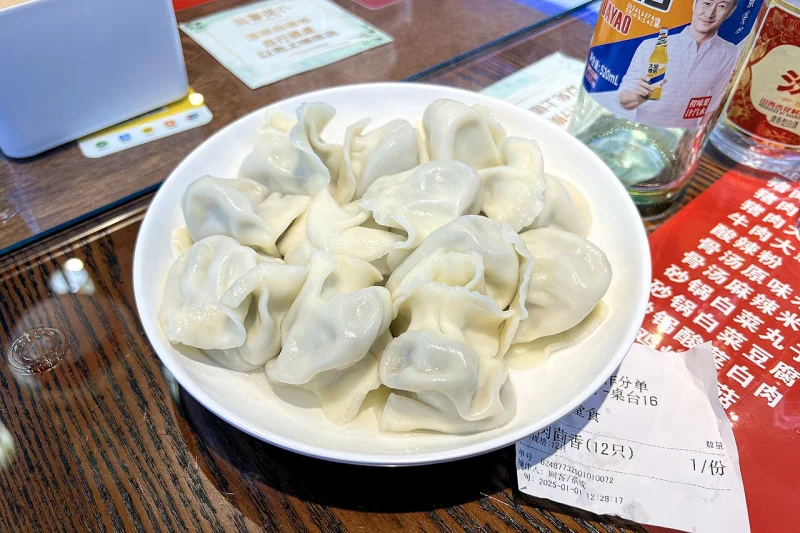
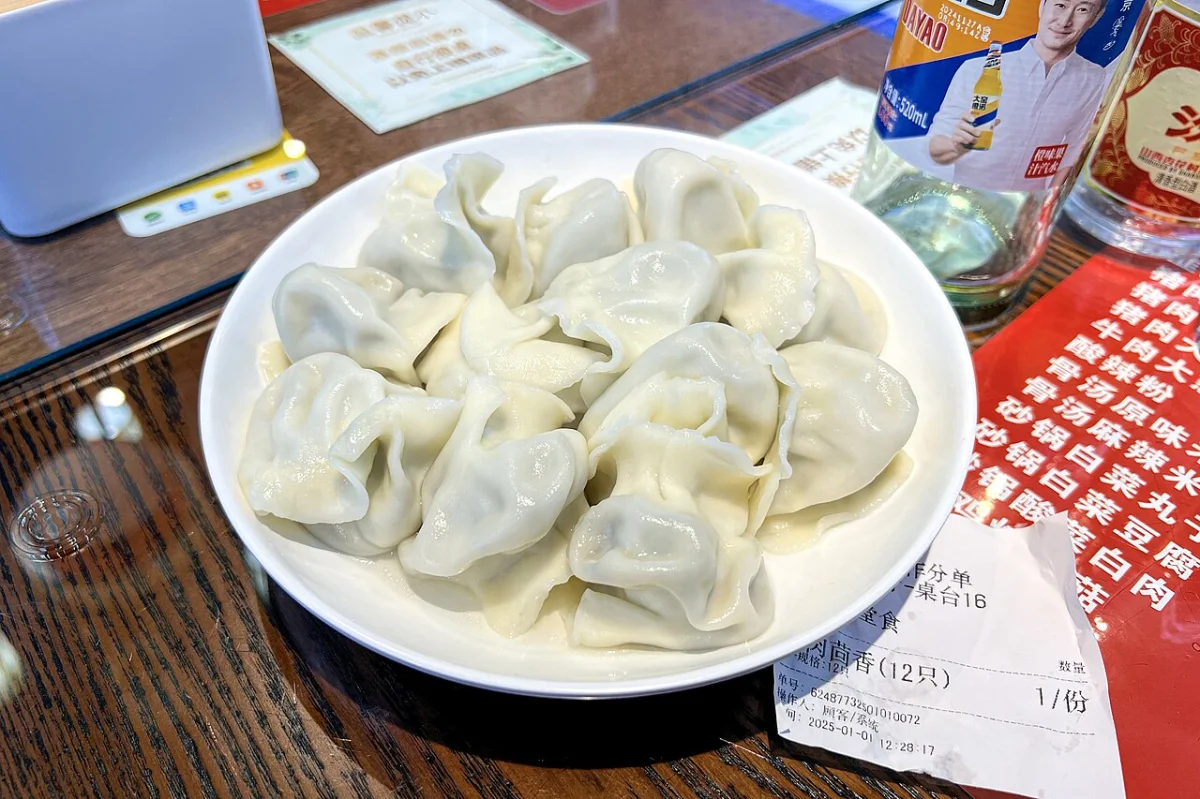
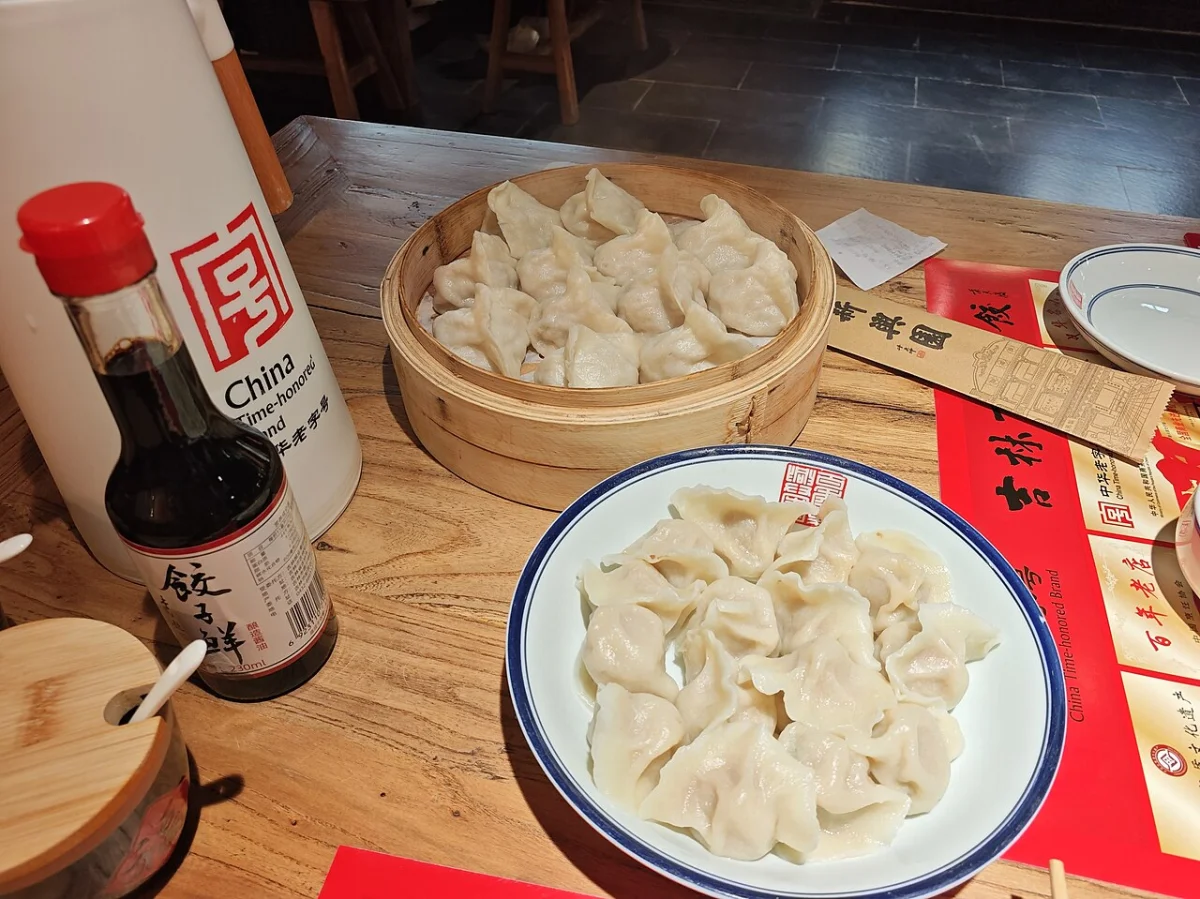
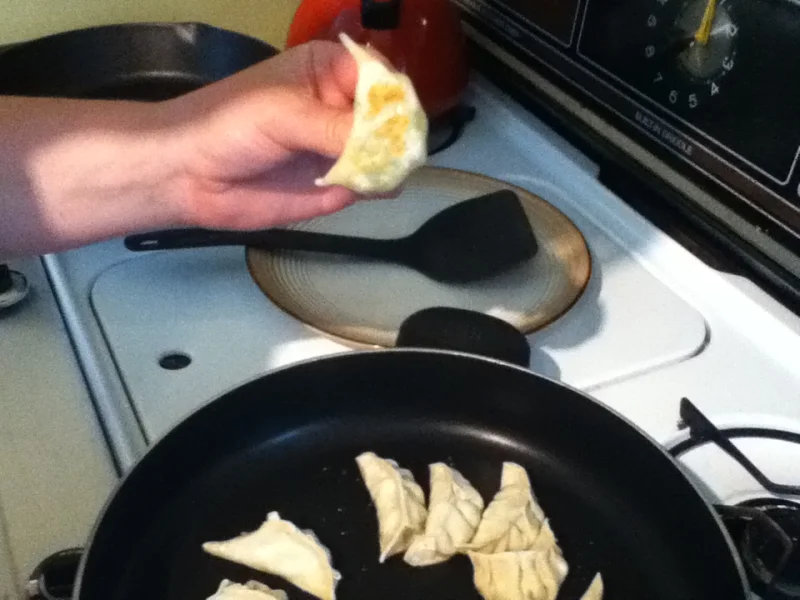
Four real photographs illustrate different information: a Beijing plate of dumplings, pan-fried dumplings photographed in Murcia, steamed and boiled dumplings photographed in Changchun, and a home potsticker cooking demonstration. Locations are identified rather than presenting every image as Beijing restaurant photography. Historical menus, receipts, and prices visible in photographs are not current recommendations.
Photographs are resized and compressed; card and social crops may differ from full images. Adaptations remain under their respective CC BY-SA licenses.
Comments (0)