Guotie vs. Shuijiao vs. Zhengjiao: Choosing Dumplings in Beijing
Compare pan-fried, boiled, and steamed dumplings by texture and menu wording, with practical questions for choosing cooking styles and portions in Beijing.
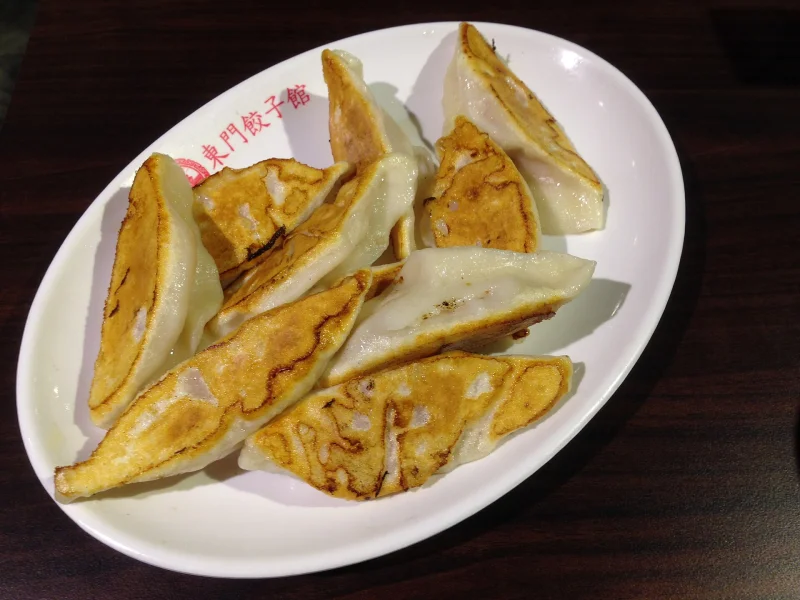
Read Beijing guotie filling names accurately, from pork and chive to lamb, sanxian, egg, and vegetable options, with practical ingredient questions for ordering.
A guotie menu may look simple until the filling names begin to stack up: pork and chive, pork and cabbage, beef, lamb and zucchini, three-delicacy, or a vegetable combination that may still contain egg or dried shrimp. The useful rule is that guotie describes the pan-fried dumpling format, not one fixed filling. The crisp base tells you how it is cooked; the menu name tells you only as much as the shop chooses to print.
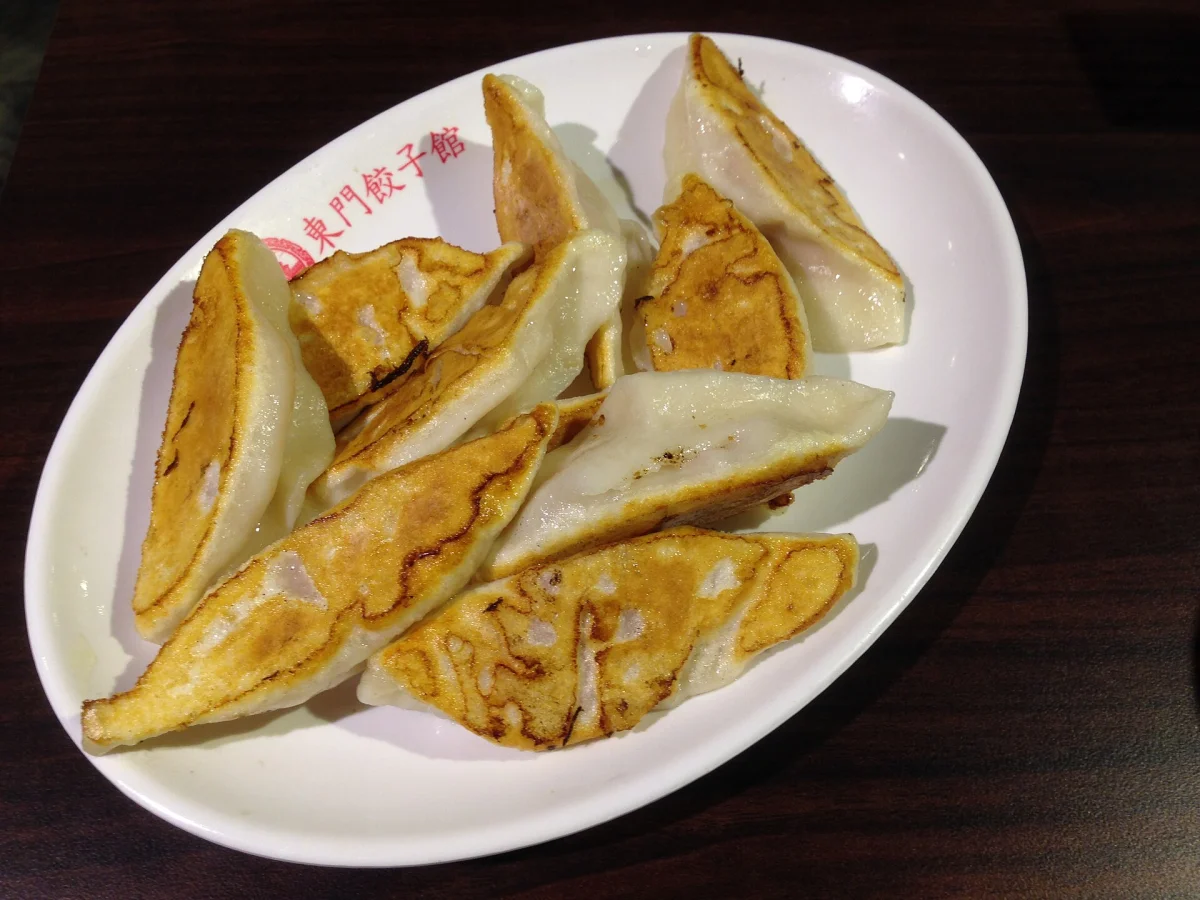
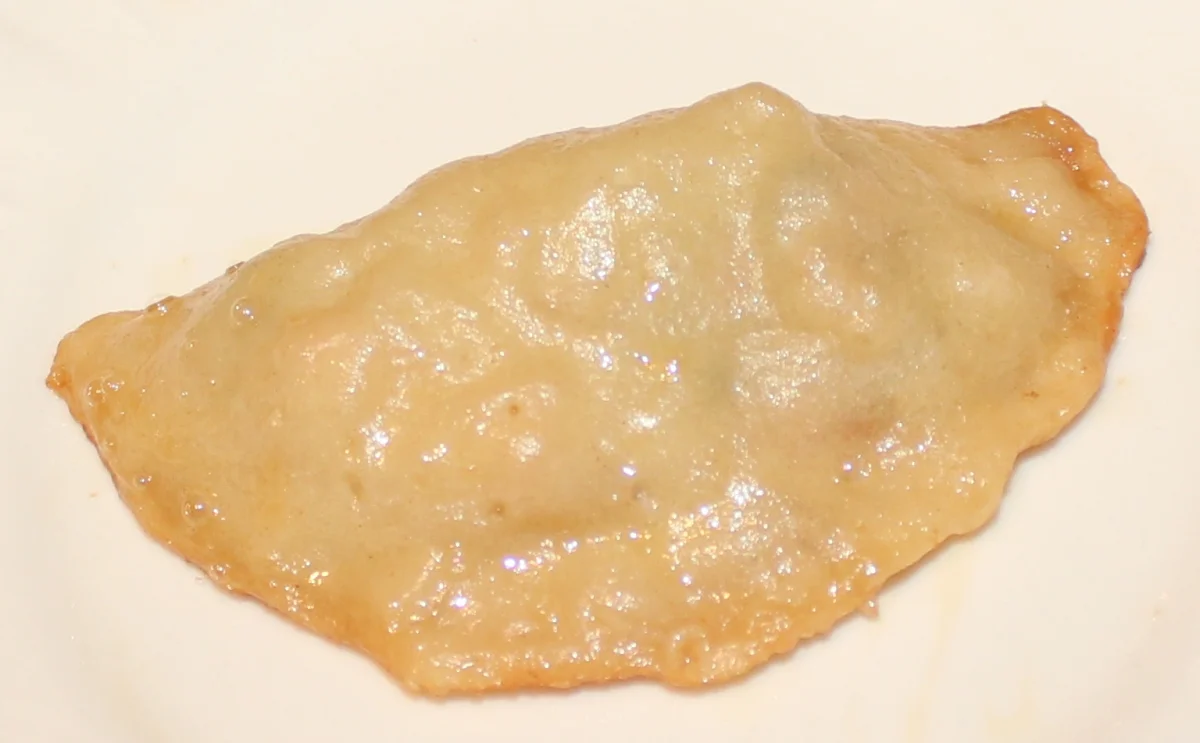
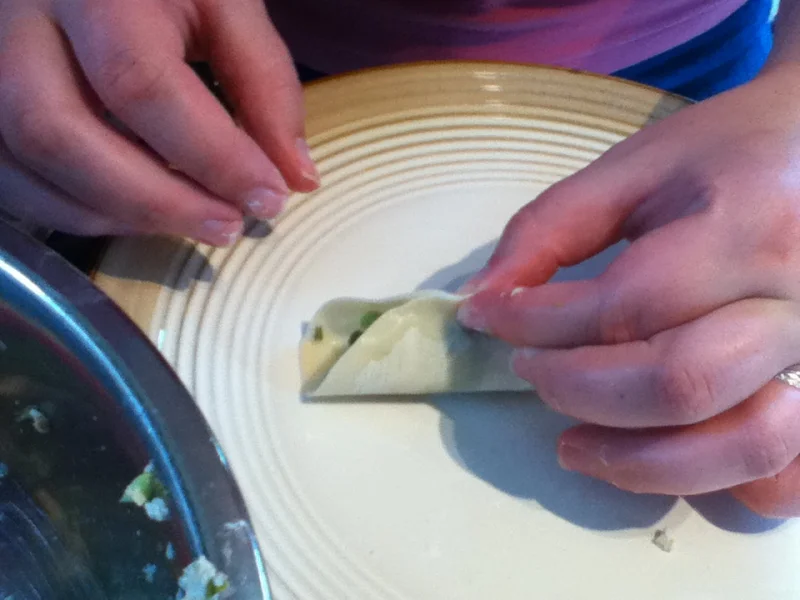
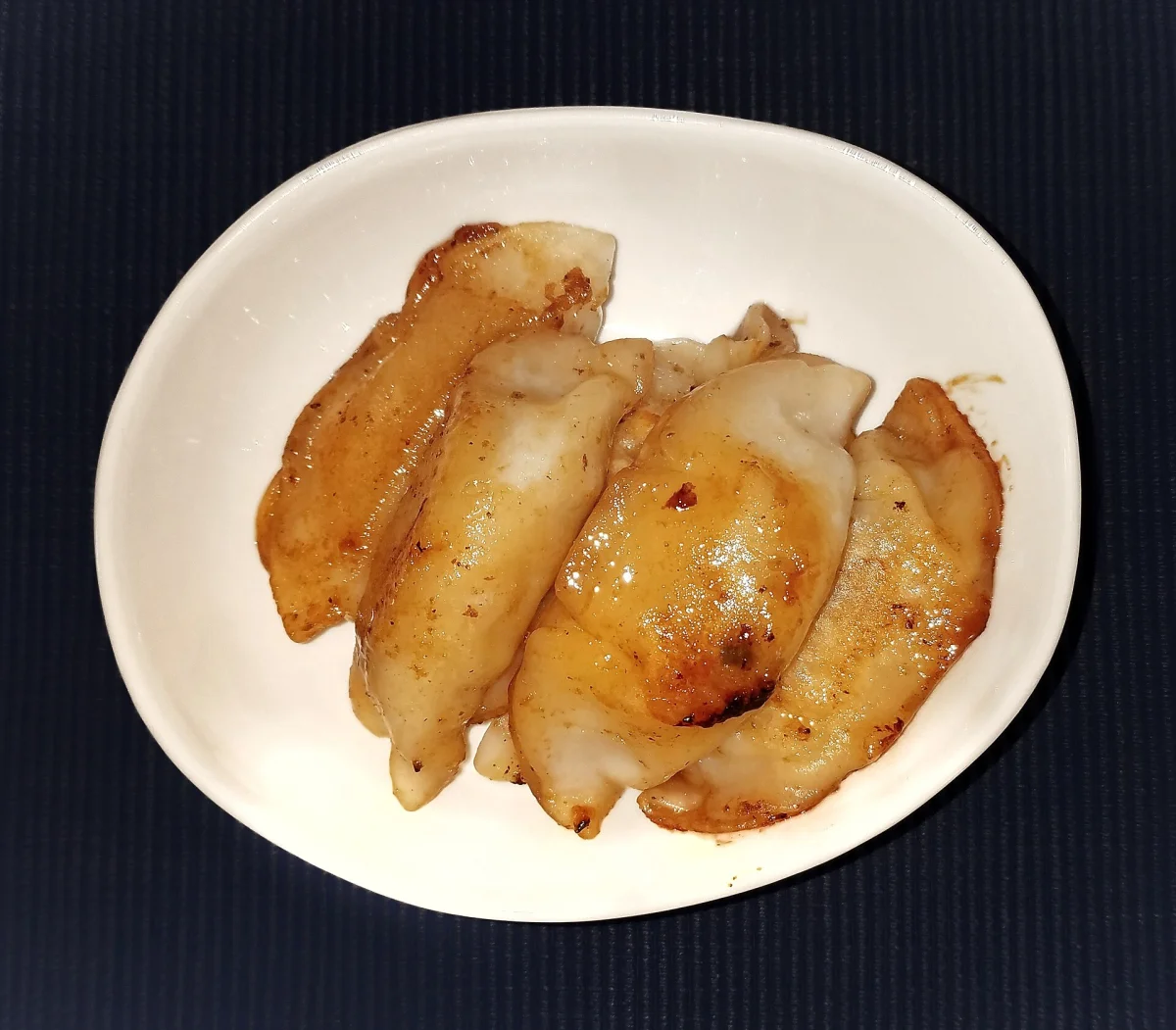
This guide focuses on reading those filling names accurately. It complements our first guide to guotie in Beijing, the guotie dipping-sauce guide, and our comparison of pan-fried, boiled, and steamed dumplings. Recipes vary by shop, season, and kitchen, so the questions below are more reliable than assuming that one English translation reveals every ingredient.
Many Chinese menu names place the protein and vegetable together. Zhurou jiucai (猪肉韭菜) is pork with Chinese chives; zhurou baicai (猪肉白菜) is pork with Chinese cabbage; and zhurou dacong (猪肉大葱) is pork with spring onion or Chinese leek. The vegetable is not merely decoration. It changes moisture, sweetness, aroma, and how rich the filling feels against the fried wrapper.
Pork is common, but it is not the definition of guotie. Beijing Tourism's guotie overview describes pork as a common filling paired with seasonal vegetables. Another official Beijing Tourism feature documented a menu offering pork-and-three-delicacy, pork-and-chive, pork-and-squash, lamb-and-zucchini, and chive-and-egg guotie. That is a useful snapshot of variety, not a promise that every shop currently carries those combinations.
Words such as fennel (茴香, huixiang) and Chinese chive (韭菜, jiucai) can be especially helpful because their aromas are pronounced. If you dislike one of them, do not rely on “pork dumpling” as a complete translation. Ask for the full Chinese filling name or point to the menu line before ordering.
Sanxian is often translated as “three delicacies” or “three fresh ingredients,” but the phrase does not identify a fixed trio. An official Beijing Tourism overview of dumpling fillings distinguishes several sanxian patterns, including combinations built around pork, chicken, egg, shrimp, dried shrimp, sea cucumber, or other ingredients. A restaurant's version can therefore contain meat and seafood even when the English description sounds vague.
If you avoid shellfish, pork, or another ingredient, ask sanxian li you shenme? (三鲜里有什么?, “What is in the three-delicacy filling?”). Do not treat the category name as an allergen statement. Kitchens also use shared preparation surfaces and cooking equipment, so diners with serious allergies should explain the restriction directly and decide whether the kitchen can accommodate it.
A vegetable-forward filling can include egg, dried shrimp, sesame oil, or an animal-based seasoning. The Chinese term su is useful, but its practical meaning depends on the shop. The official filling guide cited below separates a strictly plant-based style from vegetable fillings that may use animal fat, dried shrimp, or egg. That distinction is why a picture of greens or a menu label such as “vegetable” is not enough for a strict vegan order.
Useful questions include:
A short, specific ingredient question works better than asking whether a filling is “healthy” or “light.” Those words do not establish what is actually inside.
For a mixed order, choose fillings that create a clear contrast. Pork and chive is aromatic; pork and cabbage is usually gentler; lamb has a more assertive flavour; chive and egg is softer and distinctly egg-forward. The exact seasoning and juiciness still depend on the kitchen. A darker crust does not tell you which filling is inside, and a pale wrapper does not prove that a dumpling is undercooked.
If the shop permits split orders, two smaller portions make comparison easier. If it sells only one filling per plate, start with the house specialty rather than ordering several full plates at once. If you are also comparing steamed filled breads, our Beijing baozi fillings guide explains why similar ingredient names do not make baozi and guotie interchangeable.
Some dumpling shops use one filling across boiled and pan-fried formats; others maintain separate menus. An official Beijing Tourism article noted a shop where numerous dumpling fillings could also be prepared as guotie. Treat that as a documented example, not a universal rule. The practical question is zhe ge xian neng zuo guotie ma? (这个馅能做锅贴吗?, “Can this filling be made as guotie?”).
This matters because cooking method changes the balance. Pan-frying adds a browned, oily base that can amplify rich meat fillings and contrast with moist vegetables. The same filling in shuijiao or zhengjiao may feel softer and less toasted. Neither format is inherently better; they answer different texture preferences.
For a broader breakfast table, guotie can sit beside a simple bowl or drink rather than another heavy fried dish. Browse the Beijing Breakfast topic for combinations, but check each shop's actual morning availability.
No. Pork is common, but beef, lamb, egg-and-chive, vegetable, and mixed fillings also appear. Availability varies by shop and season.
It is meat-free based on the named ingredients, but it contains egg and may share oil or equipment with meat products. Ask the shop if those details matter to you.
No universal trio applies. Some versions include seafood; others use different combinations. Ask what the shop puts in its sanxian filling.
Not reliably. Some kitchens use different pleats or arrangements, but there is no citywide shape code. Use the menu, order ticket, or staff confirmation.
Food background was checked against Beijing Tourism's guotie overview, its dumpling-filling categories, and its documented Beijing guotie menu example. Restaurant fillings and availability change; these sources support the distinctions in this guide rather than current prices or opening hours.
Photographs are licensed real-food illustrations, not claims of a visit by Beijing Food Menu: pork potstickers at Dongmen Dumpling House in Taipei by bryan... (CC BY-SA 2.0); a vegetable potsticker by Thriving Vegetarian (CC BY 2.0); a home potsticker-wrapping step by Quadell (CC BY-SA 3.0); and potstickers with sauce in Massachusetts by Daderot (CC0). Regional photographs show the food format and are labelled by location; they are not evidence of a particular Beijing restaurant's current recipe.
Comments (0)