Saqima Ingredients and Allergens: Wheat, Egg, Milk, Sesame, Nuts, and Label Questions
Read Beijing saqima ingredients accurately, including wheat, egg, milk, sesame, and nuts, with practical label and counter questions for allergy-aware ordering.
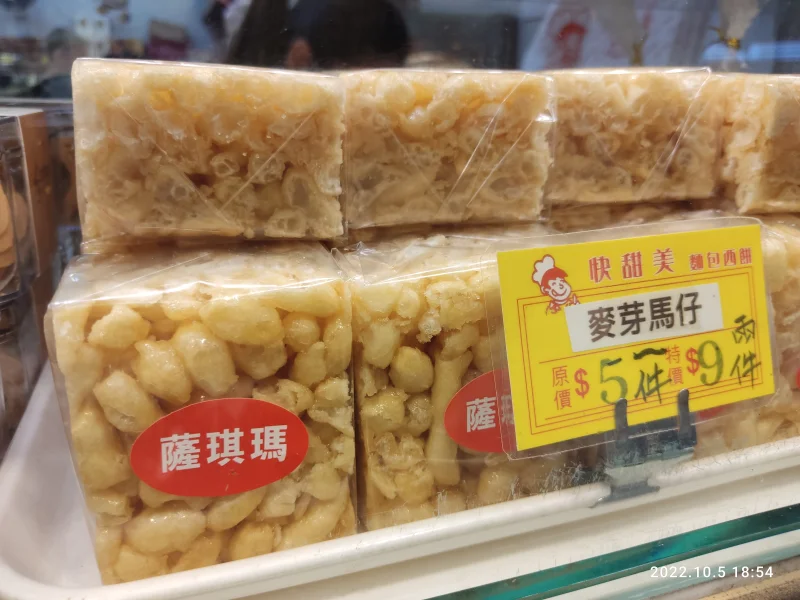
A culture-focused guide to Beijing saqima: its Manchu pastry roots, place in traditional bobo shops, and how to read plain, boxed, and mixed-pastry versions.
Saqima is easy to mistake for a generic packaged sweet because it travels well and often appears in boxes. In Beijing, though, it belongs to a larger pastry-counter culture: the soft, pale-golden block sits beside seasonal cakes, nut pastries, bean sweets, and gift assortments. Looking at it in that setting explains why the same name can describe a plain loose square, a fruit-studded variation, or a small piece in a mixed pastry box.
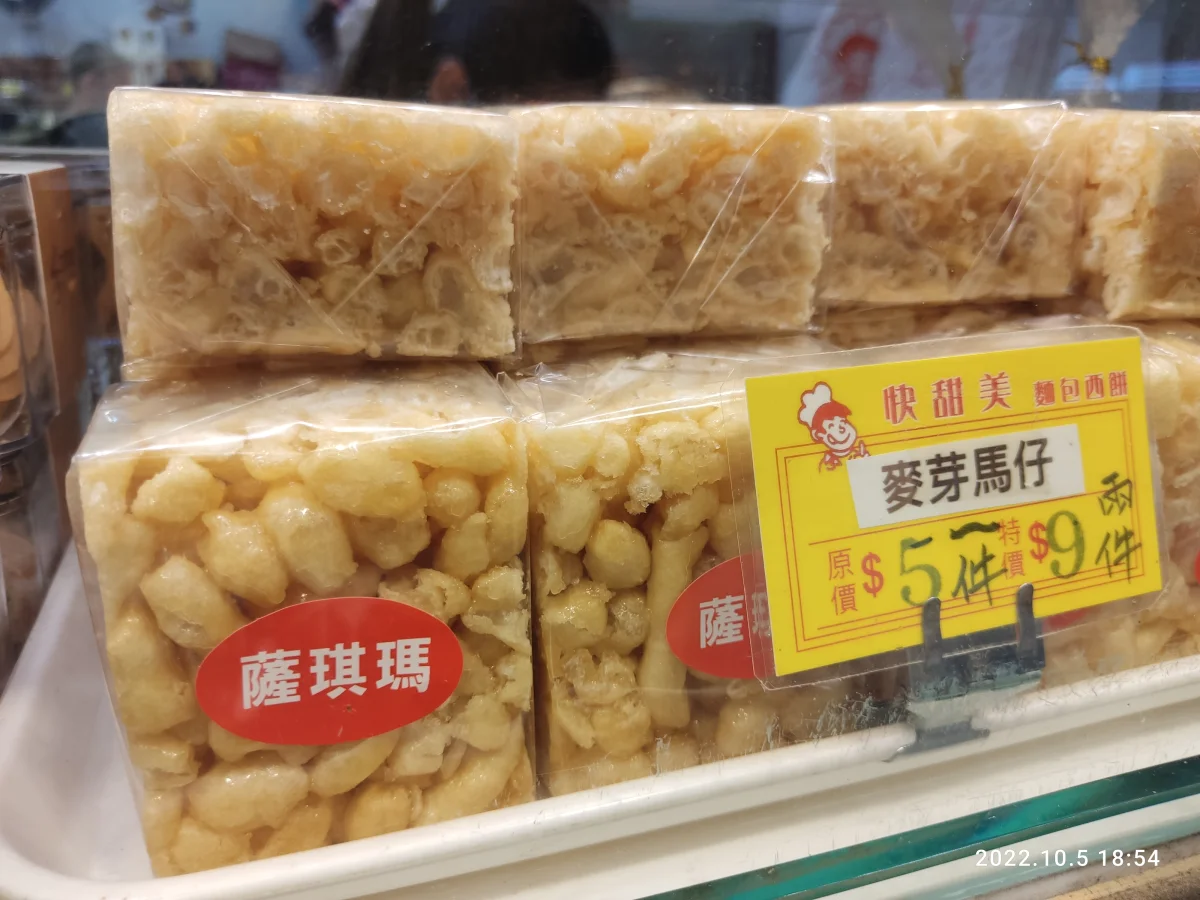
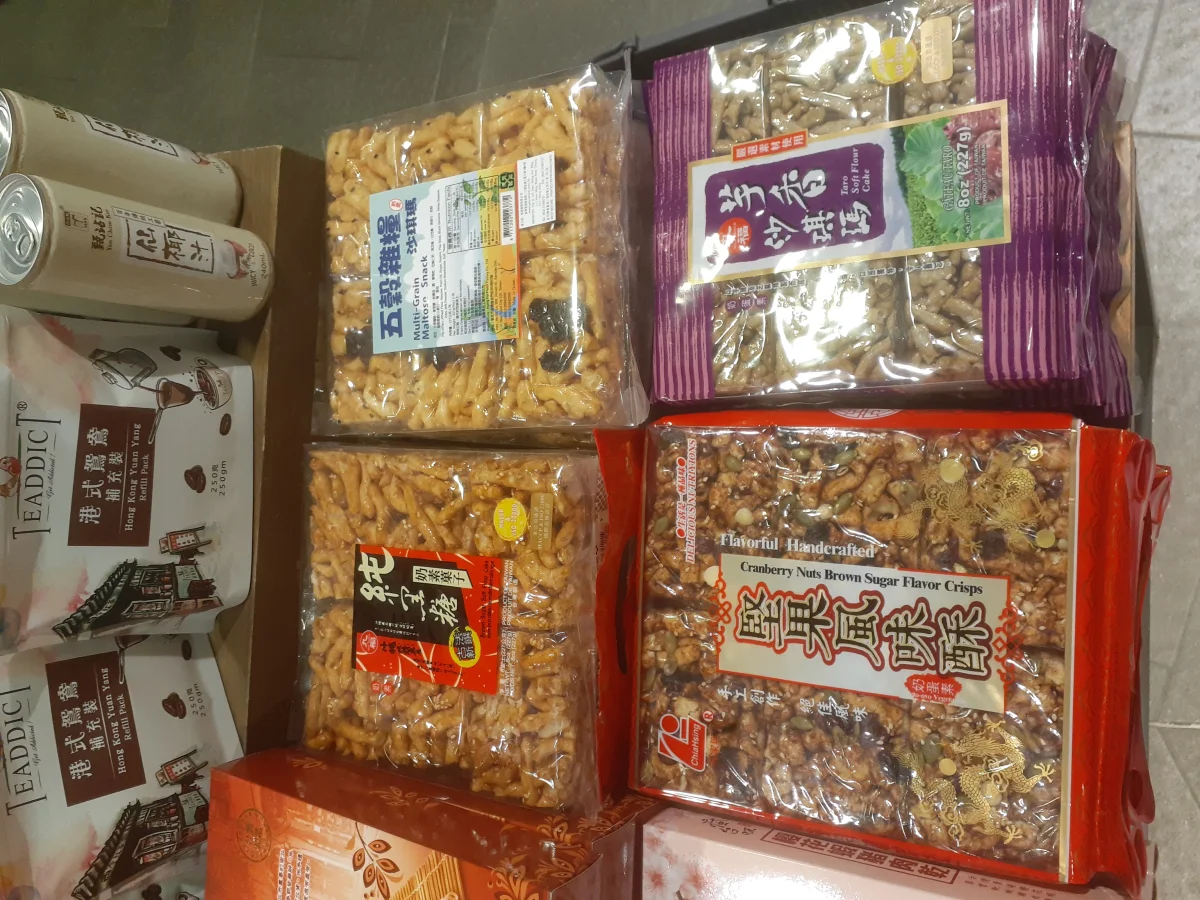
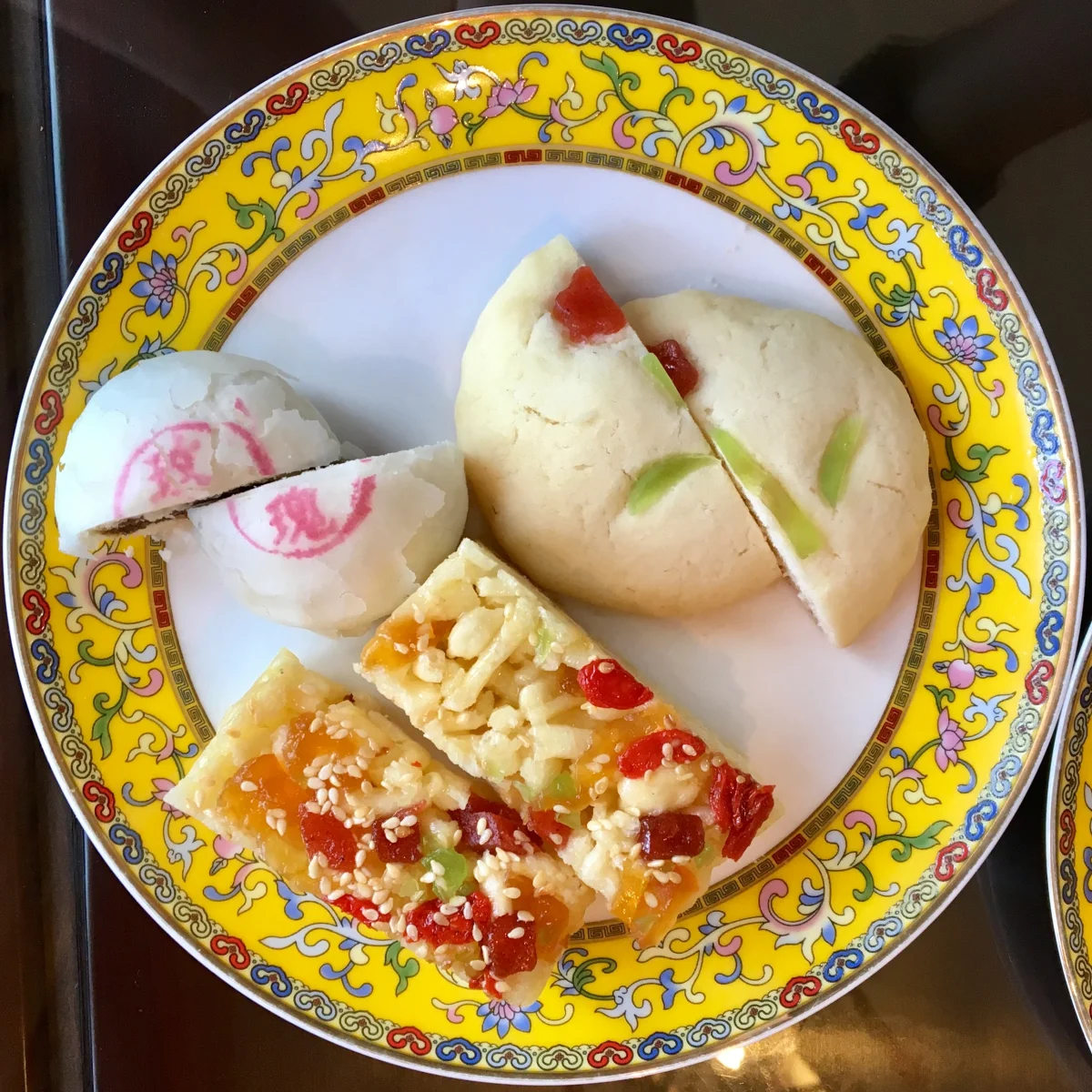
Official Beijing sources describe saqima as a Manchu food made from small fried dough pieces mixed with sugar, and record its association with Qing-period offerings. That history matters, but it does not mean every contemporary piece follows one fixed recipe. What connects the Beijing styles is the construction: fine fried strands or small pieces held together by syrup, then cut into a shape that can be sold, shared, and carried.
Beijing Tourism calls it one of the city's traditional four-season pastries. In practical terms, that makes saqima different from a hot breakfast item: it is usually bought from a pastry counter, taken home, or added to a larger spread. The useful question is not simply whether it is "authentic", but whether the texture and format suit the occasion.
Traditional Beijing pastry shops are often called bobo pu, a name used for shops carrying many kinds of cakes and pastries. The Beijing municipal government's profile of Zhengmingzhai notes that these counters are seasonal and include sachima among a broad range of classic pastries. This is why saqima is commonly encountered beside mooncakes, honey cakes, walnut pastries, and other boxed gifts rather than on a restaurant dessert menu.
That context also helps prevent an unhelpful comparison with candy bars. Saqima is sweet, but it is still a pastry: the point is an airy fried-wheat interior held together lightly enough to bite through. A dense, glossy block may be edible, but it loses the gentle crumble-and-yield texture that gives the snack its appeal.
Start with a plain piece when possible. It lets you notice the balance between fried dough, syrup, and the soft fragrance often associated with Beijing versions, such as honey or osmanthus. Raisins, sesame, nuts, candied fruit, or citrus additions can be enjoyable, but they are variations rather than a test of whether the base pastry is good.
Mixed pastry boxes need a slightly different expectation. They are designed for variety and gifting, so a saqima piece may be smaller, more decorative, or firmer than one sold loose at a counter. Treat the label as a description of that product, not a universal definition of the snack. A box can be a useful way to taste several Beijing pastries, while a loose piece is better for judging saqima's own texture.
Those cues are more useful than choosing by a familiar package alone. For a fuller freshness checklist and an explanation of the fried strands, see the main Saqima in Beijing guide.
Saqima works best as a small sweet stop rather than the centre of the meal. Pair it with unsweetened tea and contrast it with a softer rice-based snack such as Aiwowo, or a soybean-flour-coated roll such as Lvdagun. The three are all sweet, but their structures are completely different: fried strands and syrup, filled glutinous rice, and a rolled rice-and-bean snack.
For visitors buying a gift box, choose a smaller assortment first. That makes it easier to compare the pastries while they are still in good condition, rather than treating a large box as a single-flavour purchase. Saqima's role in a Beijing assortment is variety and texture, not a promise that every piece will taste identical.
Comments (0)