This guide focuses on fillings, not the basic definition of baozi. For the broader overview of steamed buns, breakfast shops, and how baozi fit into daily Beijing routines, start with the main Beijing baozi guide. Use this page when you are already standing at the counter and need to decide what to order.
Pork and Cabbage Baozi
Pork and cabbage is one of the safest first choices. The pork gives fat and savoriness; the cabbage keeps the filling moist and slightly sweet. In a good bun, the cabbage should not taste watery, and the pork should not feel like a hard lump. The best versions are juicy without soaking the dough.
This filling works well for breakfast because it is filling but not too aggressive. Pair it with hot soy milk, millet porridge, or a simple tea egg. If you are also trying stronger Beijing foods such as chaogan, pork-and-cabbage baozi are a good neutral partner.
Pork and Scallion Baozi
Pork and scallion buns are more aromatic than pork and cabbage. The scallion should brighten the filling, not overwhelm it. Some shops season this style strongly with ginger, soy sauce, sesame oil, or white pepper, so the flavor can feel bolder than the name suggests.
Choose this if you want a classic meat bun with more fragrance. It is best eaten hot. Once it cools, the fat can firm up and the scallion flavor becomes less pleasant.
Beef Baozi
Beef baozi are common in northern-style breakfast shops and in places that serve halal or Muslim-friendly foods. The filling is usually more savory and dense than pork. It may include scallion, onion, or a little broth to keep the texture from becoming dry.
Beef buns are good when you want one or two items to carry you through the morning. They are less delicate than chive-and-egg buns and richer than most vegetable buns. If the shop has both beef baozi and shaobing, choose one as the main starch rather than ordering both heavily.
Lamb Baozi
Lamb baozi are less universal than pork buns, but they make sense in Beijing's northern food context. Expect a stronger aroma, often helped by scallion, onion, cumin, or white pepper depending on the shop. A well-made lamb bun should taste warm and rounded, not harsh or greasy.
If you already like lamb spine hotpot or instant-boiled mutton, lamb baozi are worth trying. If you are sensitive to lamb aroma, start with one bun rather than ordering several.
Chive and Egg Baozi
Chive and egg is one of the most common lighter fillings. It can taste fresh, grassy, and fragrant, with scrambled egg pieces adding softness. The risk is wateriness: if the filling was not handled well, the dough can become wet inside or the chive flavor can turn flat.
This is a useful choice when you want baozi but not a heavy meat breakfast. It pairs well with soy milk, tofu pudding, or a small bowl of porridge. It also works if you plan to eat more street food later, such as jianbing.
Vegetable and Mixed Vegetable Baozi
Vegetable baozi vary more than meat buns. Some shops use cabbage, mushroom, carrot, tofu skin, glass noodles, shepherd's purse, or mixed greens. The seasoning may include sesame oil, soy sauce, ginger, or a little fermented flavor. Some are mild; others are surprisingly savory.
Do not assume vegetable means bland. A good mixed-vegetable bun can be fragrant and balanced, especially when the filling has mushroom or tofu skin. The key is moisture control. The dough should stay soft, but it should not be soaked from the inside.
Sweet Fillings
Sweet baozi are not always the main breakfast choice in Beijing, but red bean paste, sesame paste, and custard-like fillings may appear in some shops. These are better as a small extra item than as the whole meal. If you are ordering breakfast for a group, one sweet bun can balance several savory buns.
Sweet buns are also useful for children or cautious eaters, but they do not show the local breakfast routine as clearly as meat, egg, or vegetable fillings.
How to Judge a Filling Before You Bite
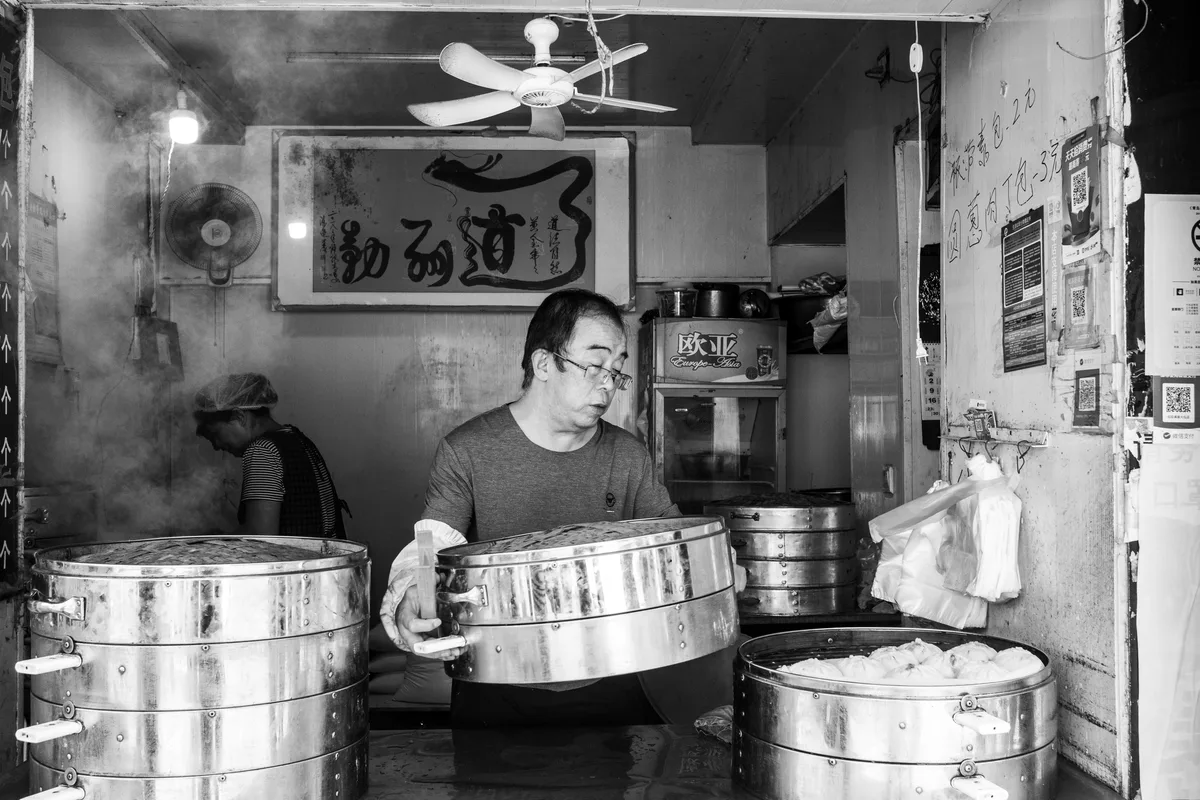
You cannot see the filling before ordering, but you can read the shop. A counter with fast turnover is usually safer than a quiet tray of buns. If the staff keep opening steamers and moving new buns forward, the fillings are more likely to stay hot and moist.
Look at the dough too. If the outside is dry, cracked, or collapsed, the filling may also be tired. A fresh bun should feel warm and slightly springy. For meat buns, be careful with the first bite because steam and hot juices can collect inside.
What to Order First
For a first Beijing baozi breakfast, order one pork-and-cabbage bun and one chive-and-egg or vegetable bun. This gives you a meat-versus-vegetable comparison without making the meal too heavy. If the shop is known for beef or lamb, add one more only if you are hungry.
If you are eating with two people, order several different fillings and share. That is often better than ordering three identical buns. Baozi are simple, but the differences between fillings are the main reason the meal stays interesting.
Pairing Fillings With Breakfast Drinks and Bowls
Rich meat buns pair best with simple drinks: hot soy milk, plain water, millet porridge, or a light soup. Vegetable buns can handle a stronger partner, such as savory tofu pudding or a tea egg. If you are trying Beijing breakfast across several stops, keep each order small.
Chaogan and baozi are a classic match because the soft dough balances garlic-heavy broth. Shaobing and baozi can both be wheat-heavy, so ordering both only makes sense if you are sharing or if one is very small.
Common Mistakes
The first mistake is ordering only by the English translation. "Vegetable" can mean many different fillings, and "pork" may be paired with cabbage, scallion, fennel, mushroom, or another ingredient. If the counter has a printed Chinese list, pointing and asking what is popular is more useful than guessing.
The second mistake is buying too many buns because each one looks small. Two large baozi can already be a full breakfast. The third mistake is ignoring freshness. A famous filling is not better than a hot filling that just came out of the steamer.
Bottom Line
For most visitors, pork-and-cabbage is the safest starting point, chive-and-egg is the easiest lighter choice, beef or lamb is the richer northern option, and mixed vegetable fillings are worth trying when the shop has strong turnover. Baozi are everyday food, but choosing the right filling makes the difference between a generic steamed bun and a useful look into Beijing's morning food culture.
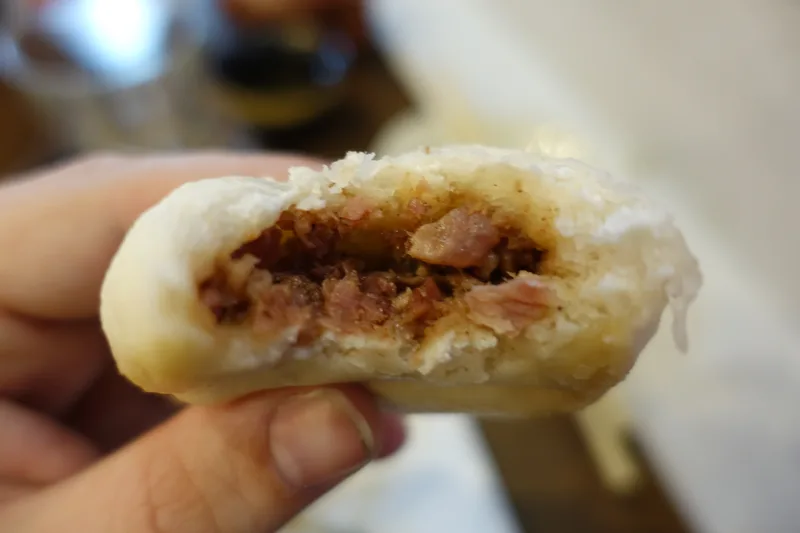
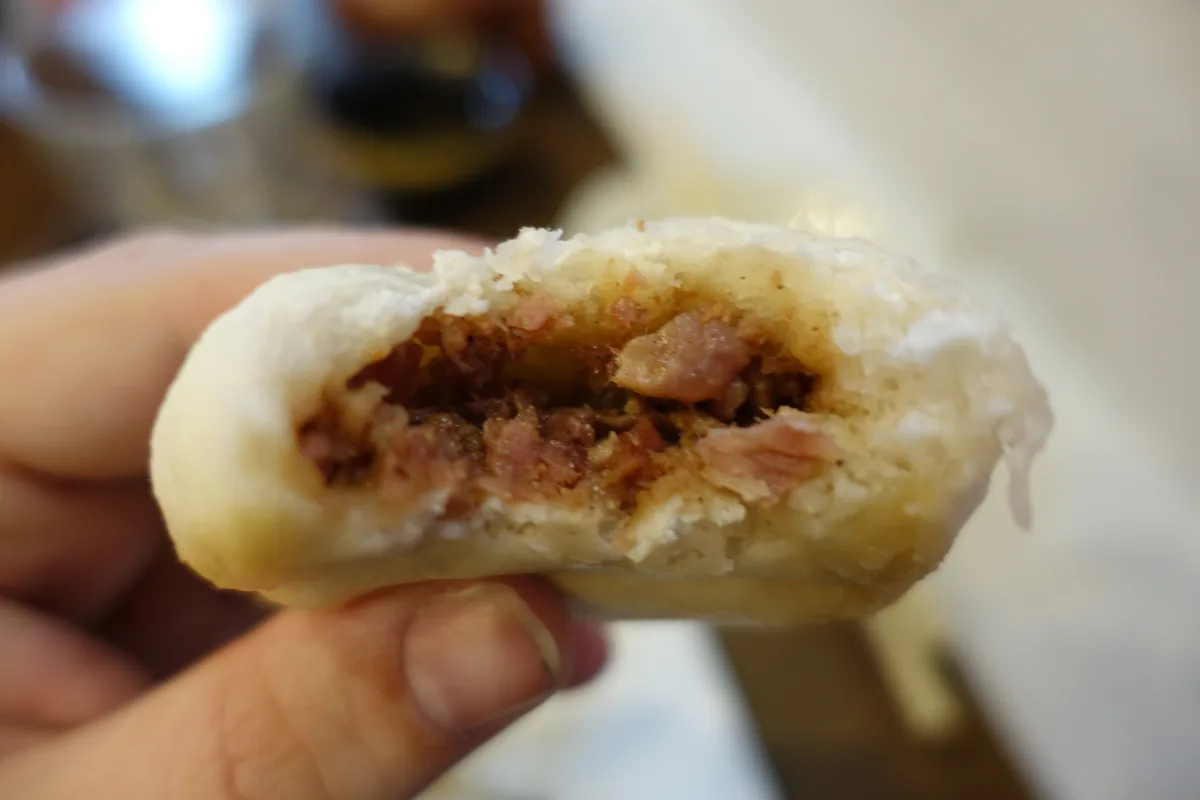
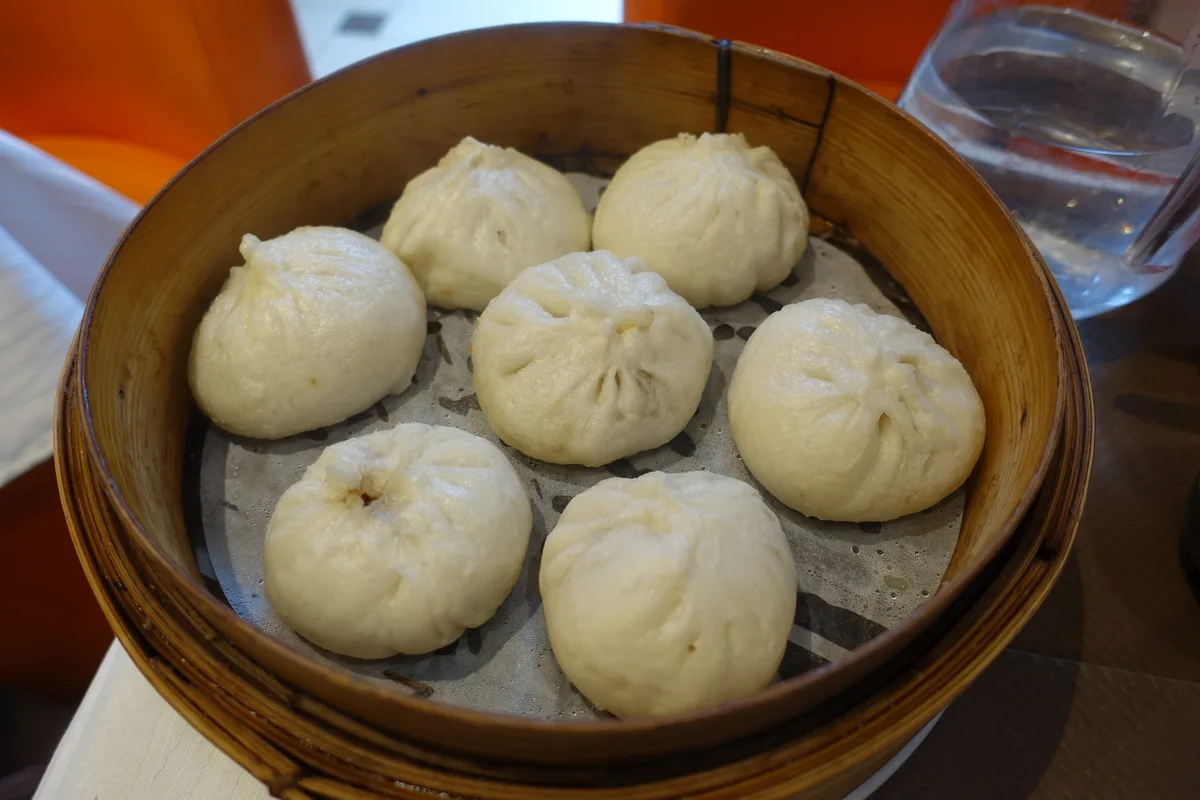
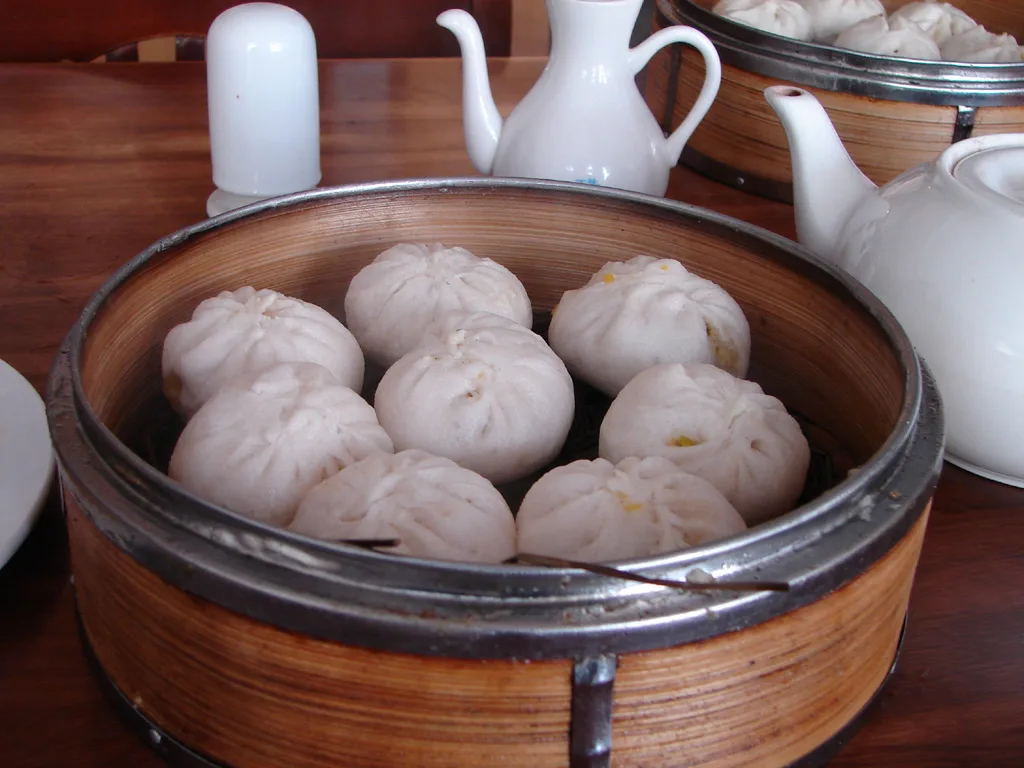
Image Credits: Baozi photos from Wikimedia Commons file pages: BBQ Pork Baozi, Baozi in a bamboo steamer, Baozi shop steamers, and Nangua Baozi.
Comments (0)