Peking Duck in Beijing: Roast Duck, Pancakes, and Local Flavor
A practical guide to Beijing Peking Duck, covering roast duck technique, crisp skin, pancakes, sweet bean sauce, carving, restaurant styles, and local dining tips.
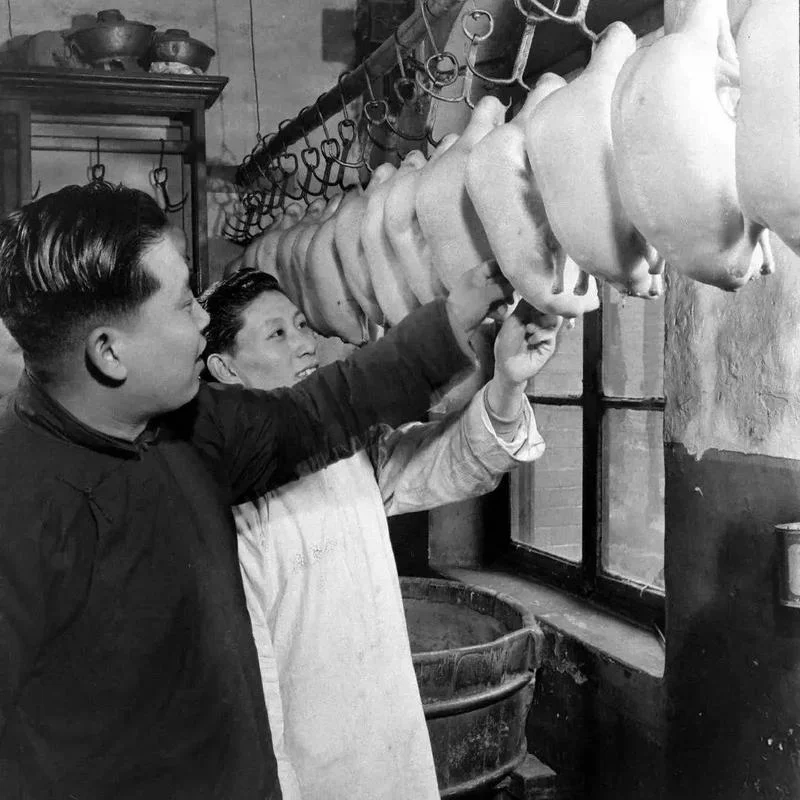
A historically careful guide to Peking Duck, tracing roast duck from court cooking and Beijing restaurant traditions to hanging ovens, closed ovens, carving, and modern dining.
Peking Duck is often introduced as an imperial dish, but its history is richer than a single palace story. Roast duck techniques existed before modern Beijing restaurant culture, while Beijing's time-honored restaurants refined the version that visitors recognize today: crisp skin, carved slices, pancakes, sweet bean sauce, and a sense of occasion at the table.
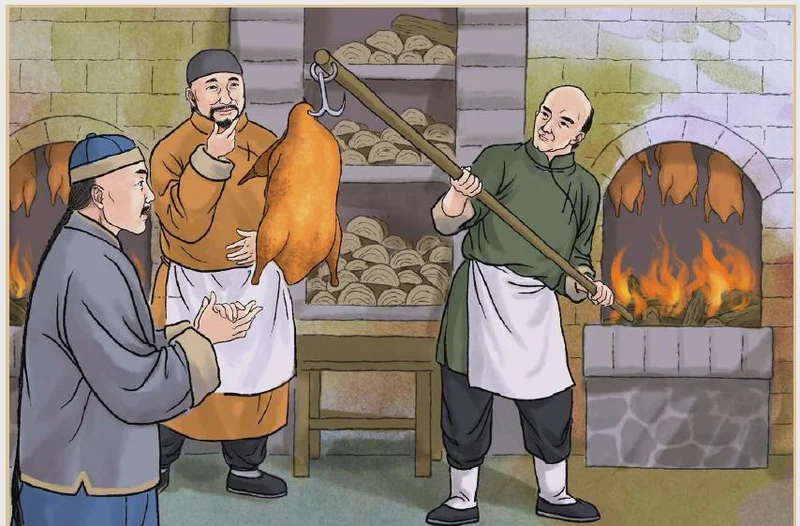
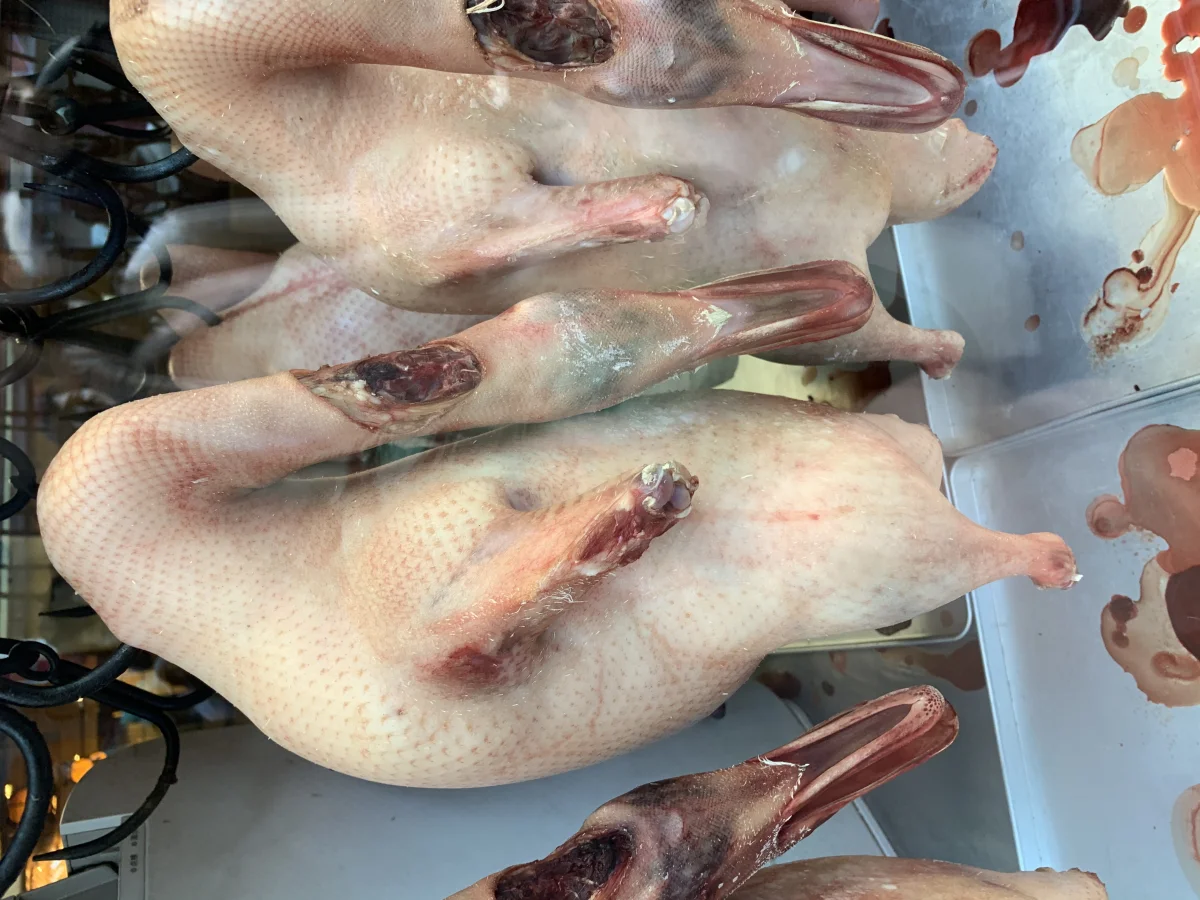
Roast duck belongs to a long Chinese tradition of skilled poultry cooking. What Beijing added was a distinctive restaurant system: selected ducks, careful skin preparation, drying, roasting, table carving, wheat pancakes, and condiments. The dish became not only something to eat, but also a way to host guests and represent the capital's food culture.
This distinction matters for accuracy. Peking Duck should not be reduced to a vague imperial legend, and it should not be treated as a single restaurant's invention. The modern dish is the result of craft, commercial dining, city branding, and repeated service over generations.
Quanjude, founded in 1864, is the brand most visitors associate with hanging-oven roast duck. In this style, prepared ducks are hung inside an open-front oven and roasted with non-smoky hardwood, often described in official materials as fruitwood. The result is a glossy duck with crisp skin, roast aroma, and table carving that forms part of the experience.
Quanjude's hung-oven technique was included in China's national intangible cultural heritage list in 2008. That does not mean every good duck must taste like Quanjude, but it explains why the brand remains central to the public history of Peking Duck.
Bianyifang represents another historic Beijing roast duck tradition: the closed oven. In this method, the oven is heated, the open fire is removed or reduced, and the duck cooks through retained heat from the stove and walls. Official Beijing materials connect Bianyifang with Ming-dynasty origins and note that its braised duck technique was also recognized as national intangible cultural heritage in 2008.
The closed-oven tradition matters because it prevents a common oversimplification. Beijing roast duck is not only one open-flame style. Travelers who care about food history may want to compare hanging-oven and closed-oven duck rather than only chasing the most famous name.
As Beijing received officials, foreign guests, business travelers, and tourists, Peking Duck became a convenient cultural ambassador. It looks impressive, works well for groups, and can be explained through simple contrasts: crisp and tender, rich and fresh, old craft and modern service.
Modern restaurants continue to reinterpret the dish. Da Dong emphasizes polished presentation and lighter-feeling duck; Siji Minfu has become a popular Beijing-style choice for many visitors and local diners; hotels and newer restaurants present their own versions. This variety is healthy when diners understand the classic structure first.
History is useful because it changes what you notice. You can recognize why oven style affects aroma, why carving is part of the dish rather than a show, why pancakes belong in the meal, and why condiments are used sparingly. A historically aware diner is less likely to confuse Peking Duck with generic crispy duck or judge it only by brand reputation.
For practical ordering advice, read where to eat Peking Duck in Beijing. For the table sequence, continue with how to eat Peking Duck. For the serving skill, see how Peking Duck is carved.
This guide is original editorial content. The links below were used for factual cross-checking, restaurant context, dish history, and dining terminology; they are not copied source text.
Photo credit:Peking duck in process by しんぎんぐきゃっと, via Wikimedia Commons (CC BY-SA 4.0).
Comments (0)