History of Peking Duck: From Court Cooking to Beijing Restaurants
A historically careful guide to Peking Duck, tracing roast duck from court cooking and Beijing restaurant traditions to hanging ovens, closed ovens, carving, and modern dining.

A practical guide to Beijing Peking Duck, covering roast duck technique, crisp skin, pancakes, sweet bean sauce, carving, restaurant styles, and local dining tips.
Peking Duck is the Beijing meal many travelers plan before they even book a hotel, but the dish is easy to misunderstand. It is not just roast duck with a famous name. A good Beijing duck meal depends on a chain of details: the duck is prepared so the skin can dry, roasted so the skin becomes glossy and crisp, carved so skin and meat stay balanced, and eaten with warm pancakes, sweet bean sauce, scallion, cucumber, and a few light side dishes.
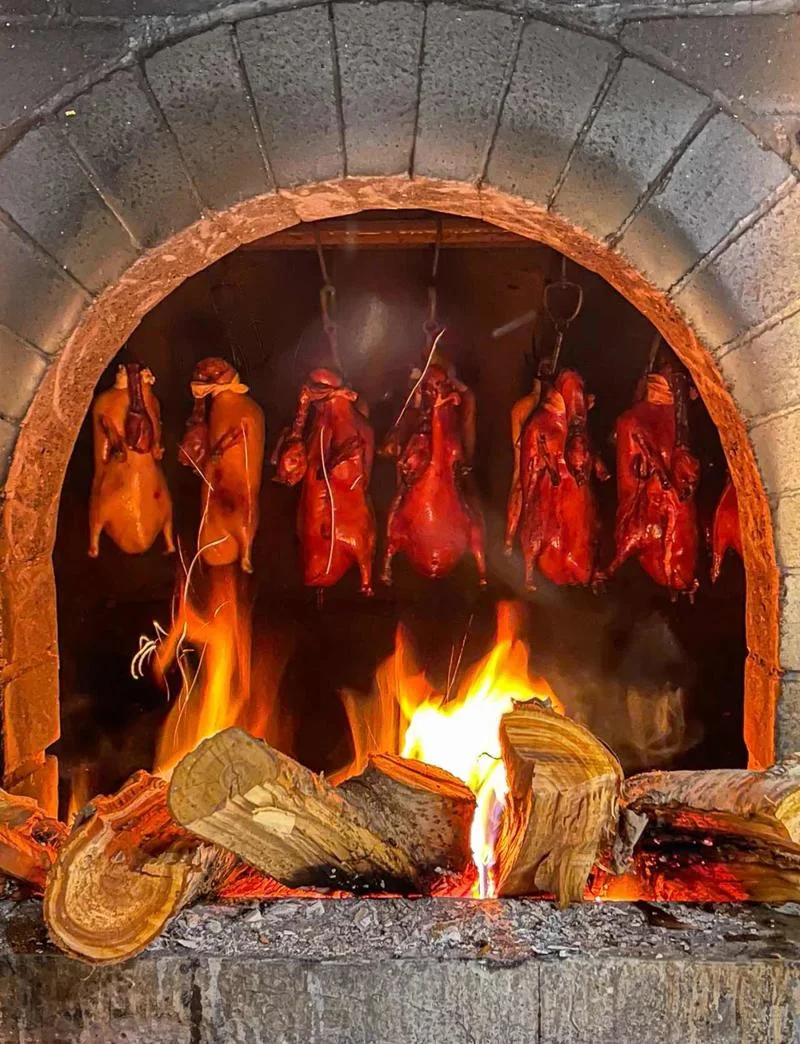
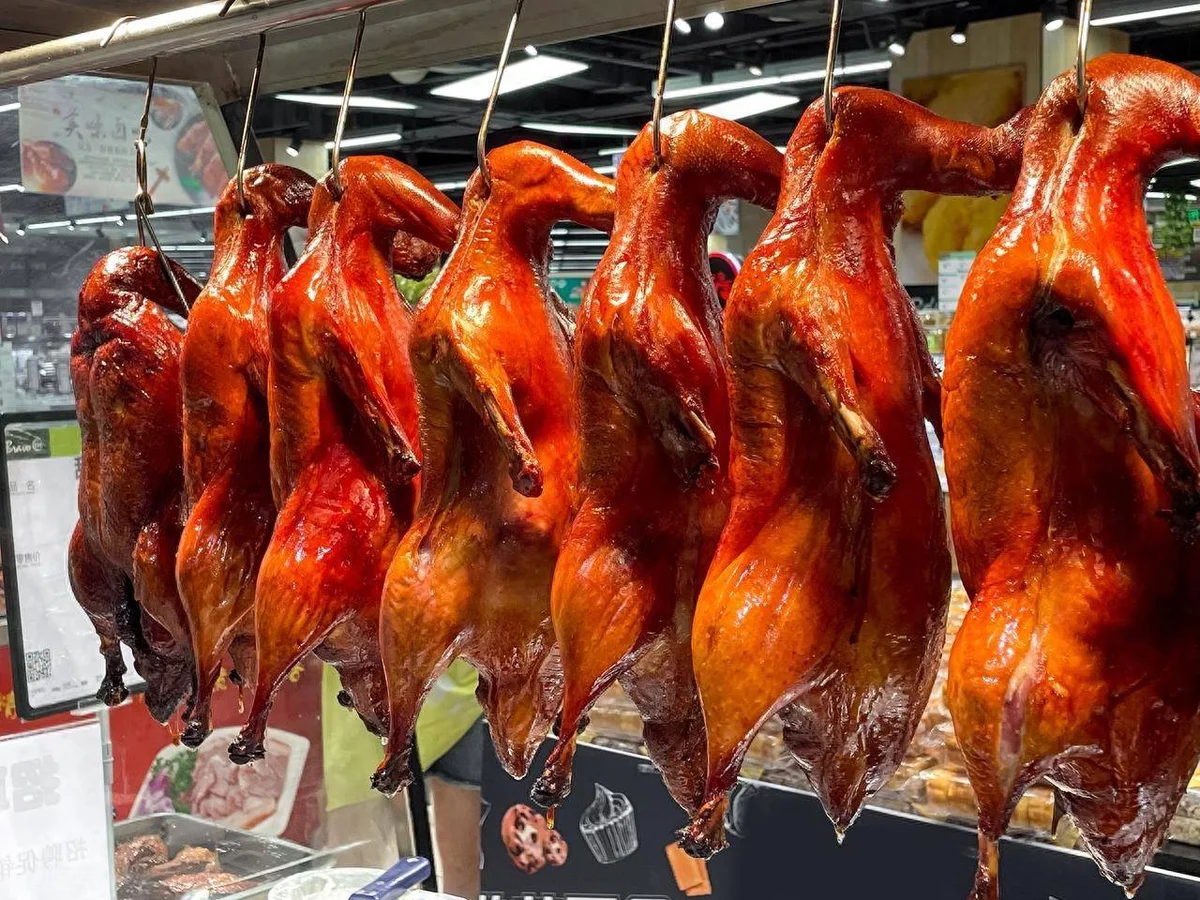
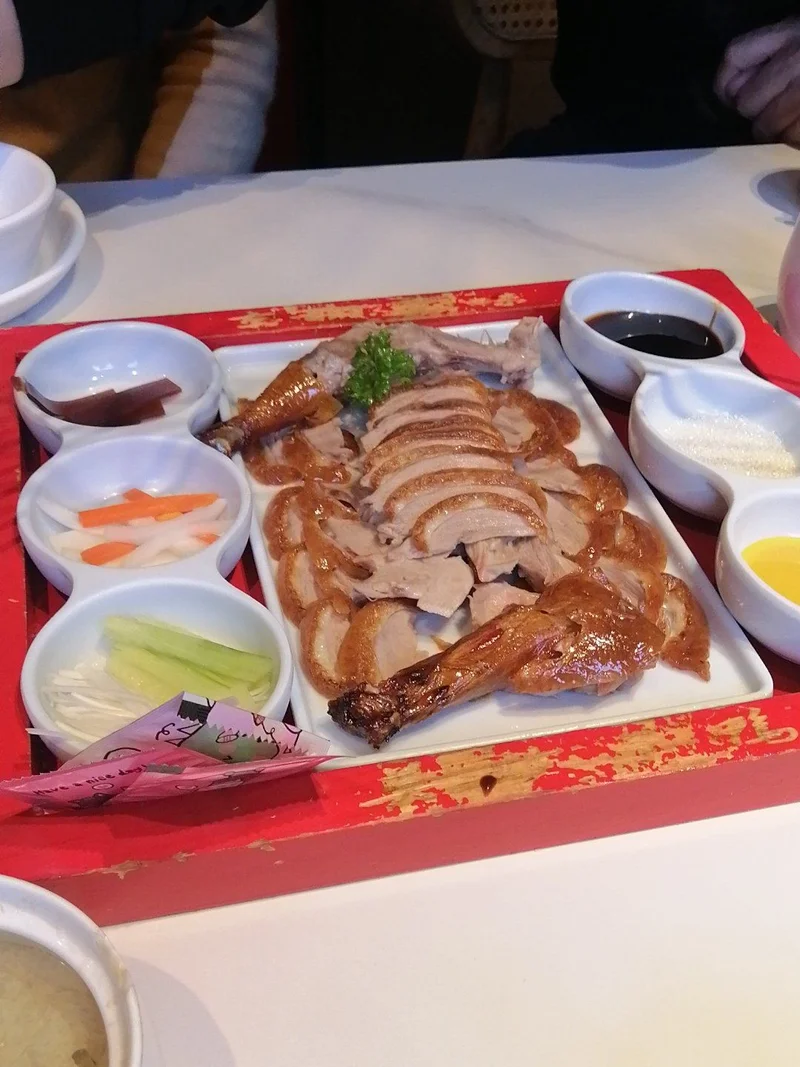
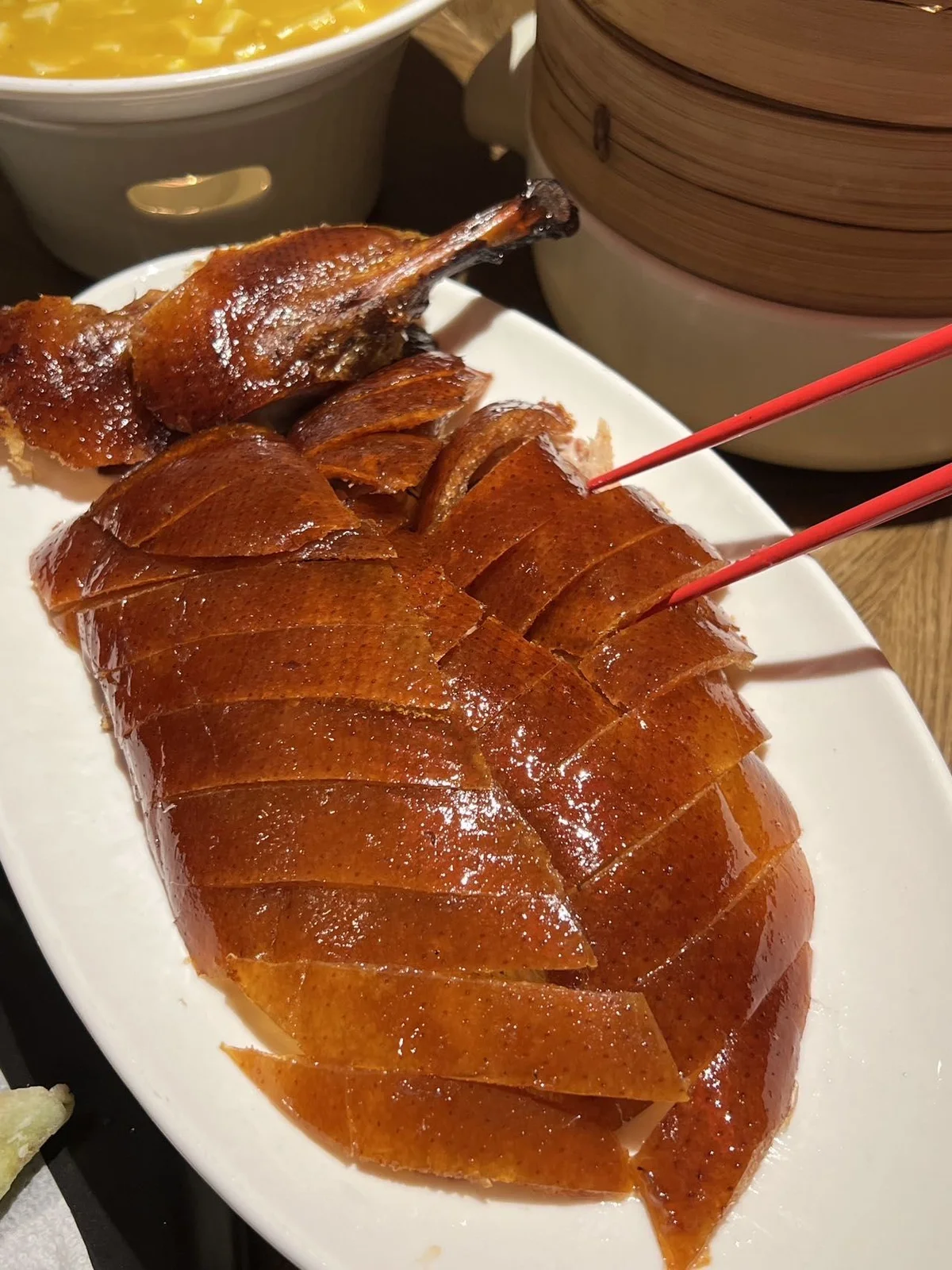
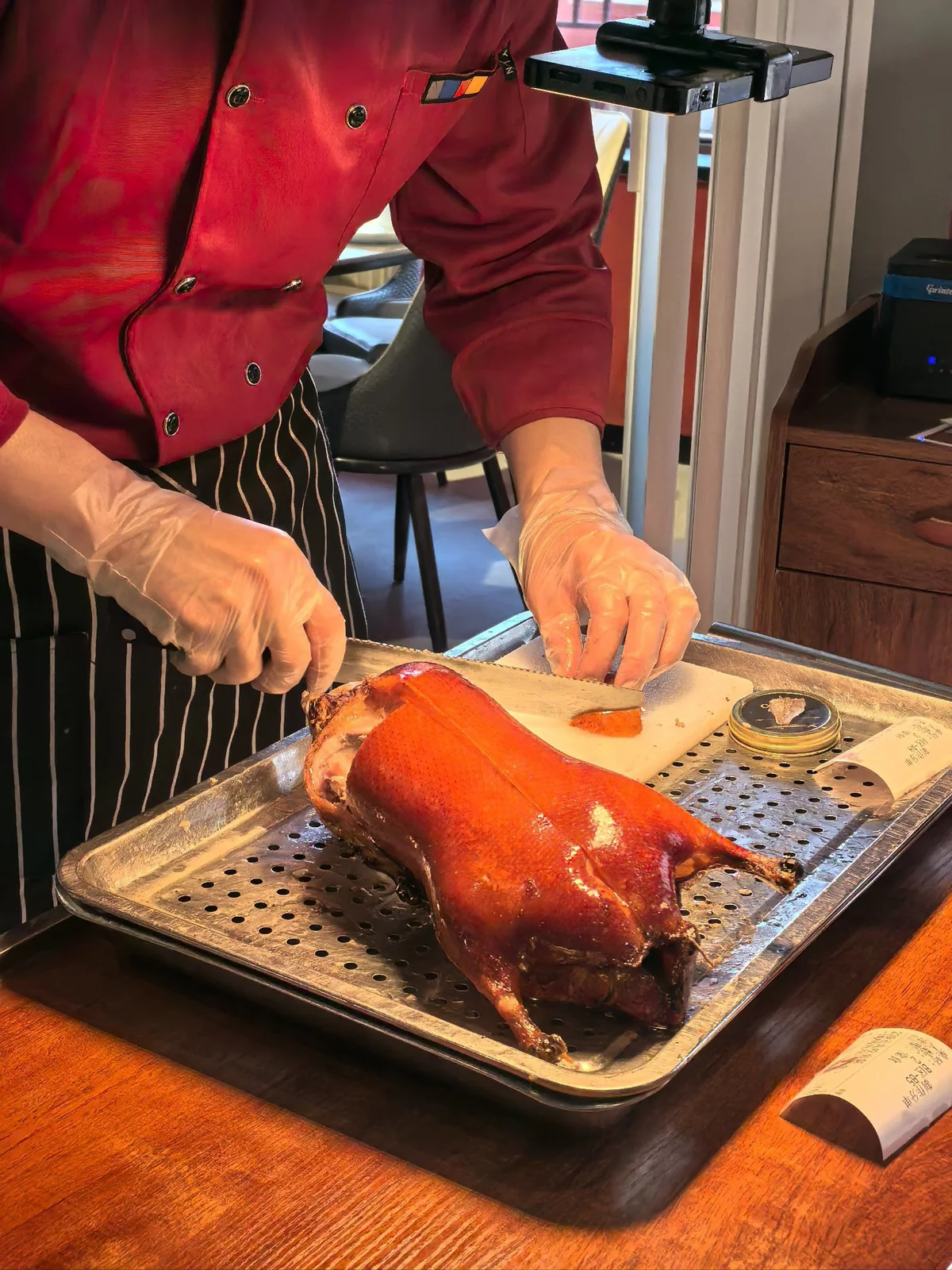
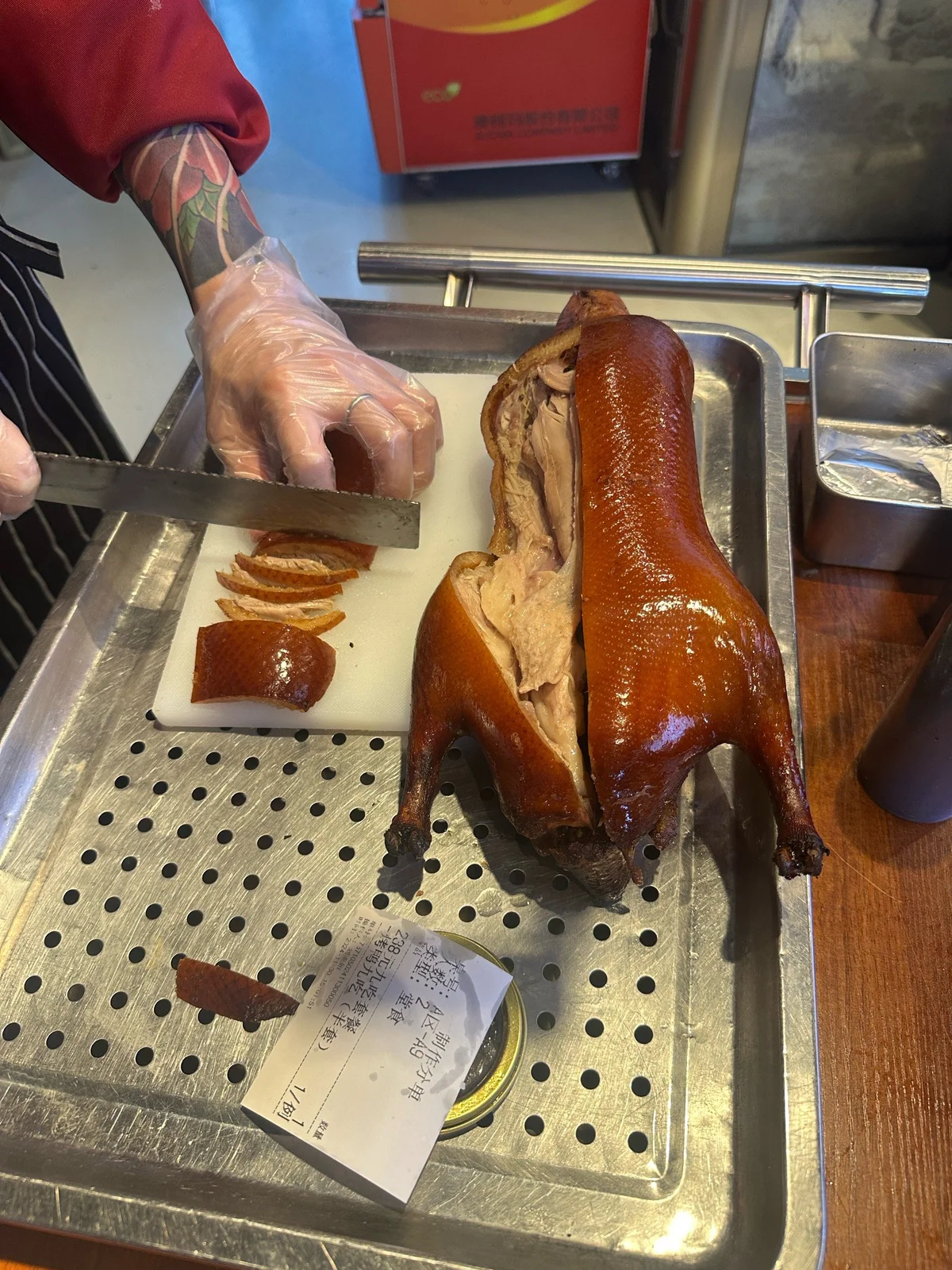
The best way to approach Peking Duck is to treat it as a shared table ritual. The whole duck appears before carving, the first slices may highlight crisp skin, and the rest of the meal moves through pancakes, condiments, vegetables, and sometimes duck soup or duck frame dishes. This is why a serious roast duck meal feels more ceremonial than simply ordering a plate of meat.
Beijing-style Peking Duck is usually prepared through several steps before it reaches the oven. The skin is separated from the body, the duck is scalded and glazed, and the surface is dried so the skin can crisp rather than steam. Restaurants then roast the duck until the skin turns deep red-brown and the meat stays moist.
Two oven traditions matter in Beijing. The hanging oven, strongly associated with Quanjude, roasts ducks upright near an open fruitwood fire. The closed oven, strongly associated with Bianyifang, relies on heated oven walls and retained heat after the fire is removed. Both are part of Beijing's roast duck culture. The point is not to declare one universally better, but to understand why different restaurants can produce different aromas, textures, and levels of richness.
Roast duck has older Chinese culinary roots, but Beijing shaped it into a restaurant experience. The capital's banquet culture, wheat-based dining habits, and time-honored restaurant brands turned roast duck into a meal for receiving guests, celebrating, and introducing visitors to the city. Peking Duck also teaches several Beijing food patterns at once: wheat wrappers, fermented sauce, scallion, shared dishes, and the habit of balancing rich meat with crisp vegetables.
That is why Peking Duck works well as the anchor meal in a Beijing food itinerary. It is recognizable, but it also opens the door to less famous local foods such as Zhajiang Noodles, instant-boiled mutton, and sesame-paste hotpot sauce.
Look first at texture. The skin should crack lightly but not taste hard, leathery, or burnt. The meat should be moist, not dry around the edges. The aroma should be clean and roasty rather than oily. Pancakes matter too: if they are cold, thick, or tearing, the whole wrap feels heavy even when the duck itself is good.
Service timing is another clue. Duck skin loses its best texture as it cools, so a strong restaurant carves efficiently and keeps the table moving. If the duck arrives lukewarm, the brand name on the door cannot save the meal.
Because roast duck is rich, pair it with lighter dishes. Good choices include cold cucumber, mustard cabbage, seasonal greens, tofu dishes, or a simple soup. If you are eating with a group, add one Beijing staple such as noodles or a small local snack, but avoid building the entire meal around heavy meat dishes.
Do not overload the pancake. Two or three slices of duck, a light line of sauce, and a few pieces of scallion or cucumber are enough. Do not wait too long after carving. Do not assume every branch of a famous restaurant is identical. And do not judge Peking Duck only by whether the skin is crispy; balance, temperature, carving, and condiments all matter.
If you need table technique, read how to eat Peking Duck in Beijing. If you are choosing between Quanjude, Bianyifang, Da Dong, and Siji Minfu, use the Peking Duck restaurant comparison. For more context, see the Peking Duck topic page.
This guide is original editorial content. The links below were used for factual cross-checking, restaurant context, dish history, and dining terminology; they are not copied source text.
Comments (0)