History of Peking Duck: From Court Cooking to Beijing Restaurants
A historically careful guide to Peking Duck, tracing roast duck from court cooking and Beijing restaurant traditions to hanging ovens, closed ovens, carving, and modern dining.
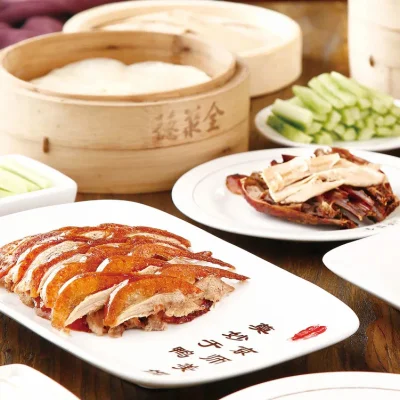
A focused guide to Beijing roast duck skin: why texture matters, how sugar dipping differs from pancake wraps, what carving changes, and how to taste crispy skin before sauce take…
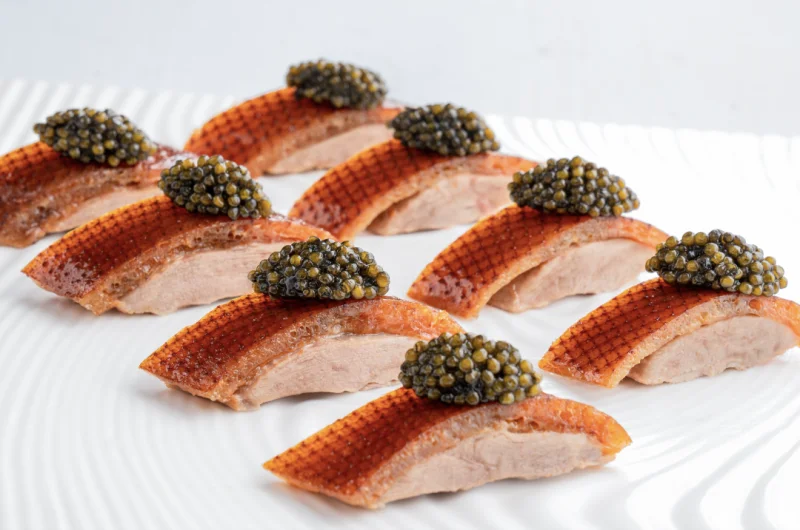
The most memorable part of Beijing roast duck is often not the meat first, but the skin. Good Peking duck skin should be glossy, crisp, thin enough to crack gently, and rich without feeling heavy. If the first bite tastes flat or soft, the rest of the duck will usually feel ordinary no matter how good the pancakes and sauce are.
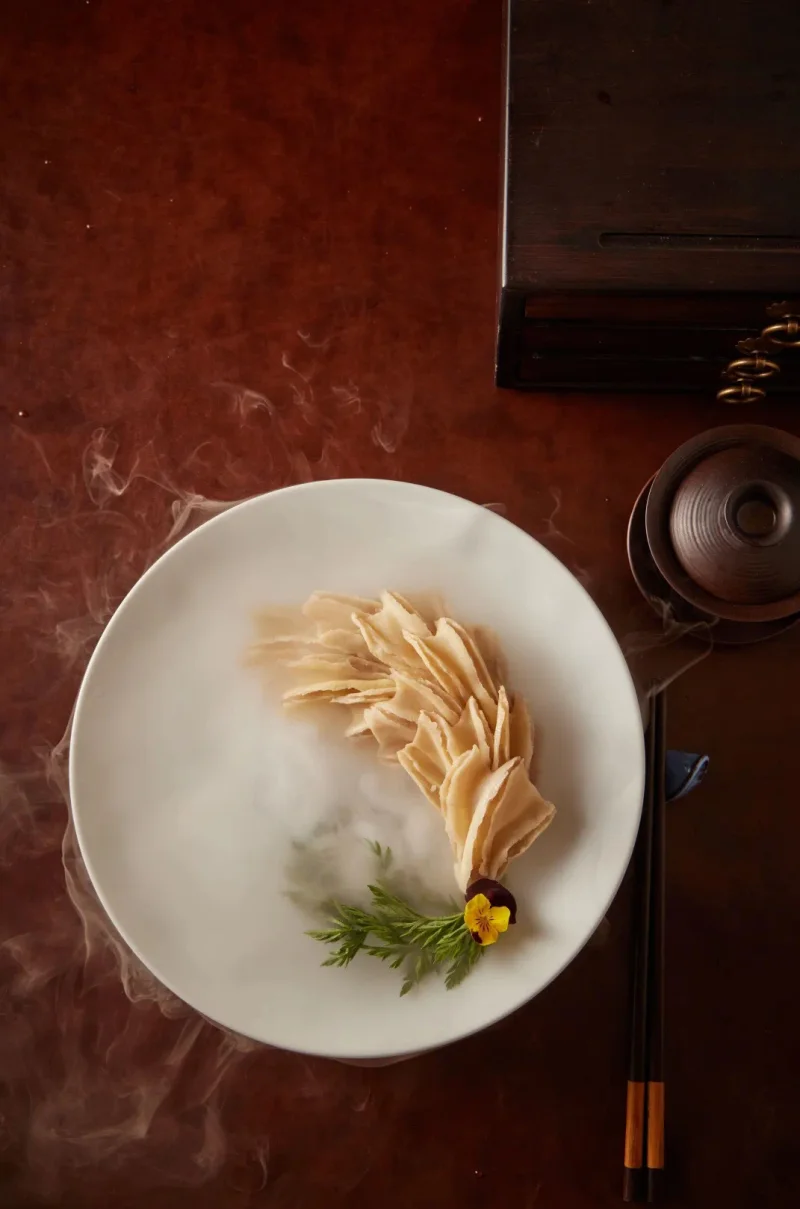
This guide focuses on the skin and the first few bites. For a broader overview of the dish, start with Peking Duck in Beijing. If you mainly want wrapping technique, the Peking duck pancake guide covers sauce, scallions, cucumber, and folding in more detail.
Peking duck is judged by balance: the skin should be crisp, the fat under it should be fragrant but not greasy, and the meat should stay tender. The skin is the part that shows the roasting skill most quickly. A clean roast gives the surface a lacquered color and a light snap. Too much moisture makes the skin bend instead of break; too much fat makes it taste heavy.
This is why many Beijing roast duck restaurants serve the first pieces separately or explain how to taste them before wrapping everything in a pancake. The point is not ceremony for its own sake. It lets you notice the texture before sweet bean sauce, scallions, and cucumber begin to dominate.
One classic way to taste duck skin is with a small amount of white sugar. It sounds unusual if you have only eaten duck in pancakes, but the logic is simple: sugar highlights the crisp skin and roasted fat without adding onion, garlic, or sauce. The best piece for this is usually a clean strip of skin with a little fat, not a thick piece of meat.
Use only a light touch. If the sugar becomes the main flavor, the bite turns into a sweet snack rather than a roast duck tasting. The goal is to feel the contrast: crisp skin, warm fat, and a quick sweetness that disappears fast.
After the first skin bite, the pancake wrap makes more sense. A proper wrap combines duck, sweet bean sauce, scallion, cucumber, and sometimes radish strips. The pancake softens the fat, the vegetables add freshness, and the sauce gives a salty-sweet base. This is the familiar Beijing roast duck bite most visitors expect.
The mistake is to overload the wrap. Too much sauce hides the duck skin; too many vegetables make the pancake hard to close. A better first wrap uses two or three pieces of duck, a thin line of sauce, and just enough scallion and cucumber to cut the richness.
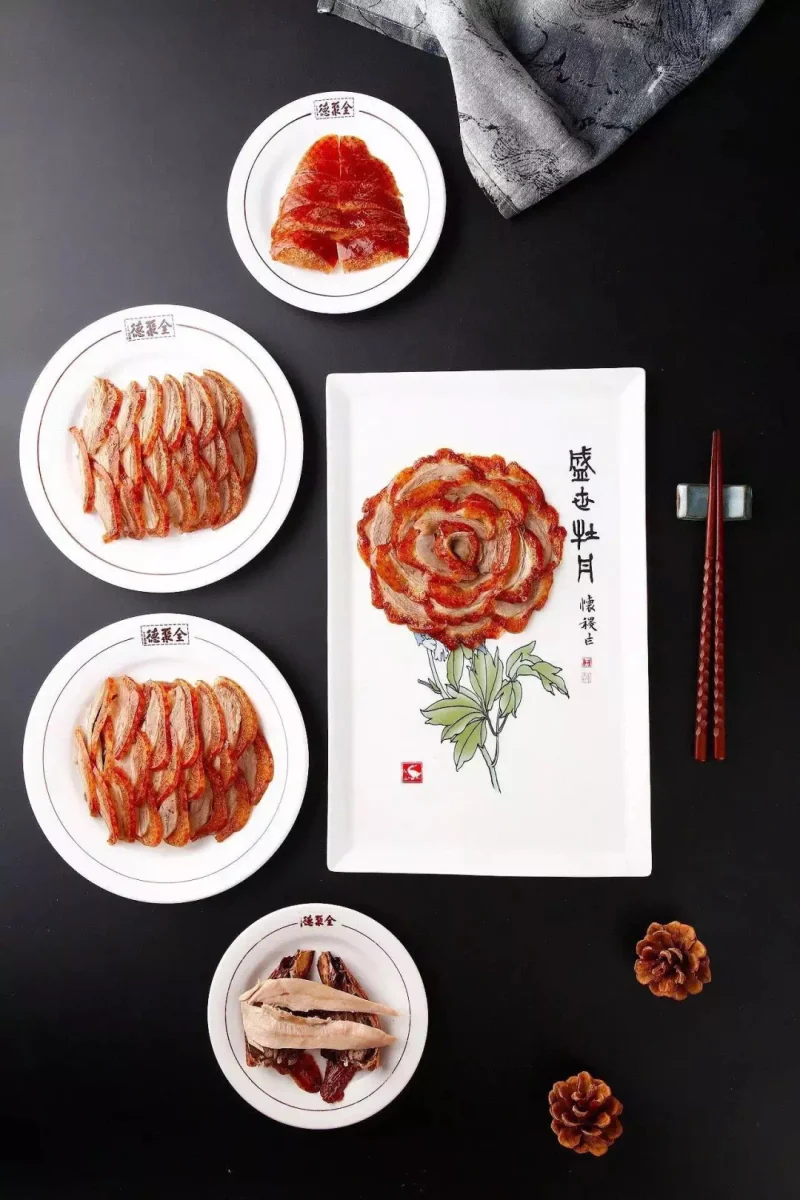
Carving style affects how the duck eats. Thin, even slices give you skin and meat together, which works well in pancakes. Separate skin pieces are better for the sugar dip. Thicker pieces can be satisfying, but they may feel less crisp if the fat layer is heavy.
Watch the shape of the plate. If the chef separates different cuts, taste them in order: skin first, then leaner meat, then richer pieces in pancakes. If the duck arrives already mixed together, choose a crisp-looking piece for the first bite before building a wrap.
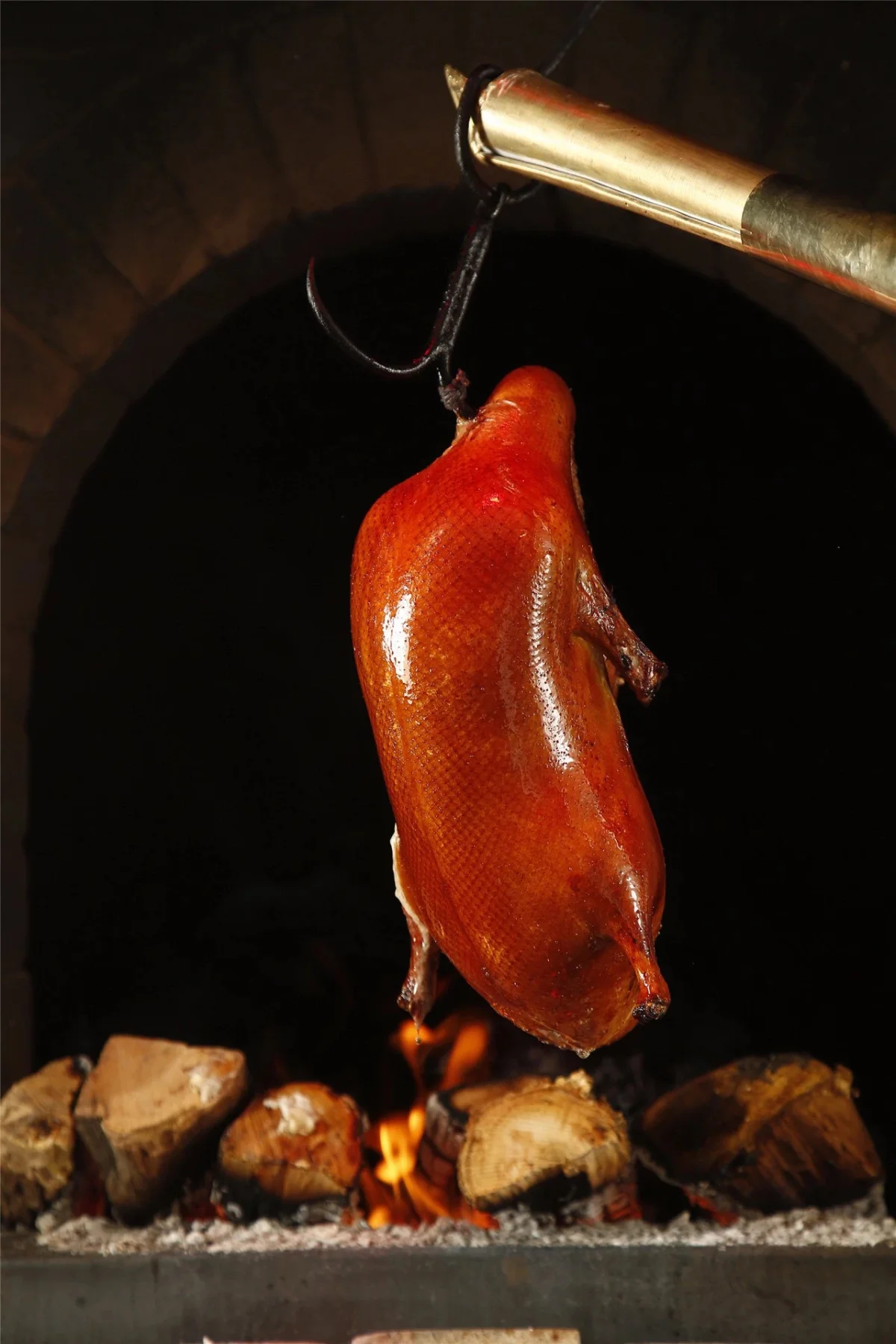
Beijing roast duck is commonly discussed through two roasting traditions. The hanging oven style is associated with fruit wood fire and a deeper roasted aroma. The closed oven style uses contained heat and is often described as cleaner and gentler, with tender meat and crisp skin. The difference is not only history; it changes the way the skin smells, colors, and releases fat.
Neither method is automatically better. What matters at the table is whether the skin is crisp, the meat is moist, and the duck tastes fresh from the oven. A famous name cannot rescue a duck that has sat too long after carving.
Eat the skin early. Duck skin loses crispness as it cools, and pancake steam can soften it quickly. Taste one plain or sugar-dipped piece first, then build a pancake while the slices are still warm. If duck soup or other dishes arrive later, treat them as a second stage of the meal rather than the main event.
For first-timers, a simple sequence works well: skin with sugar, one balanced pancake wrap, one wrap with a little more scallion, then a piece of meat without much sauce. By the fourth bite, you will understand whether the restaurant’s strength is skin, aroma, meat texture, or presentation.
A strong first bite should be crisp but not brittle, rich but not oily, and aromatic without tasting burnt. If the skin is leathery, the roast or resting time may be off. If the meat is dry, the duck may have been held too long. If sauce is needed to make the duck interesting, the roast itself is probably not the highlight.
Once you understand the skin, Peking duck becomes easier to judge. The pancake wrap is still important, but it should support the duck rather than cover it. That is the difference between simply eating roast duck and actually tasting Beijing roast duck.
For official Beijing tourism context on roast duck eating methods, open-oven and closed-oven styles, and restaurant background, see Visit Beijing's Peking Duck feature. The article images are localized from the same official tourism feature and related official restaurant account materials presented there.
Comments (0)