This guide focuses on cuts and texture. For the basic dish, see the Beijing baodu guide. For the dipping bowl, see the baodu sesame sauce guide. Here the question is more specific: when a menu offers different baodu parts, what should you expect?
Why baodu cuts matter
Baodu depends on timing. The cook drops sliced beef or lamb stomach into boiling water, pulls it out quickly, and serves it hot with sesame paste sauce. A few seconds can decide whether a piece tastes crisp, tender, rubbery, or undercooked.
Different cuts do not cook at the same speed. Thin, delicate pieces need very short blanching. Thicker pieces can take slightly longer. This is why old Beijing baodu culture pays attention to part names, texture, and fire control. The cut is not just a menu detail; it changes the whole bite.
Beef omasum and baiye
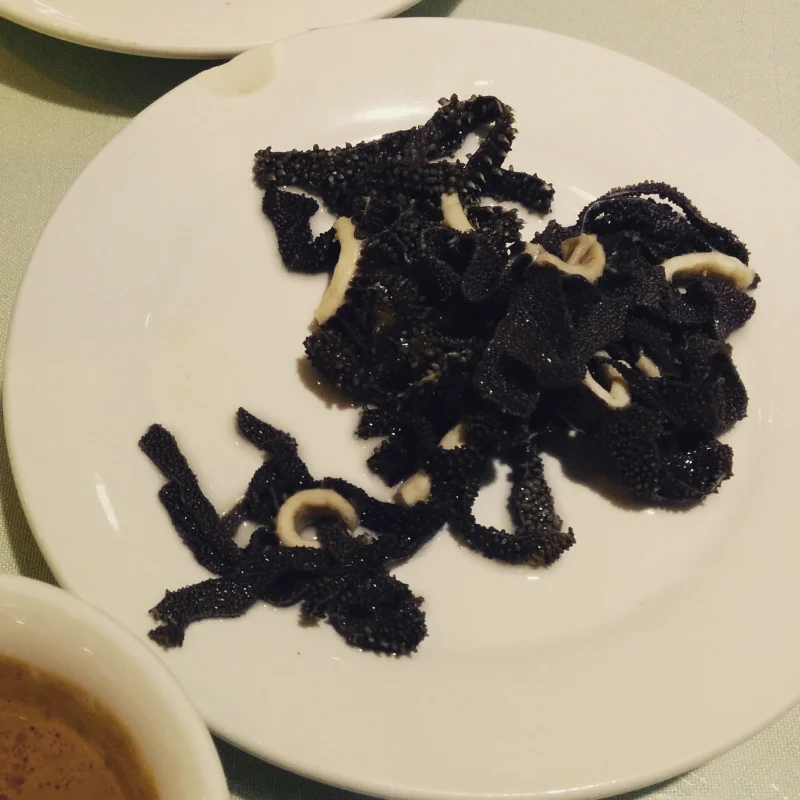
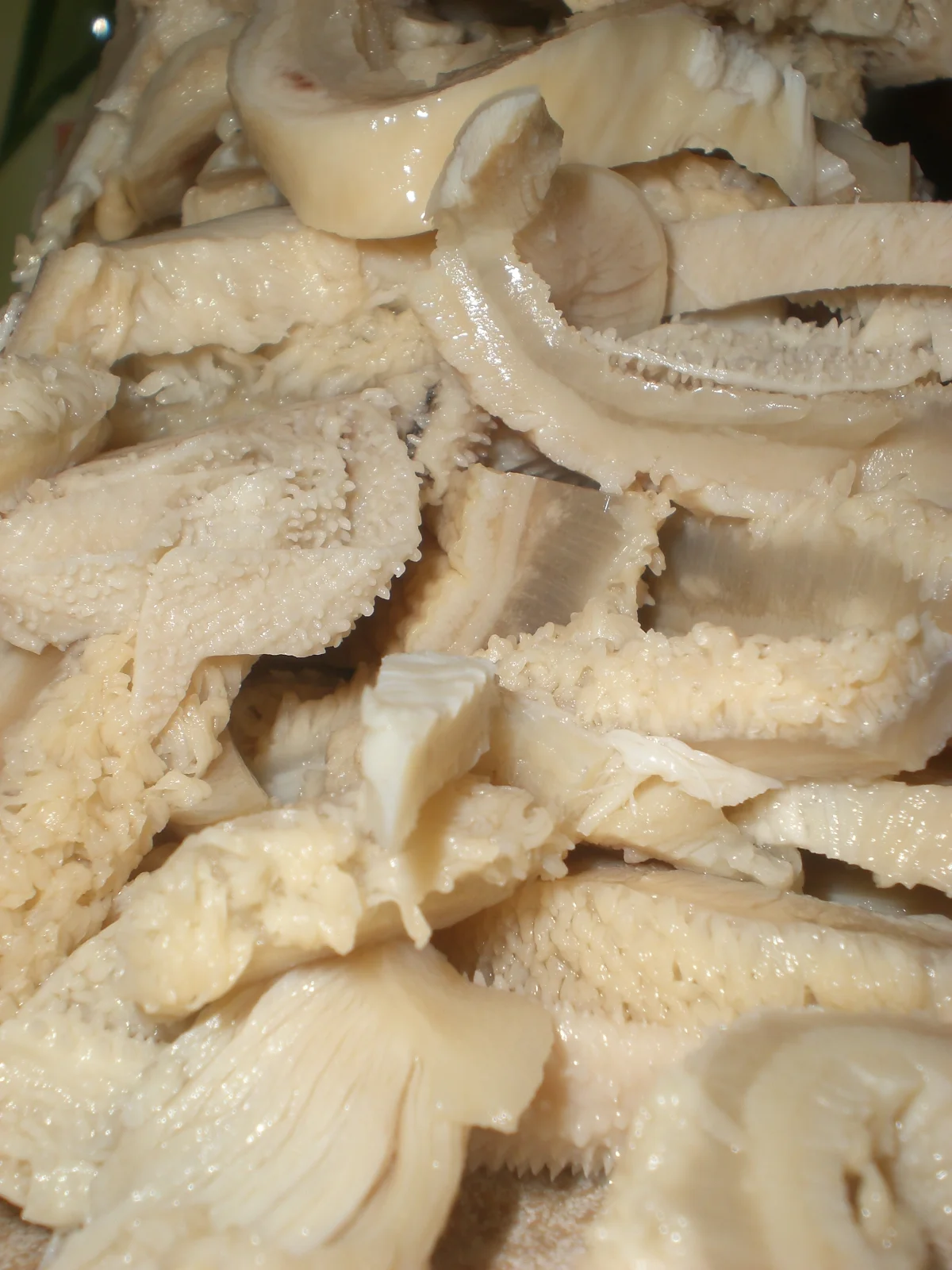
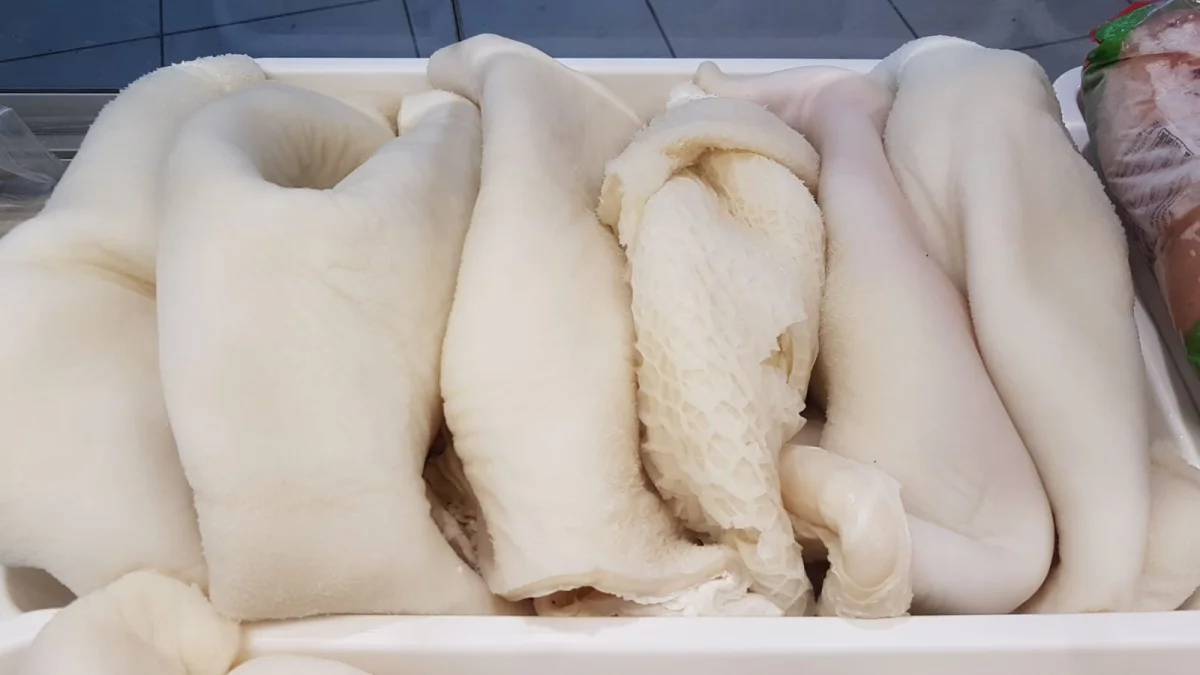
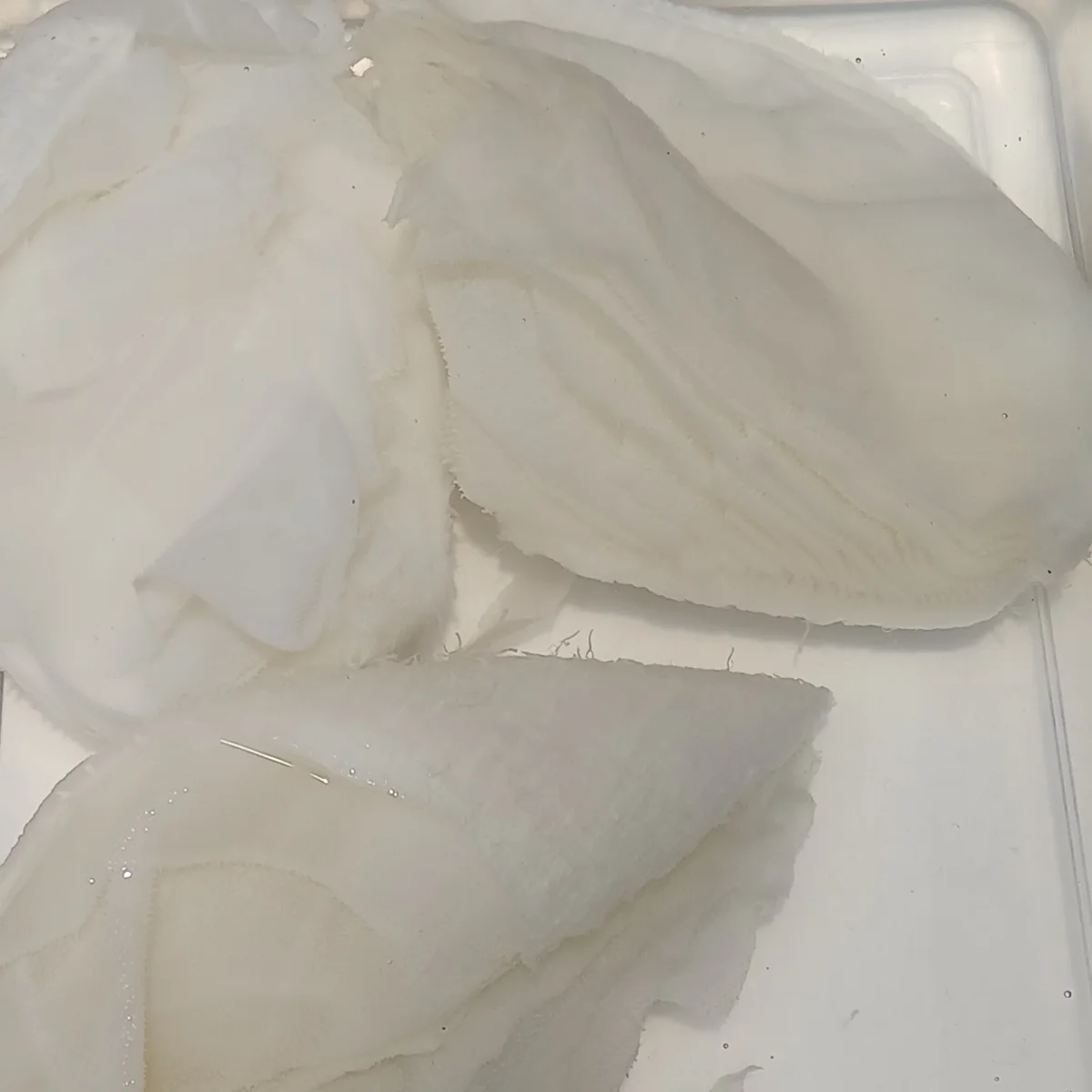
Many English descriptions of baodu mention beef omasum. In Chinese ordering, baiye usually refers to the leaf-like stomach tissue with many thin folds. It is visually different from smooth tripe because the surface looks layered or frilled.
When prepared well, baiye should be crisp and lively. It should not feel like a soft stew ingredient. The folds catch sauce easily, so a small amount of sesame paste, vinegar, and chili oil can flavor a lot of surface area. For first-timers, baiye is often one of the easiest textures to understand because it gives a clear snap.
Baiye tip and thicker beef cuts
Some Beijing sources describe beef baodu menus with parts such as duren, baiye, baiyejian, and houtou. Translations vary, and English menus may simplify all of them as “beef tripe.” The useful point for diners is texture: thinner folded pieces tend to be cleaner and crisper, while thicker pieces can be meatier and chewier.
If you are ordering in English and the menu does not explain the parts, ask which beef tripe cut is crispest. If the shop offers a mixed beef plate, that can be a practical way to compare textures without committing to one unfamiliar name.
Lamb sandan
Lamb sandan is one of the names that often appears in old Beijing baodu discussions. Compared with many beef cuts, lamb tripe can carry a slightly stronger aroma, especially for diners who are sensitive to lamb. It can also reward careful cooking with a very clean, springy bite.
Sandan is not a beginner-proof order everywhere. In a good shop, it can be one of the most interesting textures. In a careless kitchen, it can become tough quickly. If you are new to baodu, try it as part of a mixed plate rather than making it your only order.
Duren and tender cuts
Chinese baodu descriptions often mention duren as a prized tender part. The exact English rendering can be inconsistent, but the dining logic is simple: tender cuts need confident timing. They are attractive because they can be delicate, but they are less forgiving if overcooked.
When a server or regular recommends a tender cut, eat it immediately. Do not photograph it for several minutes before tasting. The point is the short window when the texture is warm, clean, and just set.
Mushroom-like cuts and mixed lamb plates
Some old Beijing descriptions list lamb stomach parts with names such as hulu, du ban, du ling, sandan, mogu, and mogu tou. These names are difficult to translate literally in a way that helps a traveler, so focus on the eating experience: some cuts are broad and chewy, some are finer, some are thicker at the edge, and some carry more lamb aroma.
A mixed lamb baodu plate can be the best way to learn these differences. Eat slowly enough to compare, but not so slowly that the plate cools. Dip each piece lightly first, then add more sauce after you understand the texture.
How cooking time changes texture
Baodu is called “bao” because speed is central to the method. The cook is not slowly braising the stomach until soft. The goal is to use boiling water to set the surface and preserve snap. This is why official Beijing food descriptions emphasize the importance of precise timing.
Too short, and the piece can feel raw or unpleasantly unfinished. Too long, and the same cut can become tough. Good baodu looks simple because the hard work happens in seconds.
Which cut should first-timers order?
If you are completely new to baodu, start with a small mixed plate or ask for the shop’s recommended crisp cut. Baiye or a similar folded beef cut is usually easier for first-timers than the strongest lamb parts because the texture is obvious and the flavor is relatively clean.
If you already like lamb, try a mixed lamb plate. If you like offal but dislike strong aroma, stay with beef cuts first. If you are ordering with friends, choose one beef plate and one lamb plate so you can compare without over-ordering.
How to taste the differences
- Eat the first piece with only a light dip of sauce.
- Notice whether the texture is crisp, springy, tender, or chewy.
- Try a second piece with a little more vinegar or chili oil.
- Compare beef and lamb pieces before the plate cools.
- Use shaobing only after you have tasted the cuts, not before.
This tasting order keeps the sauce from covering the differences. It also helps you understand why baodu regulars talk about texture so much.
How cuts affect sauce
Folded pieces such as baiye hold sesame paste well because the surface has ridges and layers. Smooth or thicker pieces may need less sauce because the bite is more about chew. Lamb pieces can take slightly sharper vinegar or more cilantro if you want to soften the aroma.
The sauce should adapt to the cut, not erase it. If every piece tastes identical, there is probably too much sauce. The best baodu meal lets you move between texture, sesame richness, vinegar brightness, and warm chili oil without losing the identity of each cut.
Baodu cuts vs hotpot tripe
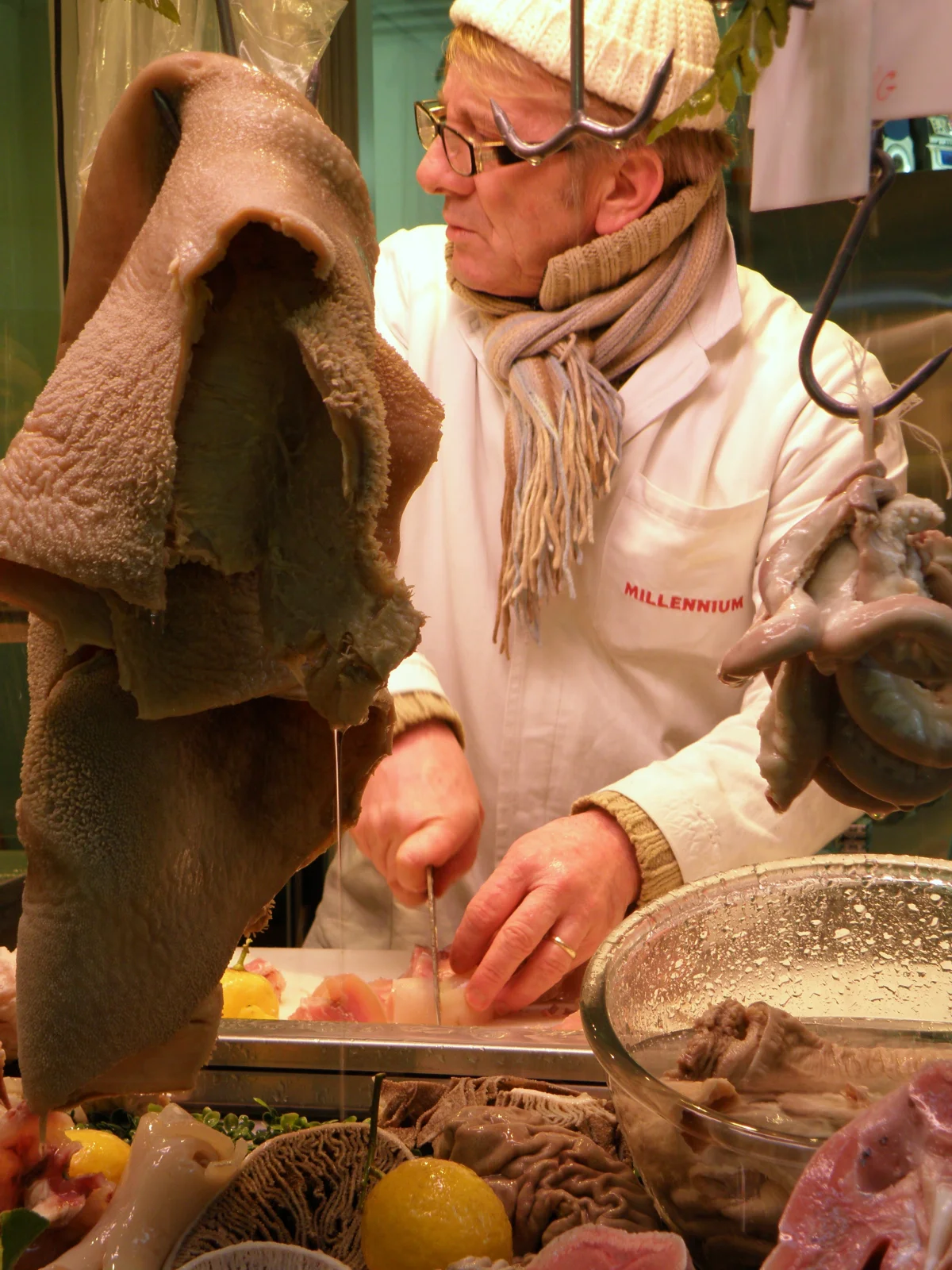
Many visitors know tripe from hotpot first. Hotpot tripe is cooked at the table and often paired with a much stronger broth or dipping sauce. Baodu is more exposed. Because the cooking is short and the sauce is separate, freshness and timing are easier to notice.
This is also why baodu should not be judged like stew. A piece that feels chewy in a braised dish might be acceptable because it absorbed broth. In baodu, the bite has nowhere to hide.
Ordering phrases that help
If the shop has no English menu, a few practical phrases can help. “Niu baodu” points toward beef tripe. “Yang baodu” points toward lamb tripe. “Pinpan” means a mixed plate. “Cui” means crisp. “Bu yao tai la” means not too spicy.
You do not need to master every part name before ordering. A clear request for a small mixed plate and a crisp texture is usually enough. Once you have tasted the dish, the part names become more meaningful.
References and image sources
Food background and image attribution were checked against Beijing municipal tourism pages and licensed Wikimedia Commons image records. External links are provided for attribution and verification only.
Comments (0)