This guide compares the two so first-time visitors do not judge one by the rules of the other. If you need the basic introduction first, start with Baodu in Beijing. If you already know the dish, this article explains why texture, timing, and sauce feel different from a hotpot meal.
The shortest answer
Baodu is quick-fried or quickly blanched tripe prepared by the shop and served immediately with sauce. Hotpot tripe is usually one of many raw or prepped ingredients placed into a boiling pot by diners during a longer meal. Baodu is judged as a focused snack. Hotpot tripe is judged as part of a shared table.
That difference changes everything: the cut selection, the cooking responsibility, the best moment to eat, and even how much sauce makes sense.
Baodu is cooked for you
In a baodu shop, the cook controls the water, the cut, and the seconds. Official Beijing tourism descriptions identify baodu as an old Beijing snack made from bull or lamb stomach, washed clean, cut into strips, quickly cooked in boiling water, and served with condiments such as sesame sauce, vinegar, chili oil, bean paste, and vegetables.
That means the customer receives a finished plate. Your job is not to cook the tripe. Your job is to eat it quickly, while the crisp-tender texture is still there.
Hotpot tripe is part of a table rhythm
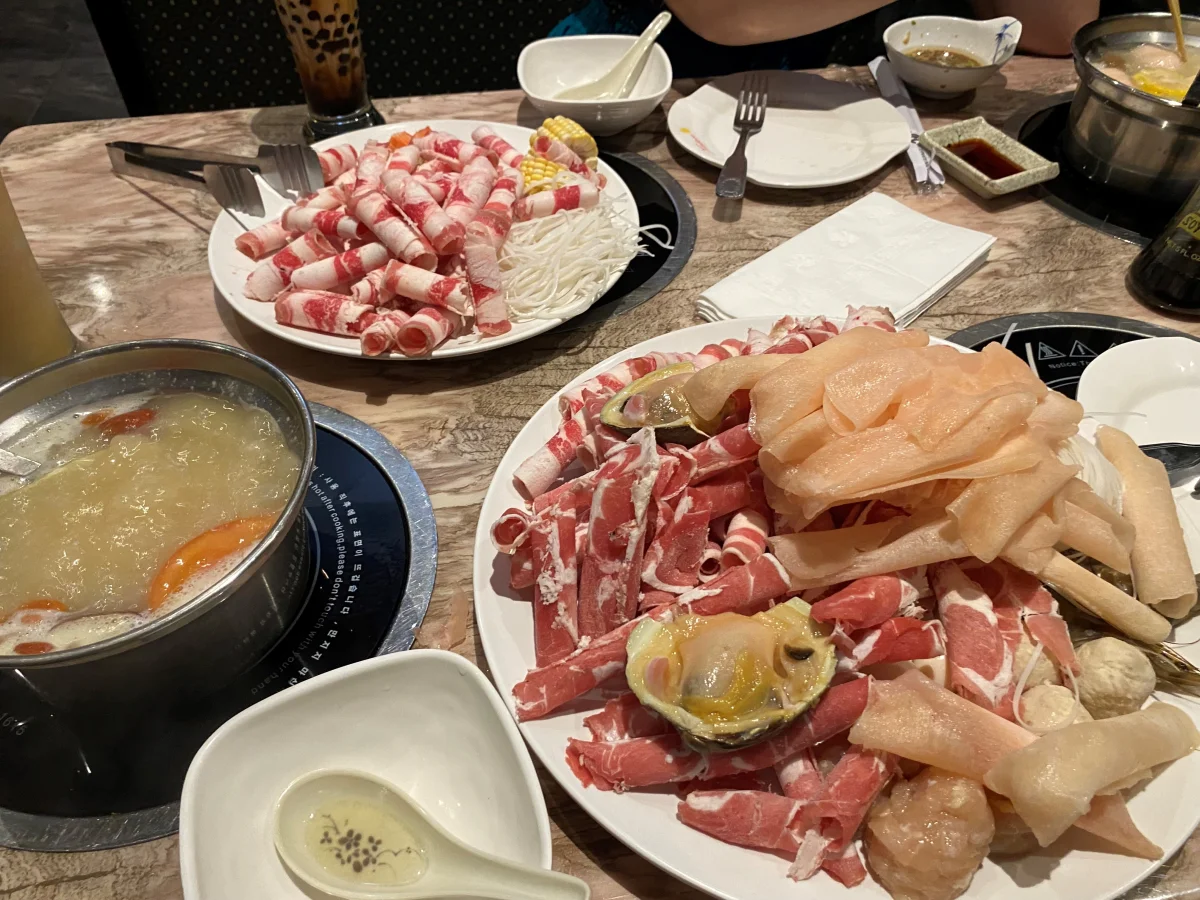
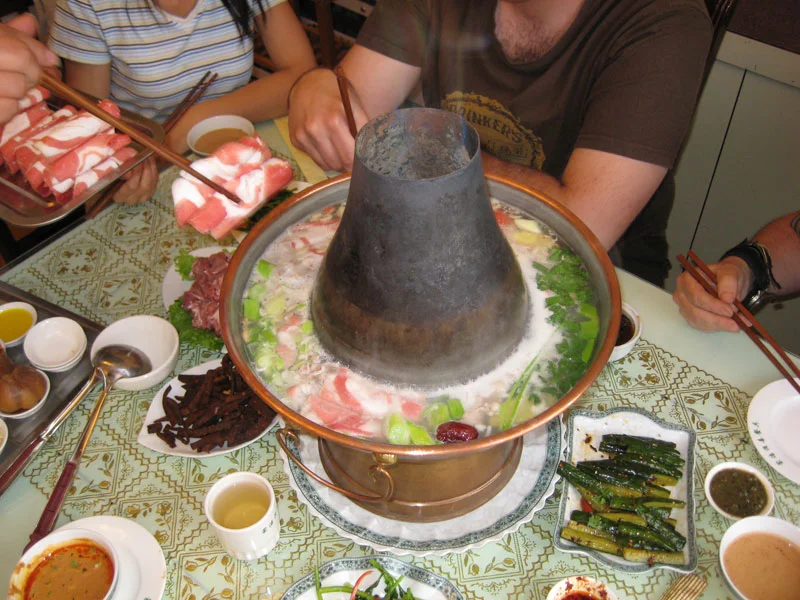
In Beijing copper-pot hotpot, the main ritual is usually thin-sliced mutton, clear broth, sesame paste, and a table that slowly builds around shared cooking. Government and tourism pages describe tall copper pots, raw meat slices, vegetable platters, and individual sauce bowls as the classic setting.
Tripe can appear in that context, but it behaves as one hotpot ingredient among many. Diners decide when to put it in, how long to leave it, and what sauce to use afterward. The meal is slower and more social than a baodu plate.
Texture goal: crisp-tender vs pot-cooked chew
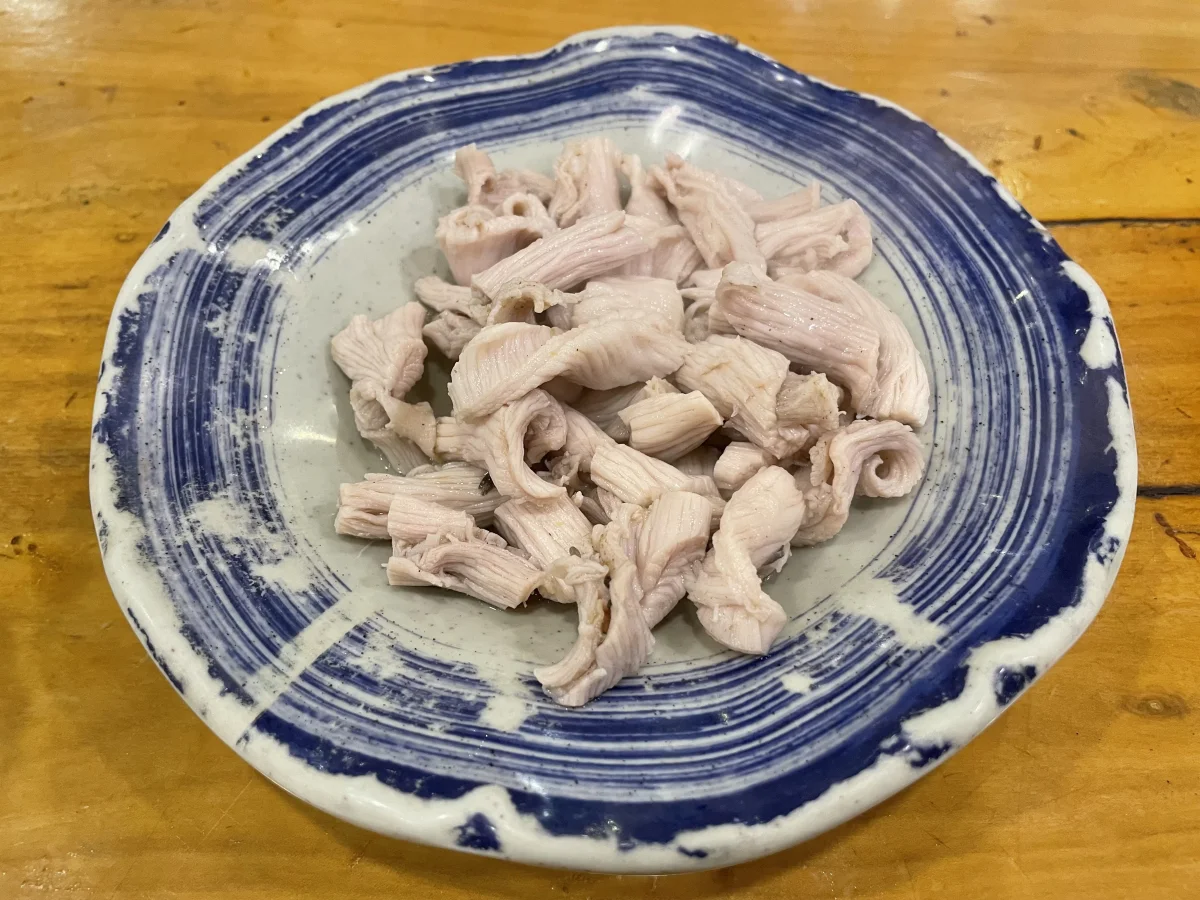
Good baodu should feel clean, springy, and crisp at the edge. The pieces should not be rubbery, and they should not taste boiled flat. The best bite has a quick snap followed by sesame sauce, vinegar brightness, and herb aroma.
Hotpot tripe can also be crisp, but the texture target is less narrow because the table has more variables. The pot may be hotter or cooler, the diner may leave the piece in too long, and the sauce may be stronger. Baodu is less forgiving because the whole dish is about that one texture.
Why timing matters more in baodu
Visit Beijing's story of Baodu Feng notes that different tripe parts have different flavors and need separate cooking times. That detail is important. Baodu is not one uniform ingredient. Lamb and beef cuts vary in thickness, tenderness, and structure.
In hotpot, diners often learn by trial: dip, count, lift, taste, adjust. In baodu, the specialist cook should already understand the cut. This is why a baodu shop can be judged by consistency. A good cook makes the timing feel invisible.
Cut selection is not the same
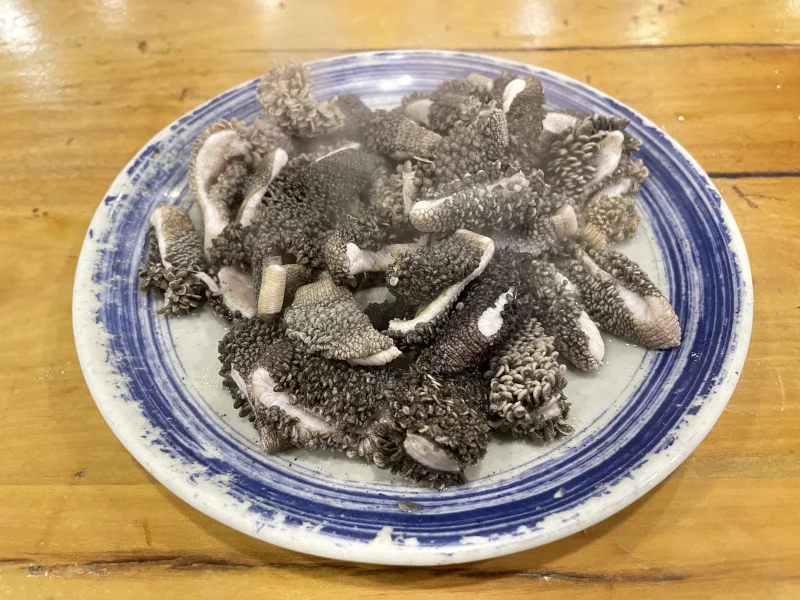
Baodu shops may offer different beef and lamb stomach cuts, and regulars often care about the exact names. Some cuts are prized for a delicate crunch, while others are thicker and more chewy. The point is to taste small differences in texture.
Hotpot menus may use broader terms such as tripe, omasum, beef tripe, or maodu, depending on the restaurant style. The focus is usually how the ingredient behaves in the broth and sauce alongside mutton, vegetables, tofu, noodles, or mushrooms.
If you want a deeper cut-by-cut breakdown, read the Baodu cuts and texture guide.
Sauce overlap can be misleading
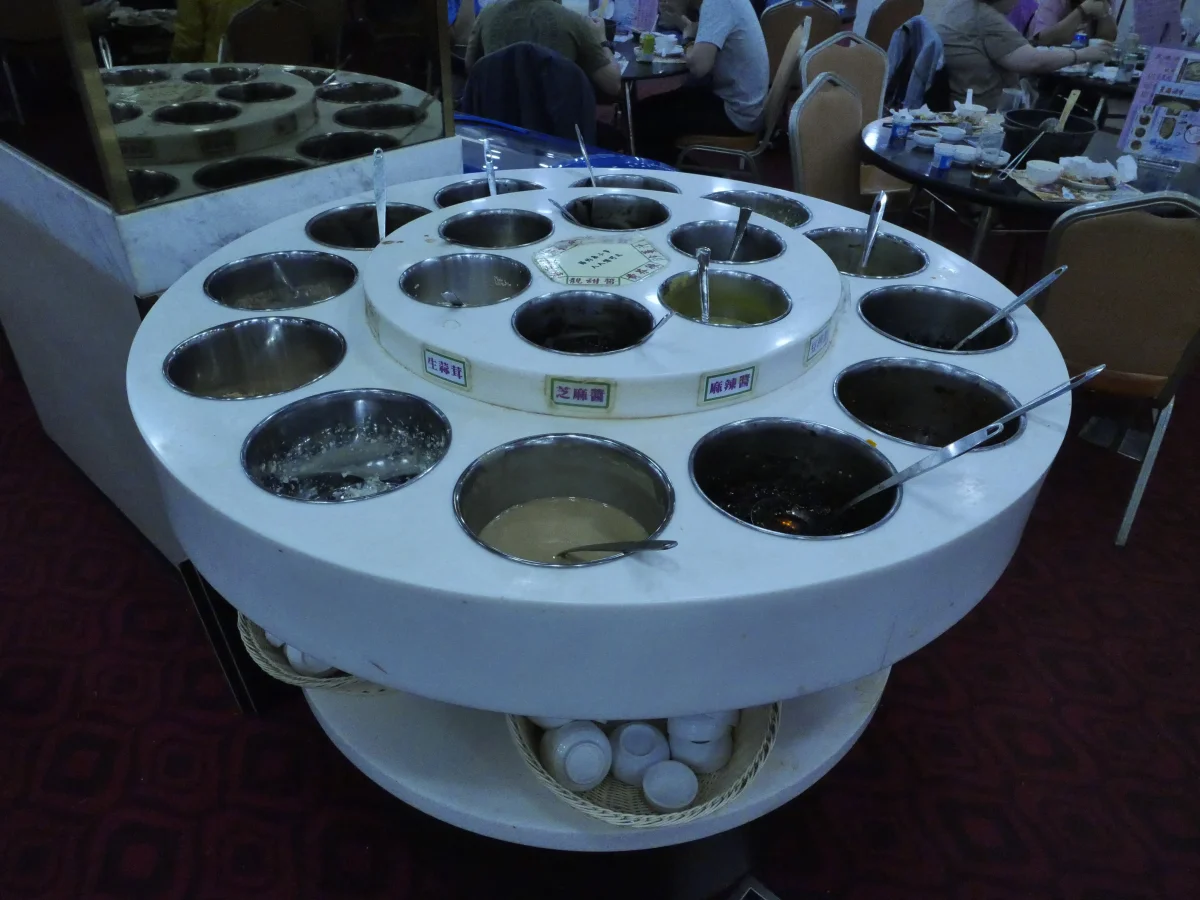
Both baodu and Beijing hotpot can involve sesame paste, fermented tofu, chive flower sauce, vinegar, chili oil, cilantro, and scallion. That overlap is real. But the sauce has a different job in each meal.
For baodu, sauce should support a single fast-cooling plate. It needs to cling without hiding the tripe. Too much sauce makes every cut taste the same. For hotpot, the sauce bowl can be richer and more flexible because it will carry lamb, vegetables, tofu, noodles, and other ingredients over a longer meal.
For the baodu side, see the Baodu dipping sauce guide. For the hotpot side, the broader sesame-paste family is covered in the Beijing hotpot dipping sauce guide.
Eating speed is part of the difference
Baodu should be eaten soon after it lands on the table. The dish loses its point if it cools while everyone photographs it or waits for other dishes. This is why a small portion often makes more sense than a large one for first-timers.
Hotpot is designed to last. The pot keeps working, the table keeps moving, and diners cook in rounds. A piece of tripe can be part of the meal without needing to define the whole experience.
Which one should a first-timer try first?
If you are nervous about offal, hotpot tripe may be easier because it sits inside a familiar group meal. You can try one piece, move back to lamb or vegetables, and keep eating. The sauce and broth soften the risk.
If you want to understand old Beijing snack-shop craft, try baodu. It is more focused and more revealing. You will know quickly whether the texture works for you.
How to order without confusing the two
At a baodu shop, ask for a mixed plate if you are new, then pay attention to which pieces you like. Do not request it to be cooked like hotpot. Let the shop handle the timing and eat it while hot.
At a hotpot restaurant, ask whether tripe or maodu is available and whether it is better in the clear broth or a stronger broth. If you are eating Beijing-style copper-pot mutton, remember that the meal is still built around mutton, sesame sauce, and a slower shared rhythm.
Common mistake: expecting baodu to taste like hotpot
Some visitors expect baodu to taste heavily seasoned because they associate tripe with spicy hotpot. Beijing baodu is usually cleaner. The taste comes from texture, sesame paste, vinegar, herbs, and the light mineral flavor of the tripe itself.
If you want a spicy, broth-soaked tripe experience, hotpot may satisfy you more. If you want to understand why old Beijing diners talk about seconds, cuts, and crispness, baodu is the better lesson.
Common mistake: overcooking hotpot tripe
The opposite mistake happens at hotpot tables. Diners leave tripe in the pot as if it were a slow-cooking ingredient. Many tripe cuts are better with brief cooking. If you forget them in the broth, the texture can become tough or tired.
This is where baodu can teach hotpot technique. The baodu mindset reminds you that tripe often rewards speed.
How the two connect in Beijing food culture
Baodu and copper-pot hotpot both sit near the same flavor world: halal and Hui food influence, beef and lamb traditions, sesame sauce, wheat staples, and practical table culture. They are not identical, but they speak the same local language.
That is why learning one makes the other easier to understand. Baodu teaches precision. Hotpot teaches pace and sharing. Together they explain why Beijing uses simple ingredients but cares so much about timing, sauce, and texture.
Best way to compare them in one trip
Try baodu as a small snack on one day, then eat copper-pot hotpot on another evening. Do not put them back to back in the same large meal. You will understand both better if the baodu plate has your full attention and the hotpot table has enough time to unfold.
When you compare them this way, the difference becomes clear: baodu is a specialist's seconds-long craft; hotpot tripe is a diner-controlled ingredient inside a longer Beijing meal.
References and image sources
Food background and image attribution were checked against Beijing municipal tourism pages, Beijing government pages, and licensed Wikimedia Commons image records. External links are provided for attribution and verification only.
Comments (0)