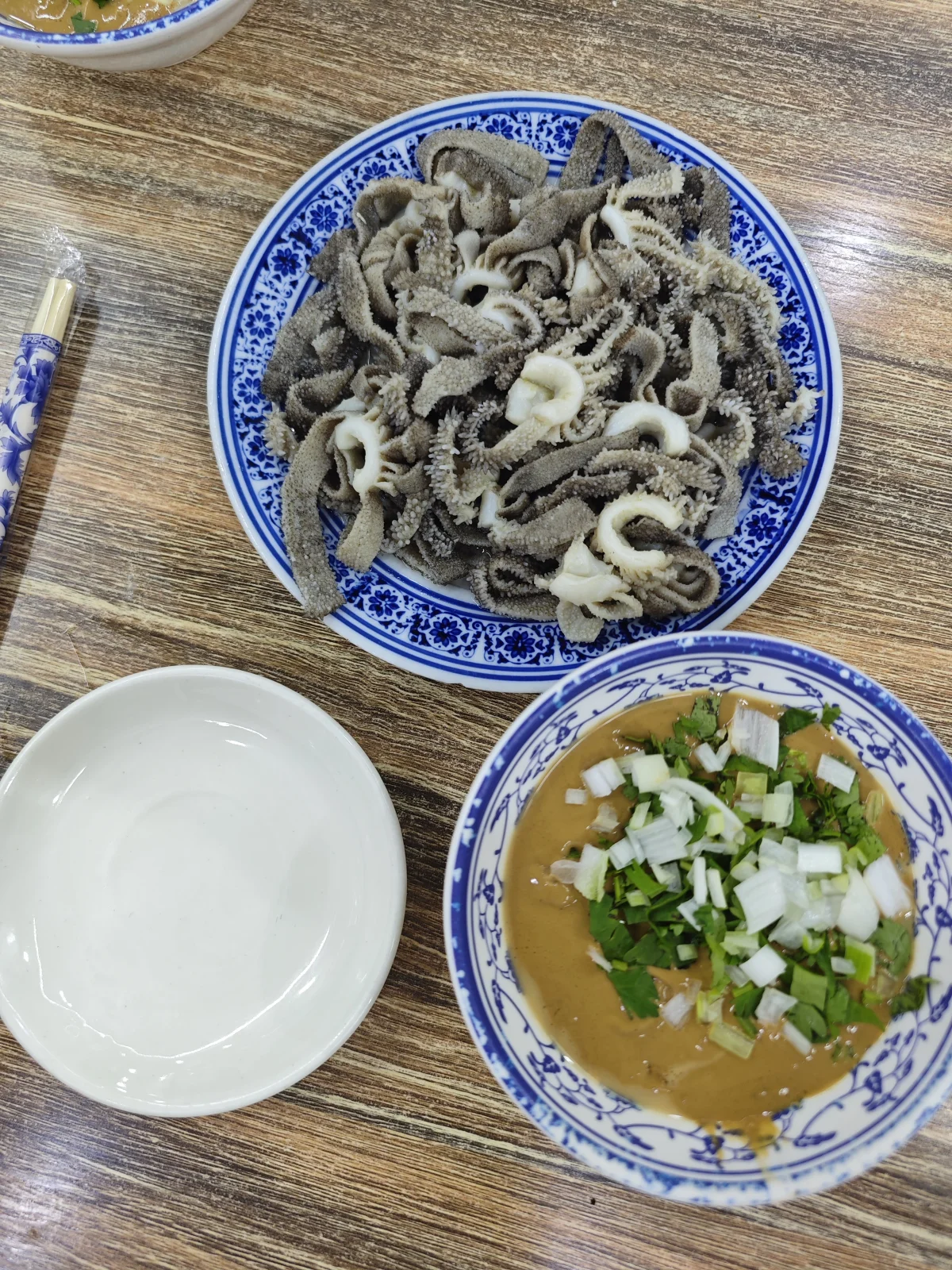
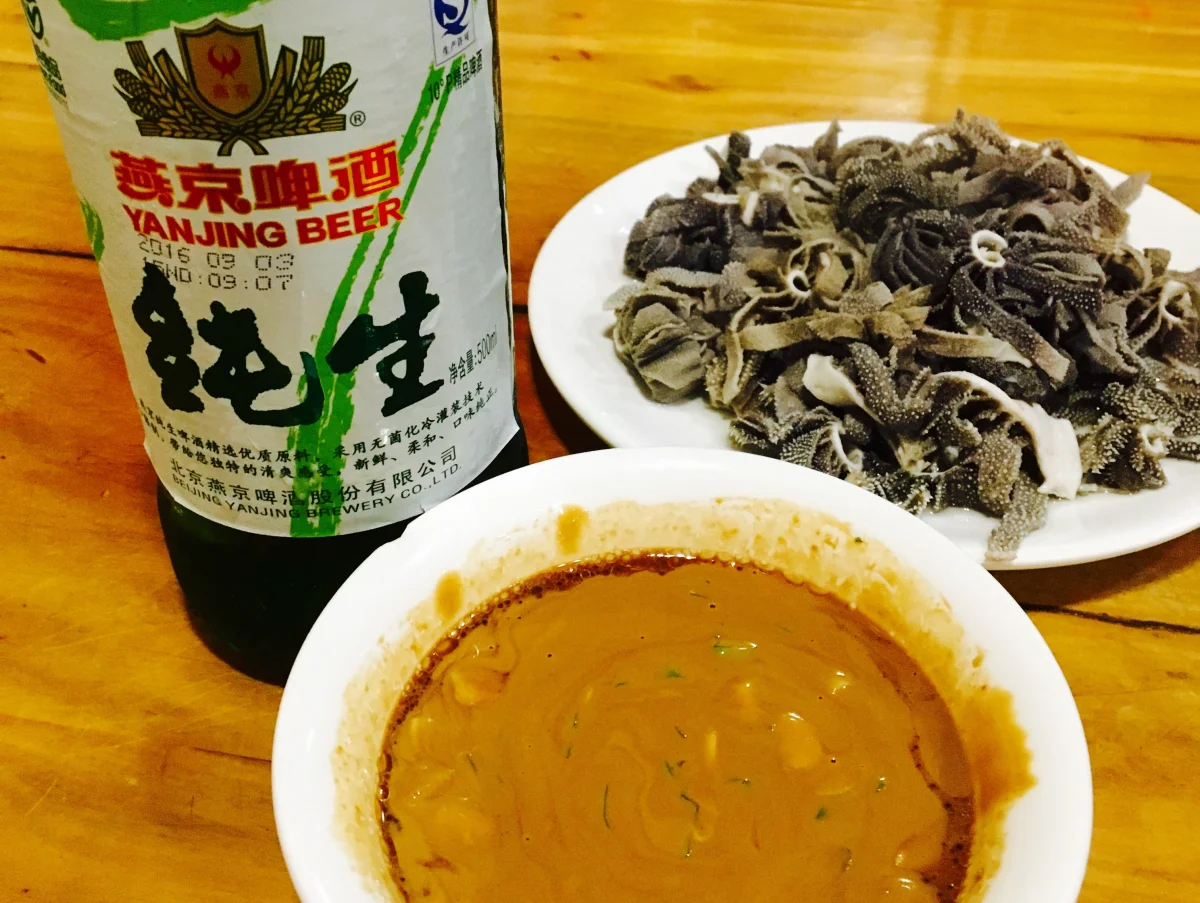
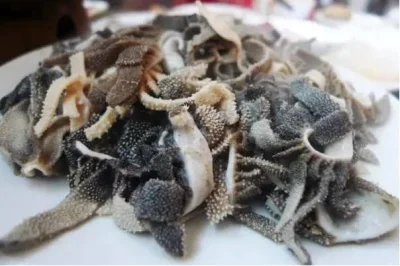
Baodu looks like a dish about tripe, but the sauce is what makes the plate feel unmistakably Beijing. The tripe itself is quickly cooked and clean-tasting. The dipping bowl brings sesame paste body, fermented depth, vinegar lift, chili oil warmth, and fresh herbs into one bite.
This guide focuses on the sauce side of baodu rather than repeating the basic introduction in our Beijing baodu guide. If you already know what baodu is, use this as a practical map for reading the sauce bowl, adjusting the balance, and ordering with more confidence.
Why baodu sauce matters
Quick-fried tripe is prized for texture more than heavy flavor. Good baodu should be crisp-tender, hot, and clean. Without sauce, the dish can feel plain. With the right sauce, the tripe gains nuttiness, acidity, salt, aroma, and a little heat while still keeping its snap.
The key is balance. If the sauce is too thick, every piece tastes muddy. If it is too salty, the tripe disappears. If vinegar is missing, the sesame paste can feel flat. A well-mixed baodu sauce should coat lightly, cling to the ridges, and finish cleanly enough that you want the next bite.
The sesame paste base
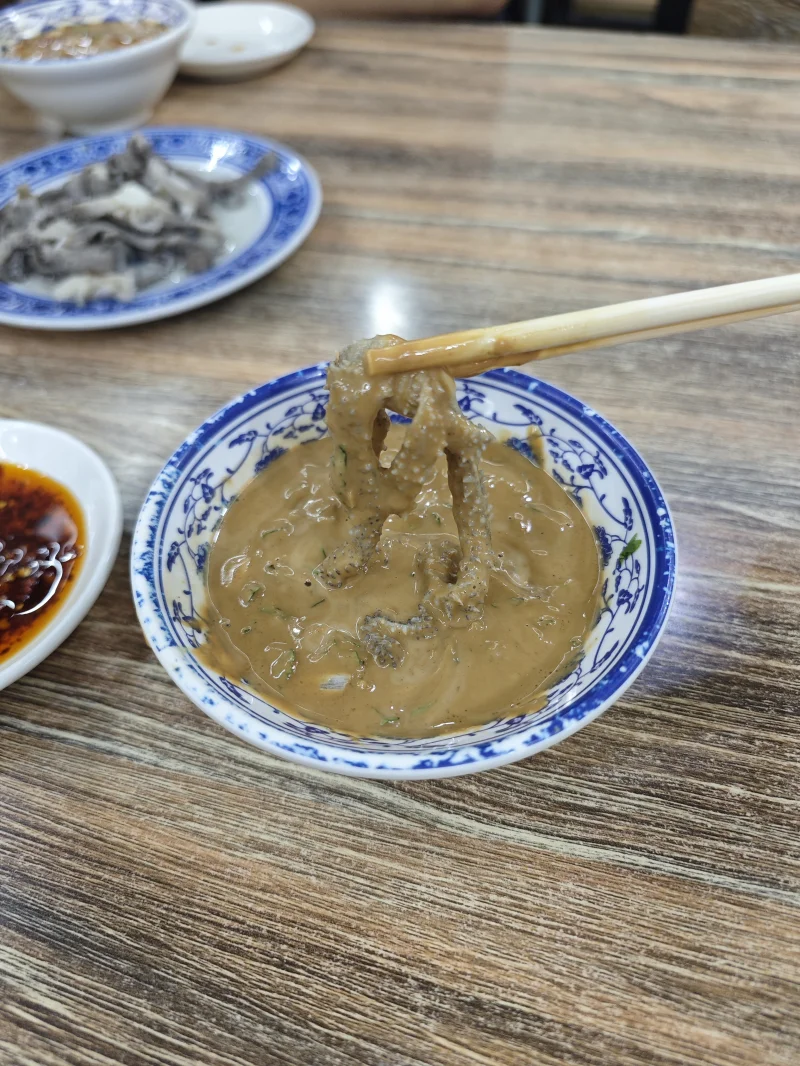
Beijing baodu sauce usually begins with sesame paste. This is the same broad flavor family as the sesame paste used for Beijing hotpot sauce, but baodu sauce should feel a little more direct. The tripe is not simmering in broth or chili oil; it is dipped after cooking, so the sauce needs to deliver flavor quickly.
Good sesame paste gives the sauce its creamy body and roasted sesame aroma. It should be loosened enough to dip easily. If it sits in a heavy clump on the tripe, the sauce is too thick. If it runs like water and leaves no coating, it has gone too thin.
Fermented tofu and chive flower sauce
Two old-Beijing seasonings often sit behind the sesame paste: fermented tofu and chive flower sauce. Fermented tofu brings salt, savoriness, and a gentle funk. Chive flower sauce adds a sharp green allium note. Used carefully, they make the sauce taste deeper without making it harsh.
These ingredients are also why baodu sauce can taste more “local” than a plain sesame dip. The flavor is not just nutty. It has a savory, slightly fermented edge that suits the clean tripe. If you are new to the dish, start with the shop’s standard mix before adding more of either seasoning.
Vinegar gives the sauce lift
Vinegar is important because tripe and sesame paste both need brightness. A small amount cuts through the richness and makes the next bite easier. Too much vinegar, however, can turn the sauce sour and hide the roasted sesame flavor.
A useful first-timer rule is to taste the sauce before adding anything. If it feels heavy or sleepy, add a little vinegar. If it already has a lively edge, leave it alone. The best baodu sauce should not taste like a vinegar dip; it should taste like sesame paste that has been lifted.
Chili oil is seasoning, not the whole dish
Baodu can take chili oil well, especially when the tripe is fresh and the sauce is thick enough to hold the oil. But Beijing baodu is not supposed to become a bowl of red chili sauce. Too much heat can cover the tripe’s texture and make every cut taste the same.
If you like spice, add chili oil gradually. A thin red sheen on top of the sesame paste is usually enough. If the shop uses a fragrant chili oil with sesame or aromatics, even a small spoonful can change the whole bowl.
Cilantro, scallion, and garlic
Fresh herbs and alliums finish the sauce. Cilantro gives the bite a clean, green aroma. Scallion adds a sharper onion note. Garlic can be excellent, but it should not dominate unless you deliberately want a stronger taste.
This is where baodu sauce connects with other Beijing snack-shop flavors. Garlic and herbs also appear around dishes such as luzhu huoshao, chaogan, and baodu comparisons, but the role is different here. In baodu, the fresh notes keep a cold-looking plate of tripe lively and aromatic.
How much sauce should you use?
Dip lightly at first. The first few bites should tell you whether the tripe is crisp, whether the sauce is balanced, and whether you want more vinegar or chili oil. If you bury every piece immediately, you lose the main reason for ordering baodu: texture.
After you understand the plate, adjust bite by bite. Ribbed tripe can hold more sauce. Smooth or thinner pieces need less. If there is sesame sauce left at the end, a piece of shaobing is one of the most practical ways to finish it.
How baodu sauce differs from hotpot sauce
Baodu sauce and Beijing hotpot dipping sauce share ingredients, especially sesame paste. The difference is context. In hotpot, thin slices of mutton, vegetables, tofu, and noodles pass through the same sauce over a long meal. The sauce can be richer and more flexible.
Baodu sauce has a narrower job. It needs to flatter one texture-focused dish quickly. That is why balance matters so much. The sauce should support crisp tripe, not behave like an all-purpose hotpot bowl. For the broader sesame-paste sauce family, see our Beijing hotpot dipping sauce guide.
A first-timer sauce strategy
- Taste one piece with the shop’s standard sauce before adjusting anything.
- If the sauce feels heavy, add a small splash of vinegar.
- If it feels flat, add a little chili oil or fermented tofu.
- If the tripe tastes hidden, use less sauce on the next bite.
- If you like the final balance, use shaobing to finish the remaining sauce.
This approach lets you learn the dish without turning it into something else. Baodu is not about maximal seasoning. It is about a precise relationship between hot tripe, sesame paste, and freshness.
Common sauce mistakes
The most common mistake is adding too much of everything at once. Sesame paste, fermented tofu, chive flower sauce, vinegar, garlic, and chili oil are all strong. If you push each one to the limit, the sauce loses shape.
The second mistake is waiting too long. Baodu cools quickly. The sauce will still taste good, but the tripe’s snap softens. Mix, dip, eat, and adjust while the plate is still warm.
What a good bite should taste like
A good bite starts with a gentle tripe snap, then sesame richness, then a little salt and fermented depth, followed by vinegar brightness and fresh herb aroma. Chili oil should warm the finish without taking over.
When the balance is right, baodu feels cleaner than many people expect from an offal dish. It is not a heavy stew. It is a fast, textural Beijing snack with a sauce that does a lot of quiet work.
References and image sources
Food background and image attribution were checked against Beijing municipal tourism pages and licensed Wikimedia Commons image records. External links are provided for attribution and verification only.
Comments (0)