Baodu is easier to enjoy when you order it like a Beijing snack rather than a full restaurant main course. The best plate is hot, crisp, and eaten quickly. The sauce should be adjusted after the first bite, not before you know what the tripe tastes like.
This guide focuses on the ordering process: what to ask for, whether to choose beef or lamb, how to use a mixed plate, what to eat alongside it, and how to avoid common first-timer mistakes. For the full background, start with the Beijing baodu guide. For part names and texture, see the baodu cuts guide.
Start with the right expectation
Baodu is not a stew, a hotpot course, or a plate meant to sit on the table for a long time. It is quick-fried tripe served almost immediately after blanching. The point is the brief window when the pieces are warm and crisp-tender.
That means a good baodu order is usually modest. A small plate or mixed plate can be better than ordering too much. If the tripe cools before you finish, the texture becomes less lively and the whole dish loses its reason for being.
Order a mixed plate first
If you do not know the cut names, a mixed plate is the most practical first order. It lets you compare beef and lamb textures without guessing from a menu translation. In Chinese, look for pinpan, which means a mixed platter.
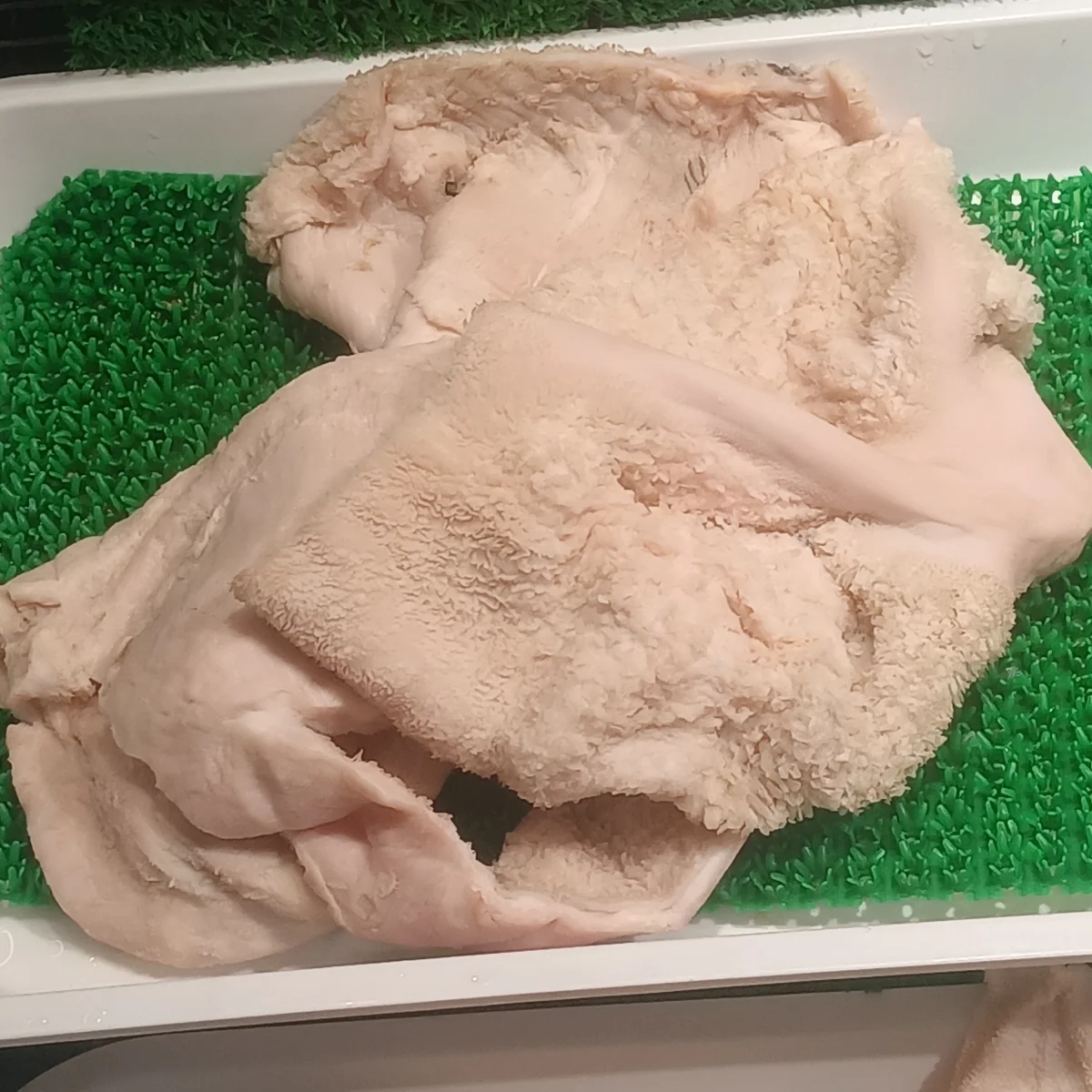
A mixed plate is especially useful because English menus often simplify many stomach parts into “tripe.” The shop may know exactly which cut is baiye, duren, sandan, or another local name, but the English line may only say beef tripe or lamb tripe. A mixed plate turns that uncertainty into a tasting experience.
Beef or lamb?
Beef baodu is usually the safer first choice. It often tastes cleaner to visitors, and folded cuts such as baiye give a clear crisp texture. Lamb baodu can be more aromatic and more interesting, but it is also more sensitive to freshness, timing, and personal preference.
If you already like lamb and offal, try lamb. If you are unsure, start with beef or order both in small portions. The goal is not to prove bravery; it is to find the texture that makes the dish click for you.
Ask for the shop’s recommended cut
Good baodu shops often know which cut is best that day. Freshness and prep matter, so the most famous name on a guide may not always be the most satisfying plate at that exact moment. Asking for the house recommendation is a practical move.
If language is a barrier, keep it simple. Point to the baodu section and ask for a small portion, a mixed plate, or the crispest option. The word cui means crisp. It is a useful word because baodu is judged by bite more than by sauce volume.
Do not over-adjust the sauce immediately
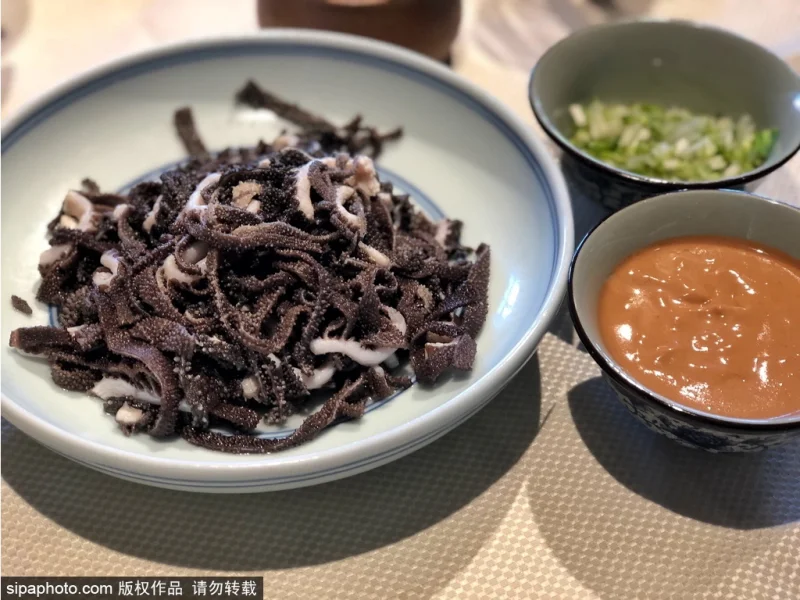
Baodu sauce is usually built around sesame paste, vinegar, chili oil, fermented tofu, chive flower sauce, cilantro, and scallion. It can be tempting to add everything before tasting. Resist that for the first bite.
Dip one piece lightly. If the sauce feels heavy, add a little vinegar. If it feels flat, add a touch of chili oil or fermented depth. If it already tastes balanced, leave it alone. The baodu dipping sauce guide explains those adjustments in more detail.
Eat it while it is hot
This is the most important practical rule. Baodu changes quickly as it cools. The first minutes are when the texture is cleanest and the sauce clings best. Take photos quickly if you need them, then eat.
If you are ordering several dishes, ask for baodu after the table is ready rather than letting it arrive while everyone is still choosing. It should be eaten as a fresh plate, not treated as a background snack while the rest of the meal is delayed.
What to order with baodu
Baodu works well with simple sides. Sesame shaobing is useful because it can pick up leftover sauce without competing with the tripe. A cold vegetable dish can make the meal feel lighter. In an old Beijing snack route, baodu also pairs naturally with other small dishes instead of one heavy main.
If you are comparing Beijing offal dishes, keep baodu before heavier bowls. A braised dish such as luzhu huoshao can be excellent, but it is darker and richer. Baodu is cleaner and more texture-led. For that comparison, see luzhu huoshao vs chaogan vs baodu.
How much should you order?
For one person, a small plate is enough if you are also trying other snacks. For two people, one mixed plate is a good start. For a group, order a beef plate and a lamb plate so everyone can compare without letting one giant order cool down.
Baodu is not better just because the table is crowded with it. Freshness and pace matter more than quantity. If the first plate is excellent, you can order another.
Useful ordering phrases
- Baodu: quick-fried tripe.
- Niu baodu: beef baodu.
- Yang baodu: lamb baodu.
- Pinpan: mixed plate.
- Cui: crisp texture.
- Bu yao tai la: not too spicy.
- Yidian dian cu: a little vinegar.
You do not need to sound local. Clear, simple phrases are enough. Most of the ordering difficulty comes from part names, not from the basic request.
When to go
Baodu is best when the shop is active but not chaotic. A little turnover is good because the kitchen is working with fresh prep and steady orders. If a place is completely empty for a long time, ask what is fresh or choose a smaller order.
During peak meal times, famous shops can be busy. That can be good for freshness but stressful for slow decision-making. Read the menu outside if possible, decide your first plate, and keep the order simple.
Common first-timer mistakes
The first mistake is ordering too much before understanding the texture. The second is covering everything in sauce before tasting the tripe. The third is waiting too long. The fourth is expecting baodu to taste like spicy hotpot tripe.
Baodu is quieter than that. It is about quick cooking, clean texture, sesame paste balance, and eating at the right moment. If you judge it by heavy seasoning alone, you miss the point.
A simple first order
For a first visit, order one small mixed baodu plate, one simple shaobing if available, and the standard sauce. Taste the tripe lightly dipped, adjust with vinegar or chili oil only after the first bite, and eat while hot.
If you enjoy the clean crisp texture, order a second plate focused on the cut you liked most. That is a better way to learn baodu than trying to decode the entire menu before you taste anything.
References and image sources
Food background and image attribution were checked against Beijing municipal tourism pages and licensed Wikimedia Commons image records. External links are provided for attribution and verification only.

Comments (0)