How Beijing Families Make Zhajiang Noodles at Home
A home-style guide to Beijing Zhajiang Noodles, covering slow-fried soybean paste sauce, pork, noodle texture, fresh toppings, table mixing, make-ahead sauce, and family variation…
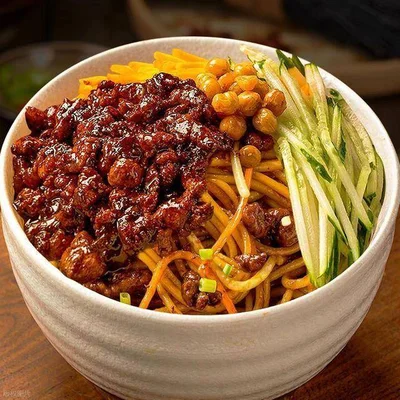
A close guide to Beijing zhajiang sauce, explaining yellow soybean paste, sweet bean sauce, pork fat, slow frying, Liubiju-style sauce culture, and how the final flavor should bal…
The soul of Beijing Zhajiang Noodles is the sauce. It should be savory, fermented, aromatic, and glossy. If the sauce is flat, raw, or burnt, no amount of cucumber or bean sprouts can make the bowl taste right.
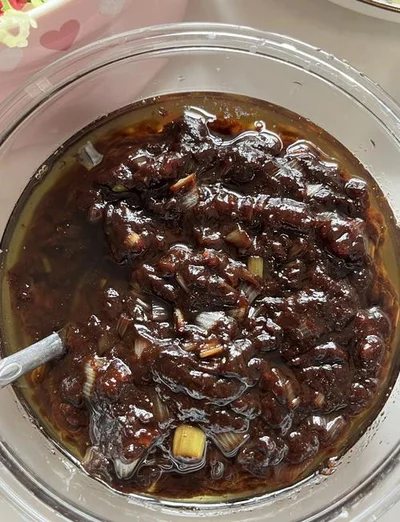
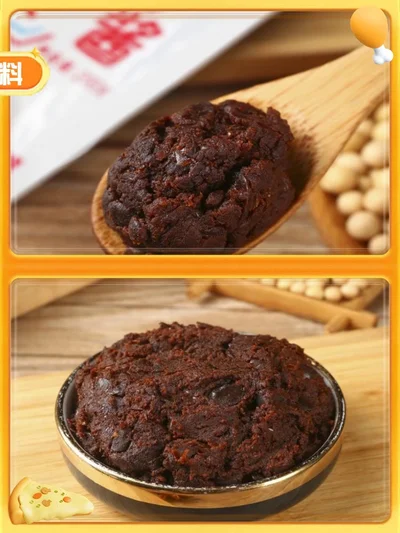
Yellow soybean paste gives Beijing zhajiang its fermented depth and saltiness. It is stronger than many bottled noodle sauces, so it should be fried and balanced rather than simply spooned onto noodles. Visit Beijing's zhajiangmian description notes yellow soybean paste as the Beijing base, while other regions may use different sauces.
Sweet bean sauce rounds out the stronger soybean paste. The word "sweet" can mislead visitors: the final Beijing sauce should not taste like dessert. It should remain savory, with a gentle sweetness in the background that softens saltiness and fermentation.
Diced pork, especially pork with some fat, helps carry aroma. As the paste fries, pork fat combines with the fermented sauce and creates a glossy texture. Lean meat alone can make the sauce feel dry. Pork is not just a topping; it is part of the sauce structure.
Raw paste can taste harsh. Slow frying removes the raw edge, concentrates flavor, and turns the sauce darker and more fragrant. The cook must stir often and control heat carefully. Burnt paste becomes bitter and cannot be repaired.
Beijing's sauce culture is older than any single noodle shop. Visit Beijing introduces Liubiju as a long-standing pickle and sauce shop, and notes that dry bean paste is closely associated with real Old Beijing zhajiangmian sauce. You do not need to buy one specific brand to understand the dish, but the reference shows why fermented sauces matter so much in Beijing food.
Good zhajiang sauce should be bold enough to season noodles, but not so salty that toppings feel like a rescue. It should cling to noodles without becoming gluey. It should smell fried and savory, with pork aroma and fermented depth.
If the sauce tastes too strong, add more noodles and fresh toppings. If it tastes dull, it may not have been fried long enough. If it tastes sweet first, the paste balance may lean too far toward sweet bean sauce. The Beijing style should remain savory, direct, and fermented.
To see how the sauce fits into a full bowl, read Zhajiang Noodles in Beijing. For fresh vegetables, continue with Zhajiang Noodle toppings.
This guide is original editorial content. The links below were used for factual cross-checking, official dish context, ingredient notes, and dining terminology; they are not copied source text.
Comments (0)