How Beijing Families Make Zhajiang Noodles at Home
A home-style guide to Beijing Zhajiang Noodles, covering slow-fried soybean paste sauce, pork, noodle texture, fresh toppings, table mixing, make-ahead sauce, and family variation…
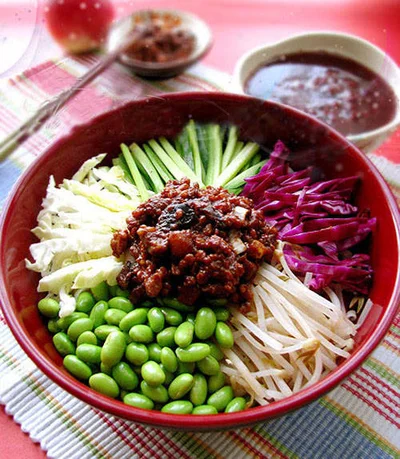
A comparison of Beijing Zhajiang Noodles with Tianjin, other northern versions, and Korean jajangmyeon, explaining sauce base, sweetness, toppings, noodle texture, and cultural co…
Zhajiang-style noodles appear in several places, but Beijing's version has its own personality: fermented, savory, wheat-based, and balanced by fresh toppings. Comparing versions helps travelers understand what makes the Beijing bowl distinctive.
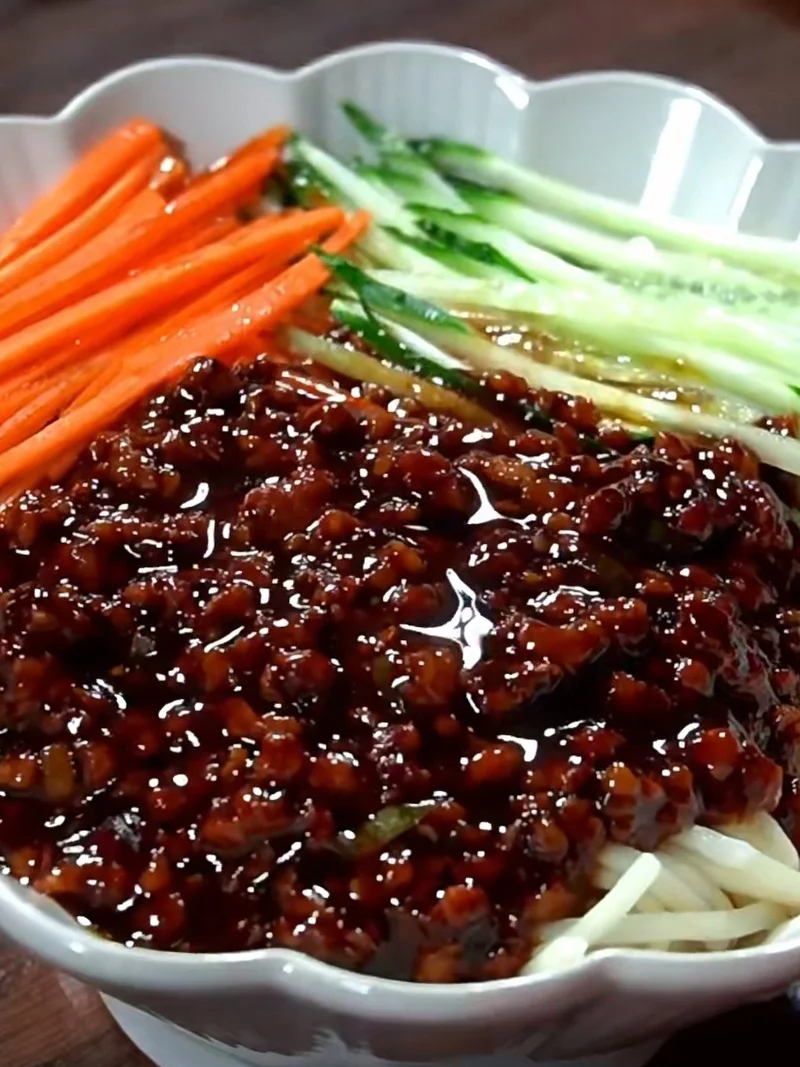
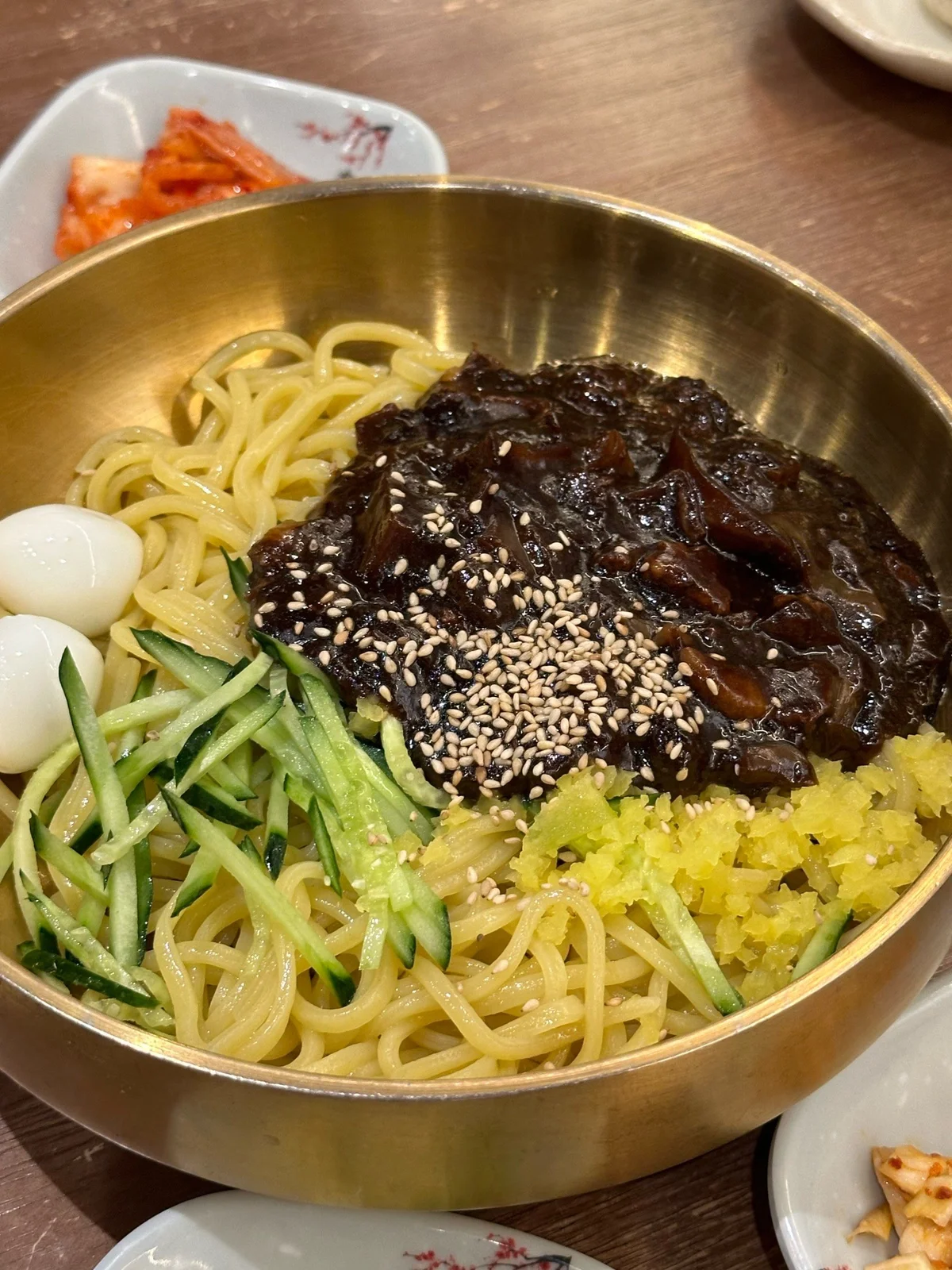
Beijing zhajiang usually centers on yellow soybean paste, sometimes balanced with sweet bean sauce, and fried with pork. The flavor is savory, salty, fermented, and direct. Fresh toppings are central, and the noodles are typically chewy wheat noodles that can handle thorough mixing.
The vegetables are not a minor side. They are how Beijing zhajiangmian keeps its balance. Without cucumber, radish, bean sprouts, or other toppings, the sauce can feel too strong.
Nearby northern versions may use different paste ratios or lean sweeter and saucier. Visit Beijing's general zhajiangmian note points out that different regions may use sweet noodle sauce, hoisin sauce, or other bean sauces in place of Beijing's yellow soybean paste base. Small paste choices create large flavor differences.
Korean jajangmyeon developed into its own dish with chunjang, onions, and a darker, smoother sauce. It is related in broad idea but should not be judged as the same food. Beijing zhajiangmian is usually more topping-driven, more fermented in flavor, and less sauce-forward than many Korean restaurant bowls.
If you expect a sweet black bean noodle, Beijing zhajiang may surprise you. It is earthier, saltier, and more direct. The freshness comes from the vegetables, not from a light sauce.
The comparison is not about declaring one version better. It prevents category confusion. Beijing zhajiangmian belongs to Beijing's wheat-and-sauce food culture, where fermented paste, seasonal toppings, and home-style mixing are central.
For the Beijing version in detail, read Zhajiang Noodles in Beijing. For sauce ingredients, see Beijing soybean paste and zhajiang sauce.
This guide is original editorial content. The links below were used for factual cross-checking, official dish context, ingredient notes, and dining terminology; they are not copied source text.
Comments (0)