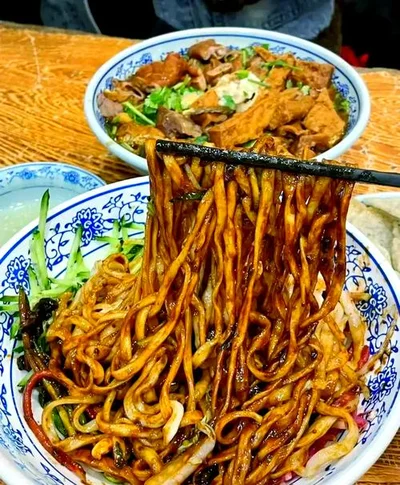
Zhajiang Noodles in Beijing: Sauce, Toppings, and How to Eat Them
A complete guide to Beijing Zhajiang Noodles, explaining fried soybean paste sauce, chewy wheat noo…
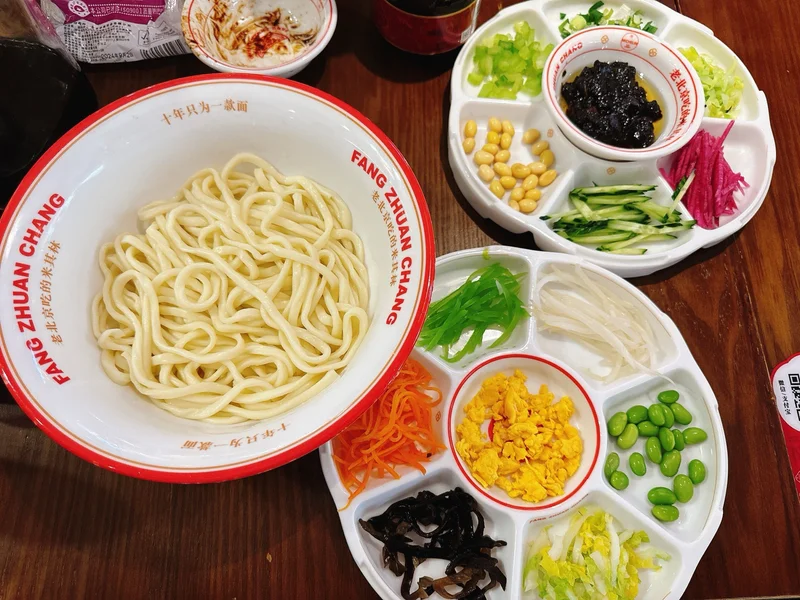
A Beijing noodle hub focused on wheat noodles, Zhajiang Mian, fried soybean paste sauce, fresh toppings, home-style preparation, seasonal eating, and everyday noodle culture.
Beijing noodle culture is built around wheat, fermented sauces, seasonal vegetables, and practical home cooking. This topic collects guides that explain how Beijing-style noodles are eaten, what makes the sauce distinctive, and why toppings and texture matter.
The main focus is Zhajiang Noodles, the city's best-known noodle dish. Read these guides together to understand the fried soybean paste sauce, fresh vegetable toppings, home-style variations, and the role noodles play in everyday Beijing meals.
Good Beijing noodles are not only about the noodle itself. The full bowl depends on sauce, texture, temperature, and the freshness of the toppings. This is why a simple-looking dish can carry so much local identity.
Use this topic as a practical path: start with the main zhajiangmian guide, then move to sauce, toppings, home preparation, regional comparison, and food-culture context.
In Beijing noodle dishes, texture is often created by contrast rather than by a complicated broth. Firm wheat noodles, a cooked sauce, and cool vegetables each have a job. A bowl can look plain at first, but the diner mixes those elements at the table to create the final balance.
This hub focuses on zhajiangmian because it is the clearest entry point, while the individual guides distinguish sauce ingredients, topping choices, and regional comparisons. It is more useful to learn the structure of the bowl than to assume every restaurant will serve an identical version.
A complete guide to Beijing Zhajiang Noodles, explaining fried soybean paste sauce, chewy wheat noo…
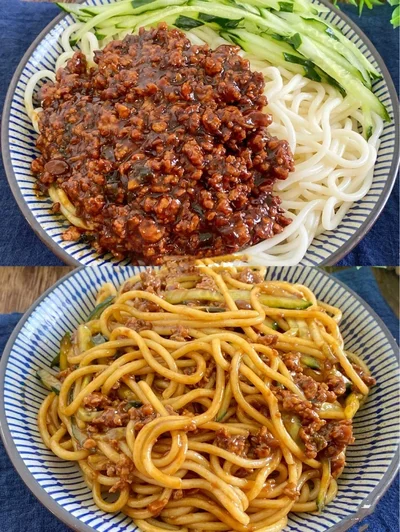
A practical guide to mixing Beijing zhajiang noodles, covering sauce amount, vegetable toppings, no…
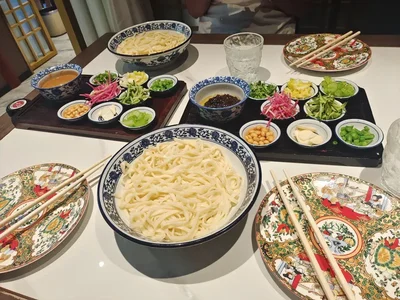
An explanation of Zhajiang Noodles in Beijing daily life, from family-style mixing and northern whe…
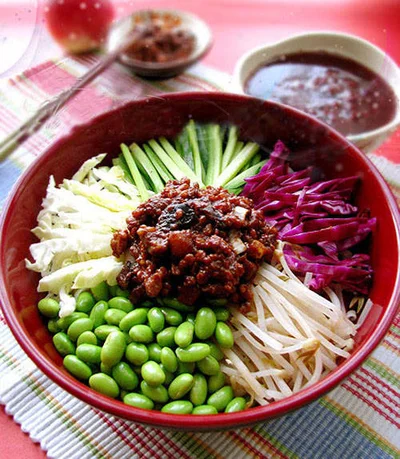
A comparison of Beijing Zhajiang Noodles with Tianjin, other northern versions, and Korean jajangmy…
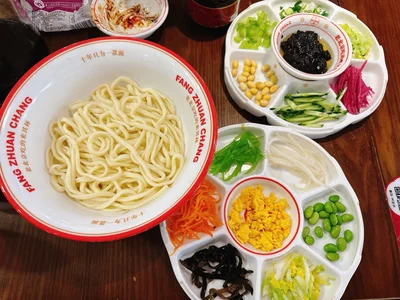
A guide to Beijing Zhajiang Noodle toppings, explaining cucumber, radish, bean sprouts, soybeans, c…
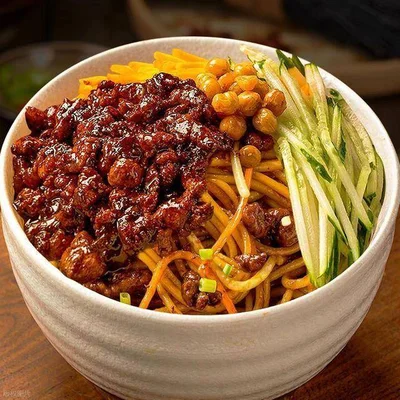
A close guide to Beijing zhajiang sauce, explaining yellow soybean paste, sweet bean sauce, pork fa…
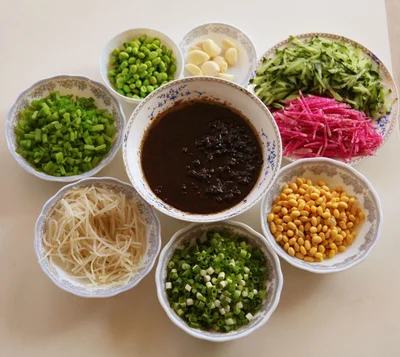
A home-style guide to Beijing Zhajiang Noodles, covering slow-fried soybean paste sauce, pork, nood…