How Beijing Families Make Zhajiang Noodles at Home
A home-style guide to Beijing Zhajiang Noodles, covering slow-fried soybean paste sauce, pork, noodle texture, fresh toppings, table mixing, make-ahead sauce, and family variation…
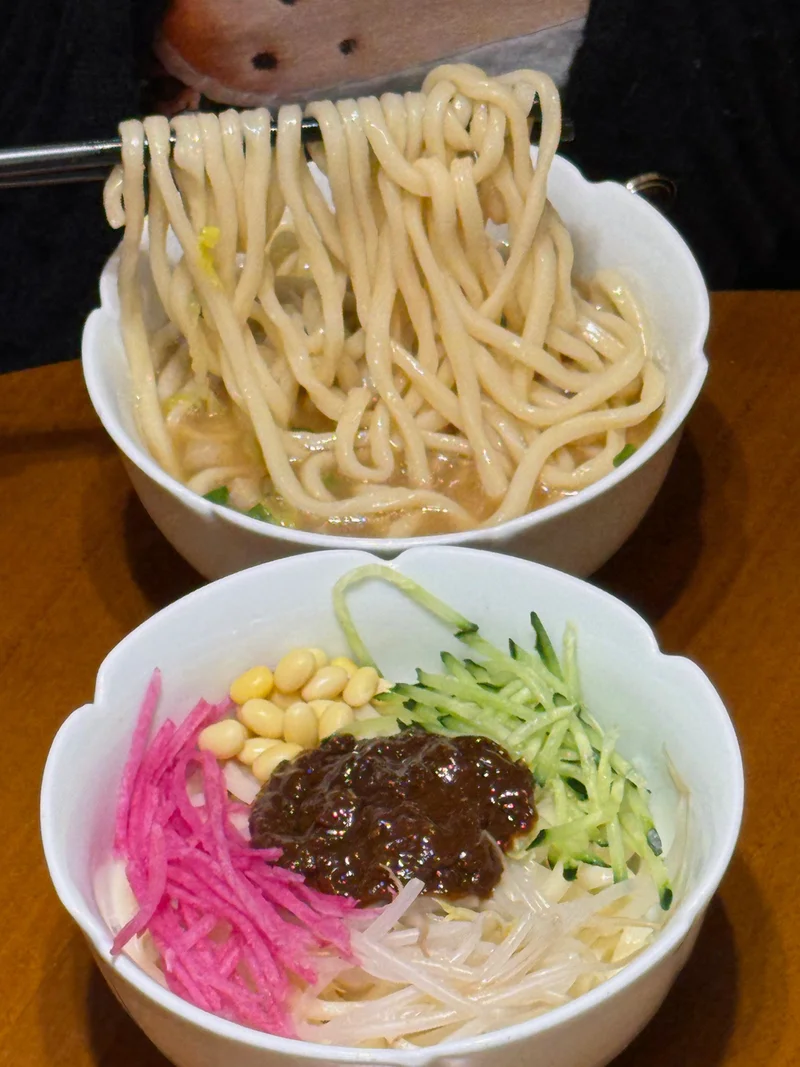
A practical guide to mixing Beijing zhajiang noodles, covering sauce amount, vegetable toppings, noodle texture, summer and winter styles, and how to order without making the bowl…
Zhajiang noodles can look like a simple bowl of wheat noodles with dark soybean paste on top, but the way you mix the bowl changes almost everything. Too much sauce at once can make the noodles salty and heavy. Too little mixing leaves the vegetables separate from the paste, so each bite tastes uneven. In Beijing, the best bowl is usually not the one with the most sauce, but the one where the sauce, noodles, and fresh toppings are balanced.
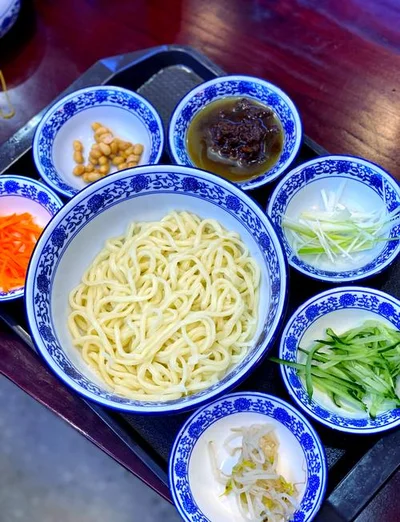
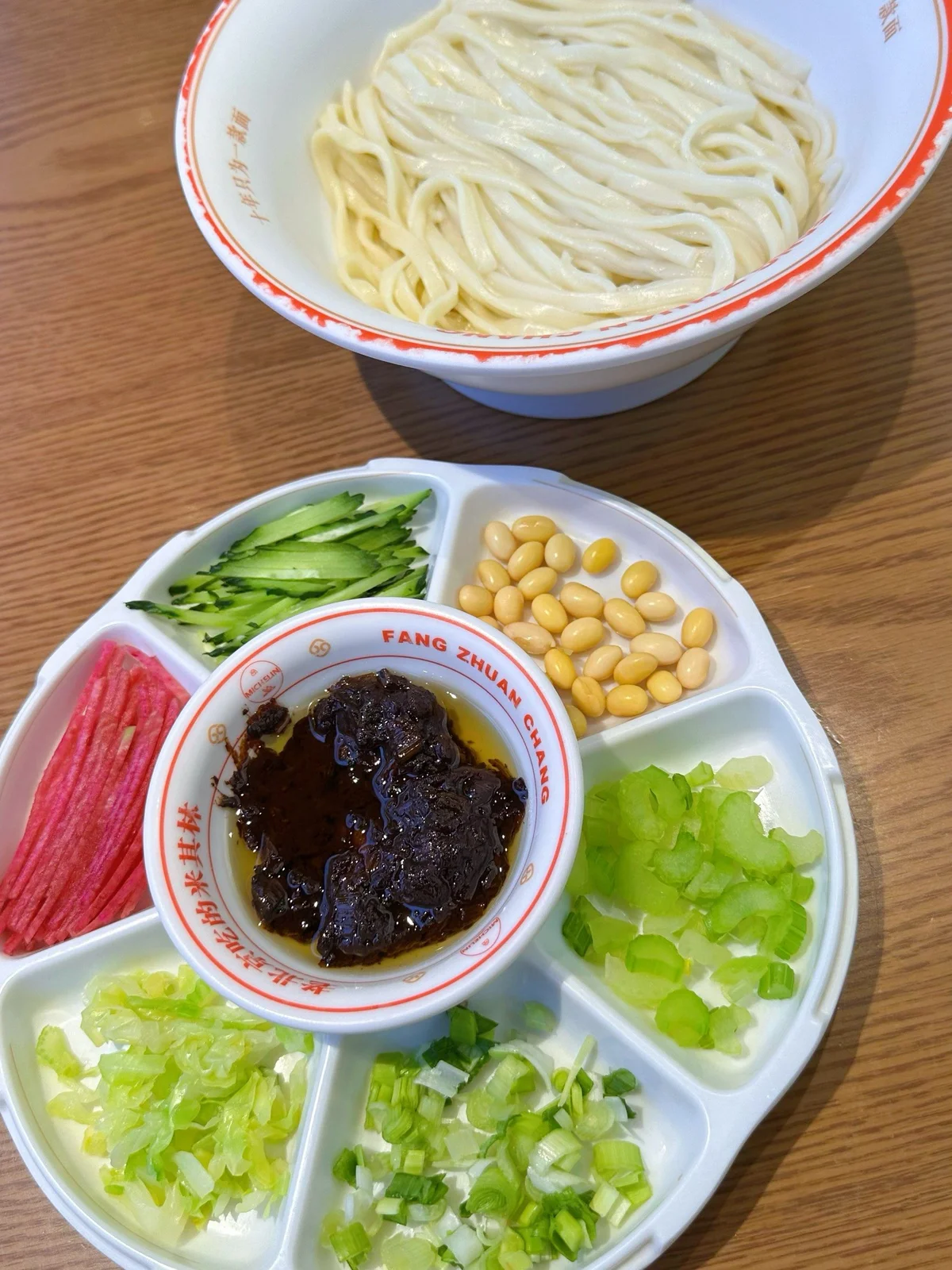
This guide focuses on the practical eating step: how to mix zhajiang noodles after the bowl arrives. For the basic dish introduction, start with Zhajiang Noodles in Beijing. For a deeper explanation of the paste itself, read Beijing Zhajiang Sauce Explained. Here, the goal is simpler: make the bowl taste right before the noodles cool down.
The first thing to check is how the sauce is served. Some restaurants put the fried soybean paste directly on top of the noodles. Others bring a small bowl of sauce separately, especially in more traditional or larger-format servings. If the sauce is separate, do not pour all of it in immediately. Beijing zhajiang sauce is concentrated by design. It is usually salty, savory, and oily enough to coat the noodles in a small amount.
A good first move is to add about half the sauce, mix, and then taste. If the noodles still feel plain, add more. This is especially useful for visitors because sauce strength varies by shop. Some versions are darker and saltier, while others are softer, sweeter, or more pork-forward. The point is not to dilute the dish, but to avoid turning the whole bowl into a paste-heavy meal before you understand the flavor.
The toppings are not decoration. Cucumber, radish, bean sprouts, soybeans, cabbage, scallions, or seasonal greens all help the bowl stay fresh. They cut through the thick sauce and add crunch, water, and temperature contrast. Without toppings, zhajiang noodles can feel dense. With the right toppings, the same bowl becomes brighter and easier to finish.
When the toppings arrive separately, add them before the final mix. Put crisp vegetables on top of the noodles, spoon sauce over the center, then turn everything from the bottom upward. This helps the vegetables catch some sauce without disappearing completely. For a focused look at this part of the dish, see the guide to Zhajiang Noodle toppings.
A common mistake is stirring only the surface. The top looks sauced, but the noodles underneath stay pale and dry. Use chopsticks to lift from the bottom and fold the noodles through the sauce. If the bowl is deep, rotate it slightly as you mix. The goal is a light coating across the noodles, not a heavy clump of sauce in one corner.
If the noodles are long and sticky, lift a small bundle, drop it back into the bowl, and repeat. This separates the strands while bringing vegetables and sauce into the middle. Do not worry about making the bowl look neat. Zhajiang noodles are meant to be mixed thoroughly before eating.
In Beijing, noodle temperature can change with season and shop style. Hot noodles keep the wheat aroma stronger and help the sauce loosen slightly. Rinsed or cooled noodles feel smoother and cleaner, especially in warm weather. Visit Beijing's food notes describe zhajiang noodles as a dish built from noodles, vegetable ingredients, and soybean paste, and some Chinese-language Beijing tourism guides also discuss summer-style noodles that are rinsed after boiling.
For first-timers, hot noodles are often easier to understand in winter or at a traditional restaurant. In summer, cooled noodles can make sense because the sauce and vegetables feel less heavy. Neither version is automatically better. What matters is whether the sauce coats the noodles without turning the bowl dry.
Beijing zhajiang noodles should taste savory and bean-rich, but not painfully salty. If your first bite is too strong, mix in more noodles and vegetables before adding any more sauce. If the restaurant gives you garlic, vinegar, or chili, use them carefully. Garlic can sharpen the sauce, vinegar can brighten it, and chili can add heat, but too much will hide the soybean paste flavor.
This is one reason zhajiang noodles are different from saucier regional noodle dishes. The Beijing version is often about a concentrated paste balanced by wheat noodles and fresh toppings. If you are comparing styles, the article on Beijing Zhajiang Noodles vs other regional versions explains why sauce base, sweetness, and topping habits vary.
Zhajiang noodles can be a full meal by themselves, but a small cold dish works well if you want more contrast. Cucumber, cold vegetables, or a simple Beijing snack can balance the dense sauce. Avoid ordering too many heavy wheat dishes at the same time unless you are sharing. The bowl is more filling than it looks.
If you are planning a broader Beijing food day, zhajiang noodles pair well with lighter dishes before or after. They also sit naturally beside other must-eat dishes such as Peking Duck or copper-pot hotpot in a multi-day itinerary, but they do not need a formal restaurant setting to be worthwhile. A modest noodle shop can be enough.
First, check whether the sauce is already on the noodles or served separately. Second, add vegetables before the final mix. Third, fold from the bottom until the noodles are lightly coated. Fourth, taste before adding the remaining sauce. Fifth, keep the bowl moving while you eat, because sauce can settle at the bottom.
The best bowl should give you several things at once: chewy noodles, savory fried soybean paste, crunchy toppings, and enough freshness to keep each bite from feeling heavy. Once you understand that balance, zhajiang noodles become more than a famous Beijing food name. They become a practical, everyday dish you can order with confidence.
Comments (0)