How Beijing Families Make Zhajiang Noodles at Home
A home-style guide to Beijing Zhajiang Noodles, covering slow-fried soybean paste sauce, pork, noodle texture, fresh toppings, table mixing, make-ahead sauce, and family variation…
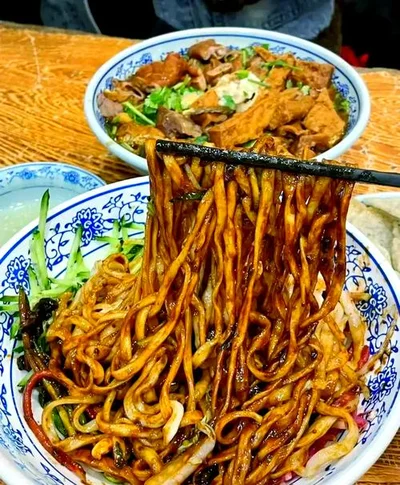
A complete guide to Beijing Zhajiang Noodles, explaining fried soybean paste sauce, chewy wheat noodles, fresh toppings, mixing method, seasonal variations, and local eating conte…
Zhajiang Noodles are one of Beijing's most important everyday foods. The dish looks simple: wheat noodles, fried soybean paste sauce, and fresh toppings. But a good bowl depends on balance. The sauce must be deep and savory, the noodles must be chewy enough to carry it, and the vegetables must keep the bowl crisp, fresh, and not too heavy.
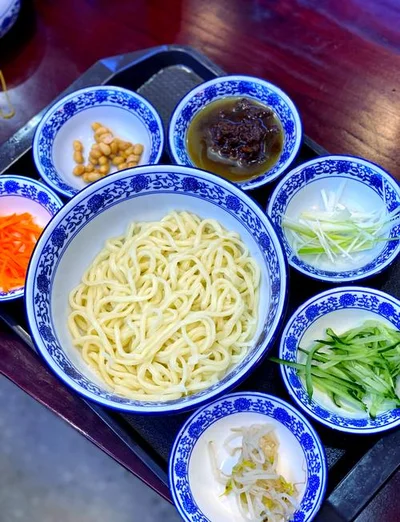
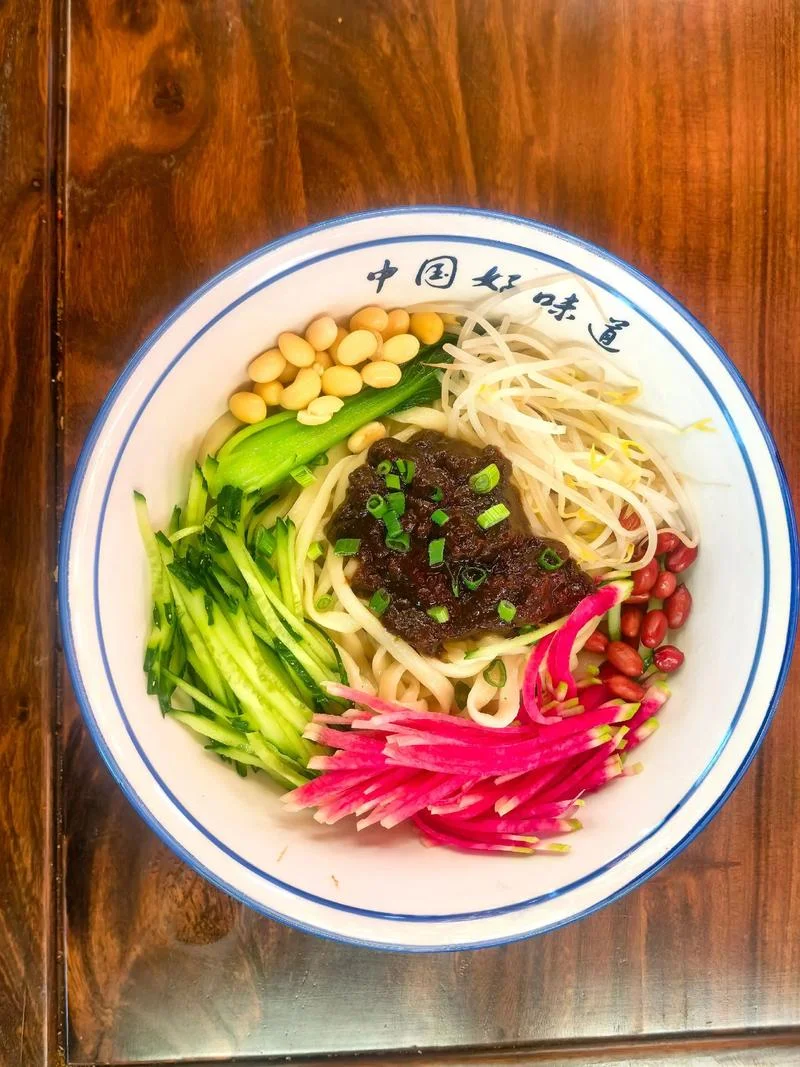
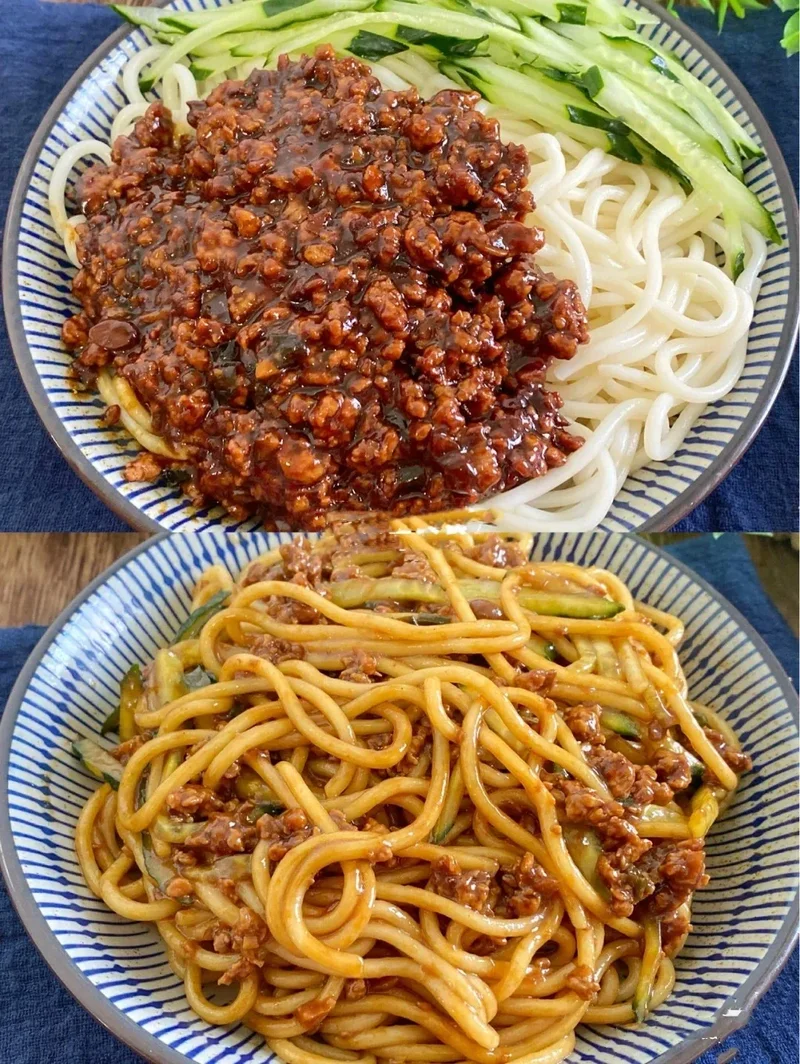
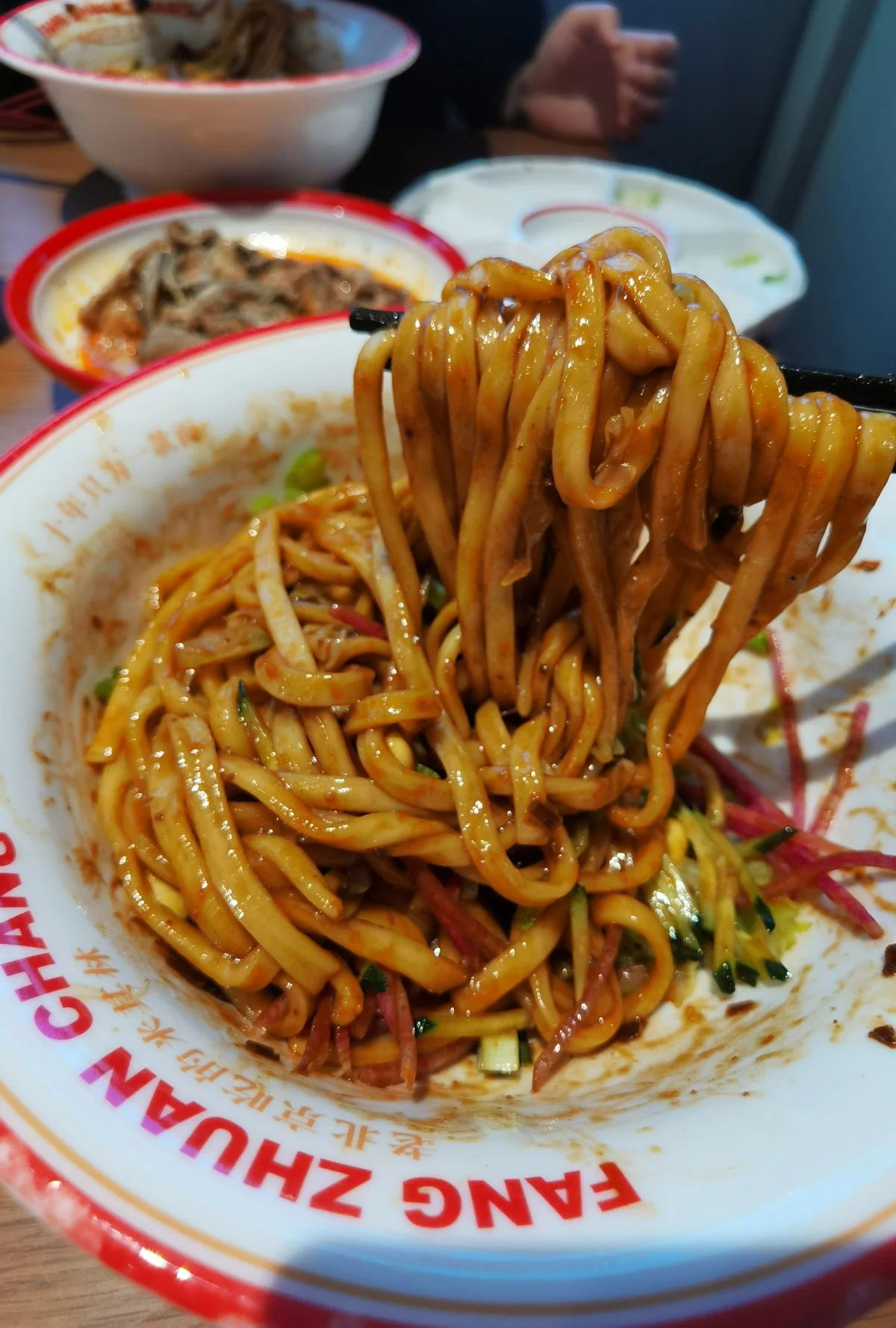
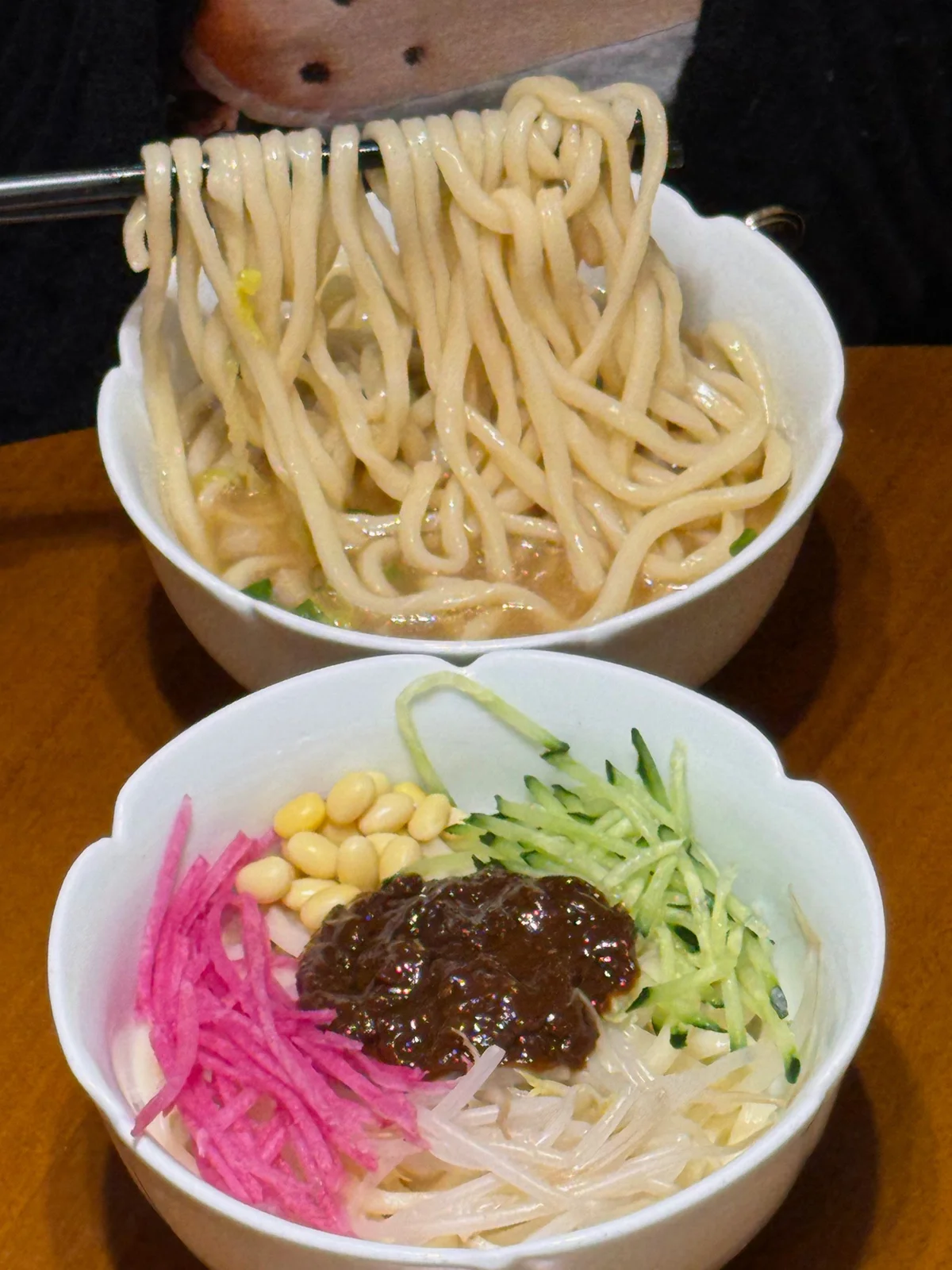
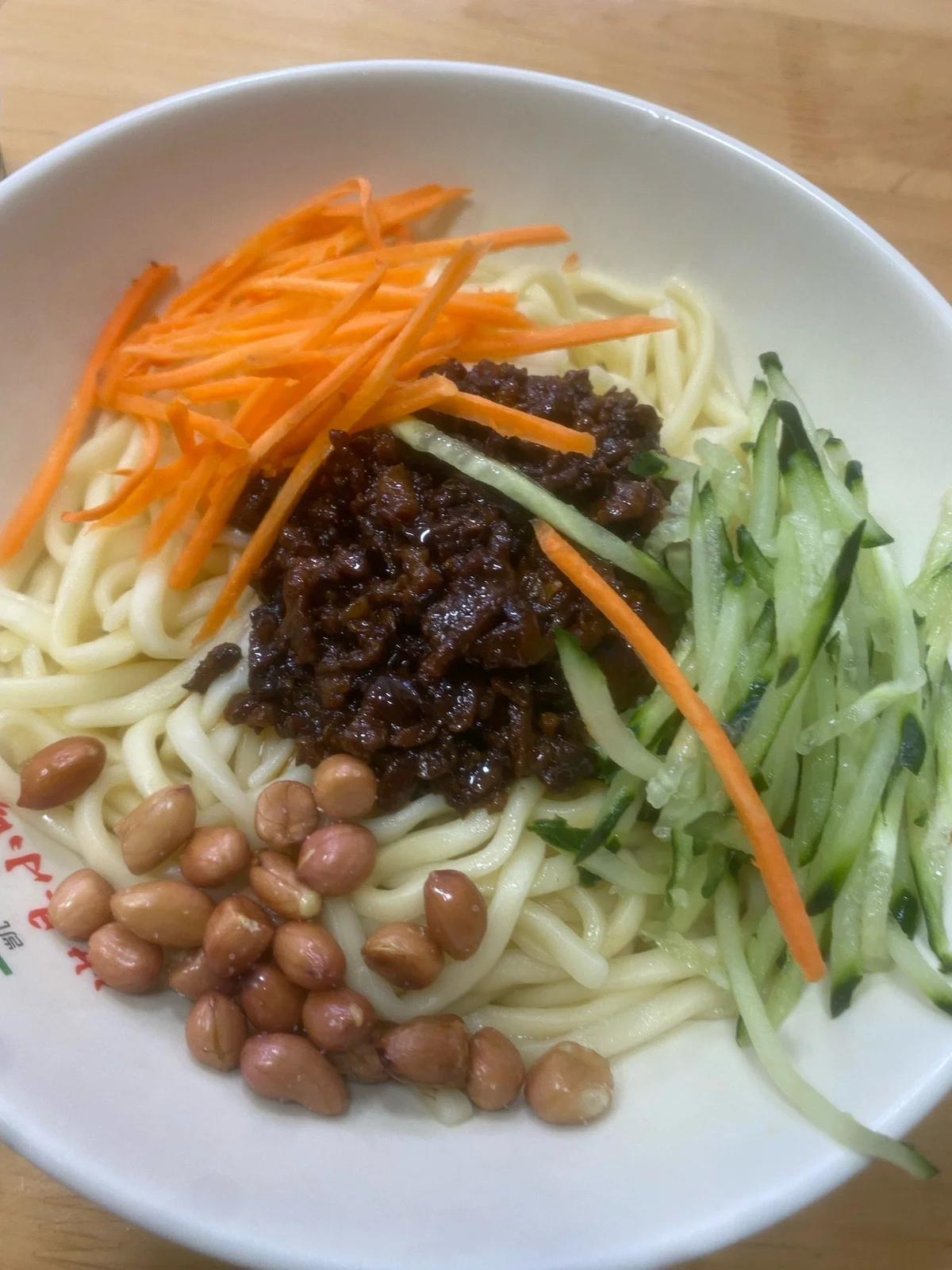
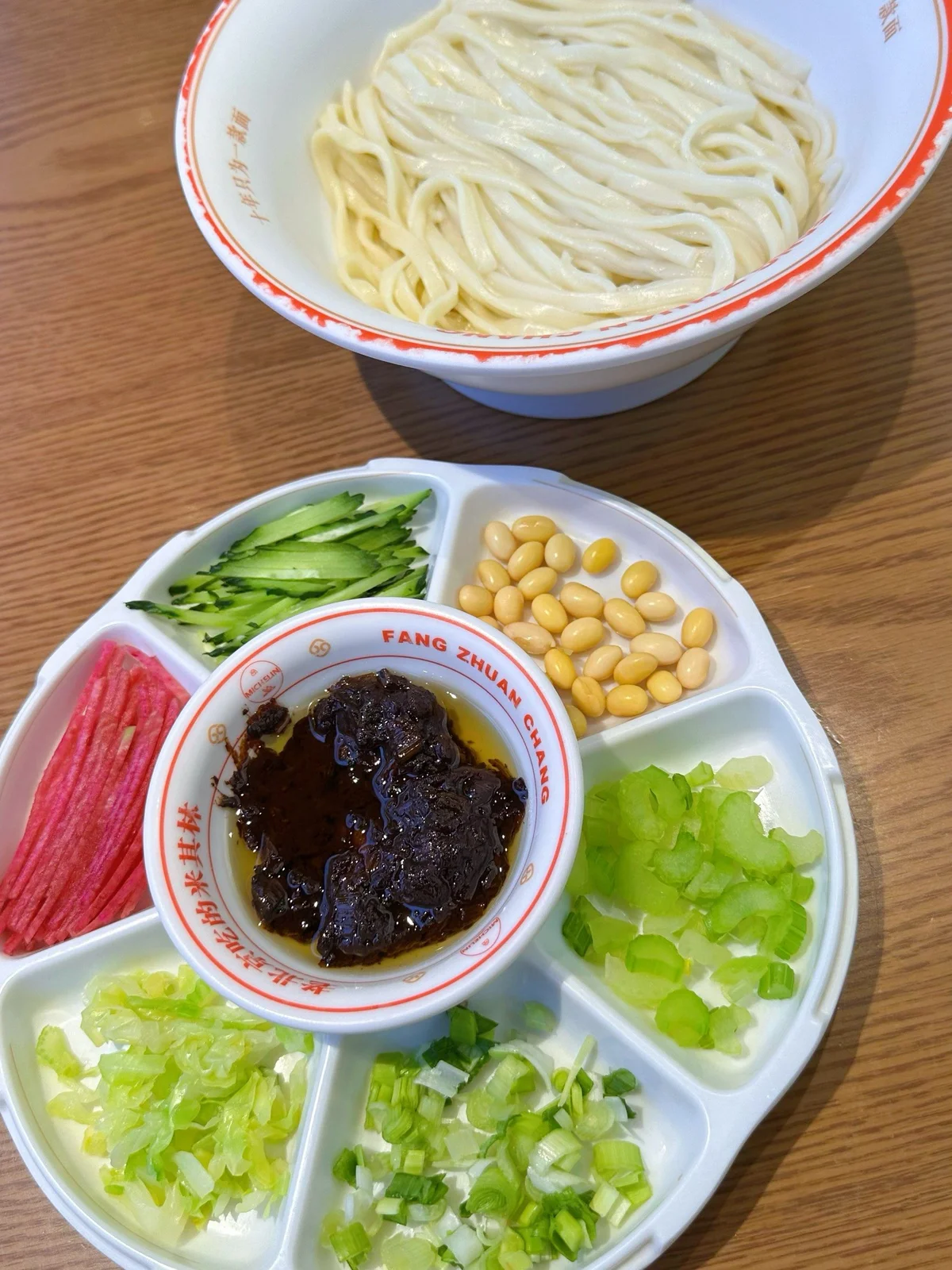
For travelers, Zhajiang Noodles are useful because they show a different side of Beijing from Peking Duck. Roast duck represents restaurant ceremony; zhajiangmian represents family tables, hutong noodle shops, and the direct flavors of northern wheat cooking.
Beijing-style zhajiang sauce is usually darker, saltier, and more fermented than many sweet noodle sauces. The classic base is yellow soybean paste, often adjusted with sweet bean sauce and fried with diced pork or pork belly. The sauce should become glossy and aromatic through frying, not simply spooned raw over noodles.
The noodles are also important. Thick or hand-cut wheat noodles work best because they stay springy after mixing. Very soft noodles turn muddy; very thin noodles can taste over-salted once the paste coats them.
Fresh toppings are not decoration. They are how the dish stays enjoyable after several bites. Cucumber cools the sauce, radish adds sharpness, bean sprouts add water and crunch, and soybeans or cabbage add body. Visit Beijing's official material describes the abundance of accompaniments as part of the Old Beijing experience, with vegetables changing by season.
If a bowl arrives with only noodles and sauce, it may still be filling, but it will not show the full Beijing style. A proper bowl should look colorful before mixing and taste fresher after mixing.
The sauce should not sit on top like a garnish. Beijing zhajiangmian is best when noodles, sauce, and vegetables become one bowl while still keeping contrasting textures.
In warm weather, noodles may be rinsed after cooking for a cooler, smoother texture. In colder weather, many diners prefer hot noodles lifted straight from the pot. Both approaches can be local. The choice changes the feel of the dish: cold noodles are refreshing, while hot noodles make the sauce feel richer and more aromatic.
Zhajiang Noodles are ideal for lunch or a casual dinner. They are filling, affordable, and easier to fit between sightseeing stops than a full banquet meal. For a rounded food itinerary, pair a zhajiangmian lunch with a roast duck dinner or a winter hotpot meal such as instant-boiled mutton.
For home cooking, read how Beijing families make Zhajiang Noodles. For sauce details, continue with Beijing zhajiang sauce explained. For the whole topic hub, see the Zhajiang Noodles guide.
This guide is original editorial content. The links below were used for factual cross-checking, official dish context, ingredient notes, and dining terminology; they are not copied source text.
Comments (0)