How Beijing Families Make Zhajiang Noodles at Home
A home-style guide to Beijing Zhajiang Noodles, covering slow-fried soybean paste sauce, pork, noodle texture, fresh toppings, table mixing, make-ahead sauce, and family variation…
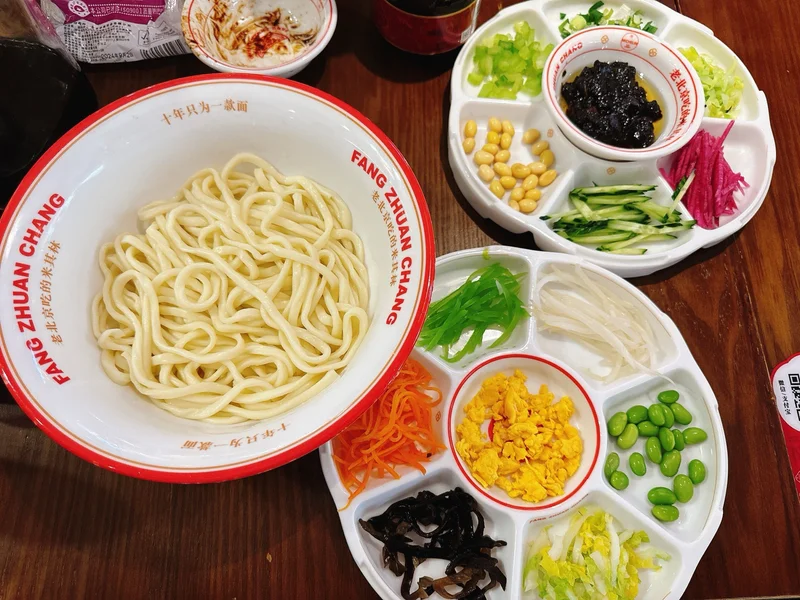
A guide to Beijing Zhajiang Noodle toppings, explaining cucumber, radish, bean sprouts, soybeans, cabbage, celery, garlic, seasonal vegetables, texture, and how toppings balance t…
Fresh toppings are what keep Zhajiang Noodles balanced. The sauce is salty, fermented, and rich; vegetables bring crunch, water, sweetness, sharpness, and seasonal freshness. Without them, the bowl becomes heavy after only a few bites.
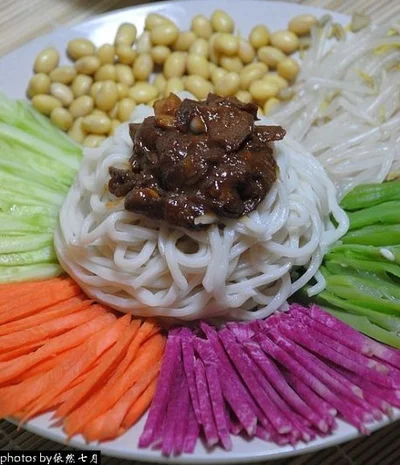
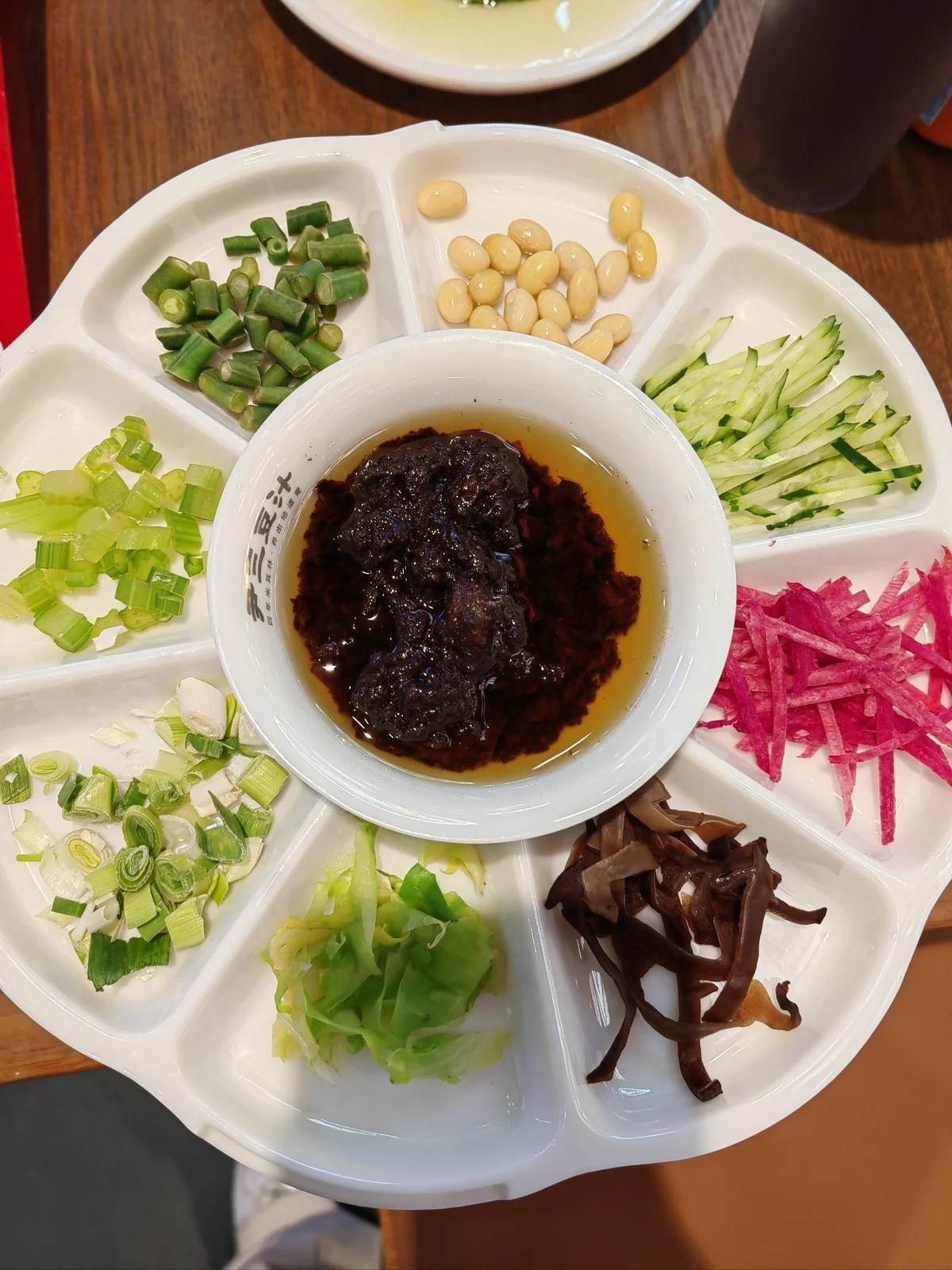
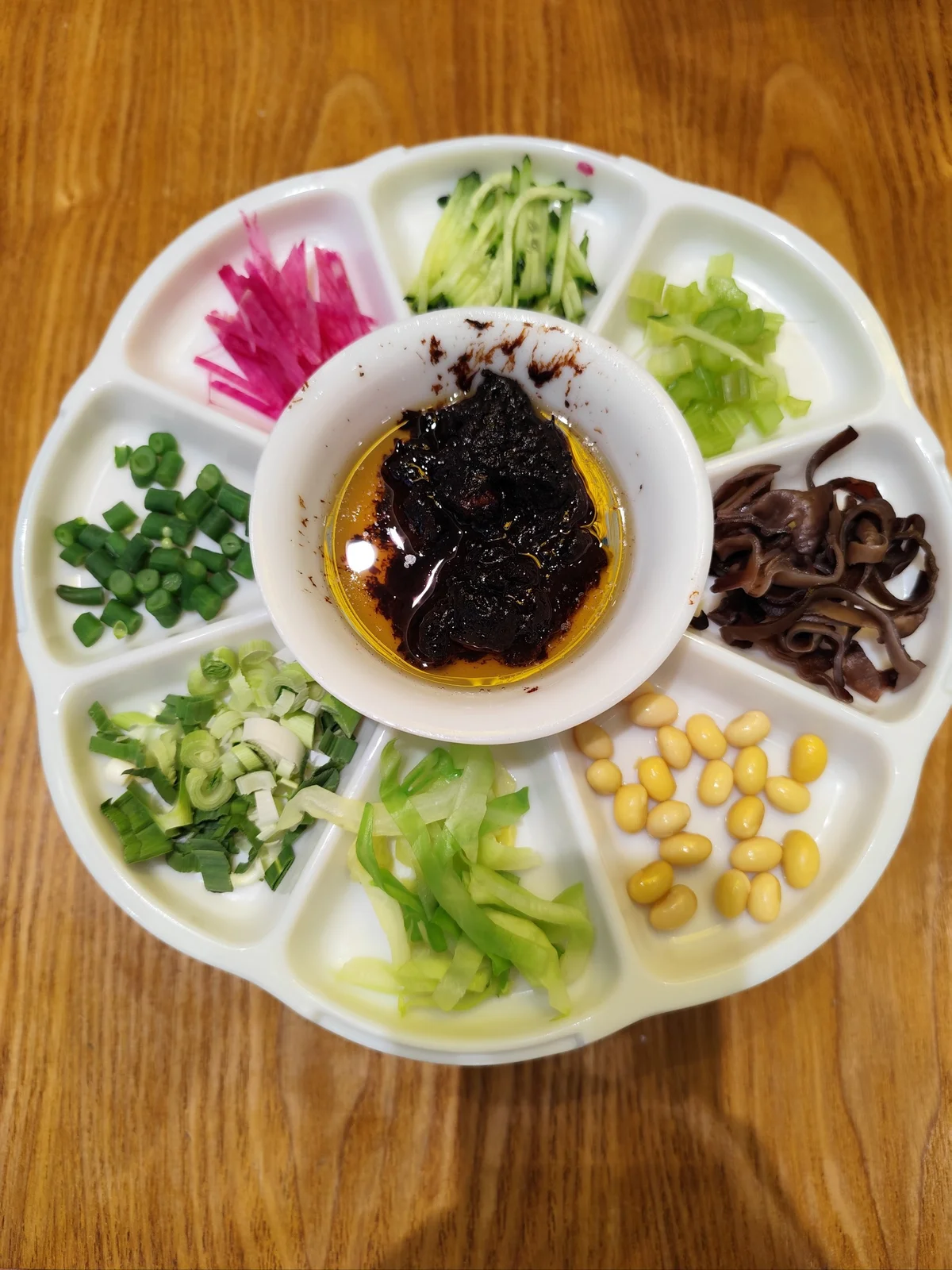
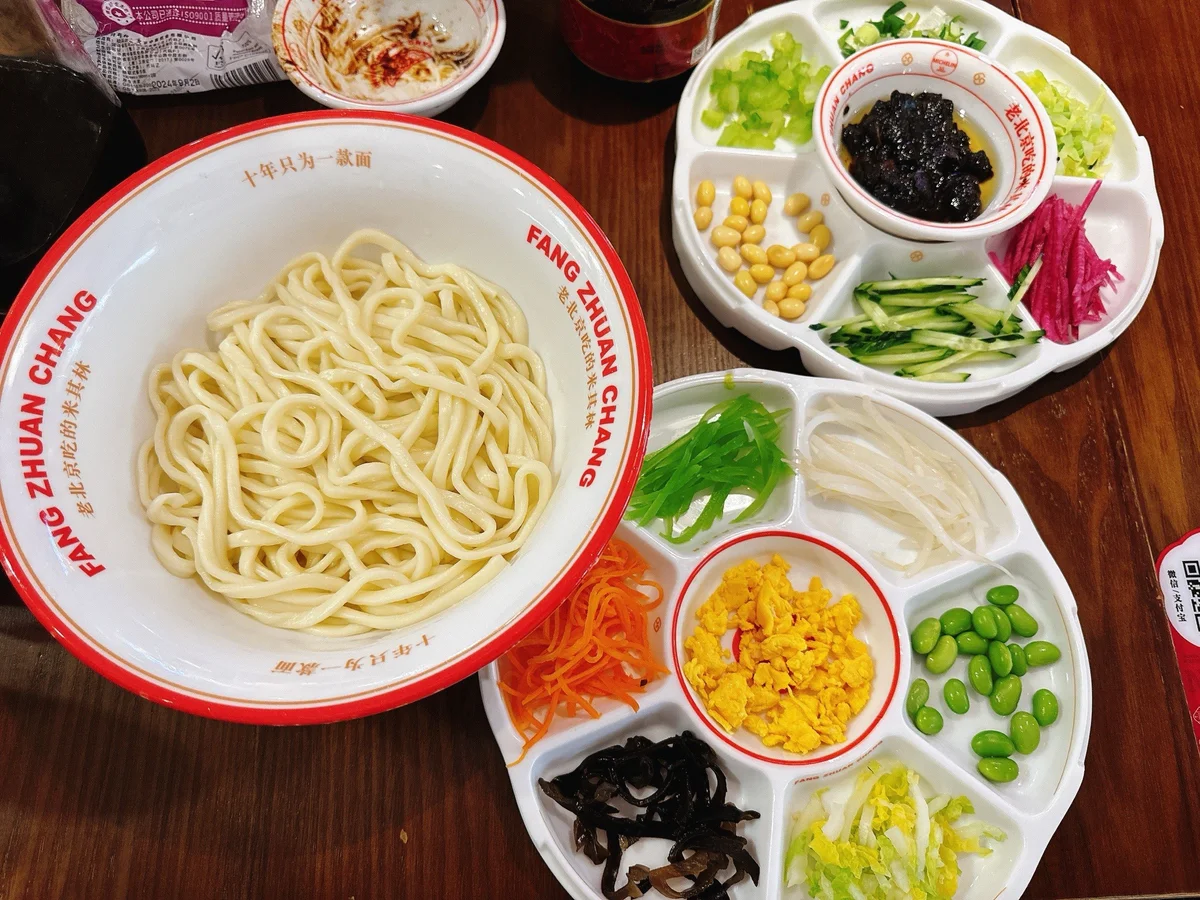
Visit Beijing's official material describes the accompaniments of Old Beijing zhajiangmian as abundant and varied. The phrase often translated around "seven plates and eight bowls" does not mean a strict number; it suggests generosity, variety, and seasonal choice.
Toppings change with the season. Spring may bring sprouts and young greens. Summer favors cucumber, garlic, and crisp vegetables. Autumn can include carrot or celery. Winter versions may rely more on radish or blanched cabbage. This flexibility is one reason the dish feels like home food rather than a fixed restaurant formula.
A good bowl should look colorful before mixing. Use enough toppings to lighten the paste but not so many that the noodles disappear. If you are new to the dish, start with extra cucumber and bean sprouts, then add stronger toppings such as garlic gradually.
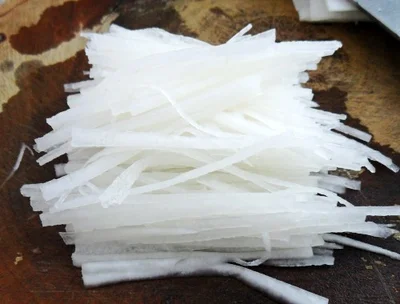
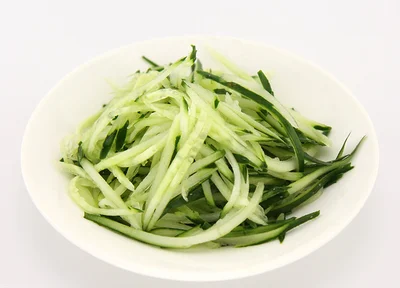
Cut toppings into thin strips so they mix evenly. Blanch bean sprouts briefly, then cool them so they keep their crunch. Cut cucumber close to serving time. Serve garlic separately because its sharpness can dominate the bowl.
Zhajiang sauce clings heavily to noodles. Crisp toppings break that heaviness and keep the bowl lively. Limp vegetables weaken the dish; freshly cut vegetables make the sauce taste cleaner.
When ordering in a restaurant, do not treat the toppings as garnish. Mix them fully into the noodles. The bowl is designed so vegetables, sauce, and noodles correct one another.
For the sauce side of the bowl, read Beijing zhajiang sauce explained. For the full dish, return to Zhajiang Noodles in Beijing.
This guide is original editorial content. The links below were used for factual cross-checking, official dish context, ingredient notes, and dining terminology; they are not copied source text.
Comments (0)