How Beijing Families Make Zhajiang Noodles at Home
A home-style guide to Beijing Zhajiang Noodles, covering slow-fried soybean paste sauce, pork, noodle texture, fresh toppings, table mixing, make-ahead sauce, and family variation…
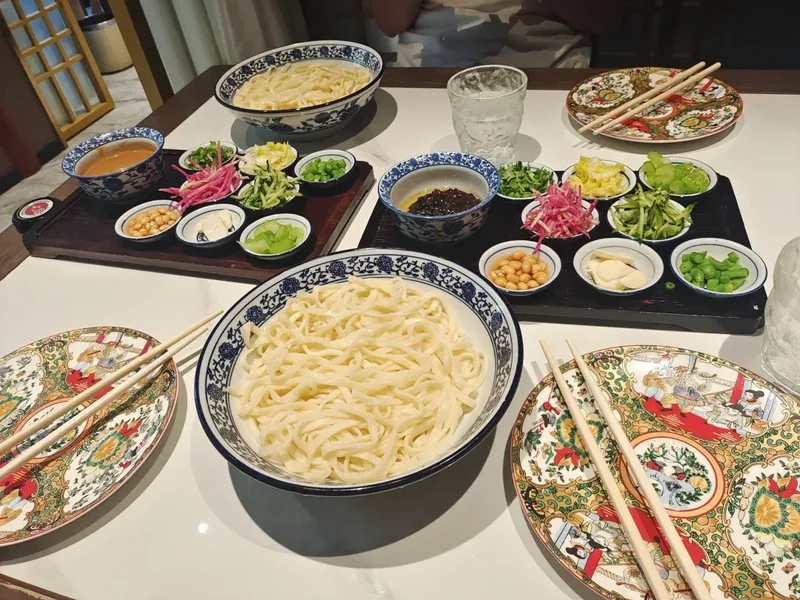
An explanation of Zhajiang Noodles in Beijing daily life, from family-style mixing and northern wheat culture to seasonal toppings, neighborhood restaurants, and everyday local id…
Zhajiang Noodles matter in Beijing because they are ordinary in the best possible way. They are not a banquet dish like Peking Duck. They are the kind of food that connects home kitchens, neighborhood restaurants, hutong memories, and quick weekday meals.
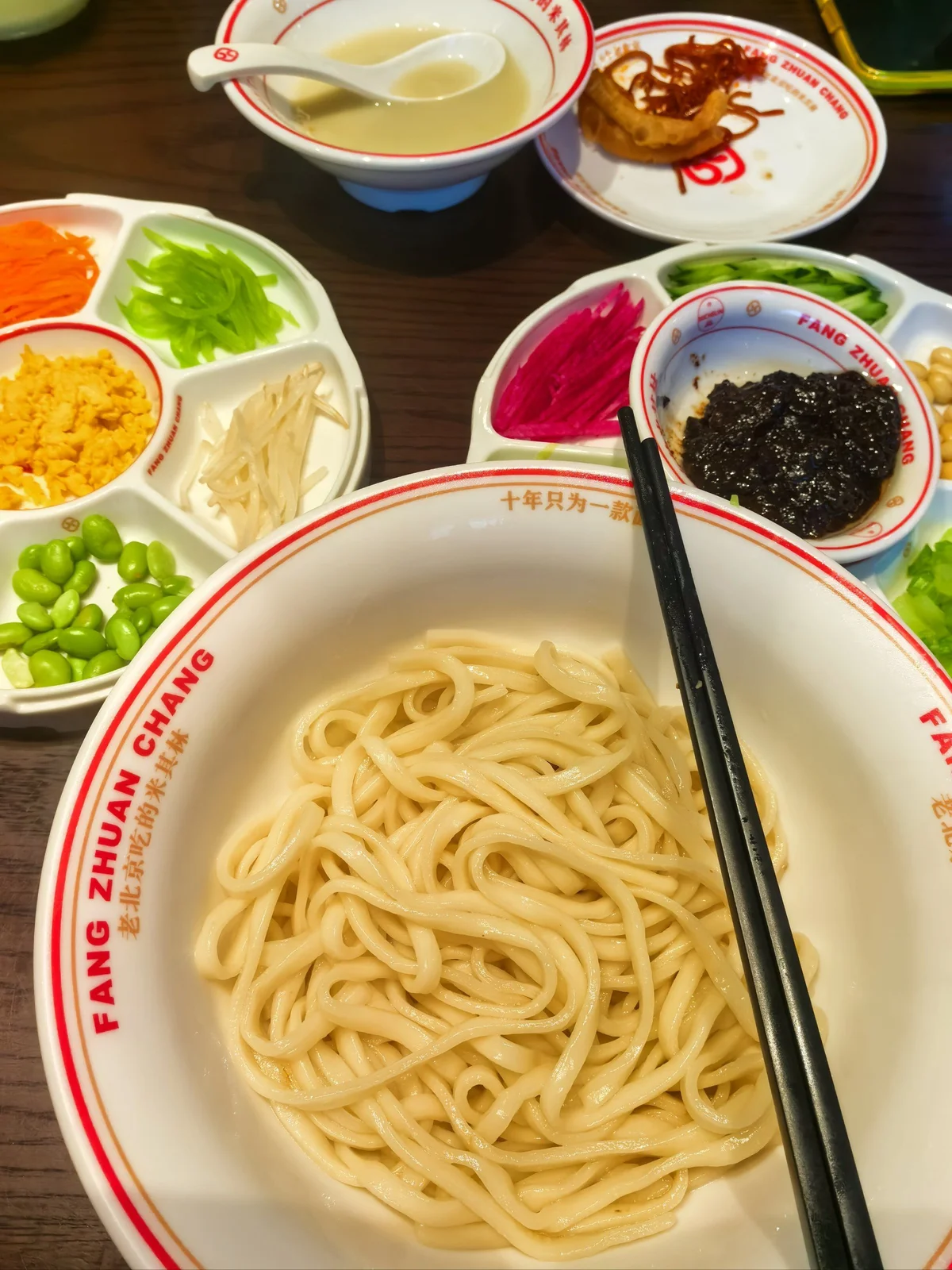
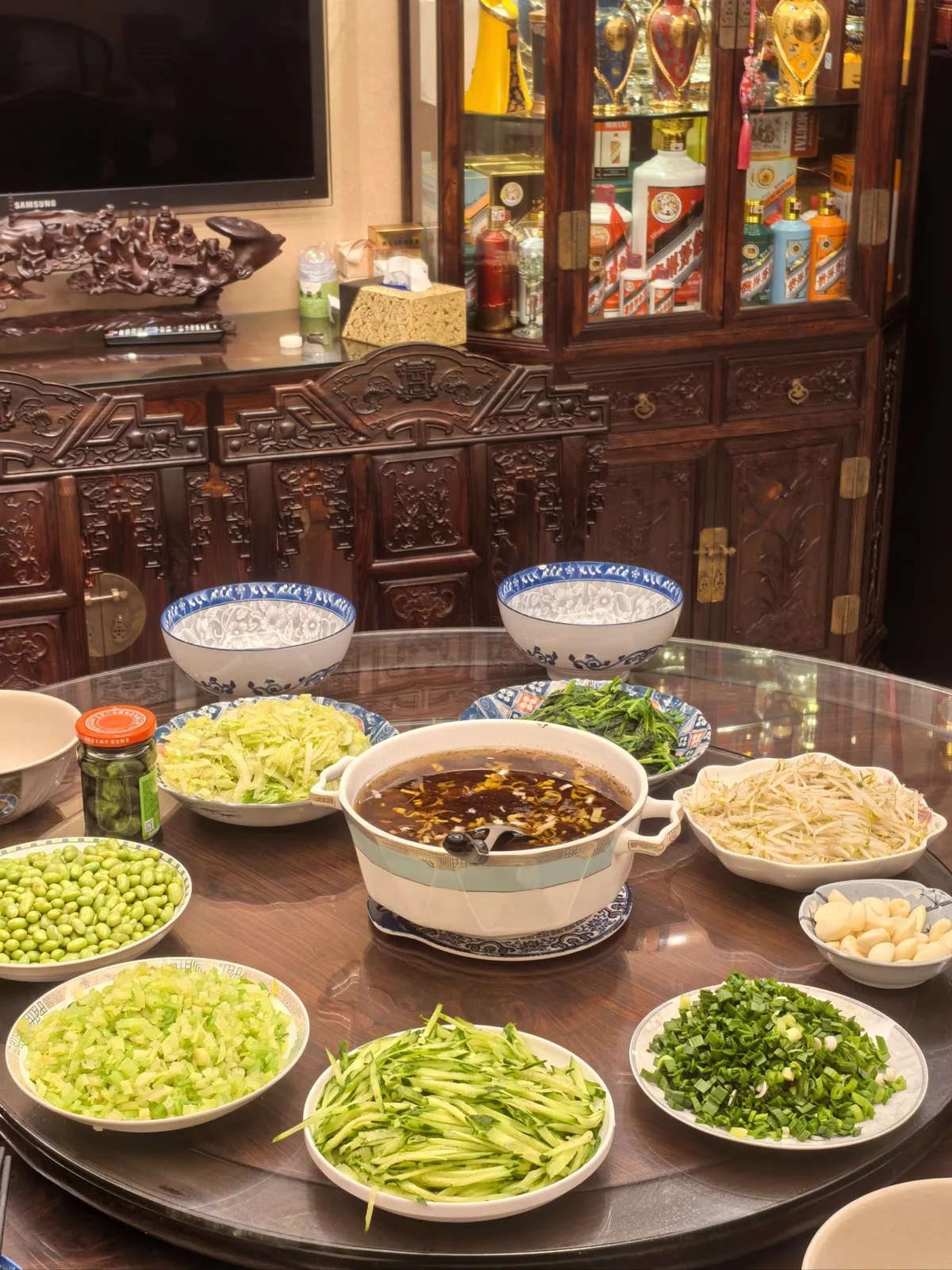
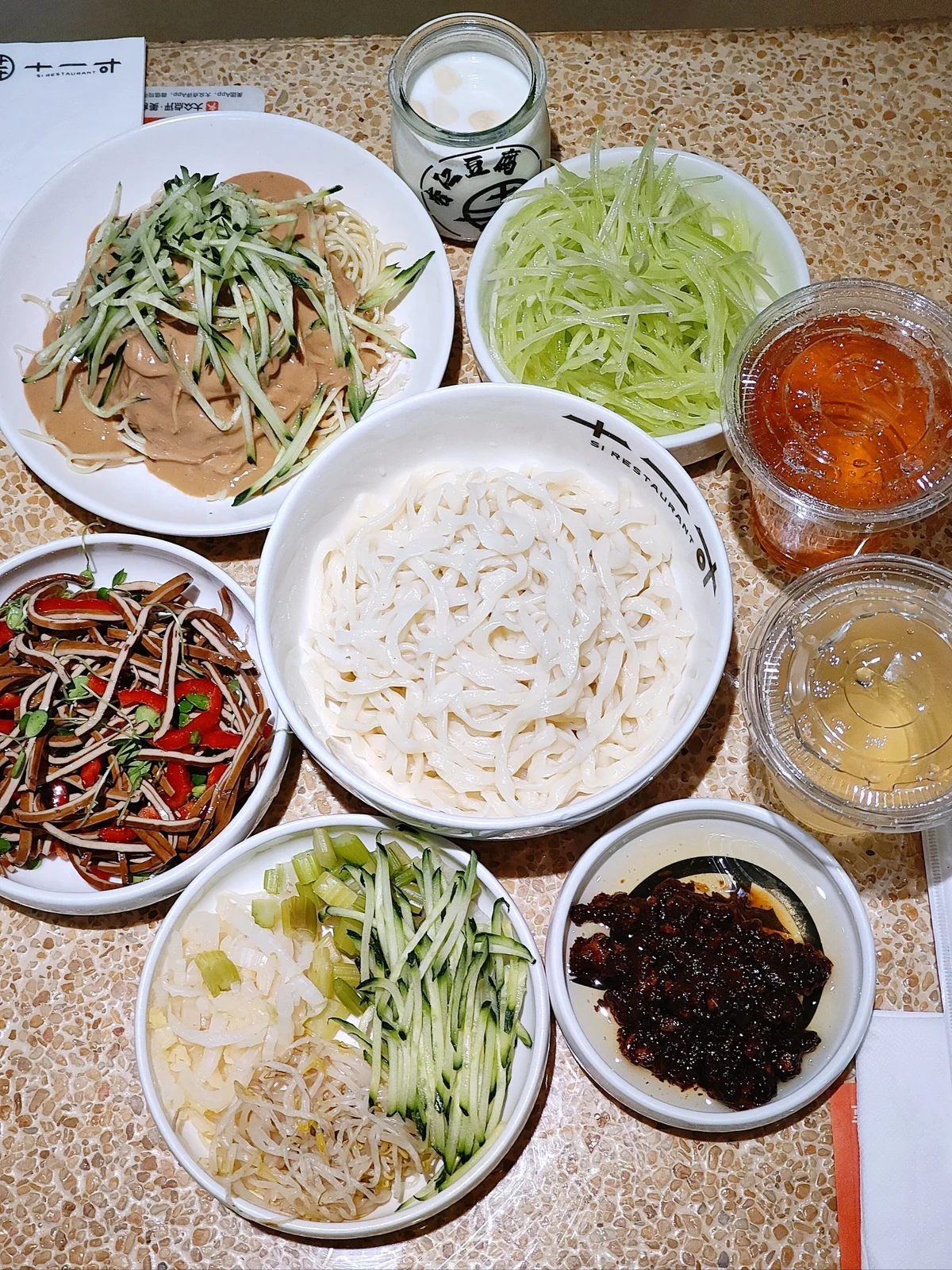
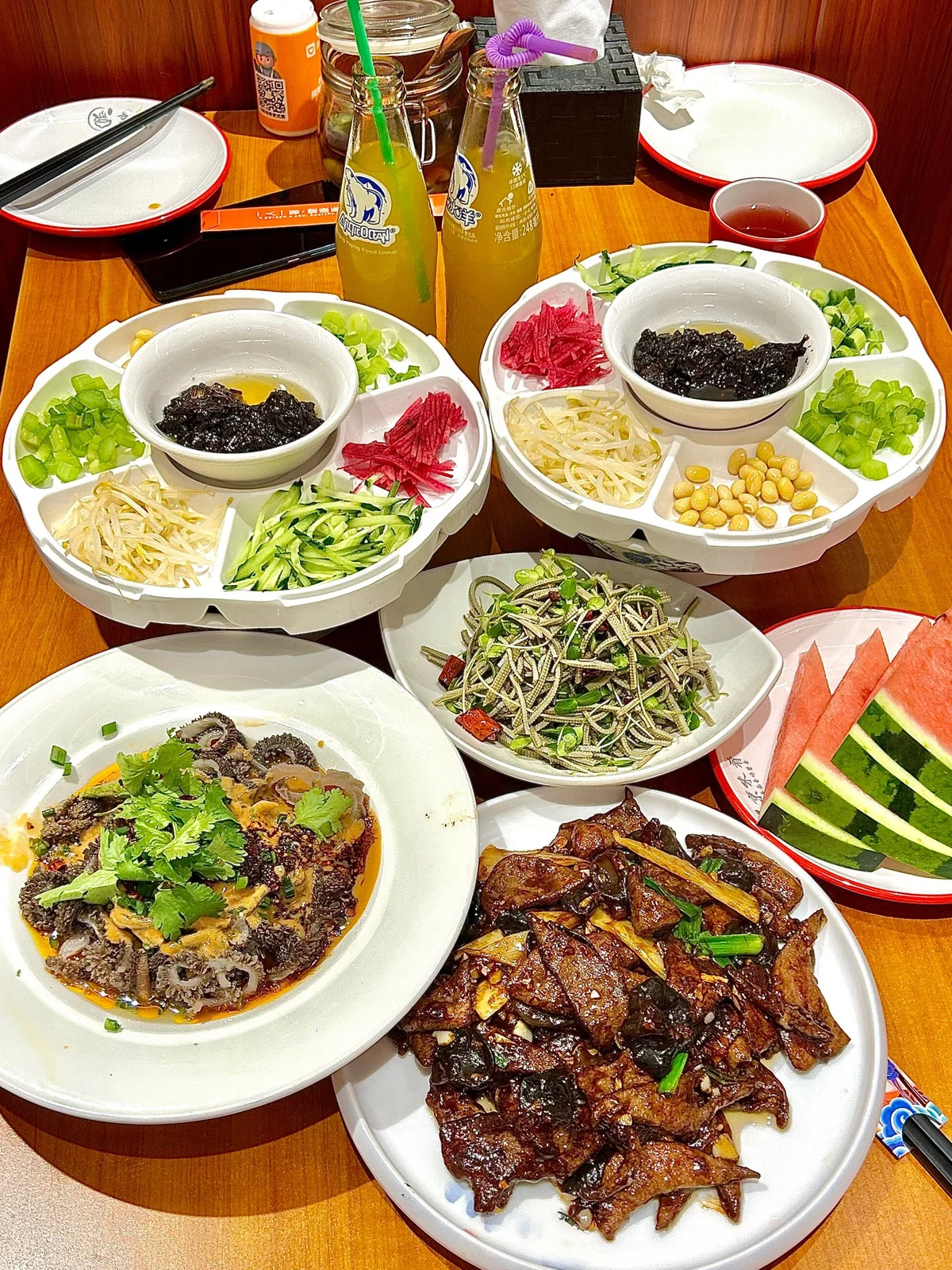
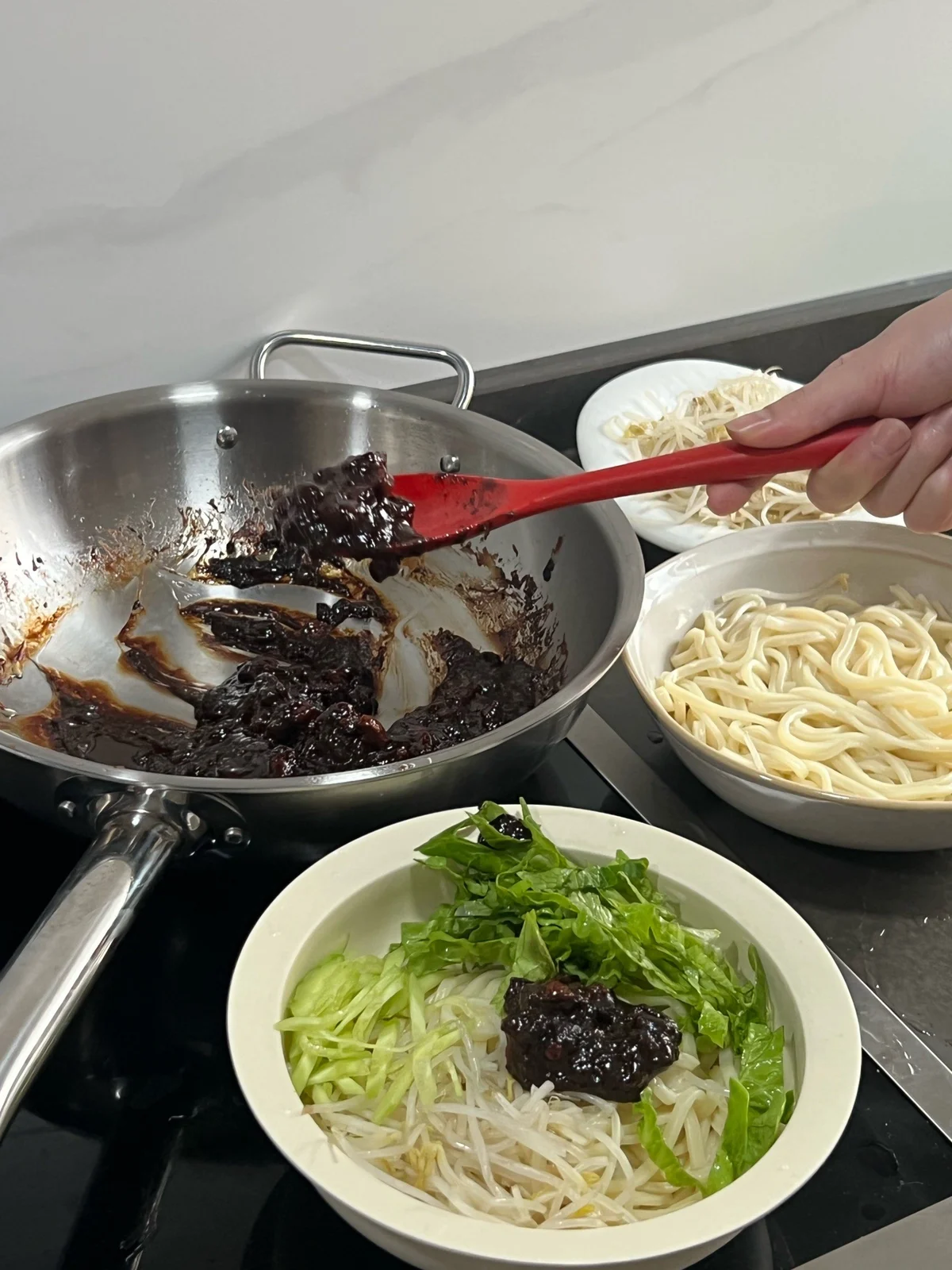
At home, sauce may sit in one bowl while toppings are spread across the table. Everyone mixes their own noodles. This makes the meal flexible, social, and practical for families with different tastes. One person may want extra sauce; another may want more cucumber or garlic.
Beijing cuisine is strongly shaped by wheat: noodles, pancakes, dumplings, buns, and wrappers. Zhajiang Noodles fit naturally into this food world. The chewy noodles and strong sauce reflect northern preferences for hearty staples and bold seasoning.
The dish changes with the season. In warmer months, cucumber, radish, and cold noodles can make the bowl refreshing. In cooler weather, hot noodles, richer sauce, and blanched vegetables feel more comforting. This seasonal flexibility helps explain why the dish stays relevant across generations.
Official Beijing materials often connect zhajiangmian with old Beijing flavor and hutong dining, including well-known noodle shops around Fangzhuanchang Hutong. Whether in a famous shop or a modest neighborhood restaurant, the dish carries a sense of local familiarity.
For travelers, Zhajiang Noodles show a different side of Beijing from formal roast duck meals. They show how local people eat when they are not celebrating. That makes the dish one of the most useful introductions to everyday Beijing food culture.
Peking Duck explains Beijing as a capital city; Zhajiang Noodles explain Beijing as a lived-in city. Both are necessary if you want a rounded picture of local food.
Start with the main Zhajiang Noodles guide, then continue to toppings and home-style preparation.
This guide is original editorial content. The links below were used for factual cross-checking, official dish context, ingredient notes, and dining terminology; they are not copied source text.
Comments (0)