Beijing Jiaoquan Guide: The Crispy Fried Ring Paired With Douzhi
A practical guide to Beijing jiaoquan, the crispy fried ring paired with douzhi, covering texture, taste, ordering tips, snack-shop culture, and how it differs from youtiao.
A practical Beijing street food guide covering jianbing, douzhi, jiaoquan, tanghulu, baozi, fried dough, snack-shop sweets, ordering strategy, timing, and how to build a balanced…
Beijing street food is not one single flavor. It moves between hot breakfast crepes, fermented drinks, fried rings, steamed buns, candied fruit, sesame sweets, and old snack-shop plates that feel very different from night-market food in other Chinese cities.
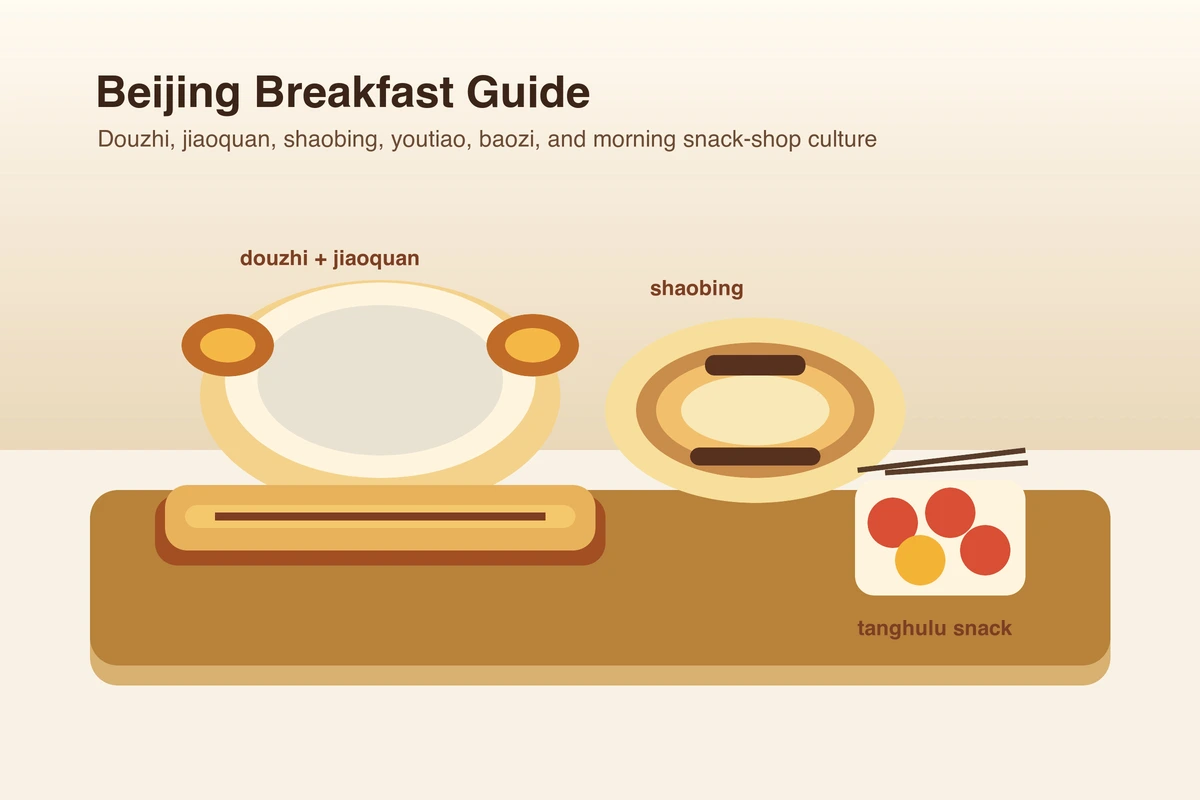
For visitors, the easiest mistake is to treat Beijing street food as a checklist of famous names. A better approach is to understand timing and role: what is breakfast, what is a snack, what is sweet, what is seasonal, and what should be eaten immediately.
Many of Beijing's most useful street foods are morning foods. Jianbing is the most accessible: a hot crepe with egg, sauce, herbs, and a crisp center. It is fast, portable, and easy to customize.
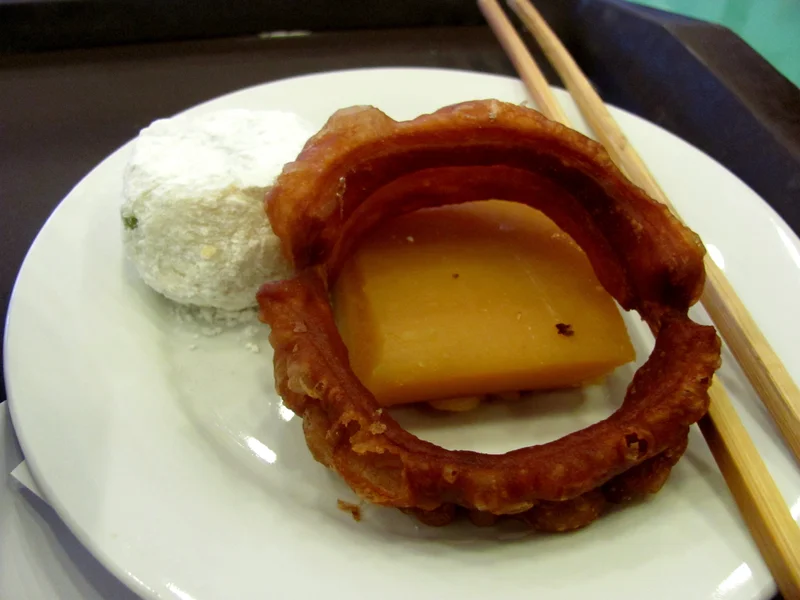
Douzhi is the opposite kind of introduction. It is sour, fermented, and divisive. Drink it with jiaoquan and pickles rather than treating it like sweet soy milk. The pairing matters because the crisp ring and salty vegetables make the drink easier to understand.
Jianbing works because it balances soft, crisp, salty, sweet, fresh, and spicy elements in a few minutes. A good one should not be thick or soggy. The crepe should be thin, the egg should be just set, and the crisp insert should still snap when folded.
If you only try one Beijing street breakfast, jianbing is the safest choice. It is also a good base for comparison: after eating it, you can better understand why some Beijing snacks value texture as much as flavor.
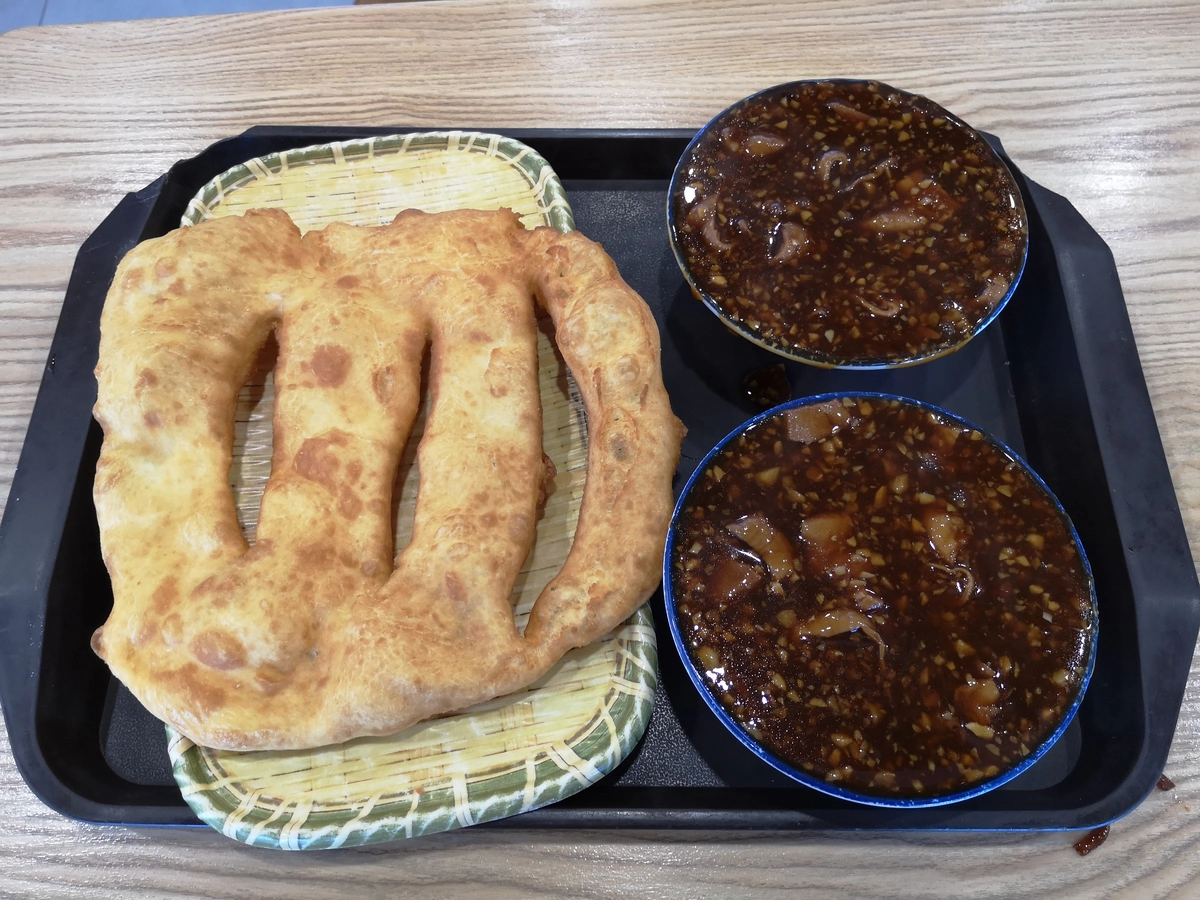
Douzhi and jiaoquan are not difficult because they are elaborate. They are difficult because the flavor logic is unfamiliar. Douzhi is fermented mung bean liquid with a sour aroma. Jiaoquan is a brittle fried dough ring. Pickles add salt and sharpness.
The trio shows a different side of Beijing food culture: older, local, less sweet, and less designed for first-time approval. If you want to try it seriously, go to a snack shop in the morning and take small sips. For a more practical approach, use the first-timer guide to drinking douzhi.
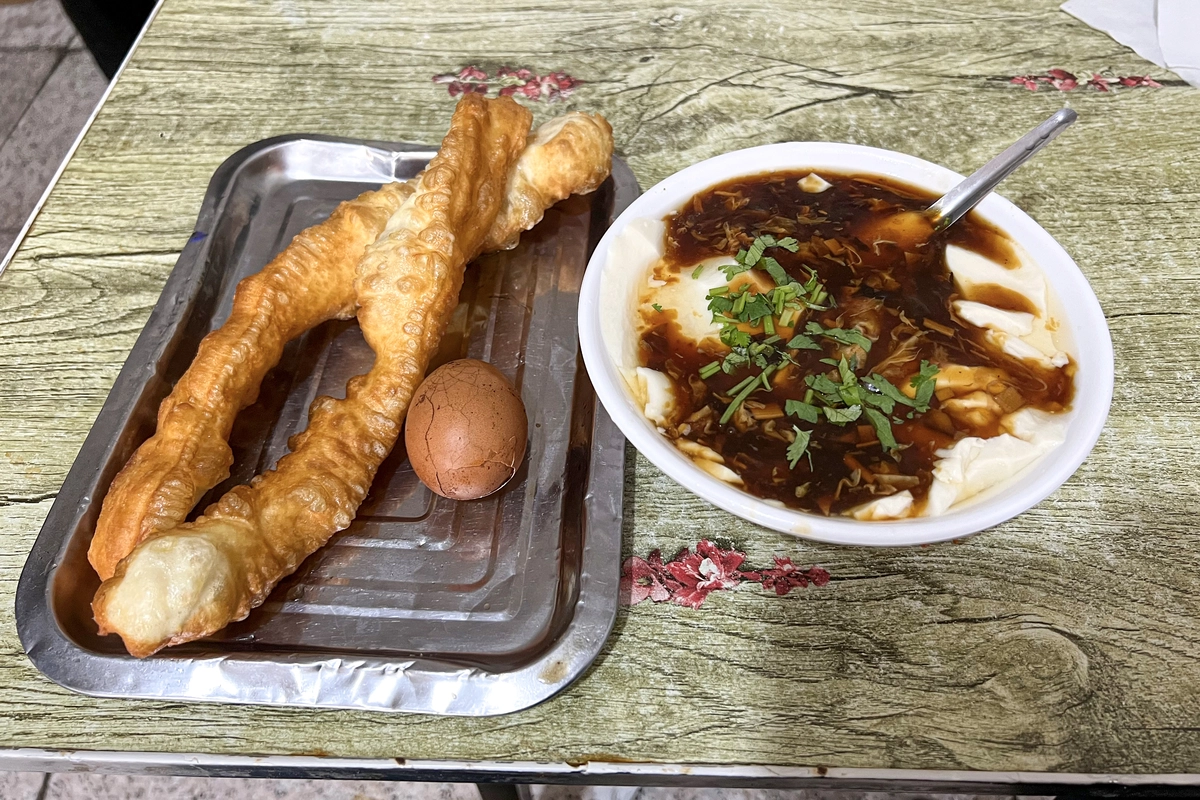
Youtiao is not uniquely Beijing, but it is part of the city's breakfast rhythm. It is longer, puffier, and softer than jiaoquan, usually eaten with soy milk, tofu pudding, congee, or other breakfast bowls. Youbing is broader and flatter, giving a heavier fried-wheat bite.
If jiaoquan is about brittle crunch, youtiao is about airy chew. That difference is useful when ordering. Pair youtiao with liquid foods; pair jiaoquan with douzhi if you want the old Beijing combination.
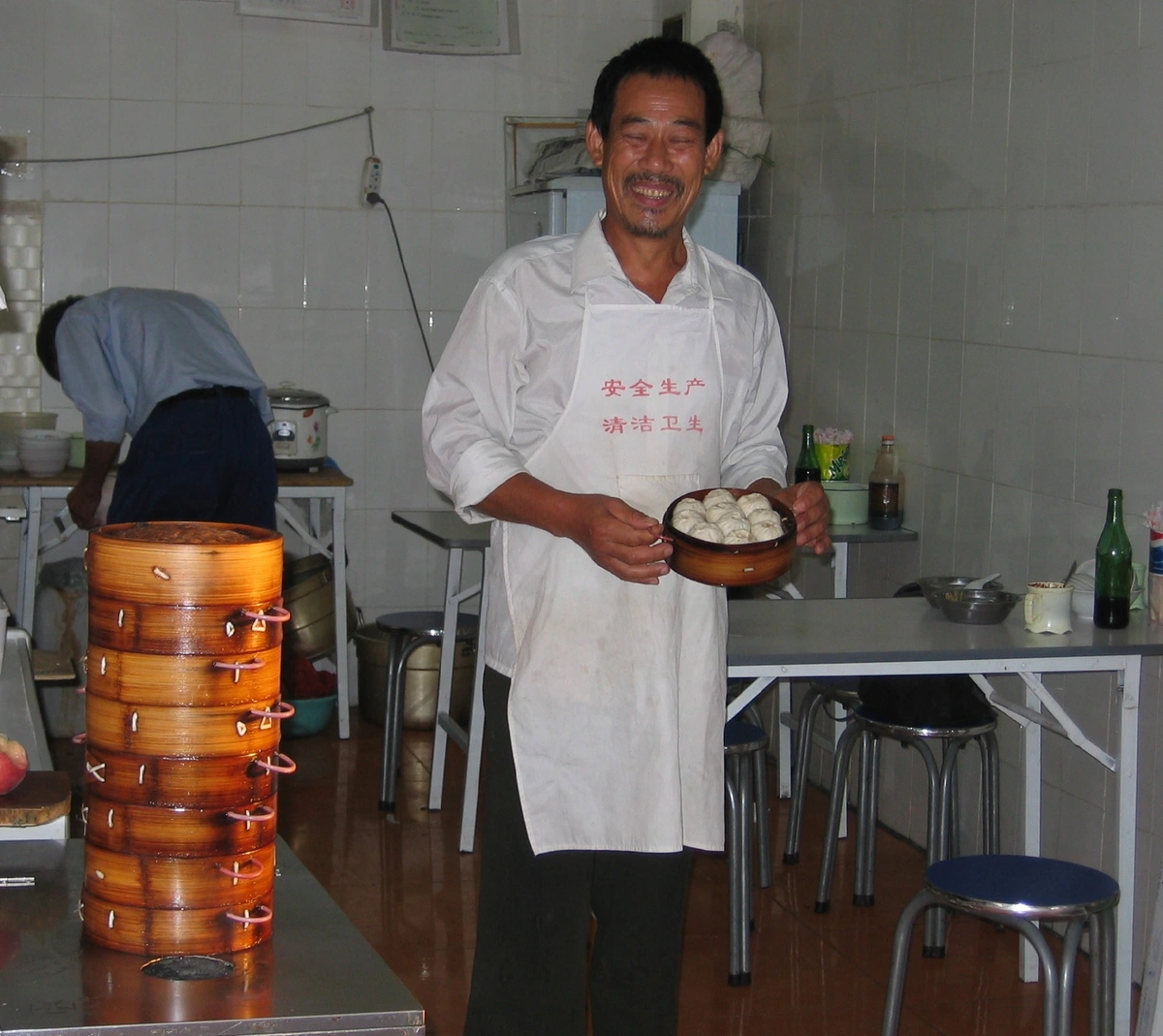
Baozi are steamed buns filled with meat, vegetables, or mixed fillings. They are not always listed as street food in a narrow sense, but they are essential to Beijing's everyday breakfast landscape. A small shop selling baozi, soy milk, tea eggs, and porridge can be more useful than a famous snack stop if you want to understand local routines.
Look for steady turnover. Freshly steamed buns should feel soft and hot, not dry at the edges. If you are eating several snacks in one morning, choose one or two small buns rather than a full basket.
Tanghulu is candied fruit on a skewer, traditionally associated with hawthorn. The pleasure is contrast: a hard sugar shell, tart fruit, and a clean crack when you bite. It is more of a walking snack than a meal.
Freshness matters. The sugar coating should be glassy and crisp, not sticky or melting. Hawthorn is the classic choice, but modern versions may use strawberries, grapes, or mixed fruit. The newer versions can be fun, but the hawthorn version explains the snack best.
Beijing snack shops may also offer sweets such as wandouhuang, aiwowo, or other small pastries and glutinous rice snacks. These are quieter than jianbing or tanghulu. They are usually eaten slowly, often with tea or as part of a mixed snack plate.
The important point is not to expect every snack to be loud. Some Beijing sweets are mild, bean-based, or rice-based. Their value is texture, fragrance, and old snack-shop context rather than intense sugar.
Do not try to eat all of Beijing street food in one stop. A better route has three parts: one hot breakfast item, one old snack-shop item, and one sweet or portable snack. For example, start with jianbing, later try douzhi with jiaoquan in a snack shop, and finish with tanghulu or a small sweet.
Keep portions small. Street food is best when you stay curious rather than full. If you order too much fried dough early, you will lose interest before reaching the more distinctive snacks.
Choose vendors with visible turnover, hot cooking surfaces, and ingredients that look fresh. Avoid items that have been sitting uncovered for too long, especially foods with moisture. For fried foods, fresh heat matters; for candied fruit, the sugar shell should still be clean and crisp.
For breakfast stalls, the busy window is your friend. For snack shops, look for a steady local crowd rather than only photo traffic. A famous sign is less useful than food that is moving quickly.
Street food helps explain Beijing's broader food style. It is practical, seasonal, and often built around texture: crisp jianbing inserts, brittle jiaoquan, chewy fried dough, soft baozi, glassy tanghulu sugar, and smooth bean sweets.
After street food, the next step is to compare it with sit-down Beijing classics such as Peking duck, zhajiang noodles, and instant-boiled mutton. Together they show why Beijing food is not just one famous dish, but a set of eating situations.
Beyond jianbing and douzhi, Beijing street food is a map of morning routines, snack-shop habits, fried textures, and simple sweets. Eat hot foods when they are hot, keep the order balanced, and use each snack to understand a different part of the city rather than just collecting names.
Comments (0)