Beijing Jiaoquan Guide: The Crispy Fried Ring Paired With Douzhi
A practical guide to Beijing jiaoquan, the crispy fried ring paired with douzhi, covering texture, taste, ordering tips, snack-shop culture, and how it differs from youtiao.
A practical comparison of chaogan and douzhi, explaining taste, texture, pairings, first-timer advice, and how both fit into old Beijing breakfast culture.
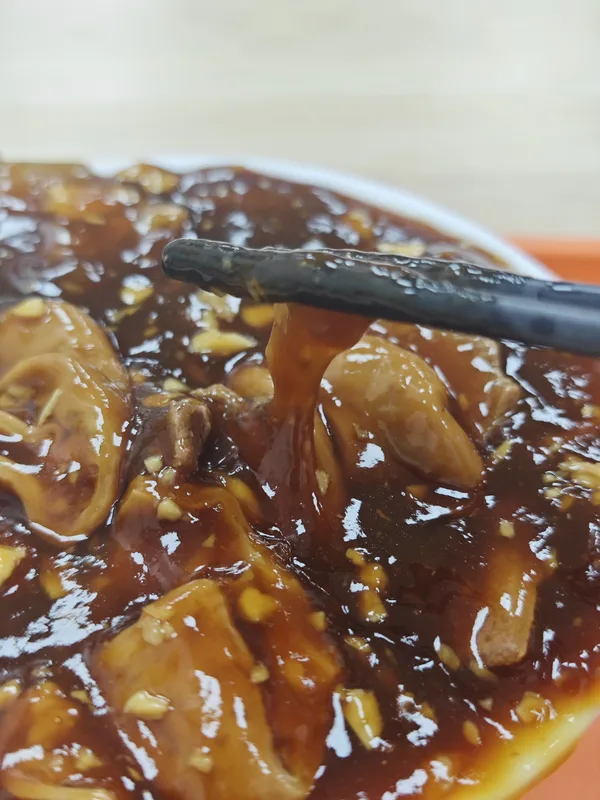
Chaogan and douzhi are two old Beijing breakfast foods that often surprise first-time visitors, but they surprise people in different ways. Chaogan looks intense because it is a glossy, garlic-heavy pork liver and intestine stew. Douzhi sounds harmless because it is a drink, but its fermented sourness can be much more challenging than its simple appearance suggests.
If you are planning a Beijing breakfast crawl, it helps to understand the difference before ordering. Both foods belong to the same morning snack-shop world as baozi, jiaoquan, shaobing, youtiao, soy milk, and pickled vegetables. Yet they play very different roles at the table.
Chaogan is a hot, savory bowl. It is thick, garlicky, meaty, and usually eaten with steamed buns or other wheat staples. It is closer to a breakfast stew than a soup.
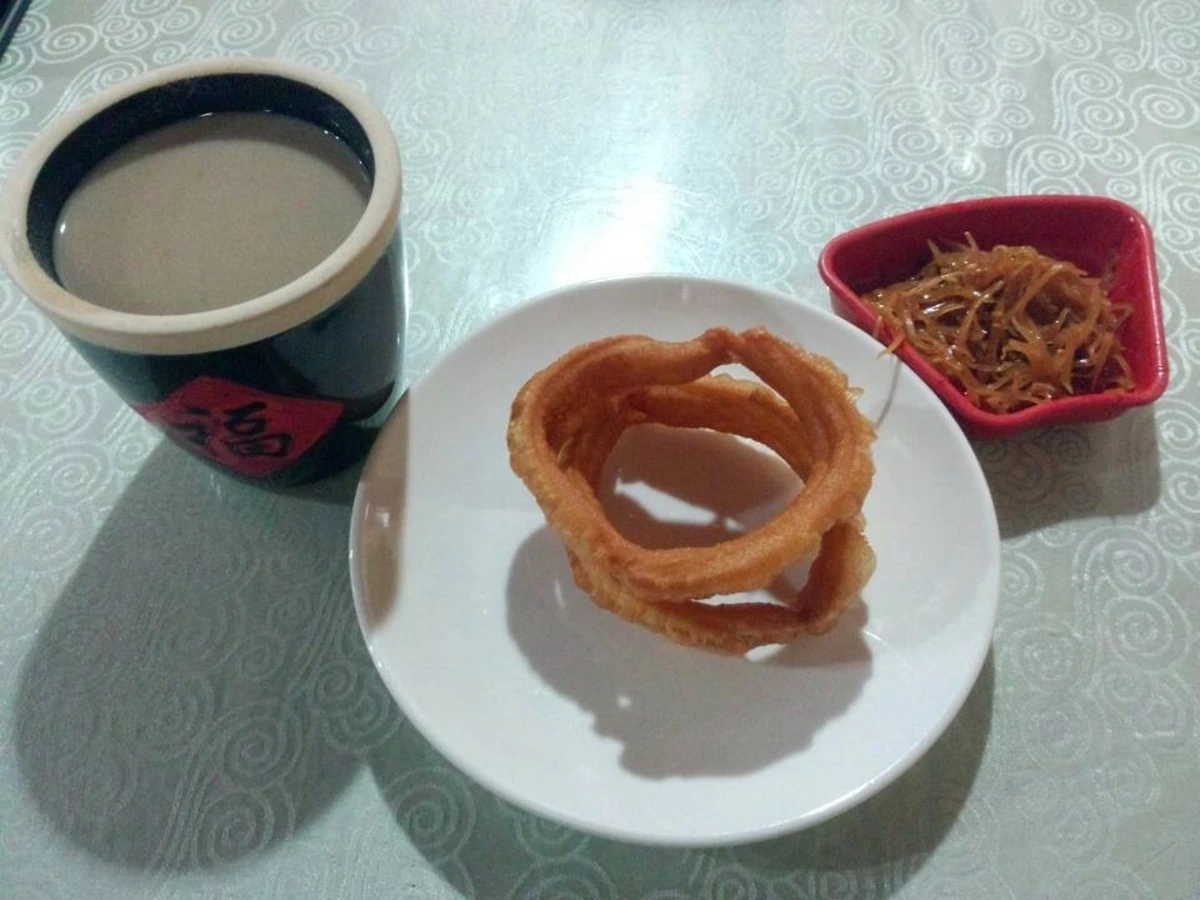
Douzhi is a fermented mung bean drink. It is thin, sour, grainy, and traditionally paired with crisp jiaoquan and pickles. It is more about aroma and acidity than richness.
For most first-time visitors, chaogan is easier to understand if they already like garlic, offal, and savory breakfasts. Douzhi is more iconic but more polarizing. If you want the gentler start, order chaogan with baozi first. If you want the classic old Beijing challenge, try douzhi with jiaoquan later.
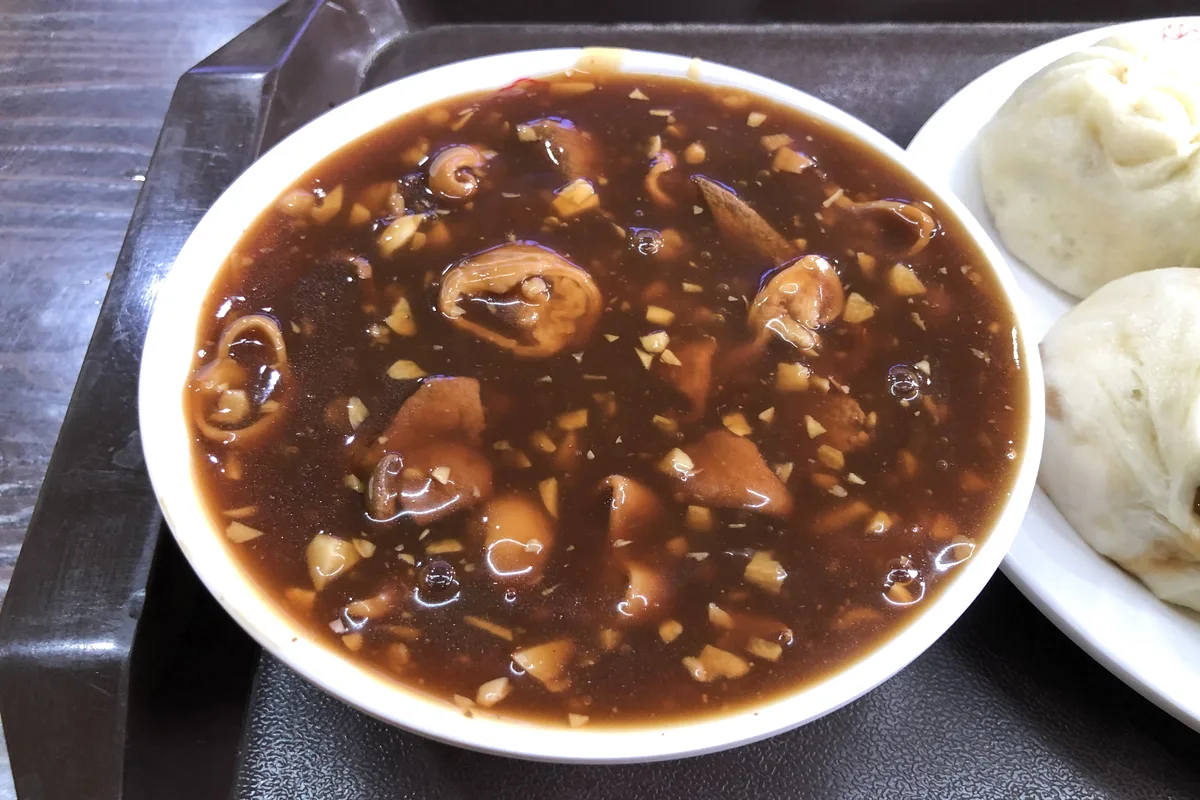
Chaogan is often translated as “stir-fried liver,” but that translation is misleading. In a Beijing breakfast shop, chaogan is not dry and not really stir-fried at the table. It is a thick brown stew made with pork liver, pork intestine, garlic, and a starch-thickened broth.
The bowl is usually glossy and dark, with chopped garlic floating on top. The broth clings to the spoon and chopsticks. The liver gives it a soft, mineral flavor, while the intestine adds chew and aroma. Garlic is not a background seasoning here; it is one of the main signals of the dish.
Chaogan works best when eaten hot. It is often paired with baozi because the steamed bun balances the thick broth and gives you something plain, warm, and wheat-based between bites.
Douzhi is one of Beijing’s most famous acquired tastes. It is made from fermented mung bean liquid, so it has a sour, grainy, lightly funky flavor. It is not soy milk, not sweet mung bean soup, and not a refreshing dessert drink. The first sip can feel surprising because the aroma arrives before the flavor settles.
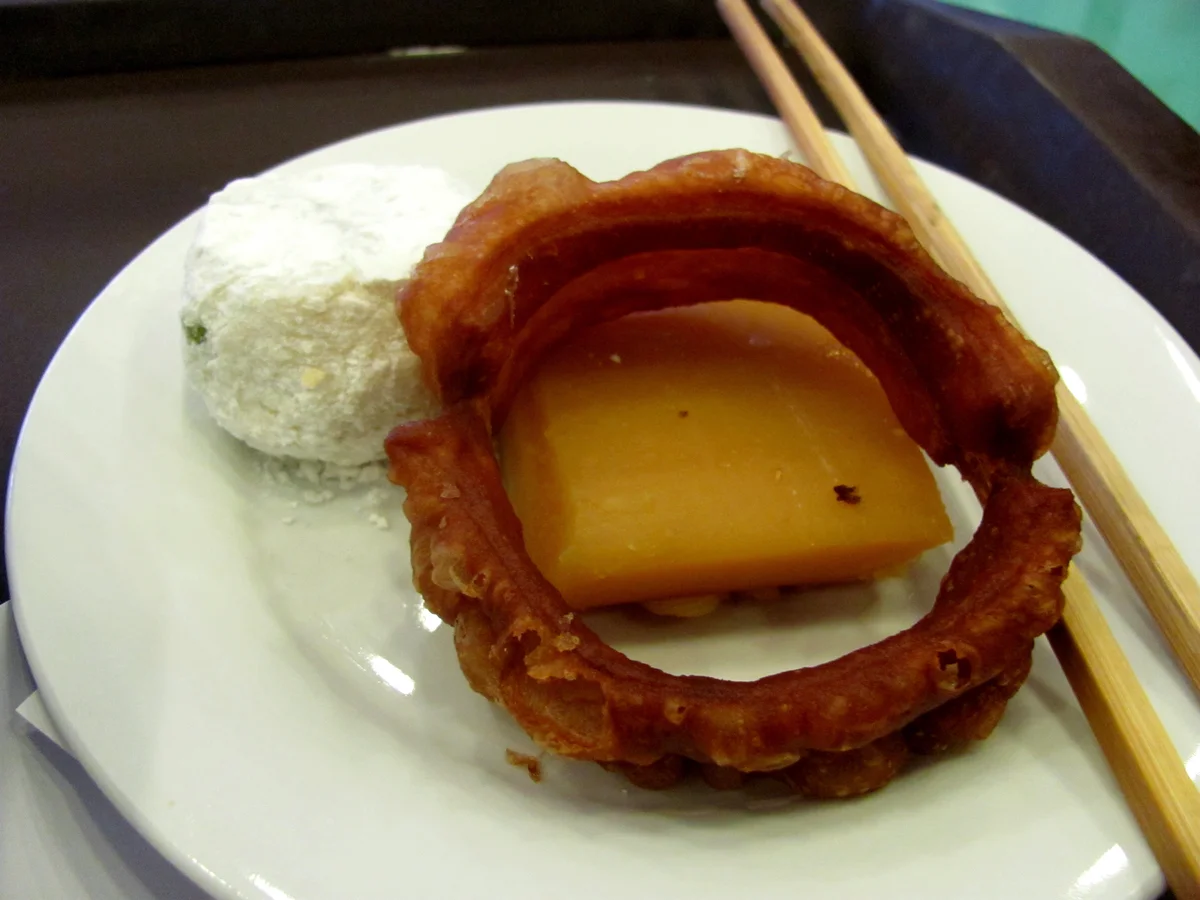
In the classic pairing, douzhi is served with jiaoquan, a thin fried ring, plus pickled vegetables. The crisp ring and salty pickle cut through the sourness. Without those pairings, douzhi can feel unfinished, especially to someone trying it for the first time.
If you want a full guide to the drink itself, read Douzhi in Beijing and then the practical tasting tips in how to drink douzhi.
The easiest way to compare the two is to think about body and direction. Chaogan is heavy, warm, and savory. Douzhi is thin, sour, and fermented.
Neither dish should be judged like a modern cafe breakfast. They come from a snack-shop tradition where wheat staples, hot bowls, fermented flavors, and quick service matter more than polished plating.
Try chaogan first if you already enjoy offal, garlic, thick stews, or savory breakfasts. It may look unfamiliar, but its logic is easy: a hot bowl plus a plain wheat side. Order it with baozi, take small spoonfuls, and let the bun reset the flavor.
Try douzhi first if your goal is cultural curiosity. Douzhi is one of those foods people talk about because the reaction is part of the experience. Do not order it alone. Add jiaoquan and pickled vegetables, take small sips, and do not expect sweetness.
If you are with two people, the best move is to order both. One bowl of chaogan, one bowl of douzhi, a plate of jiaoquan, and a basket of baozi will teach you more about Beijing breakfast than ordering only the safest dish.
Chaogan often sits beside baozi. The bun soaks up flavor without competing with the garlic broth. Pork or beef baozi can make the meal heavier; vegetable buns make it lighter. Some people also pair chaogan with a simple fried wheat item, but baozi is the most intuitive pairing for visitors.
Douzhi is different. Its best-known partner is jiaoquan. The fried ring is dry and crisp, so it gives your mouth a break from the sour liquid. Pickled vegetables add salt and crunch. This is why a douzhi order without jiaoquan can feel like only half of the experience.
For a deeper look at the fried side dish, see Jiaoquan vs Youtiao. For the wider morning-food context, start from the Beijing Breakfast topic page.
The first mistake is expecting the English translation to explain the food. “Stir-fried liver” does not describe the thick stew texture of chaogan, and “mung bean drink” does not prepare you for douzhi’s fermented sourness.
The second mistake is ordering either dish in isolation. Chaogan needs a wheat staple. Douzhi needs jiaoquan and pickles. These pairings are not decorative; they are how the flavors become balanced.
The third mistake is treating old Beijing breakfast as a single flavor category. Chaogan and douzhi are both traditional, but one is meaty and garlicky while the other is sour and fermented. Liking one does not mean you will like the other.
Chaogan and douzhi show two sides of Beijing breakfast culture. Chaogan reflects the practical side: hot, filling, strong, and built for people who want a savory morning bowl. Douzhi reflects the identity side: a food locals may defend, debate, and use as a marker of old Beijing taste.
Both also show why Beijing food is not only about famous restaurant dishes like Peking Duck. Everyday snack-shop foods can be just as revealing. They show how people eat before work, how wheat staples structure a meal, and how fermented or garlicky flavors can become part of local memory.
For the individual dish guides, continue with Chaogan in Beijing and Douzhi in Beijing. To build a full breakfast route, read Beijing Breakfast Guide, then compare Chaogan and Baozi with Beijing Jiaoquan.
This guide is original editorial content. The links below were used for factual cross-checking, old Beijing food context, breakfast terminology, and pairing context; they are not copied source text.
Comments (0)