Beijing Jiaoquan Guide: The Crispy Fried Ring Paired With Douzhi
A practical guide to Beijing jiaoquan, the crispy fried ring paired with douzhi, covering texture, taste, ordering tips, snack-shop culture, and how it differs from youtiao.
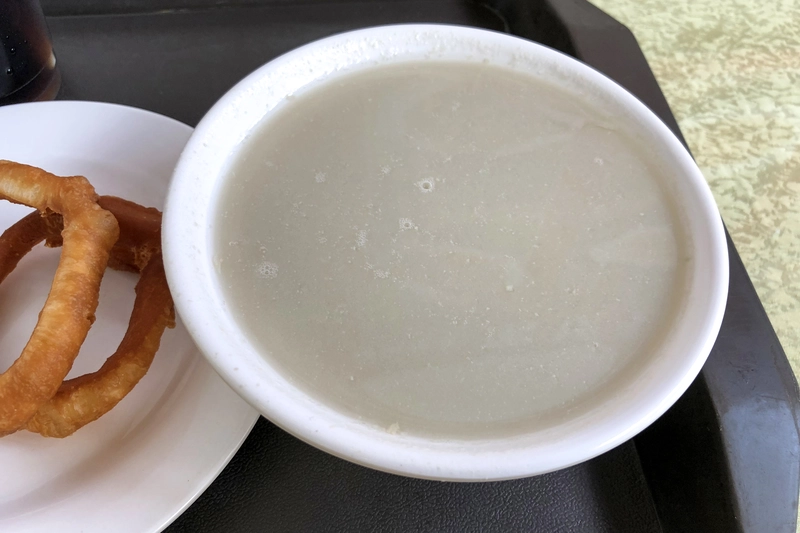
A practical guide to Beijing douzhi, explaining the fermented mung bean drink, jiaoquan pairing, old Beijing snack-shop culture, taste expectations, ordering tips, and who should…
Douzhi is the Beijing breakfast that makes people take sides. Some locals defend it as a serious old Beijing taste. Many first-time visitors take one sip and decide it is not for them. Both reactions are normal, because douzhi is not meant to taste like sweet soy milk, milk tea, or a mild bean drink.
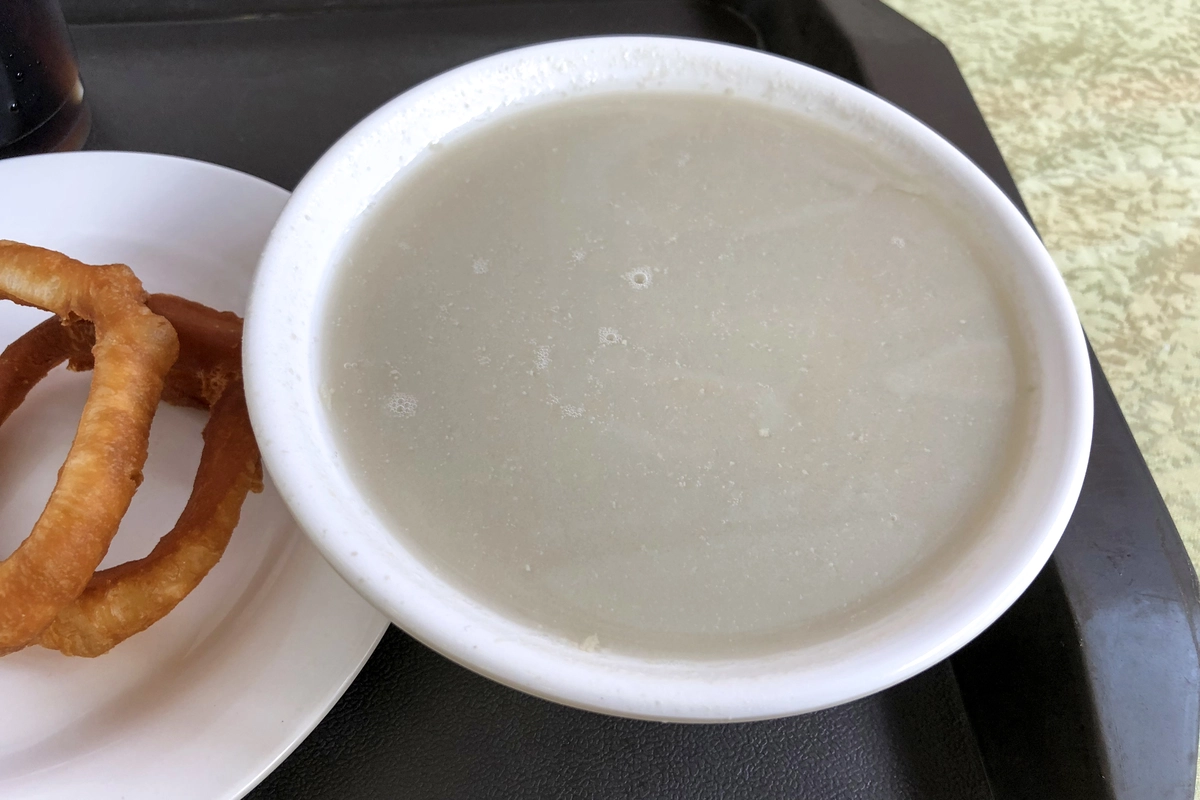
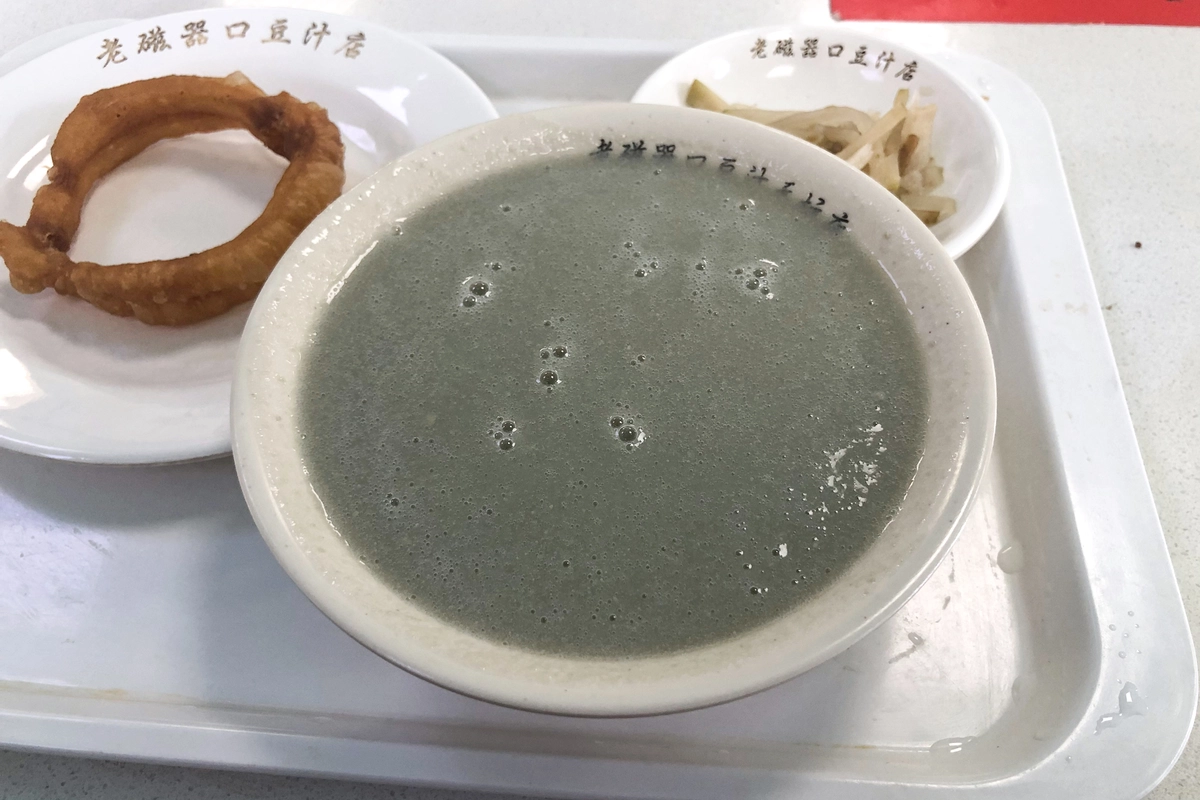
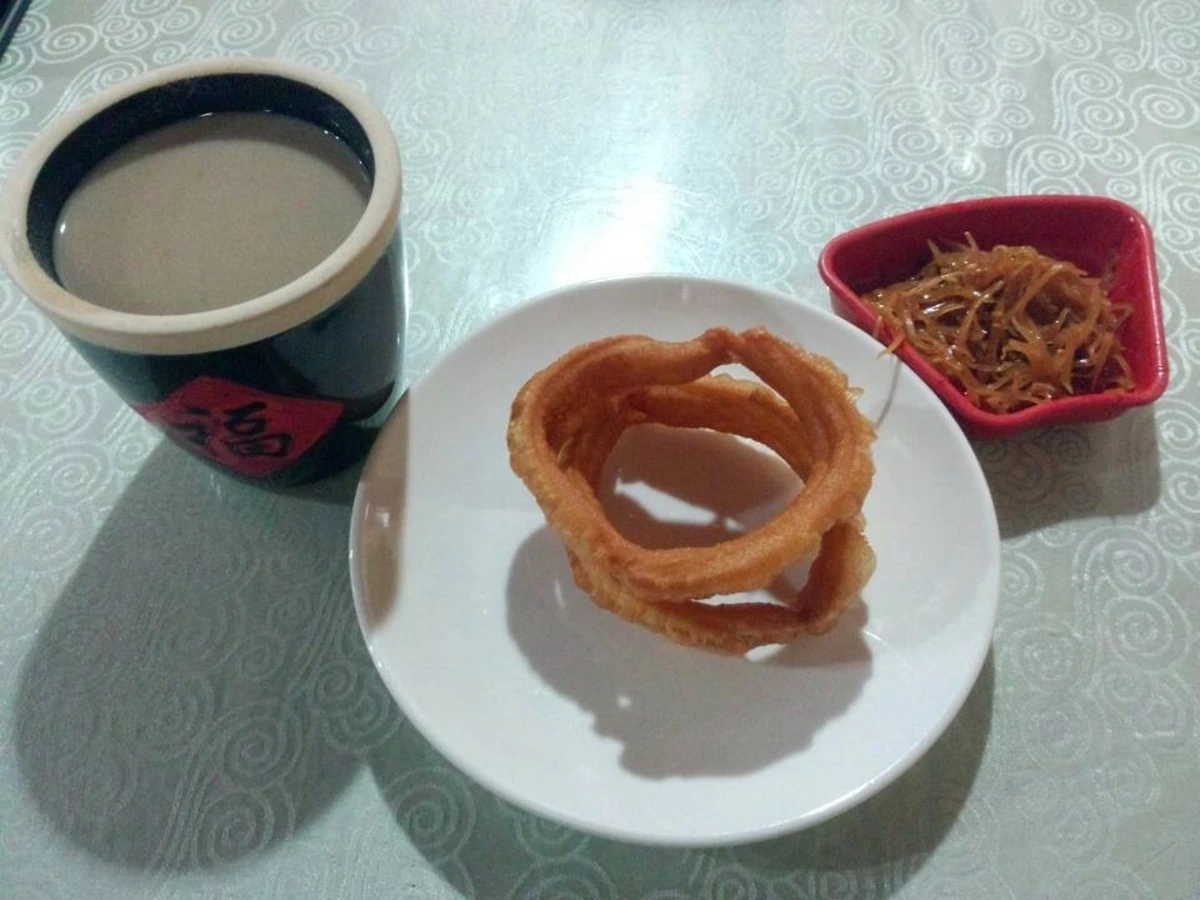
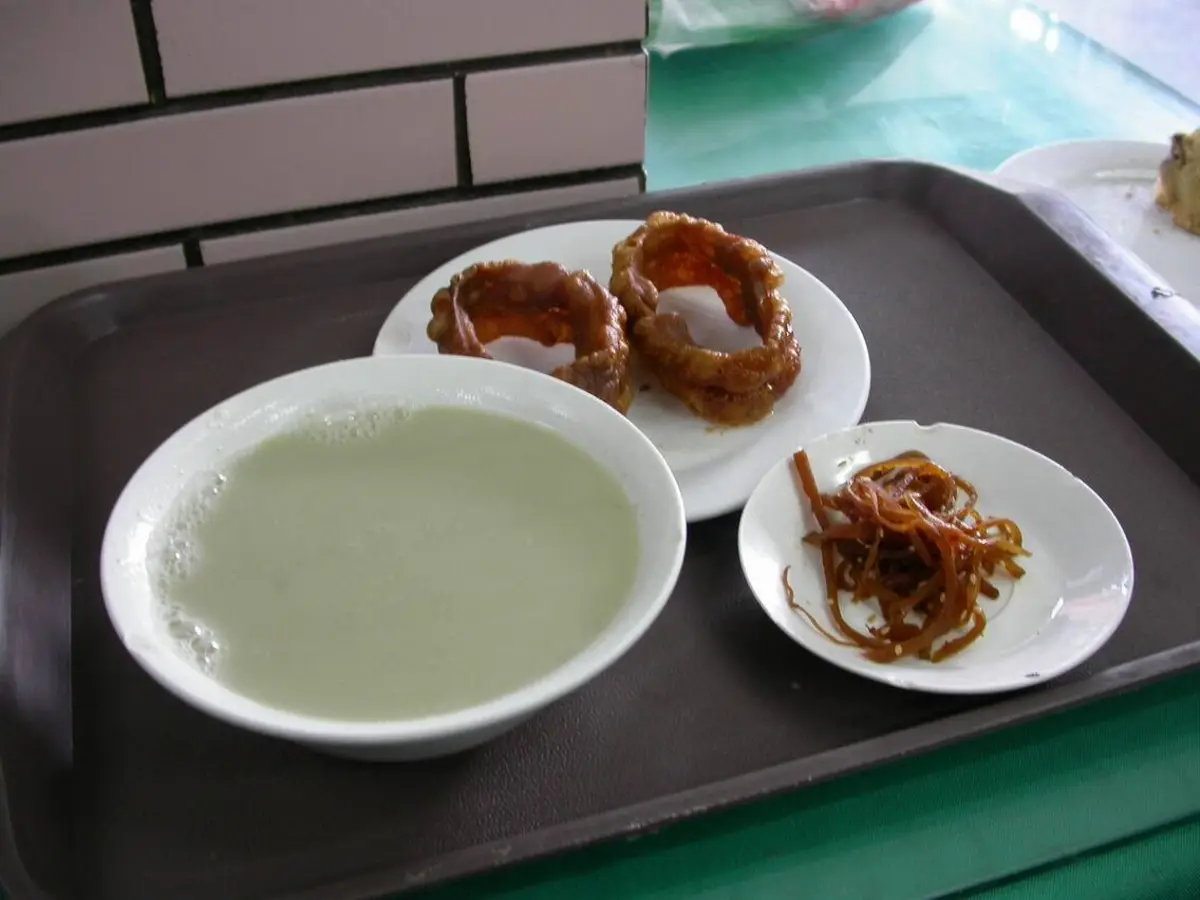
At its best, douzhi is hot, sour, lightly earthy, and deeply tied to Beijing snack-shop culture. It is usually served with jiaoquan, a crisp fried flour ring, and salty pickled vegetables. The combination matters: the drink, the crunch, and the pickle sharpness work together.
Douzhi is made from mung beans and is commonly described in English as a fermented mung bean drink. It is a by-product of making mung bean starch and noodles, and its defining feature is fermentation. That fermentation gives it a sour aroma and a taste that can feel surprising if you expect a clean, sweet breakfast drink.
The color is usually pale gray-green rather than bright white. The texture is thin, not creamy. The flavor can seem grassy, sour, and slightly funky. This is why douzhi is often treated as a test of old Beijing food curiosity.
Jiaoquan is a small fried ring made from dough. It is crisp, oily, and light enough to break apart with your fingers. When eaten beside douzhi, it gives crunch and fat to balance the sour drink. Pickled vegetables add salt and sharpness, making the whole set more complete than the drink alone.
If you try douzhi without jiaoquan or pickles, you are not really tasting the classic breakfast structure. Order the pairing, not just the bowl.
The first sip is usually the hardest. Douzhi smells stronger than many people expect, especially when hot. The taste is sour but not citrusy, savory but not salty, and fermented without the sweetness that balances yogurt or kombucha. That is why people often describe it as strange before they describe it as good or bad.
A fair way to try it is to take small sips while eating jiaoquan and pickles. Do not gulp it cold. Do not compare it to soy milk. Think of it as a fermented local breakfast food, closer to a food culture experience than a casual beverage.
Look for old Beijing snack shops rather than modern cafes. Huguosi-style snack shops, old snack counters, and places that sell multiple traditional Beijing snacks are safer choices than random restaurants. A good shop will serve douzhi hot and pair it with the right side items.
If this is your first Beijing morning, start with the broader Beijing breakfast guide. If you already know you want old Beijing flavors, order douzhi with jiaoquan and something more familiar, such as baozi or shaobing, so the meal has a fallback.
Try douzhi if you enjoy fermented foods, strong local flavors, or food experiences that tell you something about a city. It is especially interesting if you have already eaten easier Beijing foods such as Zhajiang Noodles, breakfast baozi and jianbing, or Peking Duck.
Skip it if you dislike sour fermented aromas, if you are eating in a rush, or if you want a gentle first breakfast. There is no need to force yourself. Beijing breakfast has many easier entry points.
Douzhi matters because it preserves a part of Beijing food identity that is not designed around tourists. It is practical, inexpensive, old-fashioned, and divisive. That makes it useful for understanding the difference between famous Beijing restaurant food and everyday local food memory.
For SEO readers and real travelers, the honest answer is simple: douzhi is not universally delicious, but it is culturally important. If you want a food story that locals still debate, this is one of the best dishes to try.
This guide is original editorial content. The links below were used for factual cross-checking, official local-food context, and image attribution; they are not copied source text.
Comments (0)