Beijing Jiaoquan Guide: The Crispy Fried Ring Paired With Douzhi
A practical guide to Beijing jiaoquan, the crispy fried ring paired with douzhi, covering texture, taste, ordering tips, snack-shop culture, and how it differs from youtiao.
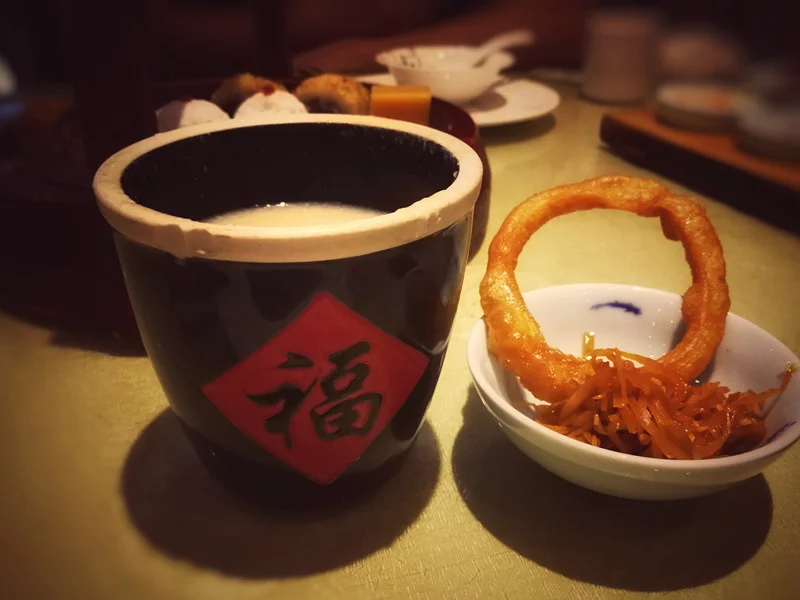
A practical guide to the old Beijing pairing of crisp jiaoquan and sour douzhi, with ordering tips, flavor logic, pickled vegetable pairings, and first-timer advice.
Jiaoquan and douzhi are one of the most recognizable old Beijing snack-shop pairings. The combination can surprise first-time visitors because it is not built around sweetness or rich meat, but around sour fermented mung-bean drink, crisp fried dough, and sharply seasoned pickled vegetables.
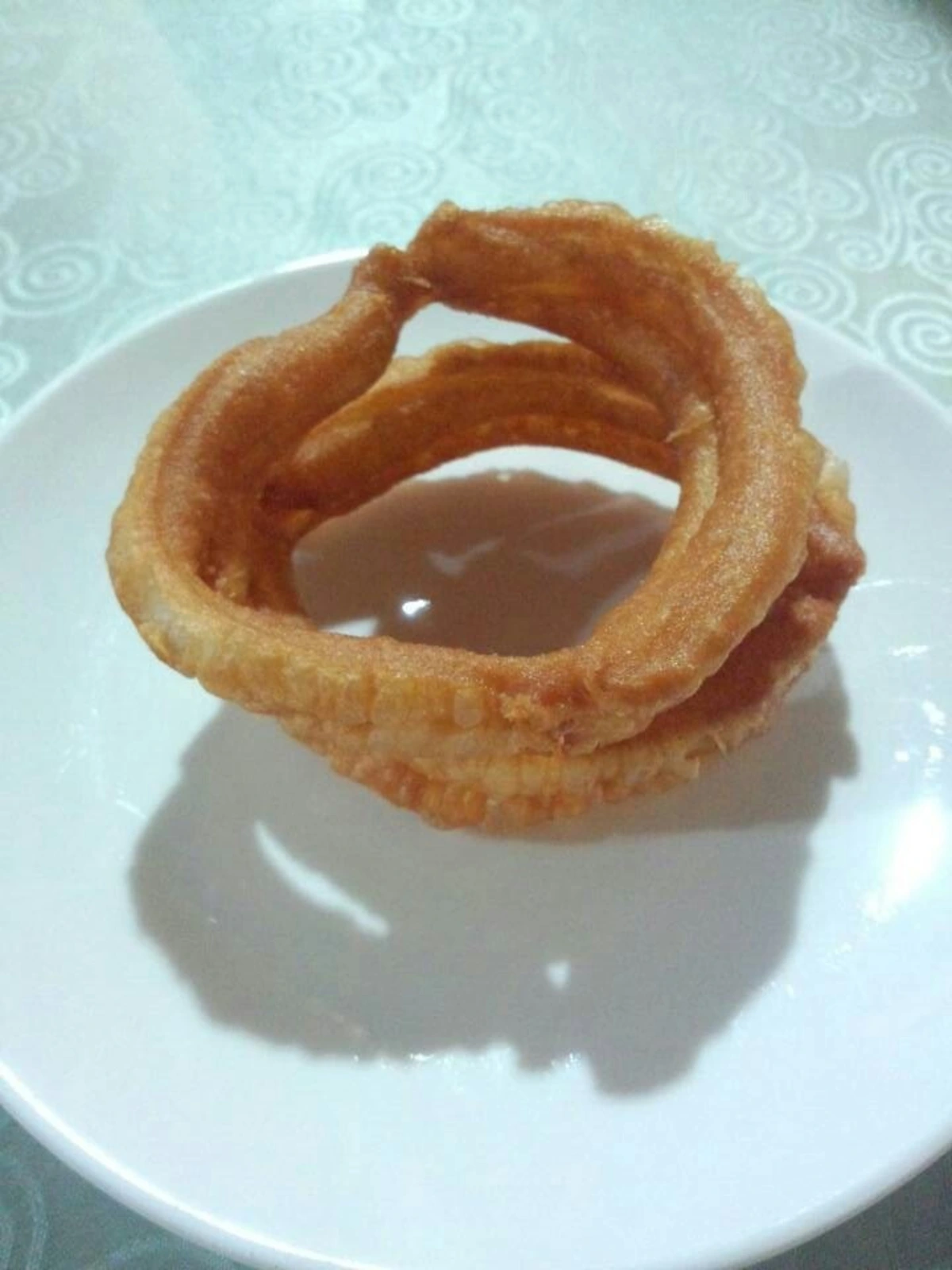
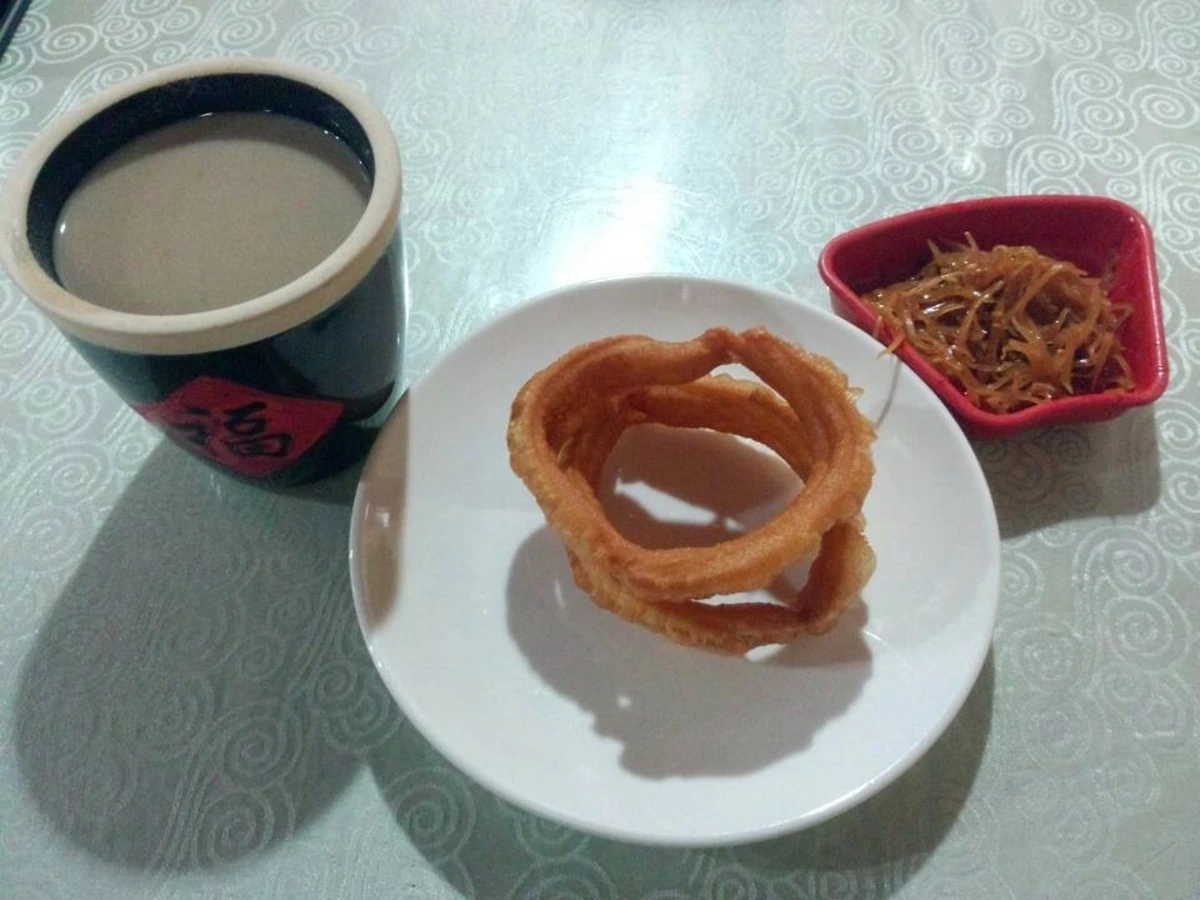
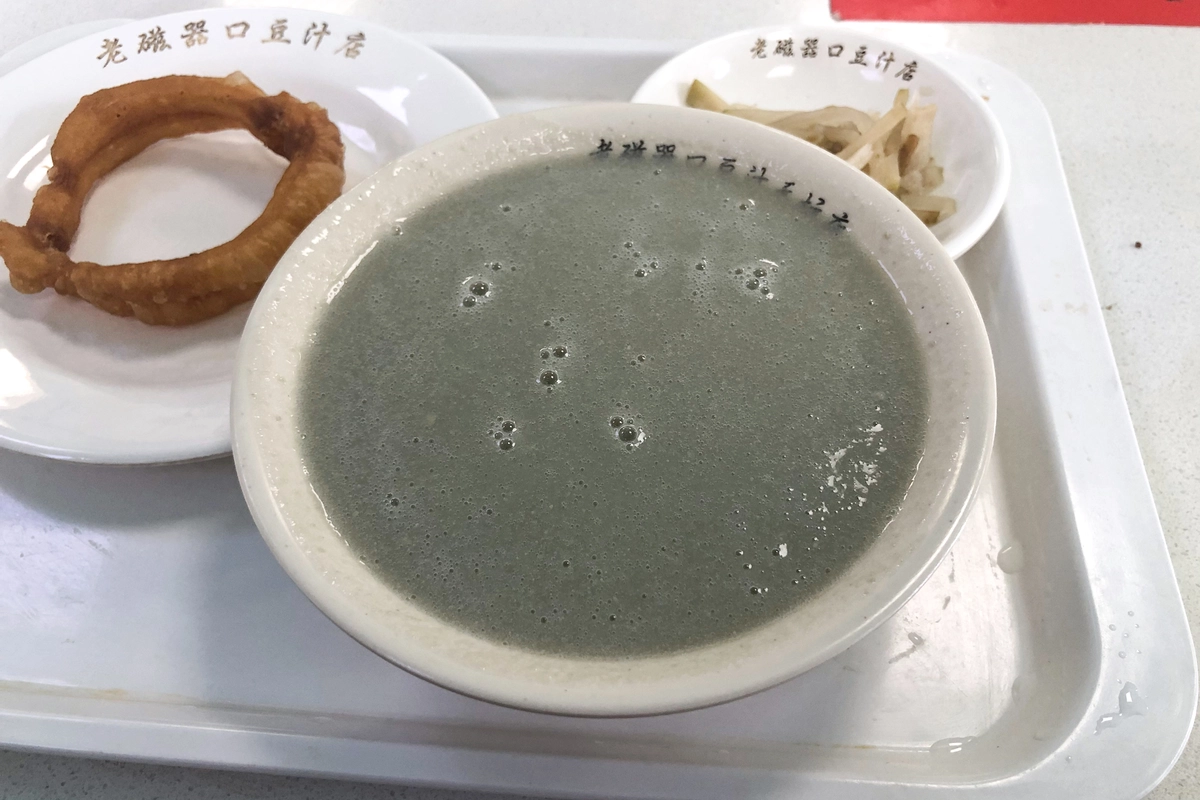
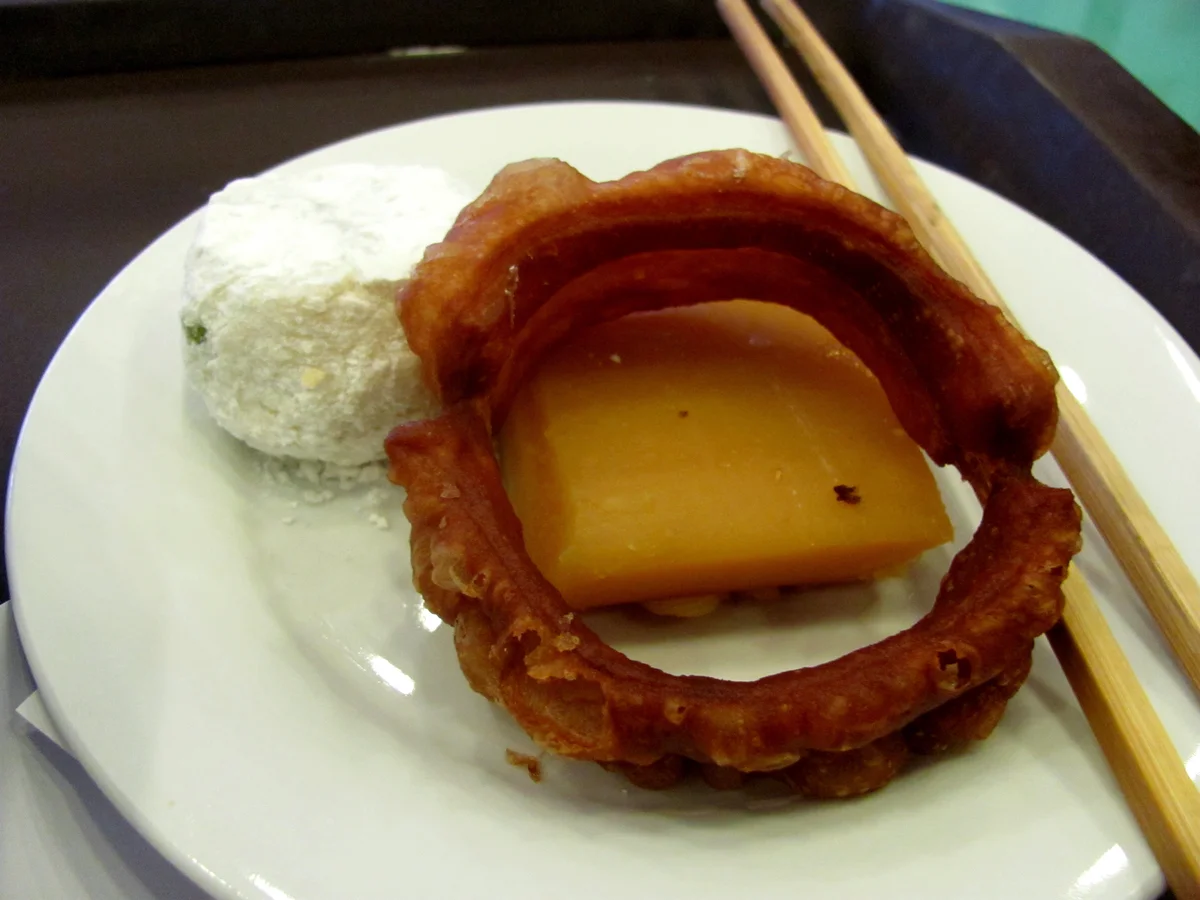
This guide explains why the pairing works, how to order it, and how to approach the flavor without treating douzhi like ordinary soy milk. If you want the broader background first, start with the Beijing jiaoquan guide and the how to drink douzhi guide, then come back to this pairing as the practical eating sequence.
A classic tray usually has three parts: a bowl of douzhi, one or two jiaoquan rings, and a small dish of pickled vegetables. Douzhi is made from fermented mung-bean starch liquid, so its flavor is tart, grassy, and slightly savory. Jiaoquan is a thin fried dough ring with a brittle shell and airy interior. The pickles add salt, chili, and crunch.
The point is contrast. Douzhi supplies acidity and warmth; jiaoquan supplies oil, crispness, and a mild wheat flavor; pickles keep the mouth from reading the drink as flatly sour. Eaten together, the set feels more balanced than any single item on its own.
Both jiaoquan and youtiao are fried wheat snacks, but they behave differently at the table. Youtiao is long, bready, and soft enough to soak up liquid. Jiaoquan is thinner and more brittle, so it is usually eaten in short bites rather than fully soaked. That crisp texture is why it pairs so well with a sour drink.
If you are comparing Beijing breakfast fried dough styles, see the jiaoquan vs youtiao guide. For douzhi specifically, jiaoquan is the more traditional partner because it keeps its shape and gives the drink a clean, crunchy counterpoint.
Start with a small sip of douzhi before adding anything else. The first sip tells you how sour and warm the bowl is. Then take a bite of jiaoquan while it is still crisp. After that, alternate between douzhi, jiaoquan, and a small amount of pickle. This rhythm matters more than trying to mix everything into one bite.
A common mistake is dunking the jiaoquan for too long. A quick touch is fine if you want to soften the edge, but leaving it in the bowl removes the crispness that makes the pairing work. Another mistake is ordering douzhi alone and judging the whole dish from one sour sip. The traditional set is meant to be eaten together.
For a focused order, ask for douzhi, jiaoquan, and pickled vegetables. If you are nervous about douzhi, add a more familiar breakfast item such as baozi, shaobing, or doufunao. That gives the table a backup dish while still letting you try the classic pairing properly.
In older snack shops, jiaoquan may be displayed near other small Beijing pastries. Look for rings that are golden, dry on the surface, and not limp with oil. A good jiaoquan should snap or crackle slightly when bitten. If it feels heavy and greasy, it will not balance the douzhi as well.
Jiaoquan is best when fresh and crisp, so breakfast and early snack-shop hours are usually better than late in the day. Douzhi is often served warm, which makes the sourness rounder and more aromatic. In cold weather, the combination can feel especially Beijing: hot sour drink, fried wheat, and salty pickles in a simple neighborhood setting.
This is not a universal crowd-pleaser, and that is part of its value. The pairing is useful for understanding old Beijing food culture because it shows a taste preference built on fermentation, texture, thrift, and habit rather than on modern sweetness or heavy seasoning.
If this flavor profile interests you, read the Jiaoquan topic page for more fried-ring guides and the Douzhi topic page for articles about the sour mung-bean drink. For a wider morning-food route, the Beijing Breakfast topic connects this pairing with baozi, chaogan, jianbing, shaobing, and other breakfast staples.
Reference image and background checked against Beijing Municipal Government: Top 10 Beijing snacks.
Comments (0)