Beijing Jiaoquan Guide: The Crispy Fried Ring Paired With Douzhi
A practical guide to Beijing jiaoquan, the crispy fried ring paired with douzhi, covering texture, taste, ordering tips, snack-shop culture, and how it differs from youtiao.
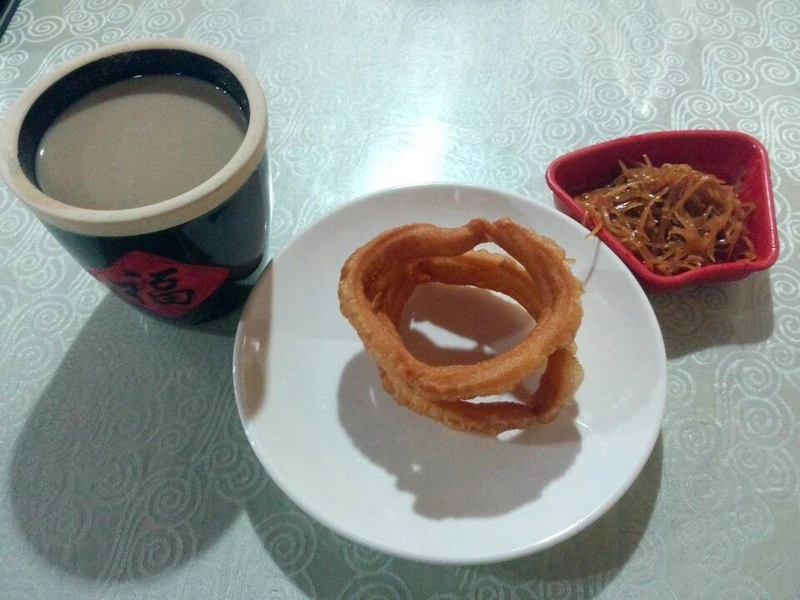
A first-timer guide to drinking douzhi in Beijing, explaining the sour fermented taste, jiaoquan and pickle pairing, how to order it, what to expect, and how to avoid common mista…
Douzhi is one of Beijing's most debated breakfasts. Some locals defend it as a marker of old Beijing taste. Many first-time visitors smell it, take one sip, and wonder whether they ordered correctly. Both reactions are normal. Douzhi is fermented, sour, and unfamiliar if you expect soy milk or a sweet mung bean drink.
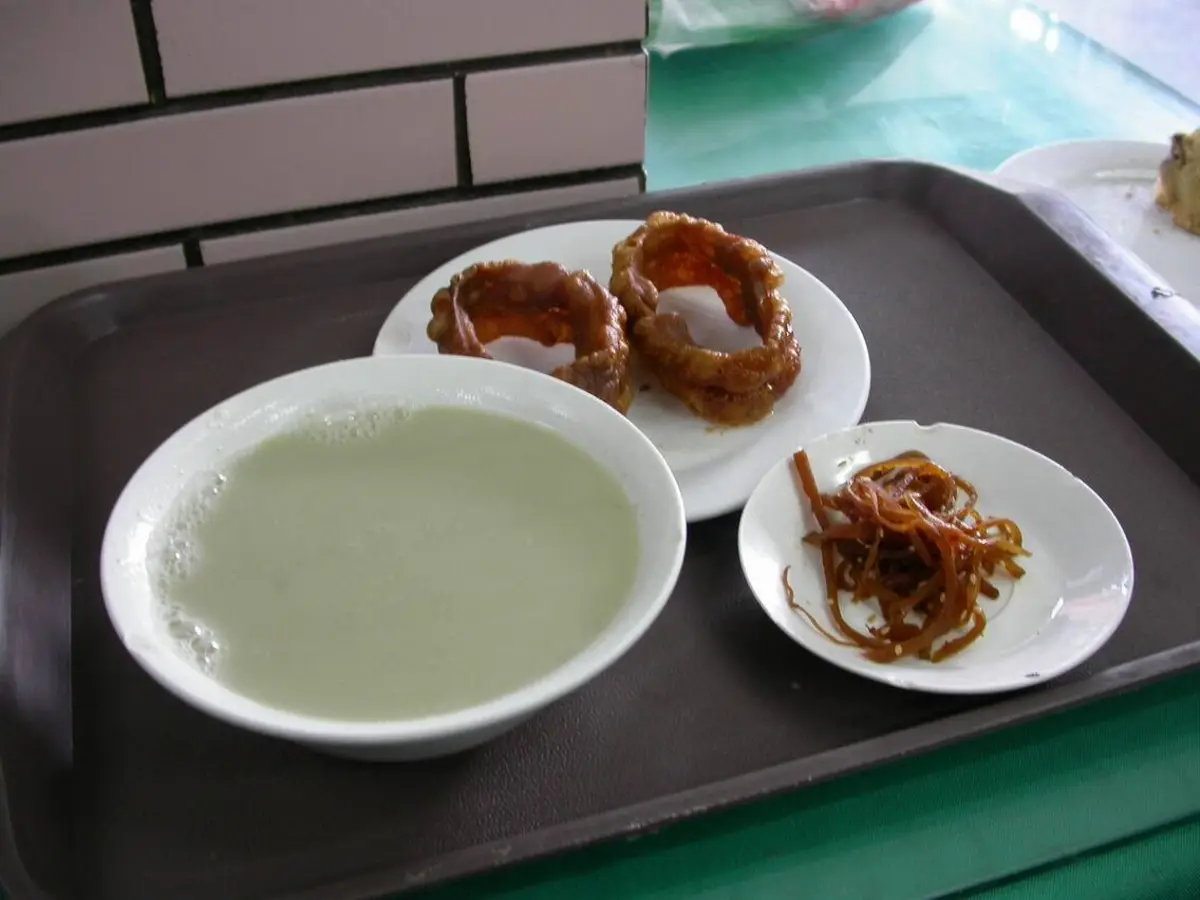
This guide is not about forcing yourself to like it. It is about tasting douzhi in the right context: with jiaoquan, pickled vegetables, small sips, and realistic expectations. For the full background, start with Douzhi in Beijing; this page focuses on how to drink it without being surprised.
Douzhi is made from fermented mung bean liquid, so its flavor is sour, grainy, and lightly funky. It is not sweet. It is not smooth like modern bottled drinks. It can smell stronger than it tastes, and the first sip is usually the hardest one.
The best way to describe it is sour grain broth with a fermented edge. Some bowls taste gentler, especially when served warm and fresh. Others taste sharper. Temperature, shop style, and your own expectations make a large difference.
The biggest mistake is expecting douzhi to behave like soy milk. Soy milk is creamy and mild; douzhi is thinner, sourer, and more fermented. If you compare them directly, douzhi will feel wrong. If you treat douzhi as an old Beijing fermented drink served with fried and pickled sides, it becomes easier to understand.
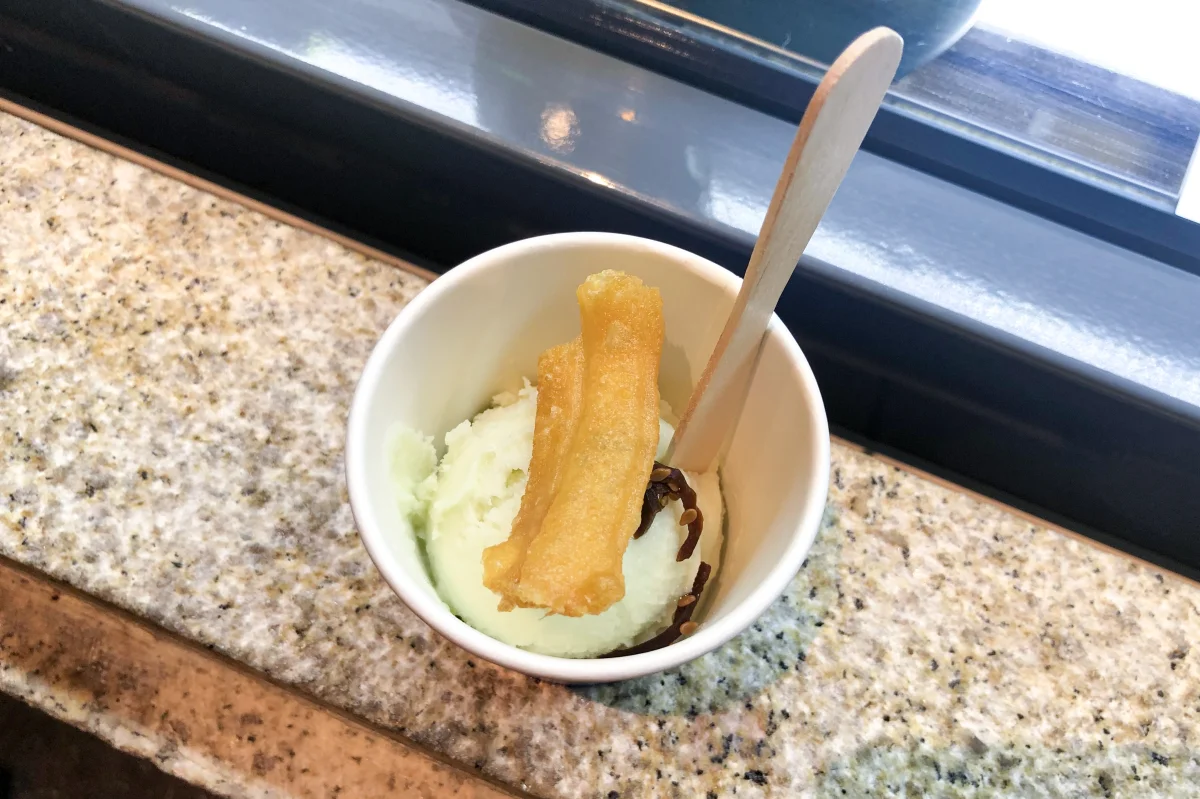
It also should not be judged like a dessert drink. Even modern douzhi-flavored products can play with the idea of the flavor, but traditional douzhi belongs to the breakfast snack-shop table, not the sweet-drink category.
Jiaoquan is not just a side dish. The crisp fried ring gives douzhi a texture partner. The drink is sour and soft; jiaoquan is dry, crisp, and oily in a small amount. The combination makes the bowl easier to approach.
Take a small sip of douzhi, then a bite of jiaoquan. Add a little pickle between sips. This rhythm matters. Drinking a whole bowl straight through can make the sourness feel too direct. Eating it as a set makes the experience more balanced.
Pickled vegetables are another part of the classic table. They bring salt, sharpness, and crunch. That sounds simple, but it changes the whole drink. A small bite of pickle after a sip can reset your palate and make the next sip less shocking.
If the shop offers pickles, do not ignore them. They are not decoration. They are part of how locals often make the fermented flavor work.
At traditional snack shops, douzhi is usually ordered by bowl. If you are new to it, order one bowl to share rather than several bowls at once. Add jiaoquan and pickles. If you are also trying other breakfast foods, keep douzhi as the tasting item, not the only thing you eat.
Douzhi is often easier to understand when warm. Warmth softens the sharpness and makes the grain character clearer. If it is too cool, the sour aroma can feel more prominent. Shops vary, so do not assume every bowl will taste identical.
If your first bowl tastes too strong, it may be the style or temperature, not only the drink itself. This is one reason douzhi has such divided opinions: small differences in serving condition can change the experience.
People who enjoy fermented foods, sour flavors, pickles, yogurt-like tang, or old-school breakfast foods have a better chance of appreciating douzhi. People who dislike sour smells or expect a sweet drink may struggle.
That does not mean douzhi is only for locals. It means visitors should approach it as a cultural taste rather than as a guaranteed crowd-pleaser. You are tasting a piece of Beijing breakfast history, not ordering a universal comfort drink.
You do not need to finish the bowl to understand douzhi. A few careful sips with jiaoquan and pickles can teach you the flavor. If you enjoy it, keep going. If you do not, you still learned something useful about Beijing food culture.
For food travelers, that is enough. Not every important local food has to become a personal favorite. Some dishes are valuable because they explain a city's habits, memories, and stubborn preferences.
Douzhi sits at the old Beijing end of the breakfast spectrum. Jianbing is easier and more immediately friendly. Youtiao is familiar across China. Douzhi and jiaoquan are more specific, more challenging, and more revealing.
A good breakfast route might start with something easy, then move to douzhi as the tasting stop. Or you can visit a traditional snack shop and order a small spread: douzhi, jiaoquan, pickles, and one or two gentler snacks. That gives you context instead of forcing the drink to carry the whole meal.
The first mistake is smelling the bowl for too long before tasting. Douzhi's aroma can be more intimidating than the sip. The second mistake is drinking it alone without jiaoquan or pickles. The third mistake is expecting to love it immediately.
The better approach is simple: sip, bite, reset. Sip douzhi, bite jiaoquan, take a little pickle, and repeat. If the flavor begins to make sense after a few rounds, you are experiencing the drink as intended.
Try douzhi when you are curious, not when you need a safe breakfast. Order it with jiaoquan and pickles. Keep your first portion small. Let the flavor be sour, fermented, and old-fashioned. Whether you love it or not, you will understand Beijing breakfast better afterward.
One modern douzhi-flavored product photo in this article is from Wikimedia Commons: Douzhir-flavoured ice cream at Heping Guoju.
Comments (0)