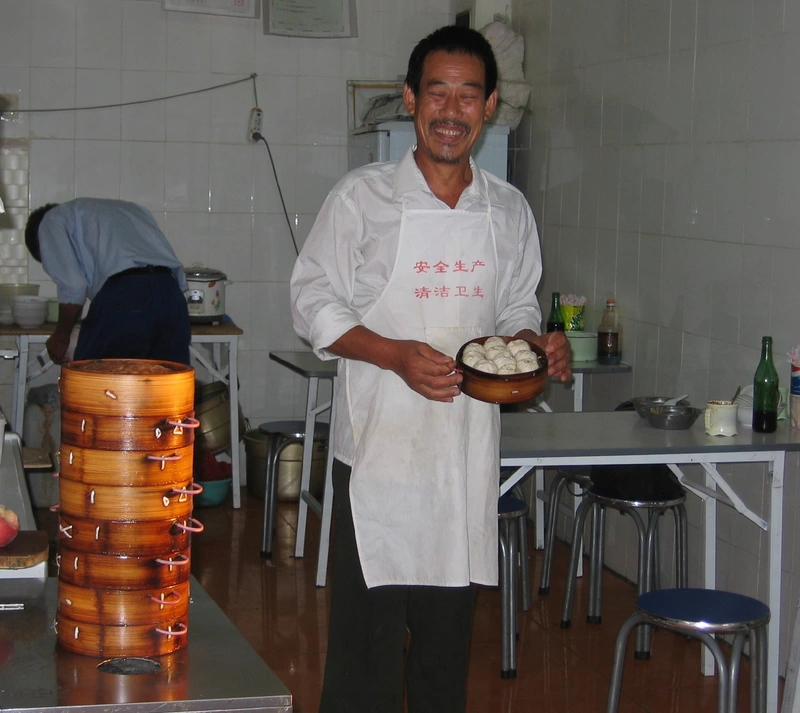
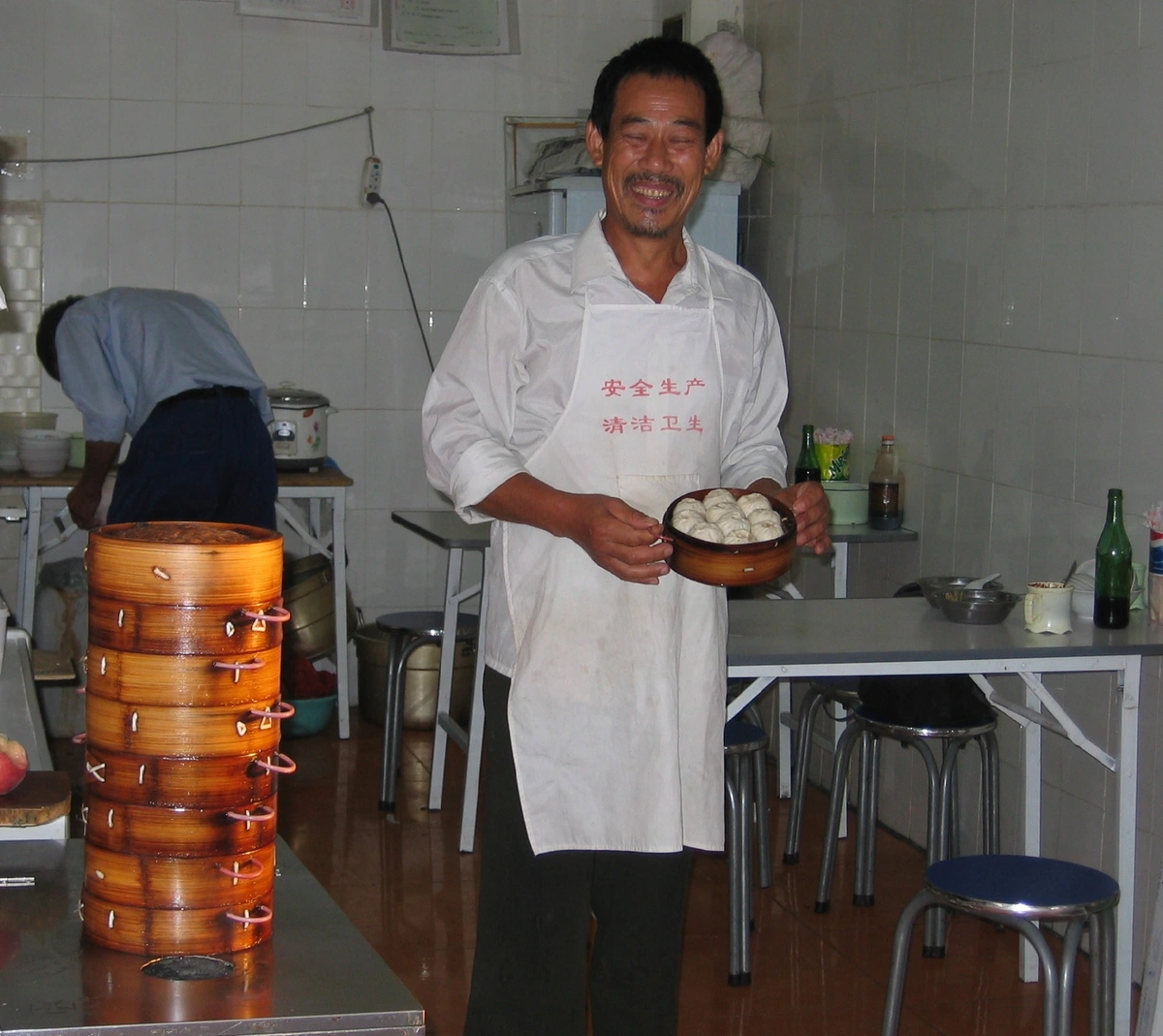
Baozi are not a rare Beijing specialty, and that is exactly why they matter. They are everyday food: steamed buns filled with meat, vegetables, or mixed fillings, sold from breakfast shops, neighborhood counters, small restaurants, and sometimes from windows that move hundreds of buns during the morning rush.
For visitors, baozi are useful because they are easy to recognize, filling without being complicated, and a good way to understand Beijing breakfast beyond famous items such as jianbing, douzhi, and youtiao. This guide focuses on how to order them well.
What Baozi Are
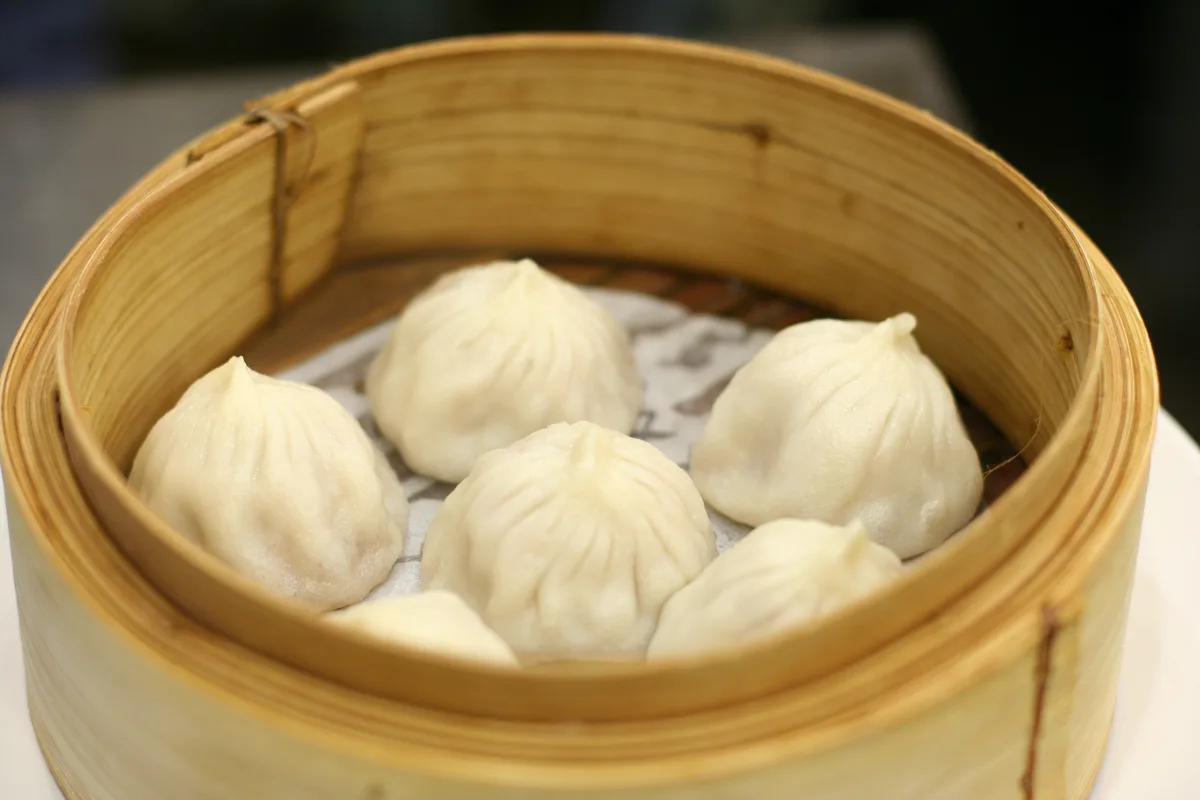
Baozi are steamed leavened buns with filling inside. The dough should be soft and slightly springy, not dry or dense. The filling may be pork, beef, lamb, cabbage, chive, egg, mushroom, tofu skin, or mixed vegetables. The exact options depend on the shop.
In Beijing, baozi are usually treated as practical breakfast or quick-meal food rather than a formal dish. A person might order two or three buns with soy milk, millet porridge, tofu pudding, tea eggs, or a simple bowl of soup. The meal is fast, warm, and built around routine.
Common Fillings
Pork and cabbage is one of the easiest fillings for first-time visitors because it is savory, moist, and familiar. Chive and egg is common for people who want a lighter vegetable-egg option. Beef or lamb fillings can be richer and more aromatic, especially in northern-style shops.
Vegetable fillings vary widely. Some are clean and mild; others are strongly seasoned with scallion, ginger, sesame oil, or soy sauce. If you are unsure, ask what is most popular at that shop. In a busy breakfast place, the popular filling usually has the best turnover.
Big Baozi and Small Baozi
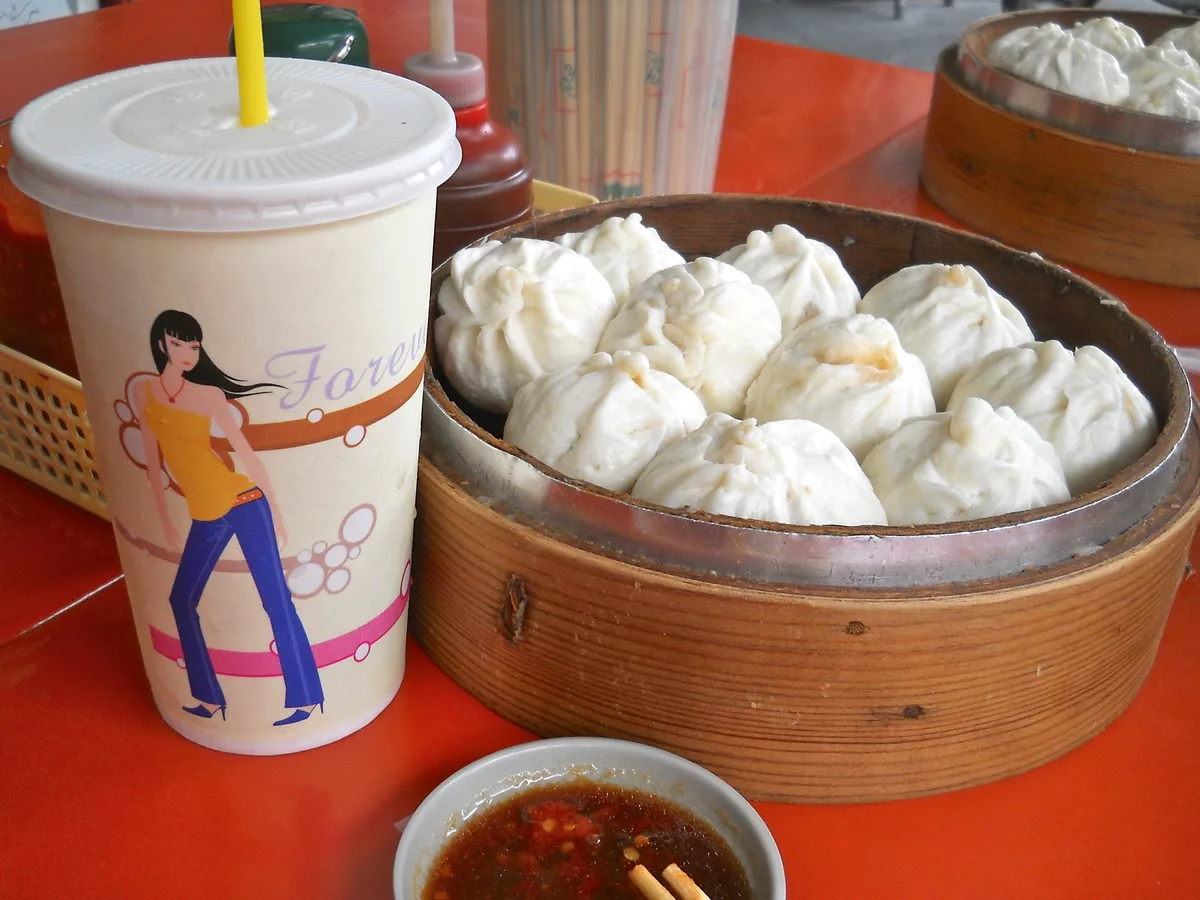
Size matters. Large baozi can be a full breakfast by themselves, especially with a drink. Smaller buns let you try multiple fillings. Some shops sell small steamed buns by basket or by piece, while others sell larger single buns from a counter.
If you are tasting for the first time, order one meat filling and one vegetable filling. This gives you a better sense of the shop than ordering several of the same bun. It also helps balance richness.
How to Judge Freshness
Fresh baozi should feel hot and soft, with steam still trapped in the dough. The surface should not look dried out or cracked. A bun that has sat too long may feel tough at the edges, and the filling can become dull or greasy.
Turnover is the most important sign. Look for a shop that keeps opening the steamer, replenishing trays, and selling steadily. A line is useful, but a fast-moving line is better than a long line caused by slow service.
Where to Eat Baozi in Beijing
The most reliable places are neighborhood breakfast shops, small steamed-bun counters, and local chains focused on morning food. Residential areas often have better practical options than tourist streets because locals buy breakfast there repeatedly.
Do not judge only by decoration. A simple shop with hot steamers and steady customers can be better than a polished place where the buns are sitting too long. Baozi are about heat, dough texture, and filling balance more than presentation.
What to Order With Baozi
Baozi work well with soy milk, millet porridge, tofu pudding, tea eggs, or simple soup. If the filling is rich, choose a lighter drink or porridge. If the bun is vegetable-based, a tea egg or savory tofu pudding can make the meal more complete.
Compared with jianbing, baozi are less fragile. You can carry them for a short time, but they are still best hot. Once steam condenses in a bag, the dough can turn wet and heavy.
How to Eat Baozi Without Burning Yourself
Be careful with the first bite. Fresh baozi can trap very hot steam and liquid inside. Open a small edge first, let steam escape, then eat slowly. This is especially important for juicy meat fillings.
If sauce or vinegar is available, use it lightly. Good baozi should not need heavy sauce. A little vinegar can cut richness, but too much will hide the filling.
Baozi, Bao, and Dumplings
Visitors sometimes group baozi with dumplings, but they are different foods. Baozi use soft steamed dough and contain the filling inside a bun. Dumplings usually have thinner wrappers and may be boiled, steamed, or pan-fried. The eating situation is also different: baozi are commonly breakfast or quick food, while dumplings are often a meal or shared plate.
It is also worth noting that baozi are not unique to Beijing. What makes them useful here is their place in the local morning routine. They help complete the picture of Beijing breakfast alongside fried dough, tofu pudding, jianbing, douzhi, and snack-shop foods.
Common Ordering Mistakes
The first mistake is ordering too many rich meat buns at once. They are filling, and the dough expands the meal quickly. Start smaller if you also want to try other breakfast foods.
The second mistake is buying buns that are only warm, not hot. A baozi that has cooled down loses much of its appeal. If you can, choose a place where the steamer is active and the buns are moving quickly.
Bottom Line
Baozi are one of the most practical ways to eat breakfast in Beijing. Choose a busy morning shop, try both meat and vegetable fillings, eat them hot, and pair them with a simple drink or bowl. They may not be as dramatic as Peking duck or as challenging as douzhi, but they explain daily Beijing food habits very well.
Image Credits: Baozi photos include locally hosted site images and Wikimedia Commons file pages: Baozi - Beijing.jpg, Breakfast of champions - baozi, and Steamed pork buns.
Comments (0)