Chaogan Texture Guide: Garlic Gravy, Pork Liver, Intestine, and the First Bite in Beijing
A focused guide to Beijing chaogan texture, explaining the thick garlic gravy, pork liver, intestine, baozi pairing, and first-timer tasting tips.
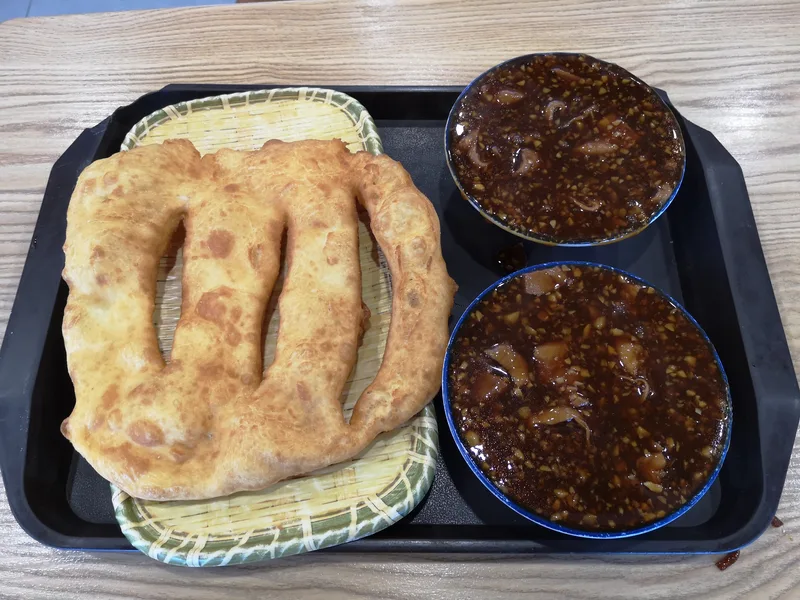
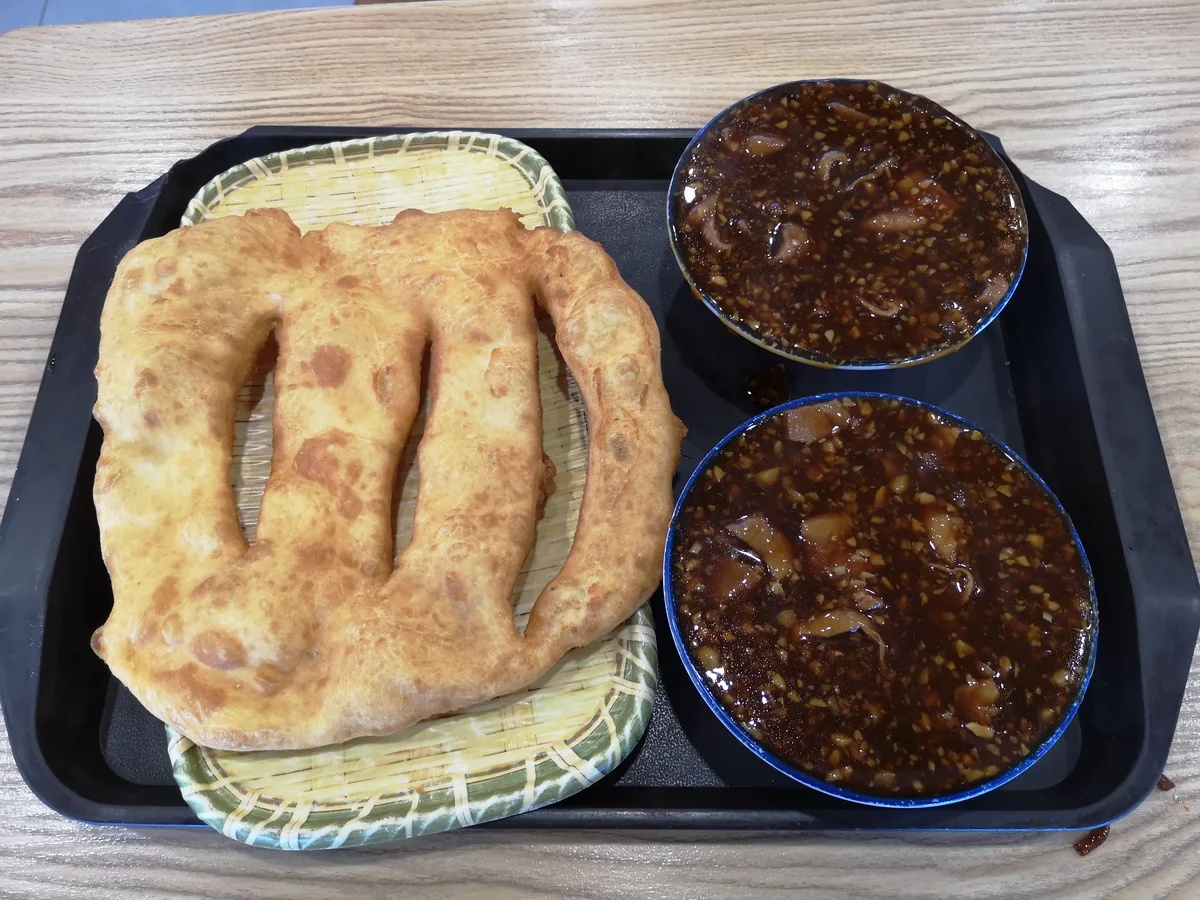
A practical guide to Beijing chaogan, explaining the garlic-heavy pork liver and intestine breakfast stew, how it tastes, what to pair with it, and how to order.
Chaogan is one of the Beijing breakfast foods that can confuse visitors before they take the first bite. The Chinese name is often translated as "stir-fried liver," but the dish is not a dry stir-fry. In a Beijing breakfast shop, chaogan is a thick, glossy, garlic-heavy bowl made with pork liver, pork intestine, and a starch-thickened brown broth.
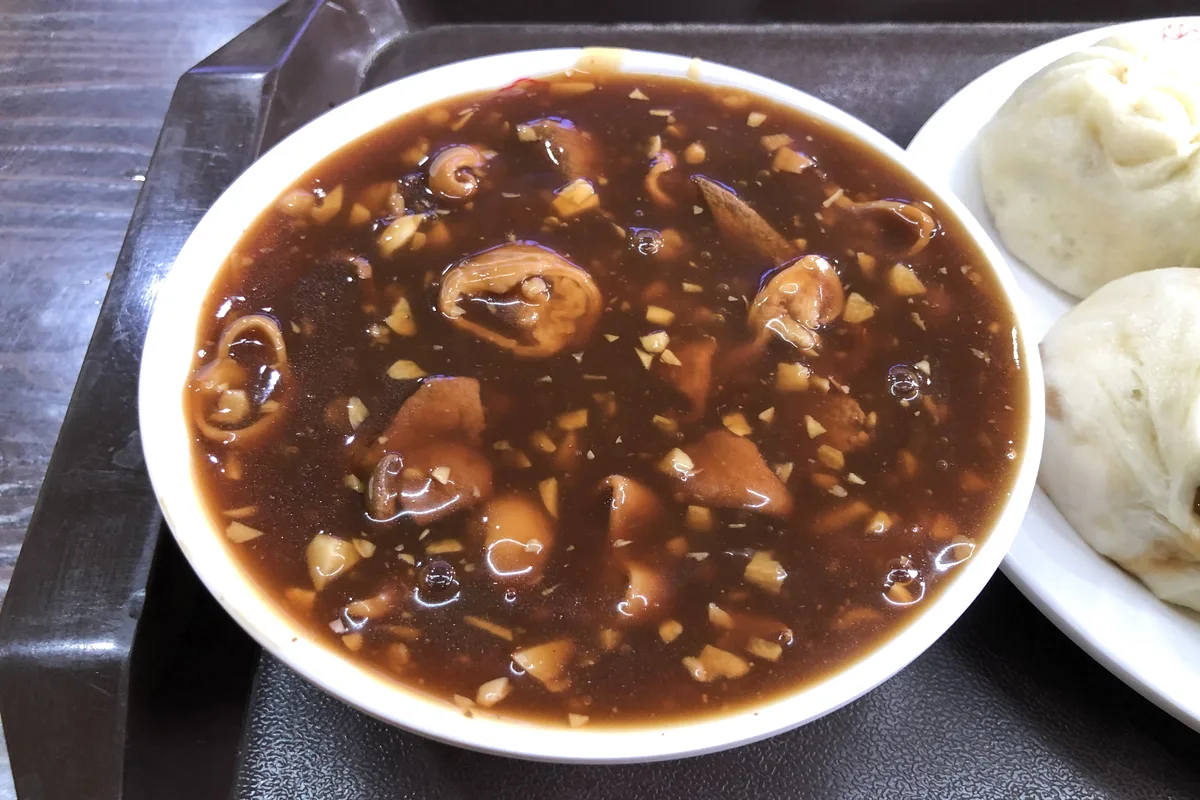
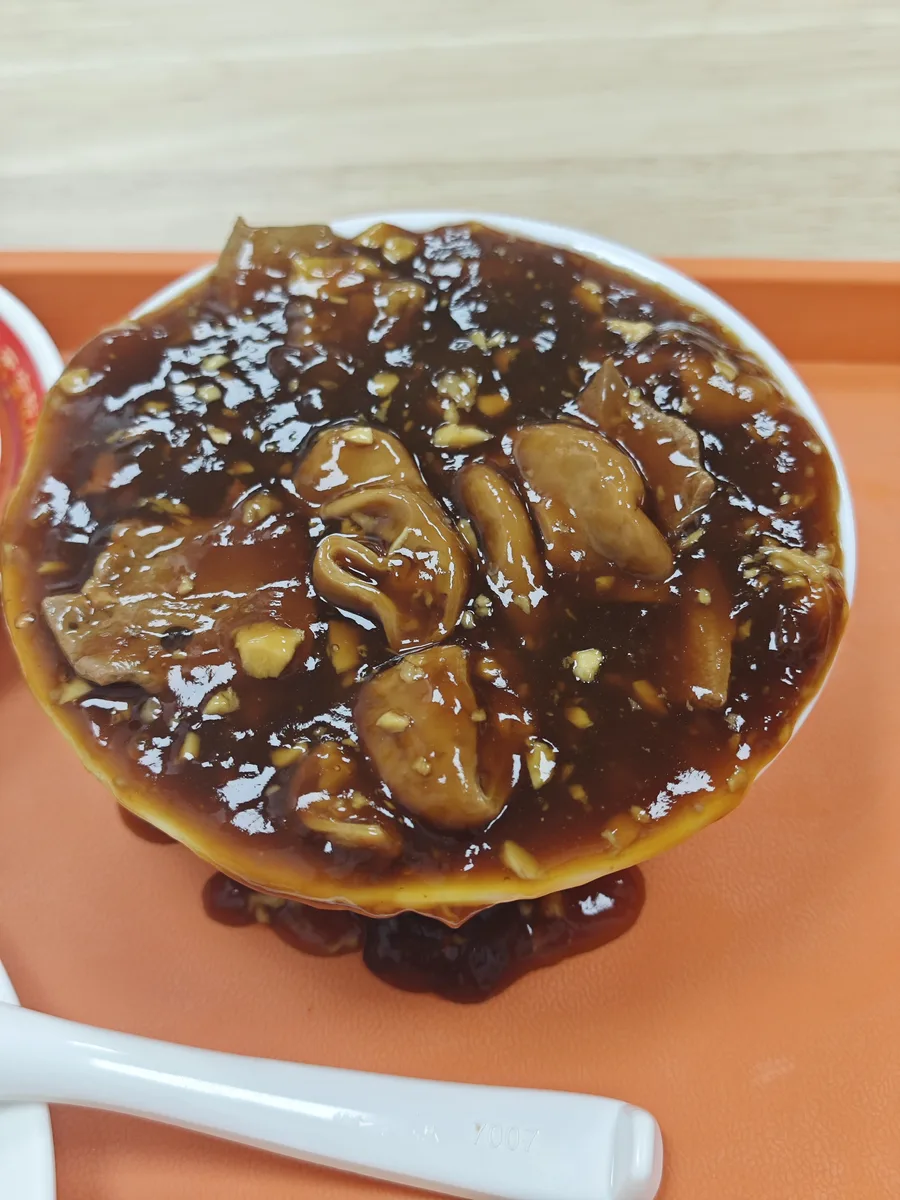
It belongs to the same morning world as baozi, fried dough, tofu pudding, soy milk, and douzhi. It is stronger than most of those foods, but it also shows why Beijing breakfast is not only sweet or simple. Some local breakfasts are savory, garlicky, and built for people who like offal texture.
Chaogan usually combines slices of pork liver with sections of pork intestine in a dark, thick broth. Garlic is central, not decorative. The broth is glossy from starch thickening, and the surface often shows chopped garlic and oil. The texture can be silky, slippery, and slightly chewy, depending on the balance of liver and intestine.
The dish is served hot in a bowl. It is eaten with a spoon, with chopsticks, or by lifting the bowl carefully and sipping from the edge. Because the broth is thick, it holds heat well, so the first few bites should be slow.
The word chaogan can make people expect a wok-fried plate. That expectation leads to disappointment if you are looking for dry slices of liver. Think of it instead as a Beijing breakfast stew or thick soup. The flavor is closer to soy-brown gravy, garlic, pork offal, and starch-thickened broth than to a stir-fry.
This is also why chaogan appears in breakfast shops rather than only in formal restaurants. It is warm, filling, and fast to serve. A large pot or prepared batch can move many bowls during the morning rush.
The first flavor is usually garlic, followed by a salty, savory broth. The liver should be tender rather than chalky. The intestine should be clean-tasting and chewy, not harsh. A good bowl has enough garlic to make the flavor vivid without covering stale offal.
Chaogan is not a neutral beginner food. If you dislike offal, it may not change your mind. If you are open to liver, intestine, and strong breakfast flavors, it can be one of the most memorable bowls in Beijing food culture.
The classic supporting order is something plain and starchy. Baozi are especially useful because the soft dough balances the garlic-heavy broth. Some people pair chaogan with youbing or other fried bread. A sesame shaobing can also work if you want a toasted wheat flavor next to the bowl.
Do not pair chaogan with too many other intense foods on the first try. If you also order douzhi, pickles, and fried rings, the meal can become too sharp and heavy. One bowl plus one bread or bun is a better starting point.
In many breakfast shops, chaogan is ordered by bowl. You can point to the pot or to another customer's bowl if the menu is only in Chinese. If the shop also sells baozi, order the buns first or at the same counter, because the two are often eaten together.
Eat it while hot. Once chaogan cools, the starch-thickened texture becomes heavier and the garlic can feel sharper. If you are sharing, use clean spoons or small bowls rather than dipping directly with many chopsticks.
Look for a glossy but not gluey broth. The color should be deep brown, and the garlic should smell fresh. The liver should not crumble into dry pieces. The intestine should be cut cleanly and should not dominate the entire bowl.
A busy morning shop is often the best sign. Chaogan benefits from turnover because the ingredients stay hot and the broth is served at the right thickness. A quiet bowl sitting too long can become dense and less pleasant.
Try chaogan if you enjoy liver, tripe, intestine, blood sausage, or other offal dishes. It is also worth trying if you want to understand Beijing breakfast beyond jianbing and soy milk. The dish tells a more local story about breakfast shops, frugal ingredients, and strong savory flavors.
Skip it if you are sensitive to garlic in the morning, avoid pork, or dislike thick textures. There is no need to force it. Beijing breakfast has many other choices, including baozi, jianbing, shaobing, tofu pudding, millet porridge, and noodles.
The first mistake is expecting a light soup. Chaogan is thick and filling. The second is judging it only by appearance. It may look heavy, but a well-made bowl should have clean seasoning and a balanced garlic aroma.
The third mistake is ordering too much around it. Because the bowl is rich, keep the rest of the meal simple. A few baozi or one piece of bread is usually enough.
Chaogan is not the safest Beijing breakfast for every traveler, but it is one of the most distinctive. Treat it as a hot, garlic-heavy pork offal stew, pair it with plain bread or buns, and try it in a busy breakfast shop where turnover keeps the bowl fresh.
Image Credits: Chaogan photos from Wikimedia Commons file pages: Beijing traditional breakfast Chaogan Youbing, Chaoganr at Miaojiapo Restaurant, and a bowl of chaogan.
Comments (0)