Beijing Jiaoquan Guide: The Crispy Fried Ring Paired With Douzhi
A practical guide to Beijing jiaoquan, the crispy fried ring paired with douzhi, covering texture, taste, ordering tips, snack-shop culture, and how it differs from youtiao.
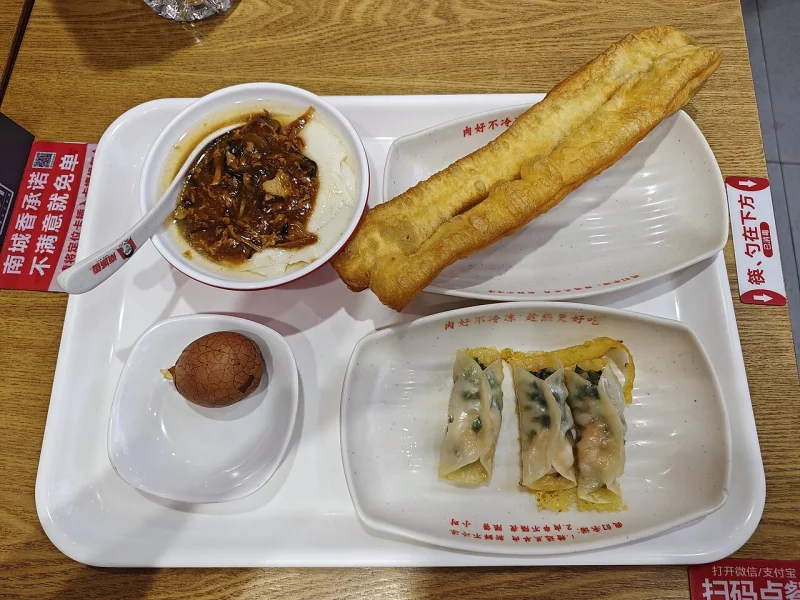
A practical comparison of Beijing doufunao, douzhi, soy milk, and laodoufu, explaining texture, flavor, toppings, pairings, and how to order the right soy-based breakfast.
Beijing breakfast has several soy-based dishes that can look confusing at first glance. Doufunao, douzhi, soy milk, and laodoufu all begin from beans, but they eat very differently. One is a soft tofu pudding with savory gravy. One is a sour fermented mung bean drink. One is smooth drinkable soy milk. One is a firmer tofu bowl with heavier condiments.
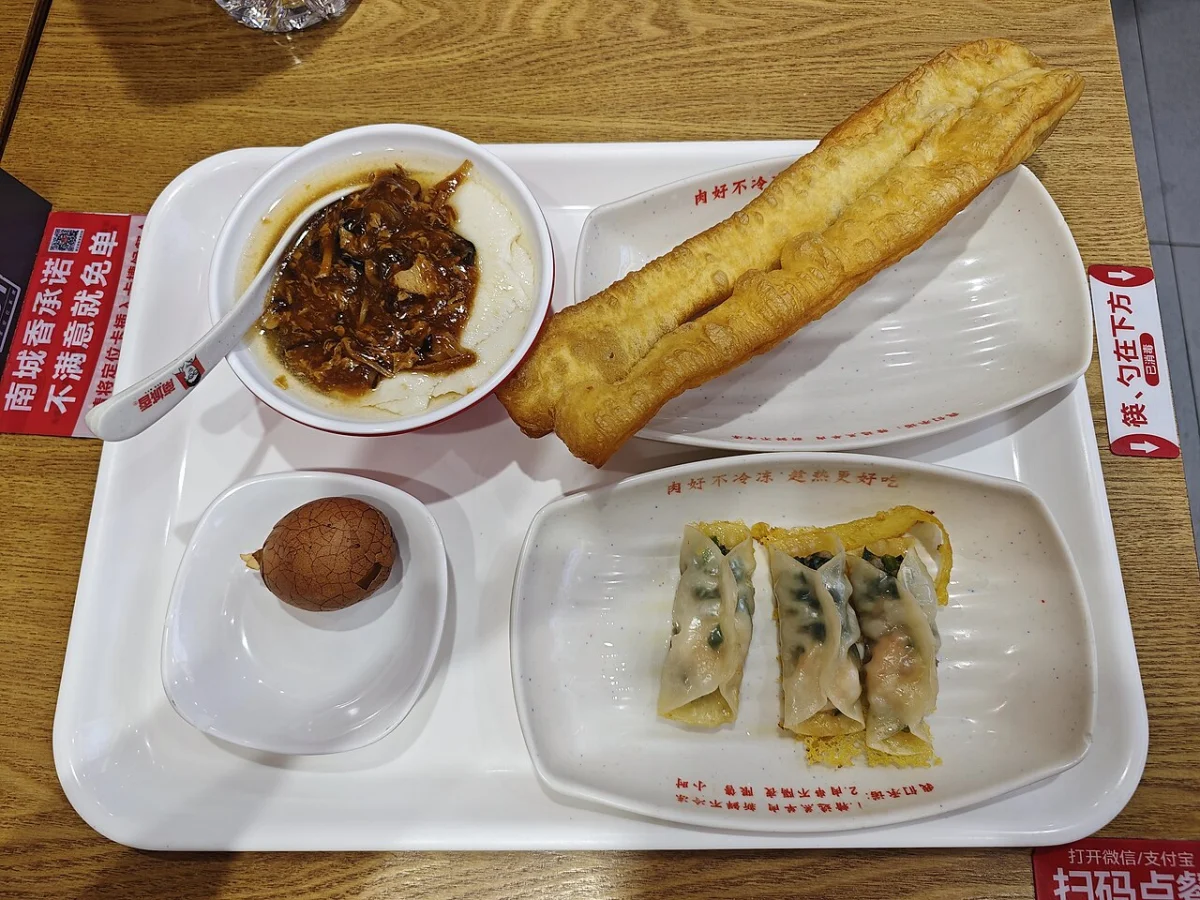
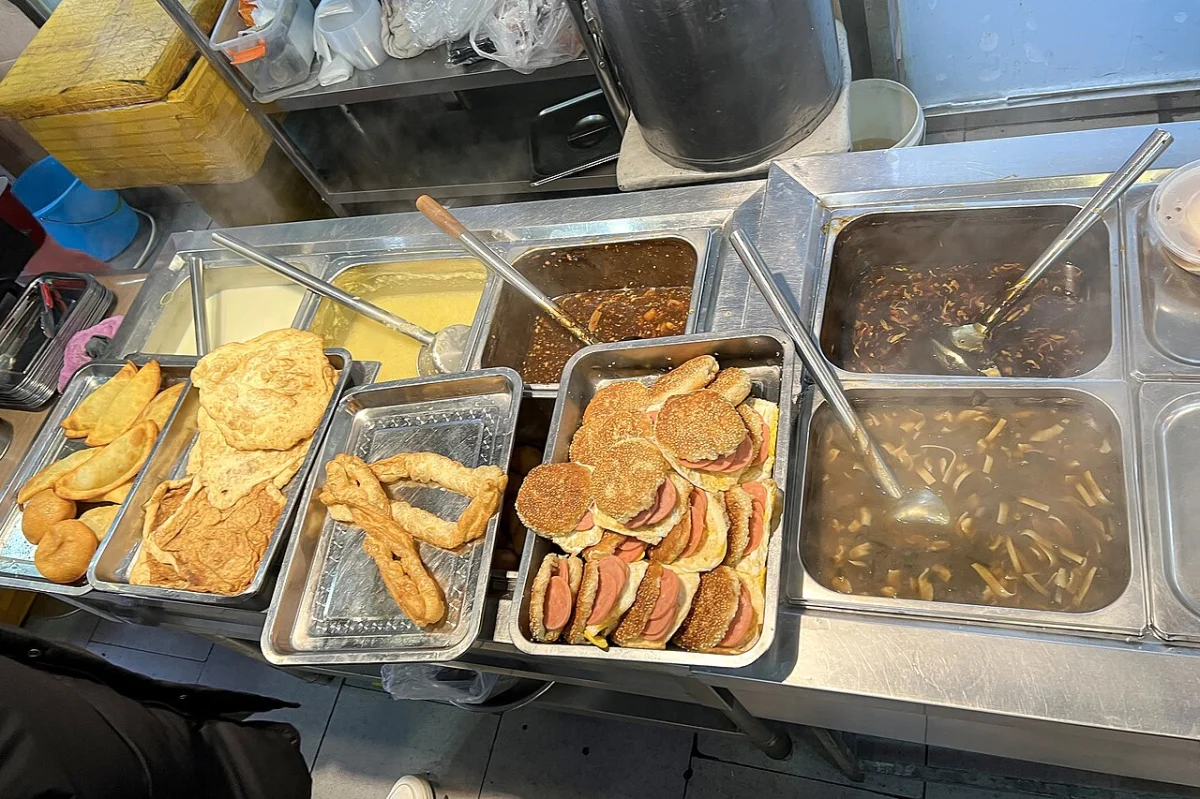
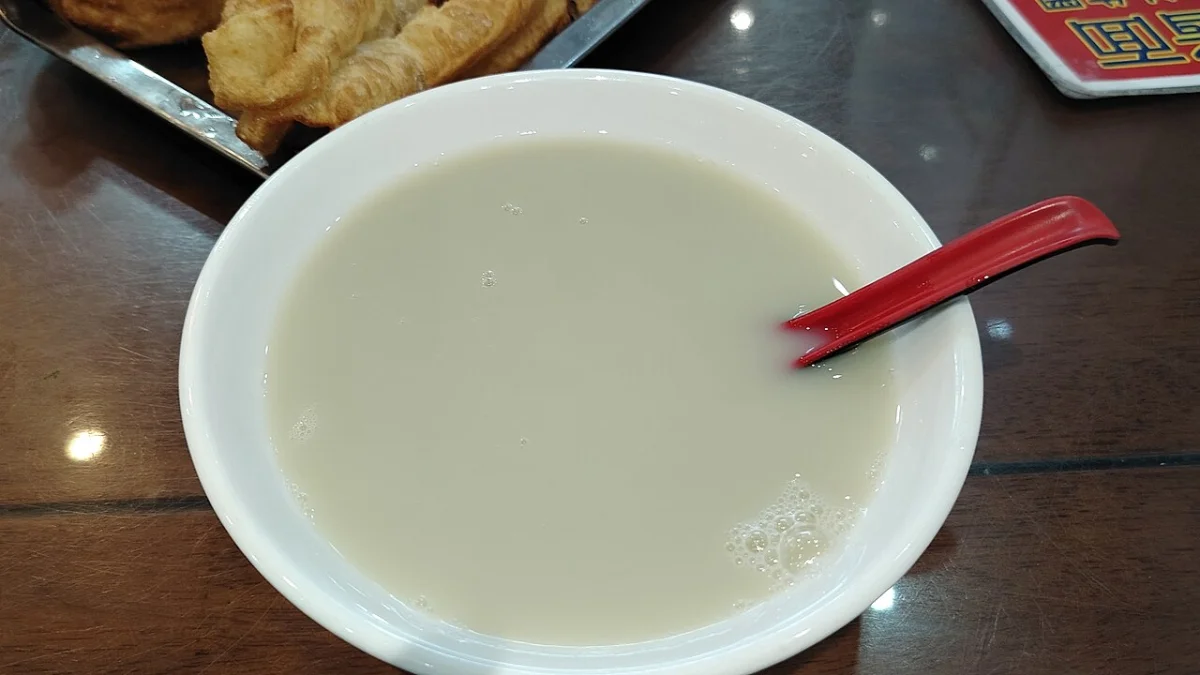

This guide explains the differences in plain terms, so you can order the right bowl or cup in a Beijing breakfast shop. For the single-dish introduction, start with the main Beijing doufunao guide. For the sharper old-Beijing flavor, read the douzhi guide.
Doufunao is soft tofu pudding with warm savory gravy. It is eaten with a spoon. Douzhi is a sour fermented mung bean drink, usually served with jiaoquan and pickles. Soy milk is a drink made from soybeans, usually mild and easy for first-timers. Laodoufu is firmer than doufunao and often seasoned with stronger sauces or condiments.
If you want the easiest first bowl, choose doufunao. If you want the most famous old-Beijing challenge, choose douzhi. If you want something safe with youtiao, choose soy milk. If you like tofu texture and bold condiments, look for laodoufu.
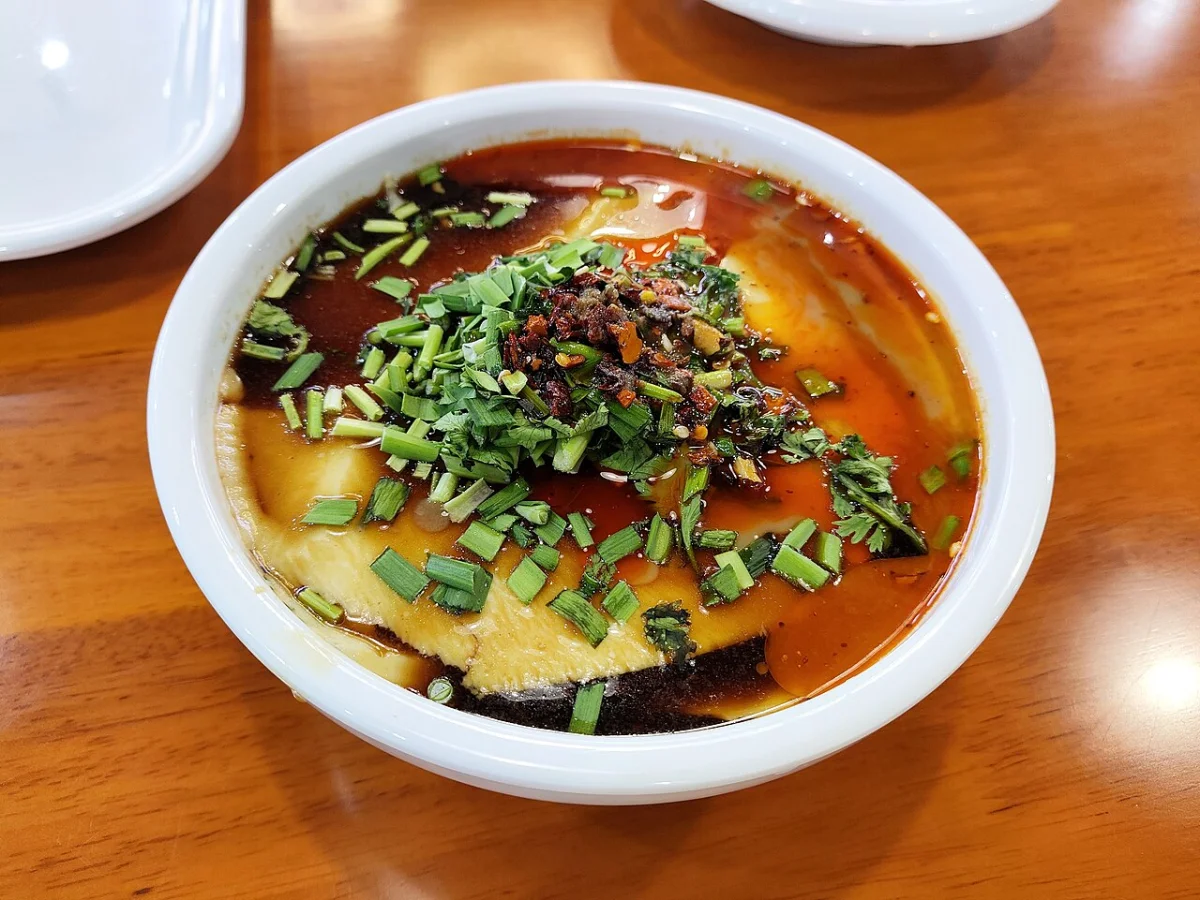
Doufunao is built around a very soft tofu curd. The texture is delicate, almost custard-like, and the gravy gives the flavor. Beijing breakfast shops often serve it hot, with a brown or amber sauce that may include mushroom, daylily, wood ear, egg, soy sauce, starch-thickened broth, or a meat-based gravy in some halal shops.
The important point is that doufunao is not mainly a drink. You eat it with a spoon, and the pleasure comes from the contrast between soft tofu and warm sauce. It pairs well with youtiao, tea egg, baozi, or a small sesame shaobing.
Douzhi is not soy milk and not tofu pudding. It is traditionally made from mung bean byproduct liquid, then fermented. The result is thin, pale green-gray, and sour. Many Beijing locals treat it as a heritage breakfast flavor, while many visitors need more than one try to understand it.
Douzhi is usually not eaten alone. It works with crisp jiaoquan and salty pickled vegetables. The fried ring gives crunch and oil, the pickles add salt and acidity, and the douzhi brings the sour fermented base. If you are curious but cautious, order a small serving and share it first.
Soy milk, or doujiang, is the easiest comparison point. It is smooth, drinkable, and much milder than douzhi. In northern breakfast shops it is often paired with youtiao, baozi, pancakes, or eggs. It can be served hot or sometimes sweetened, depending on the shop.
For first-time visitors, soy milk is a safe choice when the menu feels overwhelming. It gives the warmth and bean aroma of a Beijing breakfast without the sourness of douzhi or the spoonable texture of doufunao.
Laodoufu is often confused with doufunao because both are soft tofu dishes. The distinction is not always identical from shop to shop, but a useful rule is this: doufunao is softer and usually covered with a poured gravy, while laodoufu is firmer and more condiment-driven.
Laodoufu may involve sauces such as sesame paste, fermented tofu, chive flower sauce, soy sauce, vinegar, chili oil, or garlic. It feels more like a seasoned tofu bowl. Doufunao feels more like soft tofu under hot gravy. If you are ordering in a busy breakfast shop, ask for the dish by name rather than assuming they are interchangeable.
This texture difference matters more than the English translation. “Tofu pudding,” “bean curd,” and “soy milk” can blur together on translated menus, but in the bowl they are completely different foods.
Doufunao is savory and warm. It should taste gentle first, then deeper as the gravy mixes into the tofu. Douzhi is sour, fermented, and more polarizing. Soy milk is mild and slightly nutty. Laodoufu is usually bolder because the condiments carry more of the flavor.
If you dislike sour drinks, do not start with douzhi. If you dislike very soft textures, order soy milk or a wheat-based breakfast instead. If you like savory custards, tofu, or egg-drop soup, doufunao is likely the best first choice.
Doufunao works best with foods that add chew or crunch: youtiao, shaobing, baozi, or a tea egg. Douzhi works best with jiaoquan and pickles. Soy milk works with almost anything in a breakfast shop. Laodoufu can stand on its own or sit beside wheat snacks.
For a balanced Beijing breakfast, a practical order might be doufunao plus youtiao, or soy milk plus baozi. If you are exploring old-Beijing flavors, try douzhi with jiaoquan after you already understand the gentler dishes.
Use the Chinese names if possible: doufunao, douzhi, doujiang, laodoufu. If the shop has a picture menu, look carefully at the surface. Doufunao usually looks like white tofu under brown gravy. Douzhi looks like a pale liquid drink. Soy milk looks smoother and lighter. Laodoufu may show more visible condiments or a firmer tofu body.
If you are not sure, point and ask whether it is “xian de” (savory) or “suan de” (sour). That one question often separates doufunao from douzhi immediately.
Start with doufunao if you want a local breakfast that is still approachable. Move to douzhi if you want the famous acquired taste. Choose soy milk if you simply want a warm drink. Try laodoufu when you want a stronger tofu-and-condiment bowl.
The value of comparing them is not to rank them. It is to understand how Beijing breakfast uses bean-based foods in different ways: drink, pudding, fermented beverage, and seasoned tofu bowl. Once you see that, the morning menu becomes much easier to read.
Food background was checked against Beijing municipal tourism pages and licensed Wikimedia Commons image records. External links are provided for attribution and verification only.
Comments (0)