Chaogan Texture Guide: Garlic Gravy, Pork Liver, Intestine, and the First Bite in Beijing
A focused guide to Beijing chaogan texture, explaining the thick garlic gravy, pork liver, intestine, baozi pairing, and first-timer tasting tips.
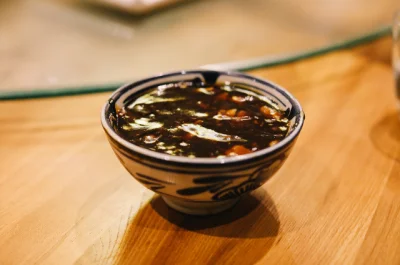
A focused guide to the name and eating logic of Beijing chaogan, explaining why “fried liver” is actually a thick garlic liver-and-intestine stew and how it fits breakfast culture.
Chaogan is often translated as “fried liver,” but that translation can confuse first-time visitors. The bowl is not a dry stir-fry. It is a thick, glossy Beijing breakfast stew made with pork liver, pork intestine, garlic, and a starch-thickened broth. The name is old, the texture is distinctive, and the best way to understand it is through Beijing breakfast-shop culture.
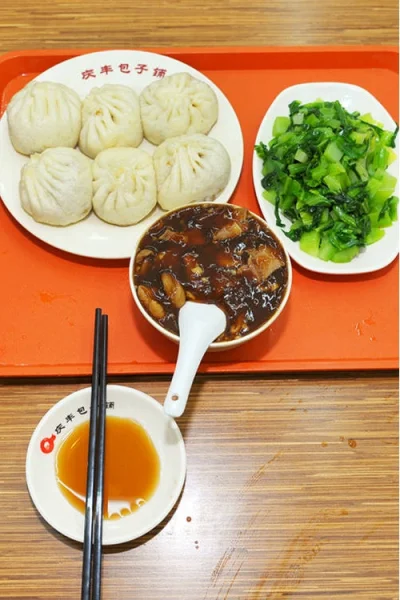
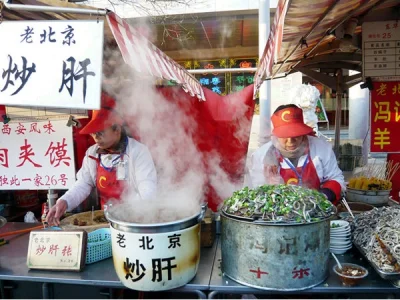
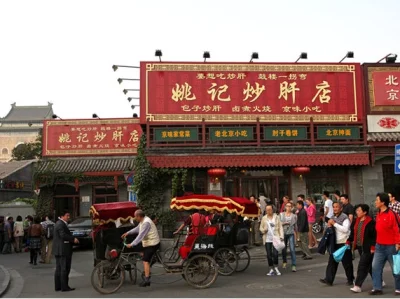
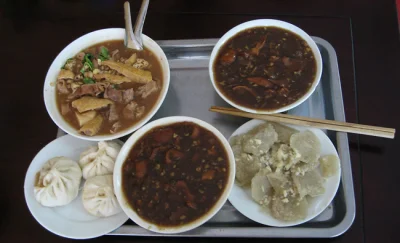
This guide explains why the name feels misleading, what is actually in the bowl, and how chaogan fits with baozi, garlic, and morning snack-shop habits. If you need the basic dish overview first, read the main chaogan guide. For the mouthfeel, use the chaogan texture guide.
The Chinese name 炒肝 is usually rendered as “fried liver” because 炒 often means stir-fry and 肝 means liver. In the bowl, however, the visible experience is not stir-fried liver on a plate. It is a hot, spoonable gravy with sliced liver and intestine suspended in a garlic-heavy broth.
For visitors, this matters because expectations shape the first bite. If you expect a dry stir-fry, chaogan will seem strange. If you expect a thick breakfast stew with offal and garlic, the bowl makes much more sense.
Chaogan is built around pork liver, pork intestine, garlic, and a dark, glossy broth thickened with starch. The liver gives a soft, mineral note. The intestine gives chew and old Beijing offal character. Garlic is not a background seasoning; it is one of the defining aromas of the dish.
The broth should cling lightly to the spoon or chopsticks. It should not be watery, but it should also not feel like a heavy paste. A good bowl has enough body to carry the offal, while still tasting like breakfast rather than a full dinner stew.
Chaogan is strongly associated with Beijing breakfast shops because it is warm, filling, fast to serve, and easy to pair with wheat staples. It is not a delicate morning food. It is practical, garlicky, and built for people who want something substantial early in the day.
The classic partner is baozi. The steamed bun absorbs the gravy, softens the garlic edge, and gives the bowl a cleaner rhythm. That is why many local orders feel incomplete without a small plate or basket of buns nearby.
Do not treat chaogan like soup. The gravy is meant to be thick. Take small bites, let the garlic aroma arrive first, and alternate with baozi or another wheat staple. If the bowl feels too intense, the problem is often pacing rather than the dish itself.
Some diners use a spoon; others use chopsticks to lift pieces of liver and intestine through the gravy. Either is fine. What matters is keeping the bowl hot and eating it before the starch-thickened texture cools and tightens.
Chaogan is not as instantly approachable as jianbing or baozi. The garlic is strong, the texture is thick, and the offal flavor is part of the point. First-timers should order one bowl to share or pair it with familiar buns rather than making it the only item on the table.
If you are choosing between Beijing breakfast dishes, compare it with chaogan vs douzhi. Douzhi challenges people with fermentation and sourness; chaogan challenges people with garlic, gravy, and offal texture.
The name “fried liver” is useful precisely because it shows how literal translation can hide local food logic. Beijing snack-shop dishes often carry old names, inherited preparation habits, and textures that do not match modern menu expectations. Chaogan is a good example: the English name points to liver, but the real dish is about garlic gravy, intestine, starch, and breakfast pairing.
For more practical context, browse the Chaogan topic, the Beijing Breakfast topic, and the Beijing Food Culture topic.
Background and image references checked against Beijing Municipal Government dining information, Visit Beijing chaogan listing, and Visit Beijing old Beijing snack information.
Comments (0)