Doufunao Toppings and Pairings Guide: How to Order Beijing Savory Tofu Pudding
A practical guide to Beijing doufunao toppings, savory gravy, chili oil, cilantro, and breakfast pairings such as youtiao, jiaoquan, shaobing, baozi, and tea eggs.
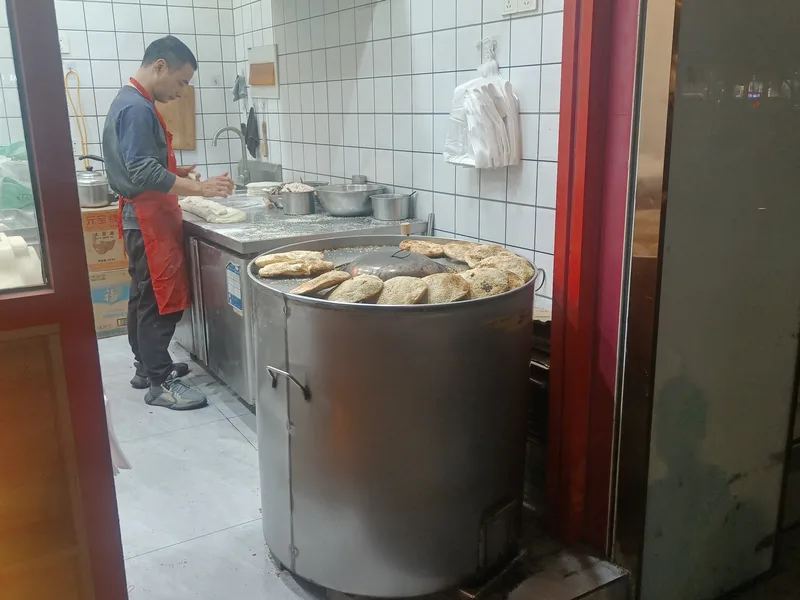
A practical guide to choosing fresh shaobing in Beijing breakfast shops, covering sesame crust, warmth, texture, plain vs filled versions, morning timing, and easy pairings.
Freshness changes everything with shaobing. A Beijing sesame flatbread can be crisp, fragrant, and easy to eat when it has just come from the oven or griddle, but the same bread can feel dry and heavy if it has been sitting too long. For visitors, the challenge is not only knowing what shaobing is, but knowing which one on the counter is worth choosing.
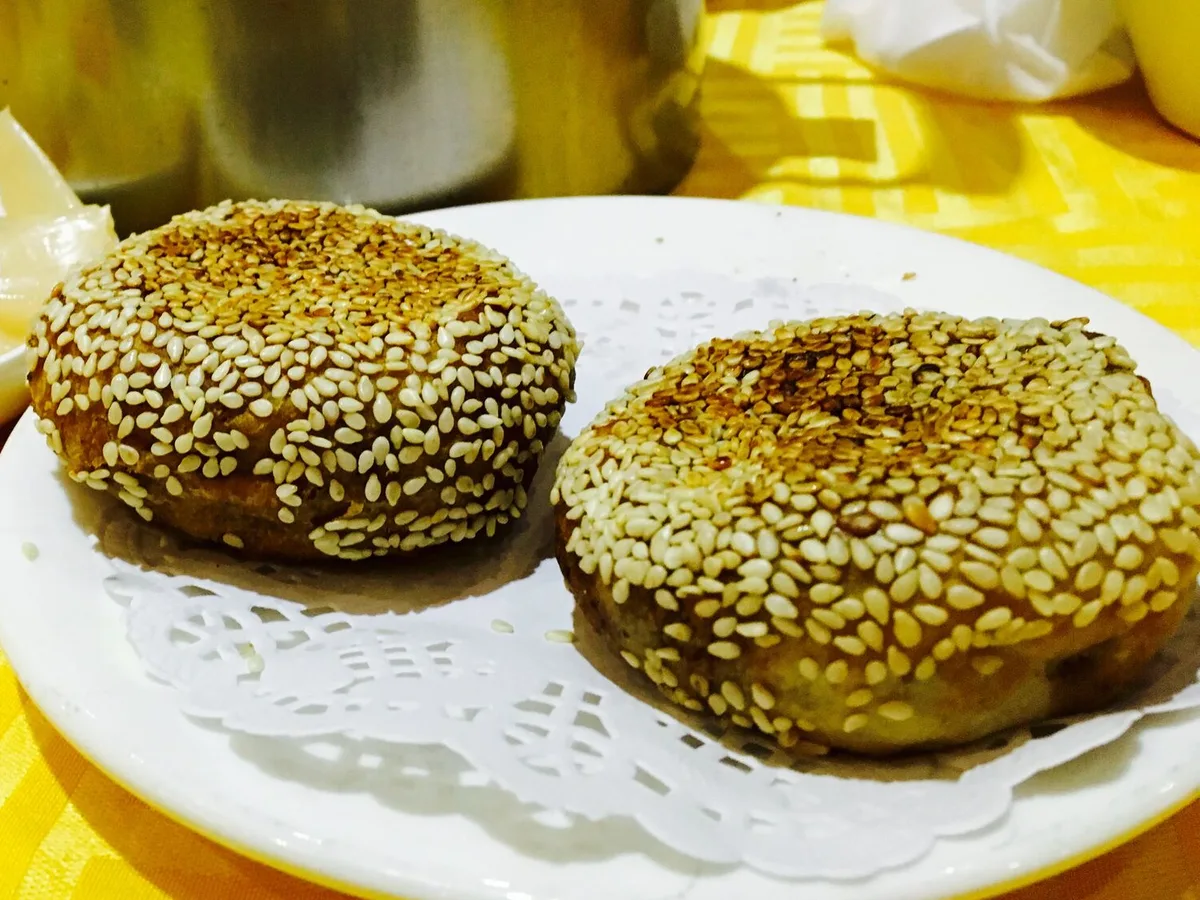
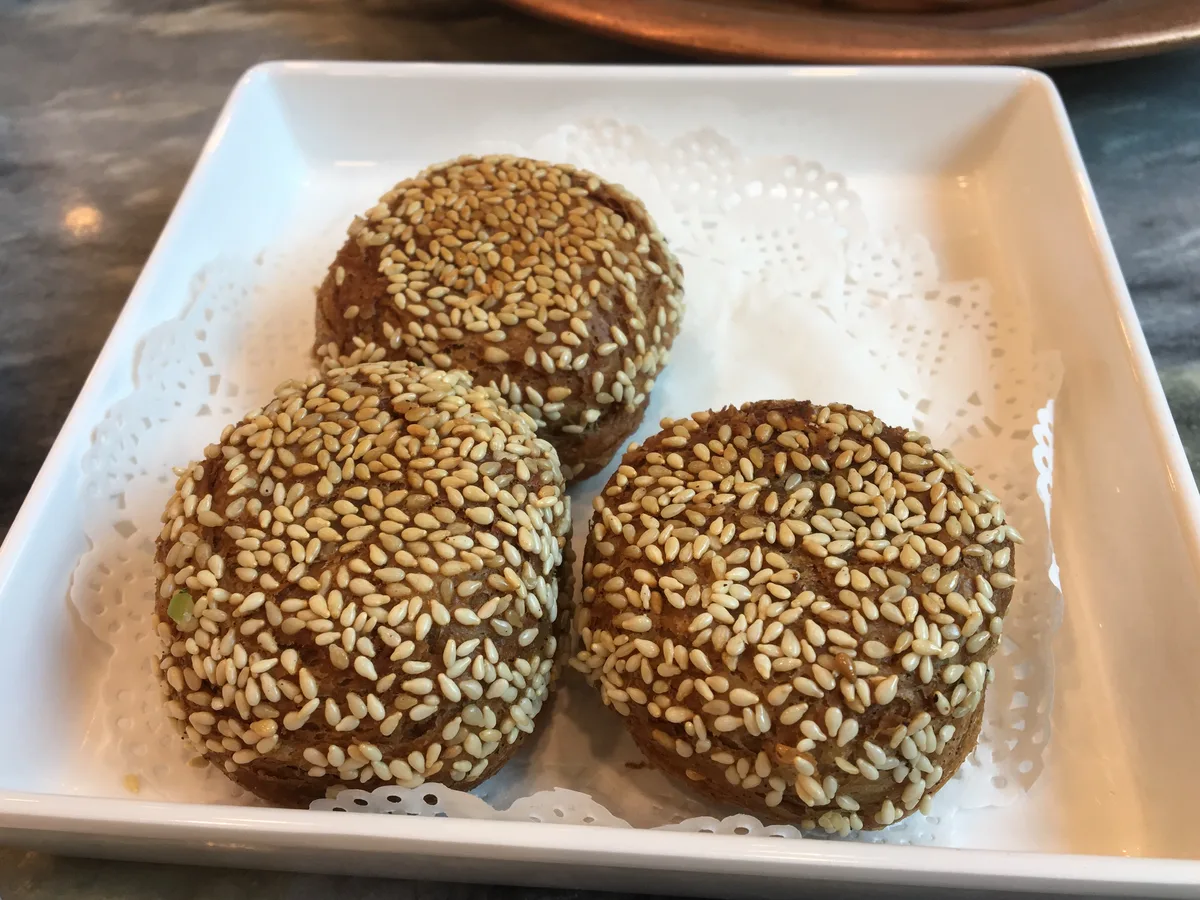
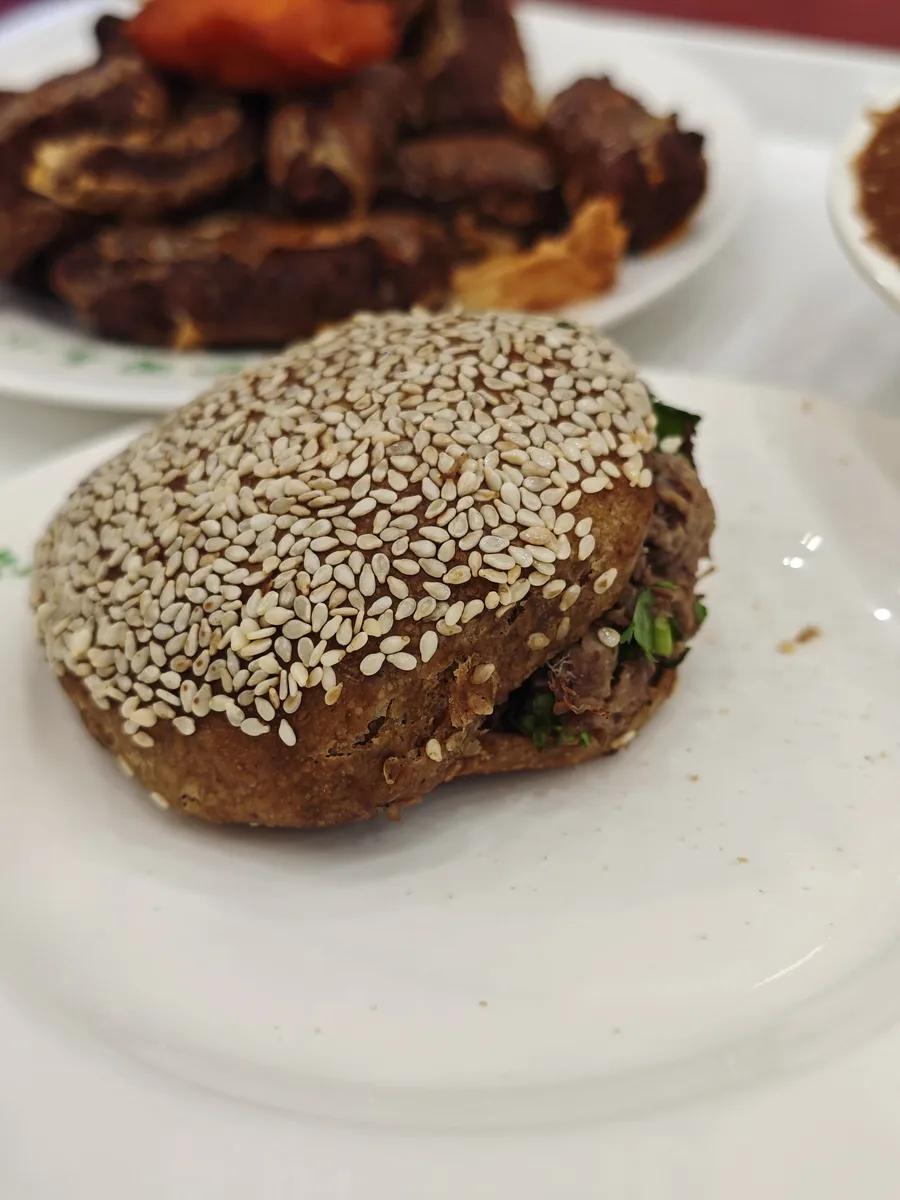
This guide focuses on the small, practical details that make a good Beijing breakfast order: the sesame crust, the warmth of the bread, the feel of the layers, and the timing of a busy morning shop. If you are still learning the basic dish, start with our main Beijing shaobing guide, then use this page when you are standing in front of a breakfast counter and need to choose quickly.
A fresh shaobing should look toasted rather than pale. The sesame on top should be dry, lightly browned, and attached to the crust instead of falling away in a dusty layer. The surface may be uneven, because many Beijing breakfast shops make practical everyday bread rather than perfectly shaped bakery pieces, but it should not look limp or oily.
Plain sesame shaobing is usually flatter and easier to judge by its surface. Filled versions, such as beef or other savory styles, may be thicker, so the outside can look darker while the inside stays soft. That does not automatically mean it is overcooked. What matters is whether the crust still has fragrance and whether the bread feels recently heated.
If you can see the staff moving shaobing from an oven, griddle, or warming rack, that is usually a good sign. A warm shaobing should feel light for its size and should separate slightly when bitten, rather than tearing like a cold dense roll. The best pieces often have a clear contrast: crisp sesame crust outside, softer bread layers inside.
Cold shaobing is not always bad. Some shops make large batches for the morning rush, and a room-temperature piece can still be acceptable if it was baked recently. But if the bread feels stiff, the sesame crust has lost aroma, or the edges are tough, it is better to choose another piece or order something that is being reheated.
Plain sesame shaobing is the safest first choice if you want to understand the bread itself. It works well with hot soy milk, tofu pudding, or a stronger breakfast bowl, because it does not compete with the main flavor. It is also useful when you are comparing shaobing with jianbing and baozi, because the difference in texture becomes obvious.
Filled shaobing is better when you want a fuller breakfast and do not plan to order many other items. Meat-filled versions can be rich, salty, and satisfying, especially in colder weather. For a deeper look at filling choices and pairings, see the separate guide to shaobing fillings and breakfast pairings.
In Beijing, many breakfast foods are best judged by turnover. A shop with a steady line is not always more comfortable, but it often means the bread is moving quickly and the counter is being refreshed. Look for staff placing new pieces out, replacing empty trays, or calling out fresh batches during the morning rush.
The quietest counter is not necessarily the worst, but it requires more attention. If the same pieces sit under a heat lamp for a long time, the crust can dry out while the inside loses softness. If you are unsure, ask for a warm one or choose a piece from the newest tray. Even a simple phrase like “fresh one” or pointing to the warmer section can help in a busy shop.
Early morning is usually the safest time because shaobing is a breakfast staple. Many shops prepare for office workers, students, and nearby residents, so the strongest turnover often happens before the late-morning lull. If you arrive after breakfast hours, the selection may be smaller and the bread may have been sitting longer.
That said, some snack shops and old-style restaurants continue selling shaobing beyond breakfast. In those places, freshness depends less on the clock and more on whether the shop is actively baking or reheating. Watch the counter, not only the menu board.
Fresh plain shaobing is especially useful with warm, liquid breakfast items. It can balance a strong bowl of chaogan, soften the sour edge of traditional breakfast drinks, or add crunch beside a simple egg or tofu dish. If you are ordering baozi as well, keep the shaobing portion small; both are filling starches.
For a first Beijing breakfast, one plain shaobing plus one hot drink or bowl is often enough. Add a filled shaobing only if you want the bread to become the center of the meal. This is the easiest way to avoid turning a light breakfast stop into a heavy meal before walking around the city.
Stale shaobing usually reveals itself in three ways. First, the crust loses its toasted smell and becomes dusty rather than crisp. Second, the edges feel hard in a dry way, not pleasantly crunchy. Third, the inside feels flat and tight instead of layered or tender.
A little dryness is normal for some sesame flatbreads, especially if they are meant to be dipped or eaten with soup-like dishes. But if the whole piece feels lifeless, choose a different breakfast item. Beijing breakfast shops usually have several alternatives, from baozi to fried breads and hot bowls.
Shaobing is not the flashiest Beijing food, but it is one of the most useful dishes for understanding everyday breakfast habits. It sits between bread, snack, and side dish, and it changes depending on what you eat with it. That flexibility is why it deserves more than a quick mention in a general Beijing breakfast guide.
If you are building a morning food walk, use shaobing as the bread anchor: buy one fresh piece, compare it with a steamed item like baozi, and then choose one stronger flavor such as chaogan or douzhi only if you are curious. The goal is not to order everything. It is to notice how each item supports the others.
For broader official context on Beijing dining culture and local food tourism, see Beijing Municipal Government: Beijing through foreigners' lens and Visit Beijing: Beijing food culture.
Comments (0)