Doufunao Toppings and Pairings Guide: How to Order Beijing Savory Tofu Pudding
A practical guide to Beijing doufunao toppings, savory gravy, chili oil, cilantro, and breakfast pairings such as youtiao, jiaoquan, shaobing, baozi, and tea eggs.
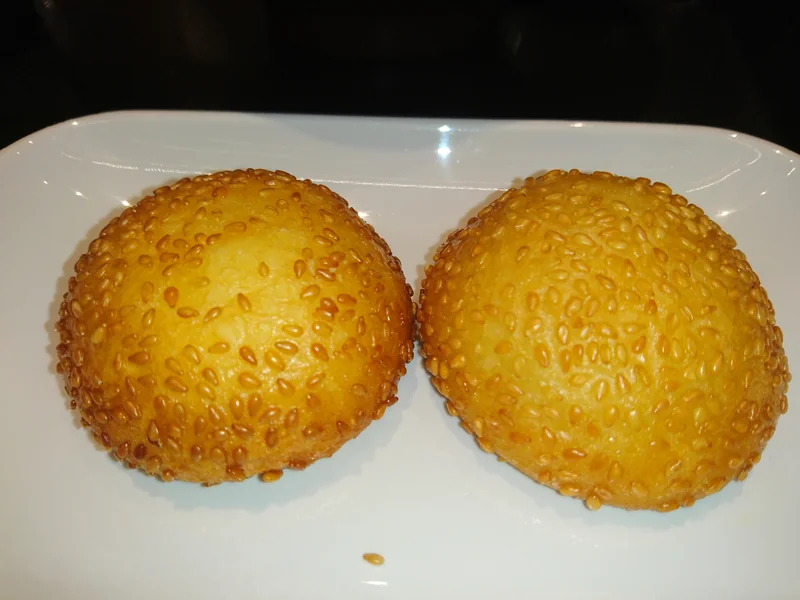
A practical guide to sweet shaobing in Beijing, covering red bean paste, sesame aroma, texture, freshness signs, breakfast pairings, and how it differs from savory shaobing.
Sweet shaobing is easy to miss in Beijing because most visitors first notice the savory side of the bread: sesame-crusted rounds, beef-filled versions, or plain shaobing eaten beside a hot breakfast bowl. But some of the most satisfying shaobing are built around sweetness, especially red bean paste and nutty sesame aroma. They are not heavy desserts in the Western sense. A good one still feels like a baked wheat snack: warm, layered, lightly crisp outside, and only moderately sweet inside.
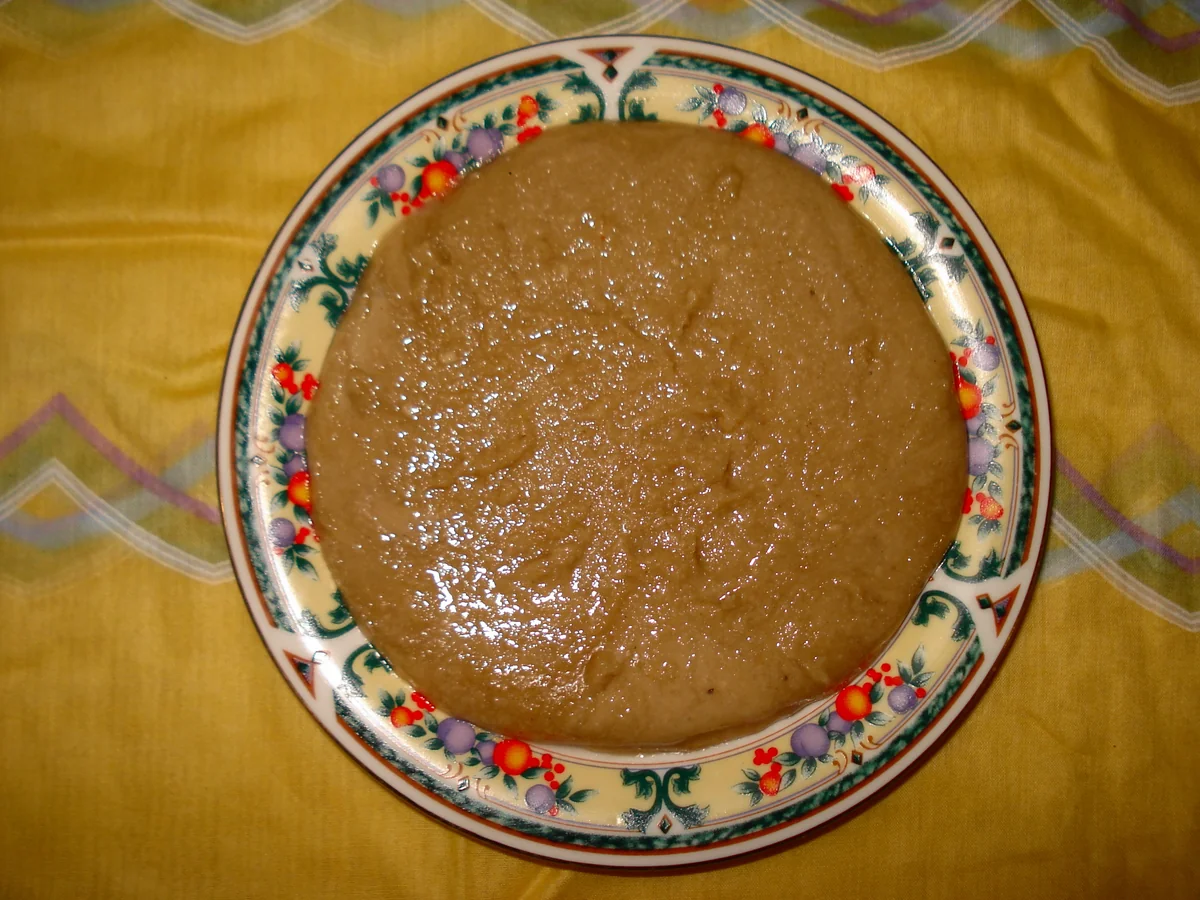
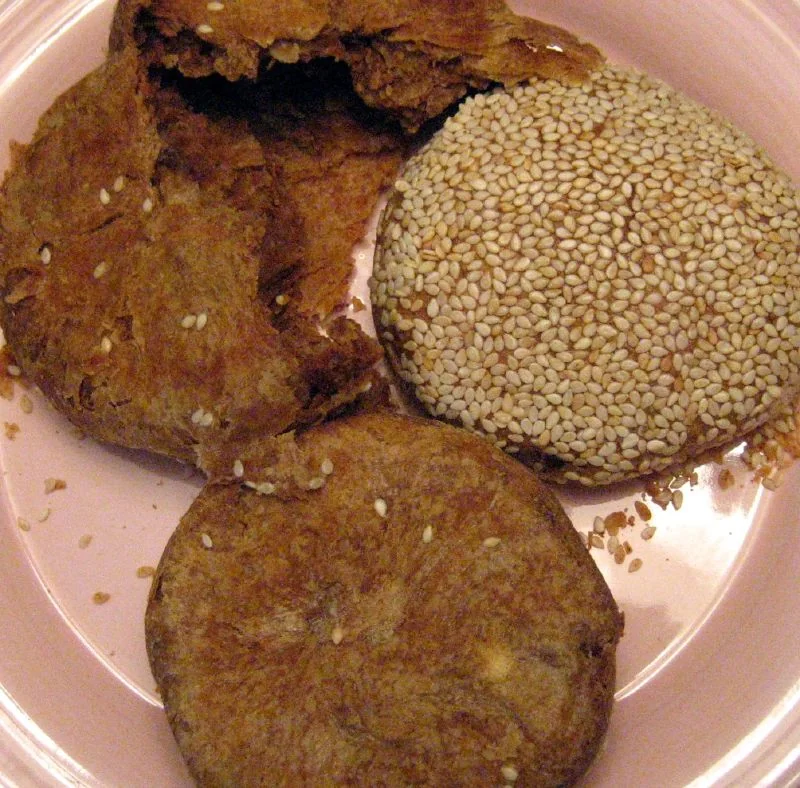
This guide focuses on how to recognize and order sweet shaobing in Beijing without confusing it with other wheat snacks. If you want the broader overview first, start with Shaobing in Beijing. For a deeper look at sesame paste layers, read the focused majiang shaobing guide. Here, the question is more specific: when should you choose a sweet shaobing, what texture should it have, and what should you eat with it?
Shaobing is a wheat-based baked or griddled bread, usually finished with sesame seeds or sesame aroma. In Beijing breakfast shops and old snack counters, savory shaobing often acts like bread for a bowl of soup, chaogan, tofu pudding, or soy milk. Sweet shaobing has a slightly different job. It can still be breakfast, but it also works as a mid-morning snack because the filling gives it enough flavor to eat on its own.
The common pattern is simple: a wheat dough wrapper, an aromatic surface, and a filling or inner layer that brings sweetness. Red bean paste is the easiest version for visitors to recognize. It should taste earthy and gently sweet rather than sugary. Some sweet versions lean more heavily on sesame paste or brown sugar notes, which makes the flavor warmer and nuttier. The best examples keep the balance: the bread should not disappear behind the filling, and the filling should not feel like candy.
Red bean paste shaobing is a good first choice if you are unsure where to start. The filling is familiar enough for many travelers, but the Beijing snack-shop version is usually less glossy and less dessert-like than packaged pastries. Look for a browned surface, a clear sesame smell, and a filling that sits in the center without leaking heavily through the crust.
Freshness matters. When a red bean shaobing is warm, the crust separates cleanly and the filling feels soft without becoming runny. If it has been sitting too long, the crust can turn leathery while the filling becomes dense. That is why timing matters more than decoration. A plain-looking sweet shaobing from a busy morning counter can be better than a prettier one that has been sitting under a lamp.
The biggest difference is not only the filling. It is how you should pair it. Savory shaobing can handle stronger foods: beef, egg, garlicky chaogan, or a salty bowl. Sweet shaobing works better with lighter drinks and cleaner sides. Soy milk, tea, or a mild bowl of douzhi can keep the meal from feeling too dry. If you are exploring old Beijing breakfast culture, the contrast with douzhi and jiaoquan is useful: douzhi is sour and fermented, jiaoquan is crisp and fried, while sweet shaobing gives a warm, wheat-and-bean sweetness.
Texture also changes the eating rhythm. A savory stuffed shaobing is often eaten as a meal item. Sweet shaobing is easier to share or use as a second item after a lighter breakfast. If you are already ordering baozi, noodles, or a heavy bowl, one sweet shaobing may be enough for two people to taste.
Use the same common-sense checks you would use for other Beijing baked snacks, but pay closer attention to the filling. The surface should look dry and toasted, not oily. The sesame should smell nutty, not stale. If the shop displays a cut piece, the filling should look smooth and compact, not wet around the edges. A little cracking on the surface is normal; a collapsed or soggy crust is not.
Morning is usually safer than late afternoon for breakfast-shop shaobing. In snack shops that bake throughout the day, watch whether new trays are coming out and whether local customers are buying quickly. A short queue can be a better freshness signal than a long menu board. For more general freshness checks, the same logic applies to choosing fresh shaobing in Beijing.
If you are ordering in English, asking for “sweet shaobing” may not always be enough because shops may separate red bean, sesame paste, sugar, or other filled versions by name. Pointing at the tray is normal. You can also ask whether it is sweet by saying “tian de ma?” If the shop has both sweet and savory versions, confirm before paying because they can look similar from the outside.
For a first tasting, buy one sweet shaobing and one savory or plain version. That comparison teaches more than ordering two sweet ones. The sweet version shows the filling and snack side of shaobing; the plain or savory version shows why shaobing is such a flexible Beijing breakfast bread. This is also a good way to understand the difference between shaobing and more famous portable breakfasts such as jianbing.
Sweet shaobing pairs best with drinks or sides that do not fight the filling. Warm soy milk is the easiest choice. Tea also works well if the shaobing is rich with sesame paste. If you are eating it as part of a larger breakfast, keep the rest simple: one bowl, one bread, one drink. Too many wheat snacks together can make the meal feel dry.
If you want a more old-Beijing comparison, order sweet shaobing on a different morning from douzhi and jiaoquan. The contrast helps: sweet shaobing is approachable, warm, and mild; douzhi is fermented and divisive; jiaoquan is crisp and oily by design. Together, these dishes show why Beijing breakfast is not one single flavor but a set of textures and habits.
Sweet shaobing is a good choice for travelers who want a Beijing snack that is easier to like than douzhi but still feels local. It is also useful for children, light breakfast eaters, and anyone who wants something portable without ordering a full bowl. If you usually like red bean buns, sesame sweets, or baked flatbreads, this is one of the safer Beijing snack-shop choices.
The main mistake is expecting a soft cake. Shaobing should still taste like bread. The pleasure is in the contrast: toasted outside, layered wheat inside, sesame aroma around the edges, and a filling that adds sweetness without turning the snack into a pastry. That modest balance is why sweet shaobing belongs in the wider Shaobing topic hub, not just in a dessert list.
Comments (0)