Doufunao Toppings and Pairings Guide: How to Order Beijing Savory Tofu Pudding
A practical guide to Beijing doufunao toppings, savory gravy, chili oil, cilantro, and breakfast pairings such as youtiao, jiaoquan, shaobing, baozi, and tea eggs.
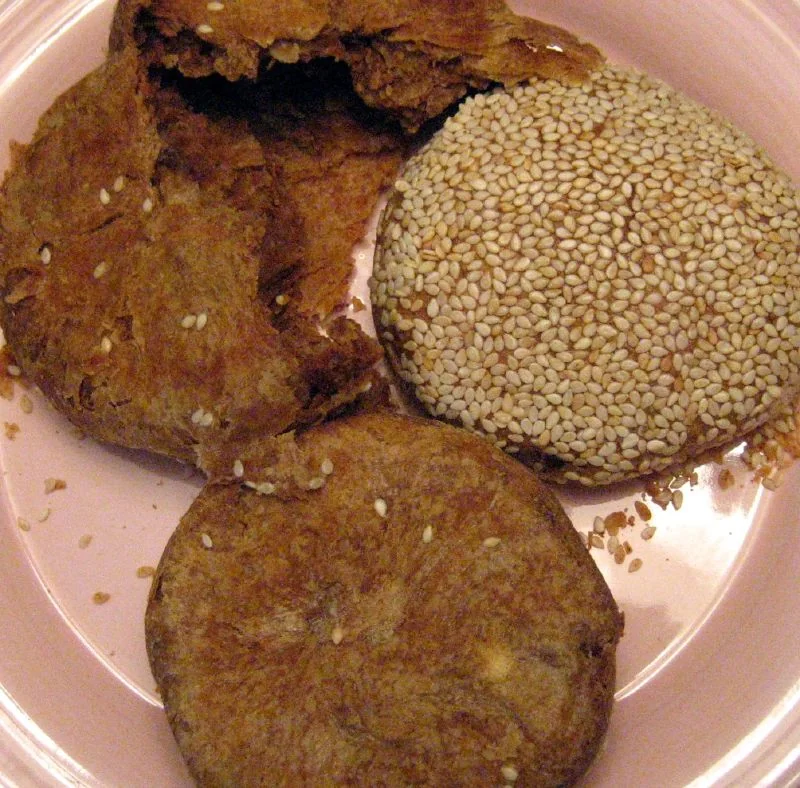
A practical guide to Beijing majiang shaobing, the sesame paste baked roll with layered bread, toasted sesame aroma, and classic breakfast pairings.
Majiang shaobing is one of the Beijing snacks that looks simple until you actually pay attention to the bite. It is not just a sesame-covered bread, and it is not the same thing as a meat-filled shaobing. The key is the sesame paste spread through the dough: when the roll is baked well, the outside turns browned and aromatic, while the inside separates into warm, nutty layers.
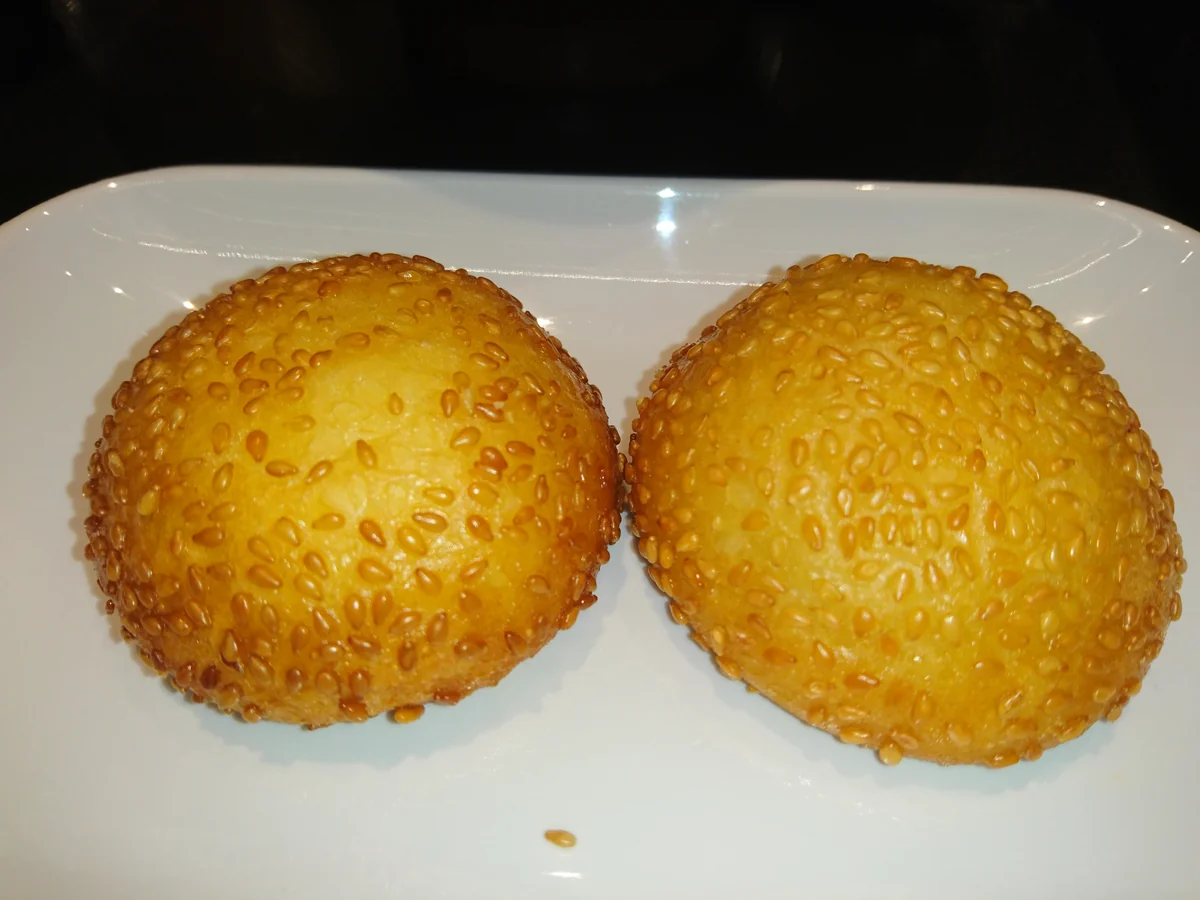
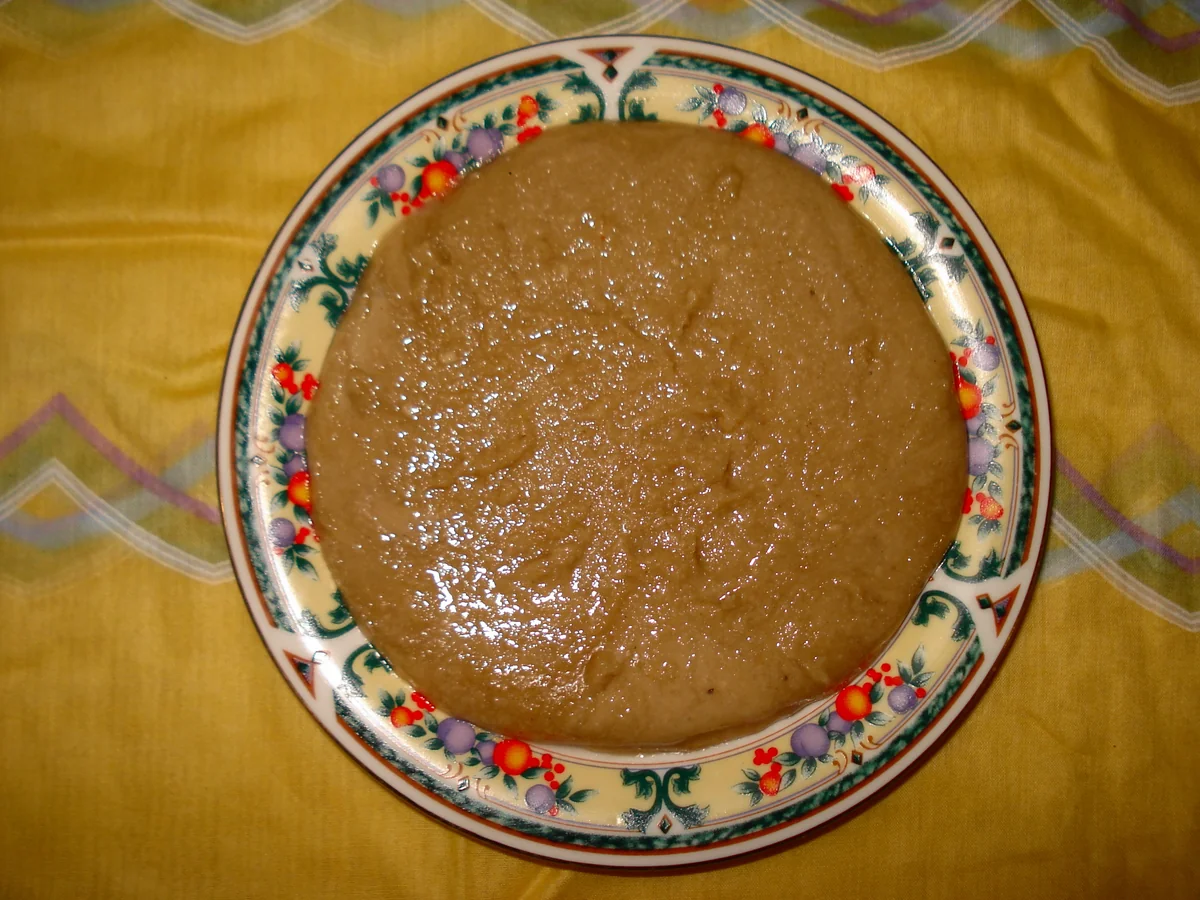
For visitors, this is a useful dish to understand because it connects several parts of Beijing food culture at once: wheat-based northern cooking, Hui snack-shop traditions, sesame paste as a local flavor marker, and the practical breakfast habit of pairing dry baked bread with soup, porridge, douzhi, tofu jelly, or other hot morning dishes. If you have already tried a basic Beijing shaobing, majiang shaobing is the next step: richer, more fragrant, and more layered.
Majiang means sesame paste, and shaobing refers broadly to baked wheat bread or baked rolls. In Beijing, zhimajiang shaobing usually means a small baked roll made with wheat flour, sesame paste inside, and often sesame seeds on the surface. Beijing Tourism describes it as a popular Beijing snack associated with restaurants run by Hui people, with the middle “pasted with sesame paste” even when the outside covering varies.
The best versions are not heavy in a greasy way. The sesame paste should be fragrant and savory, not flat or bitter. When you tear the bread open, the interior should show visible layers rather than one dense lump. Older descriptions often mention many fine layers, and that matters because the layering changes the whole eating experience: the crust gives crunch, the inside keeps warmth, and the sesame paste gives depth without needing a sauce.
The word shaobing can be confusing because it covers many regional baked breads. A plain sesame shaobing may be mostly about crust and sesame aroma. A beef or donkey-meat shaobing is about the filling. A sweet red-bean shaobing leans into dessert territory. Majiang shaobing sits in the middle: it is usually savory enough for breakfast but rich enough to eat on its own.
That is why it deserves its own place within the broader Shaobing topic. It is not only “another filling.” Sesame paste changes the structure of the bread, the aroma, and the way locals pair it. Compared with the filled shaobing covered in our shaobing fillings and pairings guide, majiang shaobing is more about layered wheat, roasted sesame, and balance.
A good majiang shaobing should smell toasted before you bite it. The surface may be covered with sesame seeds or left plainer, but it should not feel limp. The outside should be gently crisp or at least firm enough to hold shape. Inside, the bread should be layered, warm, and lightly chewy, with sesame paste distributed through the folds.
Freshness matters. A majiang shaobing that has sat too long can become dry on the outside and heavy inside. If the shop is busy and the bread is moving quickly from oven to counter, the texture is usually better. This is the same freshness logic explained in our guide to choosing fresh shaobing in Beijing: look at turnover, warmth, crust, and whether the bread still has a clear toasted aroma.
Majiang shaobing works especially well with hot, wet, or soft foods because the bread itself is dry and aromatic. Beijing Tourism lists sesame paste baked rolls among traditional snack combinations involving fermented bean drink, fried rings, tofu jelly, hard tofu, millet congee, pies, and other breakfast staples. In practice, that means you can treat majiang shaobing as the bread anchor of a breakfast tray.
If you like old Beijing flavors, try it with douzhi and jiaoquan. The sour fermented mung-bean drink is challenging for first-timers, but the nutty bread softens the sharpness. If you want a gentler start, pair it with hot soy milk, millet porridge, tofu jelly, or a simple soup. If you want something more filling, add a savory dish such as chaogan or a meat soup, then use the shaobing as the dry counterpoint.
You are most likely to notice majiang shaobing in old snack shops, breakfast counters, Hui-style snack places, and neighborhood bakeries. It is not usually presented like a modern cafe pastry. It is more often stacked, wrapped quickly, or served as part of a breakfast combination. That is part of the appeal: it is food made for morning traffic, regular customers, and a city that still treats wheat breads as serious breakfast staples.
If you are building a small Beijing breakfast crawl, do not start with too many rich foods at once. One majiang shaobing plus one drink or soup is enough for a first taste. Then compare it with jianbing, baozi, and other breakfast dishes in the Beijing Breakfast topic. The comparison helps you understand why Beijing breakfast is not one single style: it moves between baked, steamed, fried, fermented, and soup-based foods.
Ask for it warm if the shop has fresh ones coming out. If there are several types of shaobing, look for the Chinese characters 芝麻酱烧饼 or ask for zhimajiang shaobing. Some shops may simply call it majiang shaobing. If you see both sesame-paste and meat-filled versions, remember that they are different experiences: the sesame-paste one is about layers and aroma, while the meat one is about filling and juiciness.
Do not judge only by color. A dark crust does not always mean better flavor, and a pale surface does not always mean underbaked. The more reliable signs are aroma, warmth, and interior layering. If the bread is pre-wrapped and cold, it may still be edible, but you will miss the main point of the snack.
The first mistake is expecting it to be sweet like a dessert pastry. Sesame paste can taste rich, but Beijing majiang shaobing is usually better understood as a savory or lightly seasoned breakfast bread. The second mistake is eating it alone too quickly. It is enjoyable by itself, but it becomes more useful when paired with a hot drink or soup. The third mistake is treating every sesame-covered round bread as the same thing. Look for the sesame paste layers inside, not just sesame seeds outside.
If you are exploring Beijing street food, this is a quieter dish than tanghulu or jianbing, but it is just as revealing. It shows how much Beijing food depends on texture: crisp outside, layered inside, fragrant but not showy, filling without being complicated.
Order majiang shaobing when you want a classic Beijing wheat snack with more depth than plain bread. Choose a busy shop, eat it warm, and pair it with soup, porridge, soy milk, douzhi, tofu jelly, or another breakfast dish. The goal is not only to taste sesame paste; it is to notice how the paste, crust, and layers work together.
Comments (0)