Luzhu huoshao is not the easiest Beijing dish for a first-time visitor, but it is one of the most local. A bowl usually brings together chopped huoshao bread, pork intestines, pork lung, tofu, and a dark braising broth. Garlic, fermented tofu, chili oil, and cilantro can change the final flavor. The result is rich, salty, aromatic, and much more filling than it looks.
This guide is meant for people who have seen the name on a menu and are not sure what they are ordering. If you want gentler Beijing dishes first, start with Zhajiang Noodles or Peking Duck. If you want to understand old Beijing snack-shop culture more deeply, luzhu huoshao belongs beside dishes like chaogan, douzhi, jiaoquan, and baodu.
What Is Luzhu Huoshao?
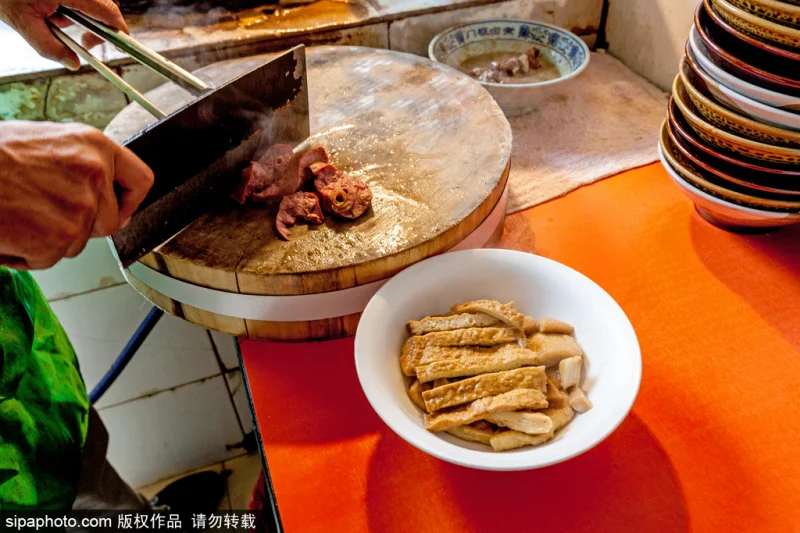
The name gives the basic structure. “Luzhu” refers to braising or stewing in a seasoned broth. “Huoshao” is a baked wheat bread. In the Beijing dish, the bread is cut into pieces and placed in the bowl with braised pork offal and tofu, then covered with broth and seasonings. The bread absorbs the soup without dissolving immediately, which is why texture matters.
The key ingredients are usually pork intestines, pork lung, tofu, huoshao bread, and a long-cooked broth. Some shops may also include pork belly or other cuts, but the classic identity comes from offal and bread together. This is different from a noodle soup, and it is different from a hotpot. You are eating a chopped, broth-soaked bowl where every ingredient should carry the braised flavor.
How It Tastes
A good bowl should taste savory, slightly fatty, aromatic, and clean enough that the offal does not feel muddy. The broth is usually dark and seasoned, but it should not be harshly salty. Garlic adds sharpness. Fermented tofu adds depth and a little funk. Chili oil can make the bowl warmer, but it should not cover the braised flavor.
The first bite is often about texture. The huoshao bread should be soft at the edges but still have some chew. The intestines should be tender, not rubbery. Pork lung has a different texture: lighter and more porous, absorbing broth quickly. Tofu helps soften the bowl. If all these parts taste the same, the bowl is probably too heavy. If each piece feels separate but connected by the broth, the balance is better.
Why Huoshao Bread Is Important
The bread is not filler. It is one of the reasons the dish works. Huoshao has enough body to soak up broth while keeping a wheat-bread texture. In a well-made bowl, some pieces become almost soup-soaked, while others stay firmer. That contrast makes luzhu huoshao more satisfying than a simple offal soup.
For visitors, this is the easiest way to judge the bowl. If the bread is completely mushy, the texture becomes flat. If it is too dry, the bowl feels unfinished. The best version sits between those extremes: broth-soaked, fragrant, and still chewable.
How to Order It for the First Time
At a specialist shop, ordering a standard bowl is usually the safest first step. Do not over-customize until you understand the base flavor. If you are nervous about offal, go with someone who already likes the dish and share one bowl first. Luzhu huoshao is rich enough that tasting a few bites can teach you more than forcing yourself to finish a full portion.
If the shop offers garlic, fermented tofu, vinegar, chili oil, or cilantro, add them gradually. Garlic and fermented tofu are especially important in many Beijing bowls, but too much can overwhelm the broth. Stir from the bottom so the bread, tofu, and offal all catch the seasoning evenly.
How It Compares With Chaogan and Baodu
Luzhu huoshao is sometimes grouped with other old Beijing offal dishes, but it has its own role. Chaogan is a thick garlic-forward stew with pork liver and intestine, often eaten for breakfast. Luzhu huoshao is heavier, bread-based, and more like a full meal. Baodu, or quick-cooked tripe, is more about texture and dipping sauce. Luzhu is about braised broth, chopped ingredients, and wheat bread soaking everything together.
If you already enjoy chaogan's garlic gravy and offal texture, luzhu huoshao is a logical next step. If you dislike offal aroma, start with a small taste rather than a full bowl. The dish is important, but it is not designed to be neutral.
When to Eat It
Luzhu huoshao can be lunch, dinner, or a late meal. It is not as light as jianbing or baozi, and it is usually too rich to treat as a quick snack before another large meal. Cooler weather makes it easier to appreciate because the broth and bread feel warming. That said, specialist shops sell it year-round, and regular customers often choose it simply because they want a filling, familiar bowl.
For a Beijing food itinerary, do not schedule luzhu huoshao immediately before Peking duck or hotpot. Give it its own meal. Pair it with a simple cold dish or tea if you need contrast, but avoid adding too many heavy wheat foods at the same time.
What First-Timers Should Watch For
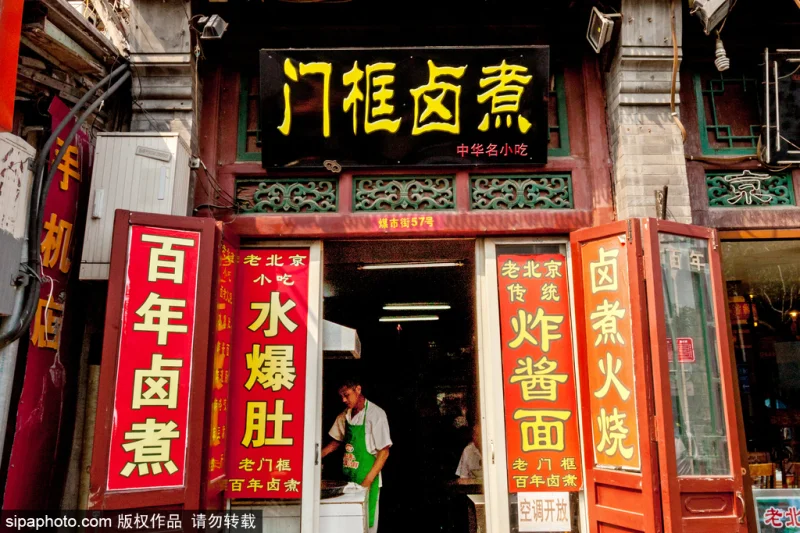
Look for a shop where the broth smells clean and the chopped ingredients move quickly. A busy counter is usually a good sign because offal dishes depend heavily on freshness and turnover. In the bowl, the broth should be hot, the bread should be cut into practical pieces, and the offal should look braised rather than dry.
Do not judge the dish only by appearance. Luzhu huoshao is not a polished banquet dish. Its value is in flavor, texture, and local habit. If you like bold, braised, old-city foods, it can become one of the most memorable Beijing dishes. If your tastes are lighter, treat it as cultural tasting rather than a must-finish challenge.
References
Comments (0)