Doufunao vs Laodoufu: Beijing Tofu Breakfast Differences Explained
A focused guide to the difference between Beijing doufunao and laodoufu, covering texture, gravy, condiments, ordering clues, and which tofu breakfast bowl to choose first.
A clear guide to the difference between Beijing savory doufunao and sweet douhua, explaining gravy, syrup, toppings, texture, regional styles, and how to avoid ordering the wrong…
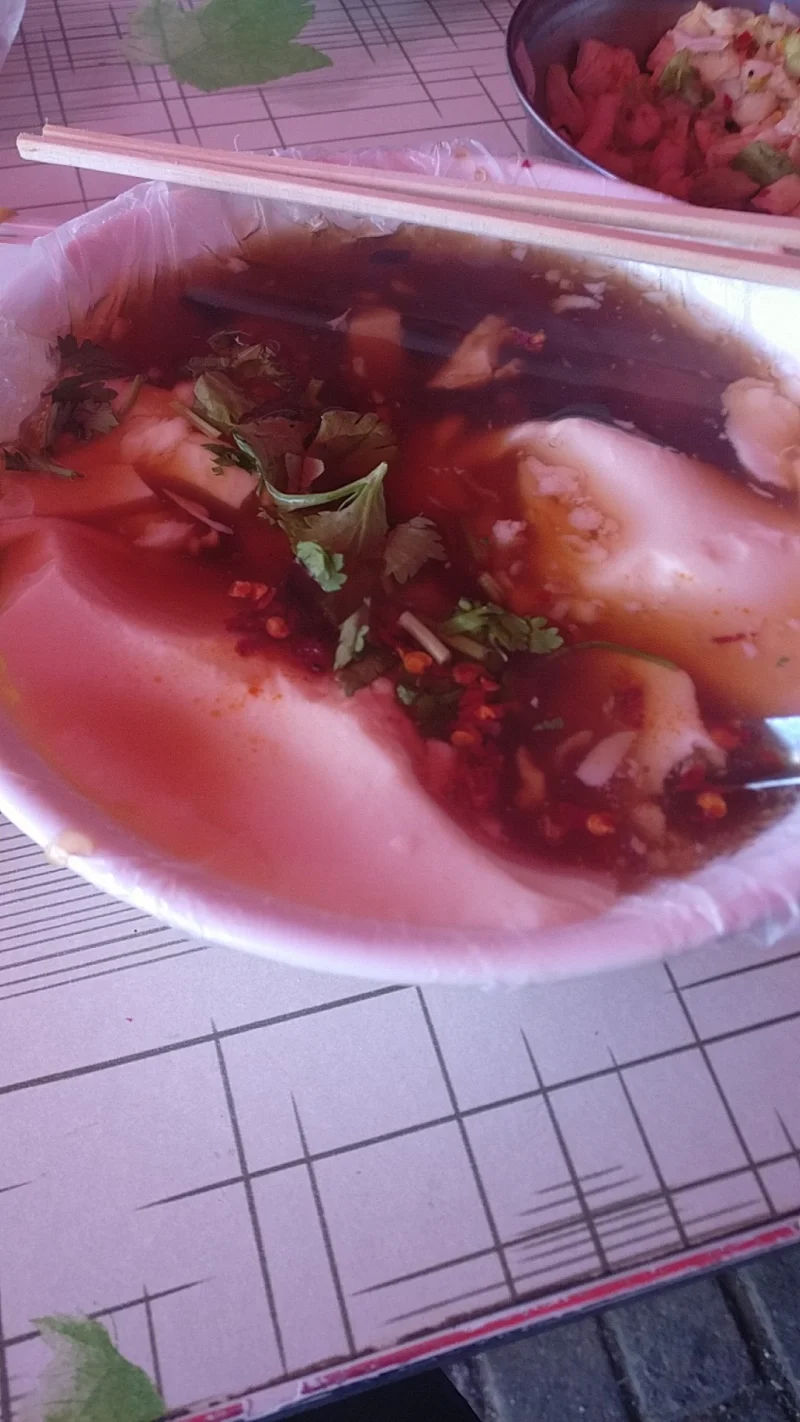
Many visitors see “tofu pudding” on an English menu and expect dessert. In Beijing, however, doufunao is usually a savory breakfast bowl: soft tofu covered with warm gravy, eaten with youtiao, shaobing, baozi, or a tea egg. Sweet douhua belongs to a different eating habit, even though the base ingredient is also soft tofu.
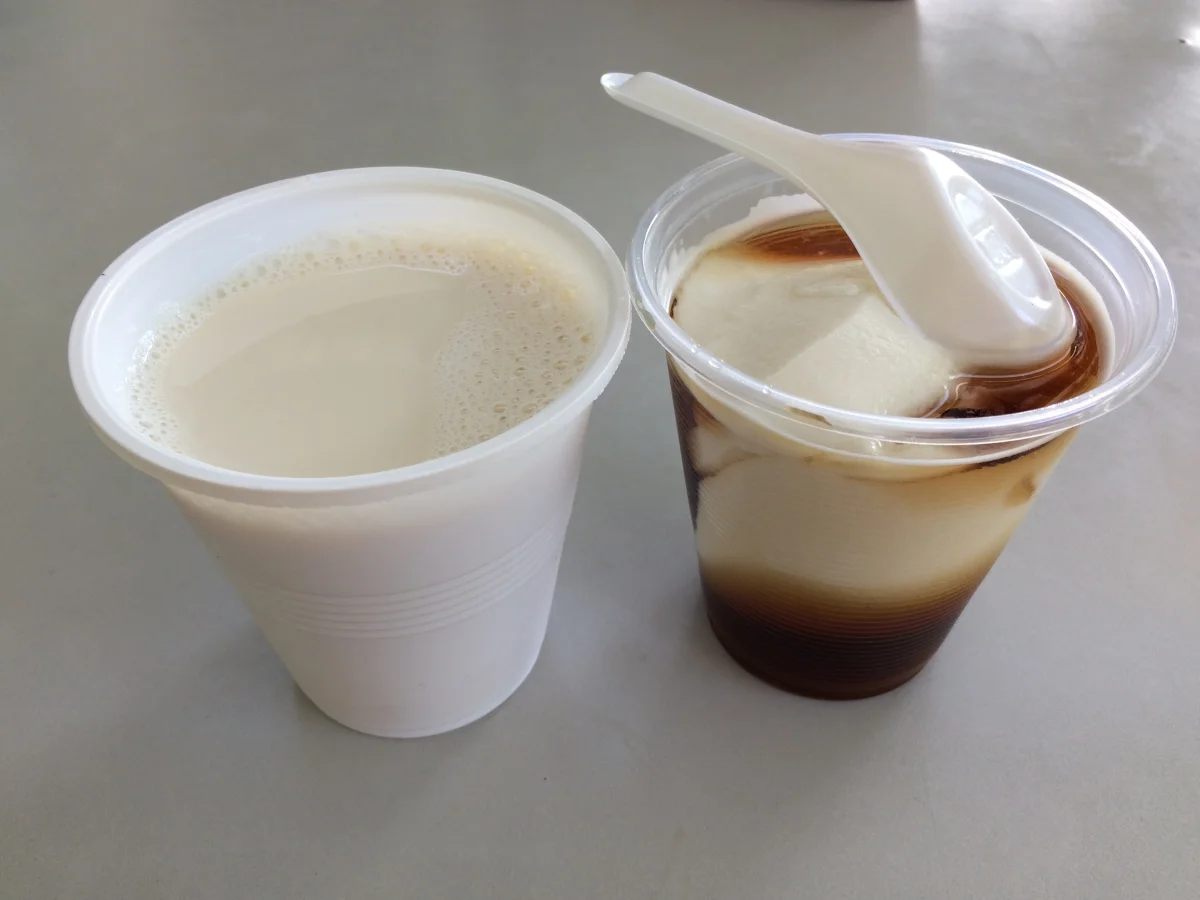
This guide explains the difference between Beijing savory doufunao and sweet douhua, so you can order the right dish. For the basic Beijing bowl, read the Beijing doufunao guide. For a firmer tofu comparison, see doufunao vs laodoufu.
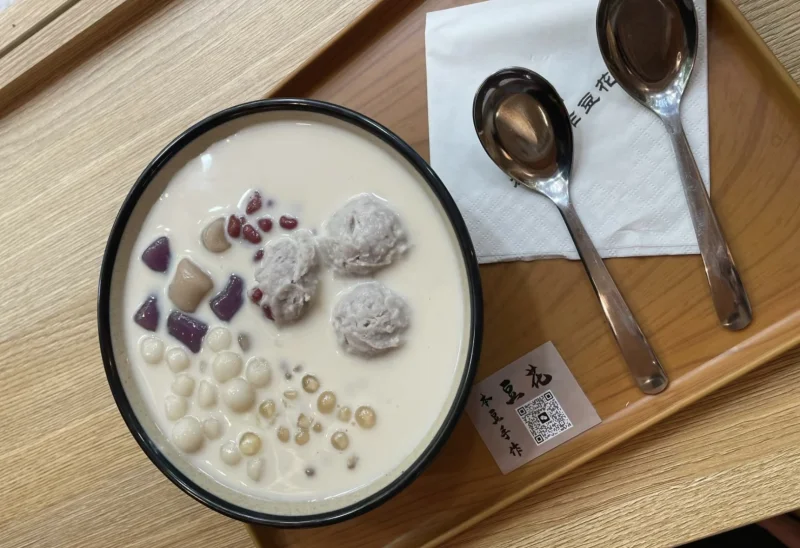
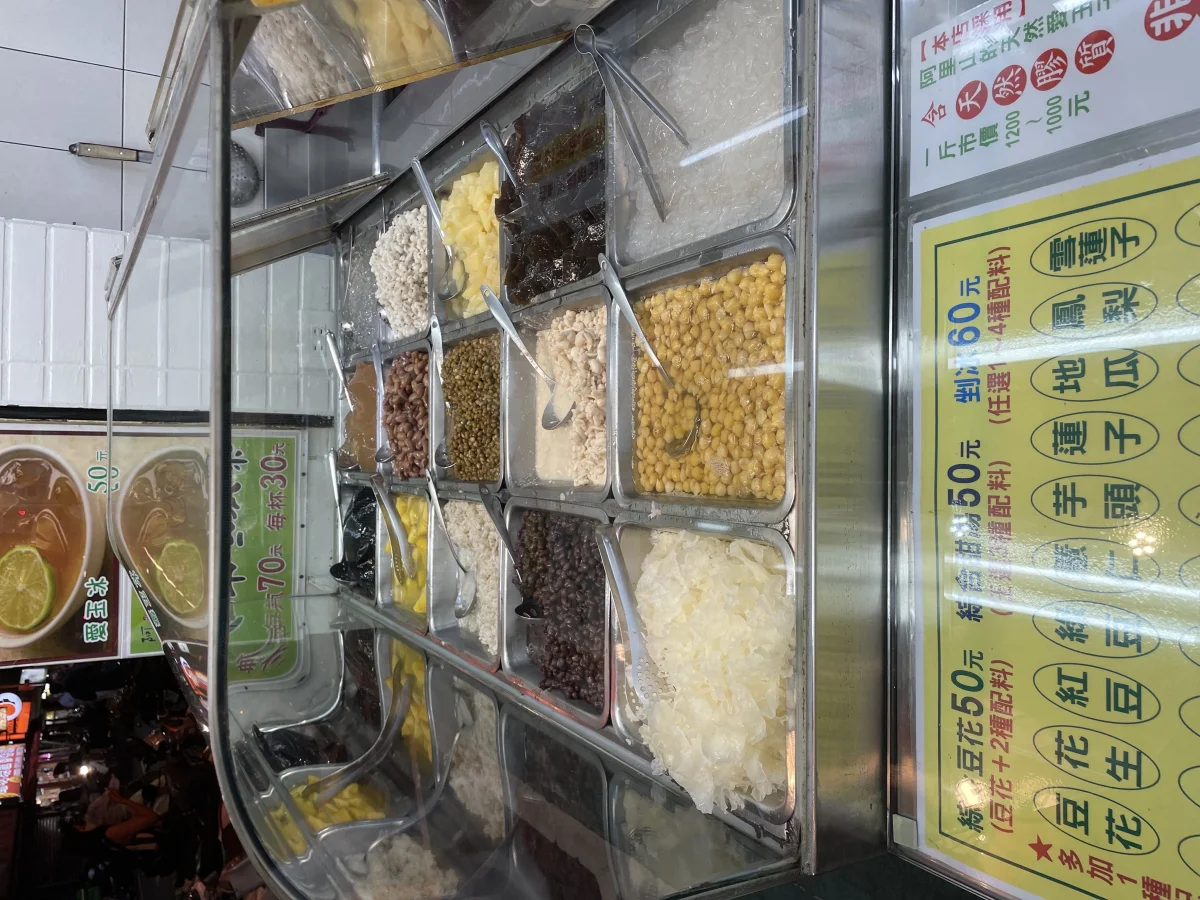
Beijing doufunao is usually savory. It is soft tofu pudding under a hot sauce or gravy, often with soy sauce, starch-thickened broth, egg, wood ear, mushroom, daylily, or meat-based gravy in some halal shops. Sweet douhua is usually eaten as a dessert or sweet snack, with syrup, ginger sugar water, peanuts, beans, taro balls, pearls, or other sweet toppings.
Both can be translated as tofu pudding, but the meal context is completely different. Doufunao belongs on a Beijing breakfast table. Sweet douhua belongs closer to dessert shops, southern snack culture, or Taiwanese-style sweet tofu desserts.
Beijing breakfast favors warm, filling, practical foods. A bowl of doufunao gives soft texture and heat, while the gravy adds enough salt and aroma to pair with wheat-based sides. That is why it sits naturally beside youtiao, sesame shaobing, tea eggs, and steamed buns.
The tofu itself is mild. Without gravy, it would feel too plain for a cold morning breakfast. The savory sauce turns it into a complete bowl, not a dessert. A good Beijing doufunao should taste gentle first, then savory and aromatic as the gravy spreads through the tofu.
Sweet douhua uses the same broad idea of soft tofu, but the goal is different. The bowl is often cooled or served at dessert temperature, then paired with sugar syrup, ginger syrup, peanuts, beans, taro balls, pearls, or other sweet toppings. Texture matters, but sweetness and toppings lead the experience.
This is why sweet douhua can look more colorful than Beijing doufunao. It may have several toppings in one bowl, while Beijing doufunao is usually a more restrained breakfast dish built around tofu and gravy.
The easiest distinction is the liquid around the tofu. In Beijing doufunao, the liquid is savory gravy. It should have body, salt, and aroma. In sweet douhua, the liquid is usually syrup or sweet soup. It should be clean, sweet, and sometimes fragrant with ginger or brown sugar.
If you see brown sauce, egg strands, wood ear, mushroom, cilantro, chili oil, or meat gravy, you are likely looking at savory doufunao. If you see syrup, beans, peanuts, taro balls, pearls, or fruit-like dessert toppings, you are likely looking at sweet douhua.
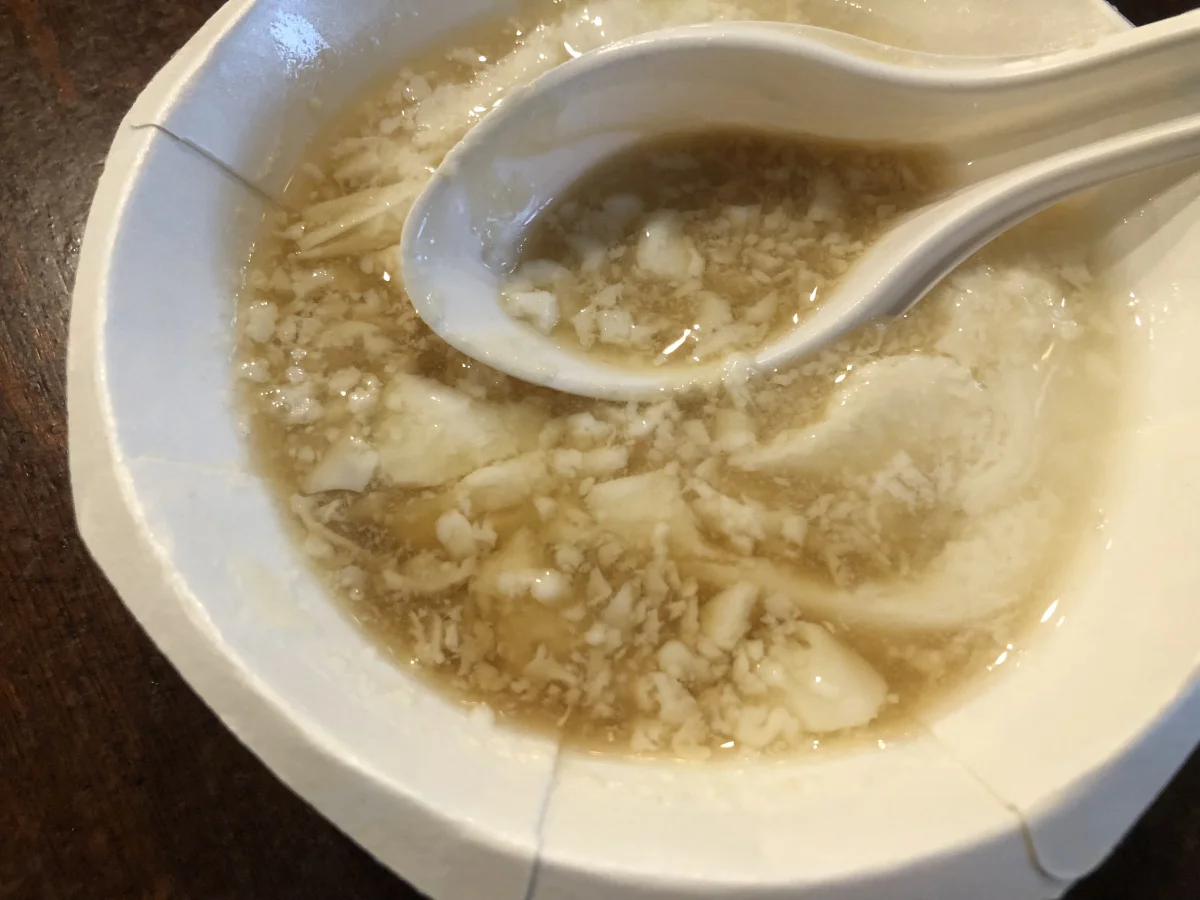
Both dishes depend on soft tofu texture, but the ideal mouthfeel can differ. Beijing doufunao should be tender enough to break under a spoon while still holding soft curds under the gravy. Sweet douhua may be smoother or silkier, especially when served as a dessert.
That difference is not absolute; recipes vary by region and shop. Still, the eating rhythm is different. Doufunao is spooned with savory gravy and side dishes. Sweet douhua is eaten slowly as a sweet bowl, often with toppings in each spoonful.
In a Beijing breakfast shop, “doufunao” usually means the savory version. If you are in a dessert shop, a southern-style snack shop, or a Taiwanese-style dessert counter, “douhua” is more likely to mean a sweet tofu dessert.
Menu photos help. Look for the surrounding items. If the tofu bowl is shown beside youtiao, shaobing, baozi, tea eggs, or soy milk, think breakfast doufunao. If it is shown with pearls, beans, taro balls, syrup, or shaved-ice-style toppings, think sweet douhua.
Ask whether it is “xian de” or “tian de”: savory or sweet. That question solves most confusion. In Beijing breakfast shops, you can also ask whether it has “lu,” the savory gravy. If the answer is yes, you are dealing with breakfast doufunao.
If you are using a translation app, be careful with the phrase “tofu pudding.” It may flatten several different foods into one English label. Use the Chinese names when possible: doufunao for Beijing savory breakfast tofu pudding, douhua for the broader tofu pudding family, and tian douhua for a sweet style.
If you are in Beijing for local breakfast, try savory doufunao first. Order one bowl with youtiao or sesame shaobing. Taste the gravy before adding chili oil or vinegar. The goal is to understand the soft tofu and warm savory sauce together.
Try sweet douhua separately, as a dessert or snack, not as a replacement for Beijing breakfast doufunao. Comparing them side by side is useful, but judging one by the expectations of the other leads to disappointment.
Doufunao fits well into a morning route with Beijing breakfast, jiaoquan, shaobing, baozi, and soy milk. It is quiet, warming, and local. Sweet douhua fits better into a snack or dessert route, especially if you are exploring regional Chinese dessert styles beyond Beijing.
For a food traveler, the lesson is simple: do not search for one universal “tofu pudding.” Ask what role the tofu plays in that place. In Beijing, doufunao is breakfast. In many southern or Taiwanese contexts, douhua can be dessert.
Beijing doufunao is soft tofu plus savory gravy, eaten for breakfast. Sweet douhua is soft tofu plus syrup or sweet toppings, eaten as a dessert or sweet snack. Same tofu family, different meal, different flavor logic.
Once you understand that split, Beijing breakfast menus become much easier to read. You will know when to order youtiao, when to expect syrup, and when “tofu pudding” is not telling the whole story.
Food background was checked against Beijing municipal tourism pages and licensed Wikimedia Commons image records. External links are provided for attribution and verification only.
Comments (0)